
Your Ultimate Guide to Colorado Rifle Training Courses: Improve Your Skills Safely
September 1, 2026 · Firearm Training / Safety & Education / Marksmanship Skills
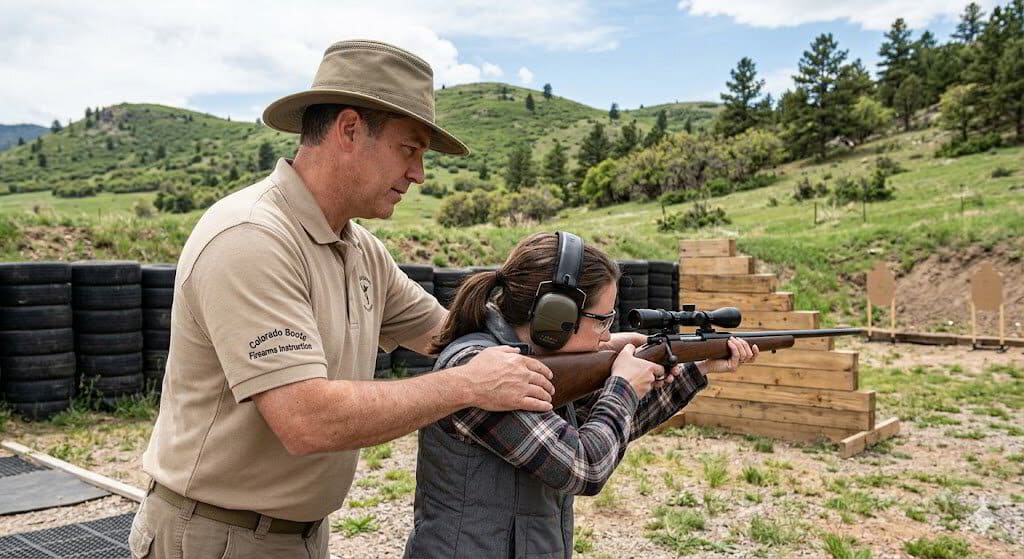
Whether you're a complete novice handling a rifle for the first time or an experienced marksman seeking to refine your techniques, proper training forms the foundation of safe and effective rifle shooting. In Colorado's diverse shooting landscape, where hunting traditions meet modern self-defense needs, comprehensive rifle education has never been more crucial. The state's varied terrain and wildlife present unique challenges that require specialized knowledge and skill development.
Professional rifle training goes beyond simply learning to pull a trigger. It encompasses understanding ballistics, mastering proper stance and grip, developing situational awareness, and most importantly, ingraining safety protocols that become second nature. Colorado Boots Firearms Instruction recognizes that every shooter's journey is unique, whether you're preparing for hunting season, enhancing personal protection capabilities, or pursuing competitive shooting excellence. Our comprehensive approach ensures that students not only learn fundamental techniques but also develop the confidence and competence necessary for responsible rifle ownership and operation in Colorado's dynamic environment.
Introduction to Colorado Rifle Training Courses
Colorado rifle training courses serve as the cornerstone for developing proficient, safe, and responsible rifle handling skills across all experience levels. In a state where outdoor recreation and personal protection intersect with diverse shooting opportunities, proper rifle education becomes essential for both novice and experienced shooters seeking to enhance their capabilities.
The importance of rifle training extends far beyond basic marksmanship. Professional instruction addresses critical components including weapon safety protocols, proper handling techniques, ammunition selection, maintenance procedures, and legal considerations specific to Colorado's firearms regulations. These comprehensive programs ensure that participants develop muscle memory for safe practices while building accuracy and confidence in various shooting scenarios.
Safety considerations form the absolute foundation of all Colorado rifle training courses. Every session begins with fundamental safety rules: treating every firearm as loaded, never pointing the muzzle at anything you don't intend to destroy, keeping fingers off triggers until ready to shoot, and identifying targets and what lies beyond them. These principles become ingrained through repetitive practice and professional guidance, creating lifelong habits that prevent accidents and promote responsible gun ownership.
When enrolling in Colorado Boots training courses, students can expect structured learning environments that progress systematically from basic concepts to advanced techniques. Our professional instructors maintain small class sizes to ensure personalized attention, immediate feedback, and hands-on guidance throughout each session. Courses combine classroom instruction covering theoretical knowledge with practical range time where students apply learned concepts under expert supervision. This balanced approach ensures comprehensive understanding while building real-world competence in rifle operation and safety protocols.
Understanding the Levels of Rifle Training
Rifle training programs are strategically structured across multiple skill levels to accommodate the diverse backgrounds and experience levels of Colorado shooters. This tiered approach ensures that each participant receives instruction appropriate to their current abilities while providing clear pathways for continued skill development and advancement.
Beginner courses focus on establishing fundamental knowledge and safe handling practices for individuals with little to no rifle experience. These introductory programs cover basic rifle components and operation, fundamental safety protocols, proper stance and grip techniques, basic sight alignment principles, and elementary shooting positions. Rifle training for beginners emphasizes building confidence through structured exercises that gradually introduce complexity while maintaining strict safety standards. Students learn to load and unload rifles safely, understand basic ballistics concepts, and develop initial accuracy skills through close-range shooting exercises. The pace remains deliberately measured to ensure complete comprehension before advancing to more complex concepts.
Intermediate courses build upon foundational knowledge by introducing more sophisticated shooting techniques and scenarios. Participants learn advanced shooting positions including prone, sitting, and standing stances, precision sight adjustment procedures, wind reading and compensation techniques, and shooting at various distances. These programs often incorporate practical shooting exercises that simulate hunting or self-defense scenarios, helping students apply learned skills in realistic contexts. Intermediate training also covers equipment selection guidance, basic rifle maintenance procedures, and introduction to different ammunition types and their applications.
Advanced courses challenge experienced shooters with complex scenarios, precision shooting techniques, and specialized applications. Advanced rifle shooting programs cover long-range shooting principles, advanced ballistics calculations, moving target engagement, low-light shooting techniques, and tactical shooting positions. These intensive courses often include competitive shooting preparation, advanced equipment optimization, and specialized applications such as hunting specific game or precision target shooting. Advanced students work on consistency improvement, environmental factor compensation, and developing expertise in specialized rifle platforms. The curriculum demands high levels of concentration and skill while pushing participants to achieve new levels of accuracy and proficiency.
Each level builds systematically upon previous knowledge while introducing increasingly sophisticated concepts and challenges, ensuring continuous skill development throughout a shooter's training journey.
Types of Rifle Training Offered by Colorado Boots
Colorado Boots Firearms Instruction provides comprehensive rifle training programs designed to meet diverse student needs and skill levels. Our carefully structured courses combine theoretical knowledge with extensive practical application, ensuring students develop both competence and confidence in rifle operation and safety.
Our Intro to Rifle Course serves as the perfect starting point for newcomers to rifle shooting. This foundational program covers essential rifle safety protocols, basic rifle components and operation, fundamental shooting positions and techniques, sight alignment and sight picture concepts, and basic marksmanship principles. Students learn proper rifle handling procedures, including safe loading and unloading techniques, while developing initial accuracy skills through structured shooting exercises. The course emphasizes building confidence through progressive skill development, starting with basic concepts and gradually introducing more complex techniques as students demonstrate proficiency. Participants also receive guidance on rifle selection considerations, basic maintenance requirements, and legal responsibilities associated with rifle ownership in Colorado.
While our Advanced Pistol Course primarily focuses on handgun skills, many techniques translate directly to rifle shooting, particularly in tactical applications and self-defense scenarios. This comprehensive program covers advanced shooting positions, stress shooting techniques, target identification and engagement, and tactical movement principles that enhance overall firearms proficiency. Students learn to transition between different shooting platforms effectively, developing versatility that proves valuable across various shooting disciplines. The course includes scenario-based training exercises that challenge students to apply learned skills under realistic conditions, building both technical proficiency and mental preparedness for real-world applications.
Our Personalized Coaching and One-on-One Sessions represent the pinnacle of customized rifle training experiences. These individualized programs allow instructors to focus exclusively on each student's specific needs, goals, and skill development areas. Whether addressing particular technique challenges, preparing for hunting seasons, or pursuing competitive shooting excellence, personalized coaching provides targeted instruction that accelerates skill development. Sessions can focus on specific rifle platforms, shooting disciplines, or particular skill sets according to individual student requirements. This flexible approach ensures maximum learning efficiency while accommodating busy schedules and specific training objectives.
Additionally, our firearm safety courses provide essential foundation knowledge that applies across all shooting disciplines, while our concealed carry classes Colorado residents require often include rifle components for comprehensive firearms education. Each program maintains our commitment to professional instruction, safety excellence, and practical skill development that serves students throughout their shooting endeavors.
Key Benefits of Enrolling in Rifle Training
Professional rifle training delivers substantial benefits that extend far beyond basic shooting competency, providing students with comprehensive skills, knowledge, and confidence that enhance their overall firearms experience and safety.
Gaining expertise in firearm handling represents one of the most significant advantages of structured rifle training. Professional instruction ensures proper technique development from the beginning, preventing the formation of bad habits that can be difficult to correct later. Students learn optimal grip techniques, proper stance and body positioning, efficient sight alignment procedures, and smooth trigger control methods that maximize accuracy potential. Expert instructors provide immediate feedback and correction, helping students develop muscle memory for correct techniques while identifying and addressing individual challenges. This systematic approach to skill development creates competent shooters who can handle rifles safely and effectively across various situations and environments.
Developing confidence in shooting abilities transforms tentative beginners into assured marksmen who approach rifle shooting with calm competence. Structured training programs build confidence through progressive skill development, starting with basic concepts and gradually introducing more challenging techniques as students demonstrate proficiency. Students gain confidence through repeated successful experiences under professional guidance, learning to trust their abilities while maintaining appropriate respect for firearm safety requirements. This confidence proves invaluable whether pursuing hunting opportunities, engaging in competitive shooting, or preparing for self-defense scenarios where calm, decisive action becomes crucial.
Legal knowledge and responsibility form critical components of comprehensive rifle training that protect students from inadvertent violations while promoting responsible gun ownership. Colorado firearms training programs address state and federal regulations governing rifle ownership, transportation, and use. Students learn about hunting regulations, self-defense laws, storage requirements, and transportation restrictions that apply to rifle ownership in Colorado. This legal education helps prevent costly mistakes while ensuring compliance with evolving regulations. Understanding legal responsibilities also enhances safety consciousness, as students appreciate the serious nature of firearm ownership and the importance of maintaining high safety standards.
Professional training also provides access to expert knowledge about equipment selection, maintenance procedures, and ongoing skill development resources. Students benefit from instructor expertise gained through years of experience, avoiding costly equipment mistakes while learning to maintain their rifles properly. Many programs also provide networking opportunities with fellow enthusiasts, creating connections that enhance the overall shooting experience through shared knowledge and camaraderie.
How to Choose the Right Rifle Training Course
Selecting appropriate rifle training requires careful consideration of multiple factors to ensure the chosen program aligns with individual goals, experience levels, and specific learning objectives. Making informed decisions about training investments maximizes learning outcomes while providing the most valuable educational experience.
Assessing your current skill level provides the foundation for appropriate course selection. Honest evaluation of existing knowledge and experience prevents enrollment in programs that are either too basic or overly advanced for current abilities. Complete beginners should prioritize foundational courses that establish proper safety habits and basic marksmanship skills before advancing to more complex programs. Shooters with some experience might benefit from intermediate courses that build upon existing knowledge while introducing new techniques and applications. Advanced shooters should seek specialized programs that challenge existing skills while introducing cutting-edge techniques or specific applications. Consider previous firearms experience, current comfort levels with rifle handling, and specific areas where improvement is desired when evaluating skill levels.
Understanding course content ensures alignment between program offerings and individual learning objectives. Review detailed course descriptions to understand specific topics covered, training methodologies employed, and expected outcomes upon completion. Some courses emphasize hunting applications, while others focus on tactical shooting or competitive marksmanship. Determine whether programs include both classroom instruction and practical range time, as balanced approaches typically provide more comprehensive learning experiences. Consider course duration, intensity levels, and prerequisite requirements when evaluating different options. Programs should clearly outline what students will learn and what capabilities they can expect to develop through participation.
Instructor qualifications significantly impact training quality and learning outcomes. Seek programs led by certified instructors with relevant experience and demonstrated expertise in rifle instruction. NRA certified rifle training provides standardized curriculum and qualified instruction that meets recognized industry standards. Research instructor backgrounds, including competitive shooting experience, military or law enforcement backgrounds, and years of teaching experience. Qualified instructors should demonstrate patience with beginners while maintaining high safety standards and providing constructive feedback that accelerates skill development.
Additional considerations include class sizes, facility quality, equipment requirements, and scheduling flexibility. Smaller class sizes typically provide more personalized attention and faster skill development. Modern facilities with well-maintained ranges and safety equipment enhance the learning environment while ensuring optimal training conditions. Understanding equipment requirements helps budget appropriately while ensuring proper preparation for training sessions.
Testimonials and Success Stories
Student experiences at Colorado Boots Firearms Instruction consistently demonstrate the transformative power of professional rifle training across diverse backgrounds and skill levels. These authentic accounts showcase how structured instruction builds competence, confidence, and lasting appreciation for responsible firearms handling.
Sarah Martinez, a Denver resident and complete beginner, initially approached rifle training with considerable apprehension. "I was honestly intimidated by rifles and wasn't sure I could ever feel comfortable handling one," she recalls. "The instructors at Colorado Boots were incredibly patient and supportive, starting with basic safety concepts and gradually building my skills. By the end of my Intro to Rifle Course, I felt confident and competent. The personalized attention and emphasis on safety made all the difference." Sarah's transformation from nervous beginner to confident shooter exemplifies how professional instruction can overcome initial fears while building solid foundational skills.
Mark Thompson, an experienced hunter seeking to improve his long-range shooting capabilities, found significant value in advanced training programs. "I thought I knew everything about rifle shooting after hunting for twenty years," Mark explains. "The advanced course opened my eyes to techniques I never considered. Learning about wind reading, advanced ballistics, and precision shooting techniques dramatically improved my accuracy at longer distances. The investment in professional training paid off immediately during hunting season." Mark's experience demonstrates how even experienced shooters benefit from structured instruction that introduces new concepts and refines existing skills.
Jennifer Walsh, a competitive shooter preparing for precision rifle competitions, utilized personalized coaching sessions to address specific technique challenges. "The one-on-one coaching allowed my instructor to identify subtle issues with my shooting form that were limiting my accuracy potential," Jennifer notes. "Working individually meant we could focus intensively on my specific needs rather than general concepts. My competition scores improved significantly after addressing these technical details through personalized instruction."
Improvements after training consistently exceed student expectations across various applications. Students report enhanced accuracy, improved confidence in handling firearms safely, better understanding of legal responsibilities, and increased enjoyment of shooting activities. Many participants continue their education through advanced courses, building upon foundational knowledge while developing specialized skills for hunting, competition, or self-defense applications.
Frequently Asked Questions (FAQs)
What is the duration of rifle training courses? Course durations vary depending on the specific program and skill level addressed. Our Intro to Rifle Course typically spans 4-6 hours, combining classroom instruction with practical range time. Advanced courses may extend over multiple sessions or full-day intensive programs to cover complex topics thoroughly. Personalized coaching sessions are scheduled according to individual needs and can range from single sessions addressing specific skills to ongoing instruction programs.
What gear do I need to bring to rifle training courses? Colorado Boots provides rifles and basic safety equipment for most courses, allowing students to experience different platforms before making purchase decisions. Students should bring appropriate eye and ear protection, though we maintain backup safety equipment for those who need it. Comfortable clothing suitable for outdoor range activities is recommended, along with closed-toe shoes for safety. For advanced courses or personalized coaching, students may bring their own rifles.
Are there age limits for rifle training programs? We welcome students of various ages while maintaining appropriate safety standards and age-appropriate instruction methods. Our Kids Firearm Safety Class specifically addresses younger participants with specialized curriculum. Adult courses typically accept participants 18 years and older, though younger students may participate with parental consent and supervision. We evaluate individual readiness rather than relying solely on age restrictions.
Do courses include ammunition and range fees? Most course fees include ammunition for training exercises and range facility usage, providing comprehensive training packages without hidden costs. Students receive sufficient ammunition to complete all course requirements and practice exercises. Advanced courses or extended training sessions may require additional ammunition, which we can provide at competitive rates. We maintain transparent pricing that clearly outlines what is included in course fees.
Conclusion and Next Steps
The time to invest in professional rifle training has never been better. Colorado's diverse shooting opportunities, from hunting seasons to competitive events, demand skilled, confident marksmen who prioritize safety while pursuing excellence. Whether you're taking your first steps into rifle shooting or seeking to refine advanced techniques, Colorado Boots Firearms Instruction provides the expert guidance and comprehensive programs necessary for success.
Our experienced instructors bring decades of combined expertise to every course, ensuring students receive current, relevant instruction that builds lasting skills. Don't let another season pass without developing the rifle skills you need for success. Whether pursuing hunting excellence, competitive shooting success, or enhanced personal protection capabilities, professional training provides the foundation for achieving your goals safely and effectively.
Ready to transform your rifle shooting abilities?
Contact Colorado Boots Firearms Instruction today at 719-782-8793.
Visit coloradobootsfirearmsinstruction.com to explore our offerings and schedule your session.
Tags: Gun Safety Colorado, Colorado Rifle Class, Beginner Rifle Guide
Latest Blog & Articles
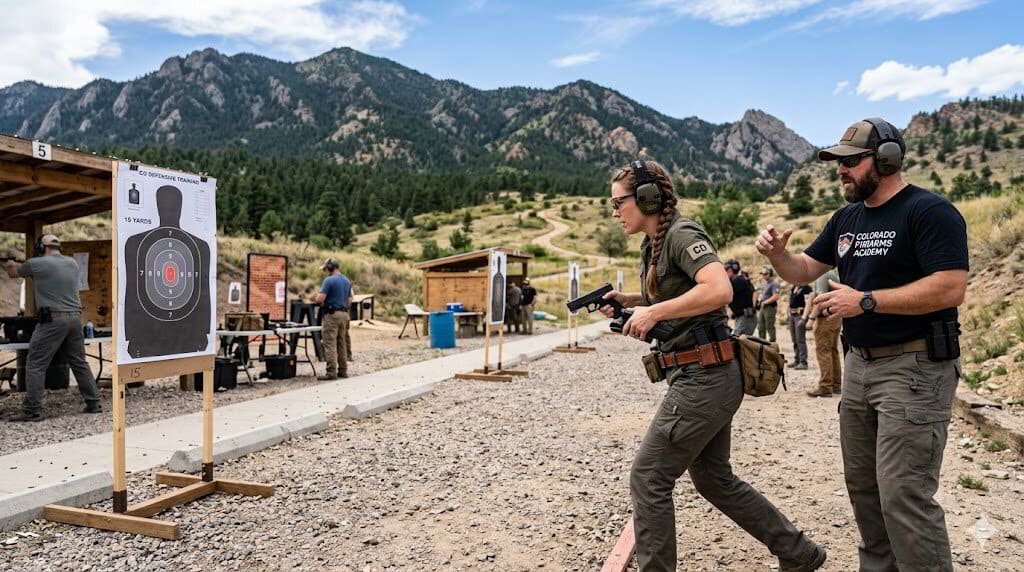
The Ultimate Guide to Defensive Handgun Training in Colorado
In an increasingly uncertain world, mastering defensive handgun training is essential for responsible gun ownership and personal safety. Co…
Read more →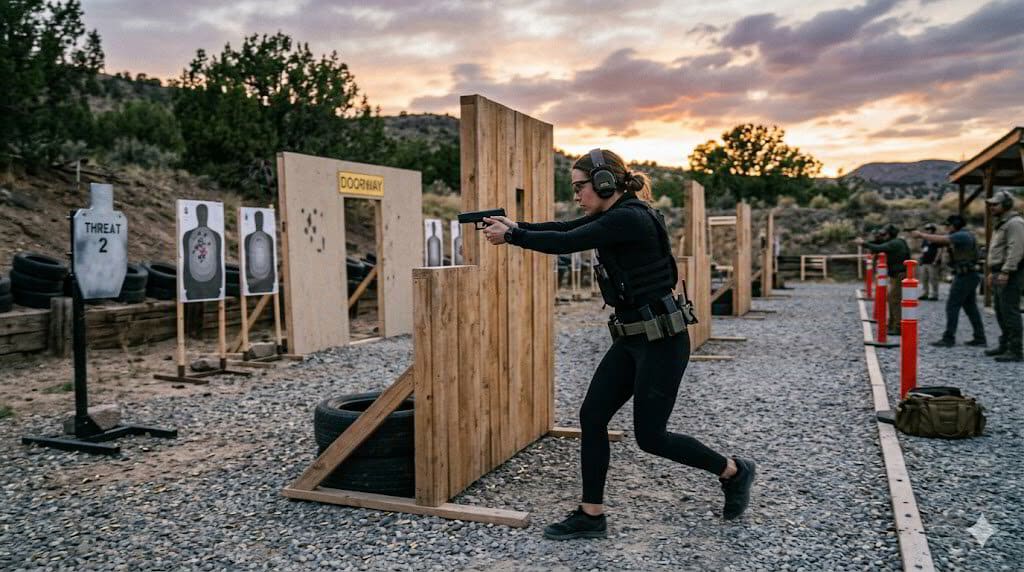
Best Practices for Defensive Handgun Training: A Comprehensive Guide
In a world where personal safety is increasingly vital, mastering defensive handgun training is essential for anyone considering firearm ow…
Read more →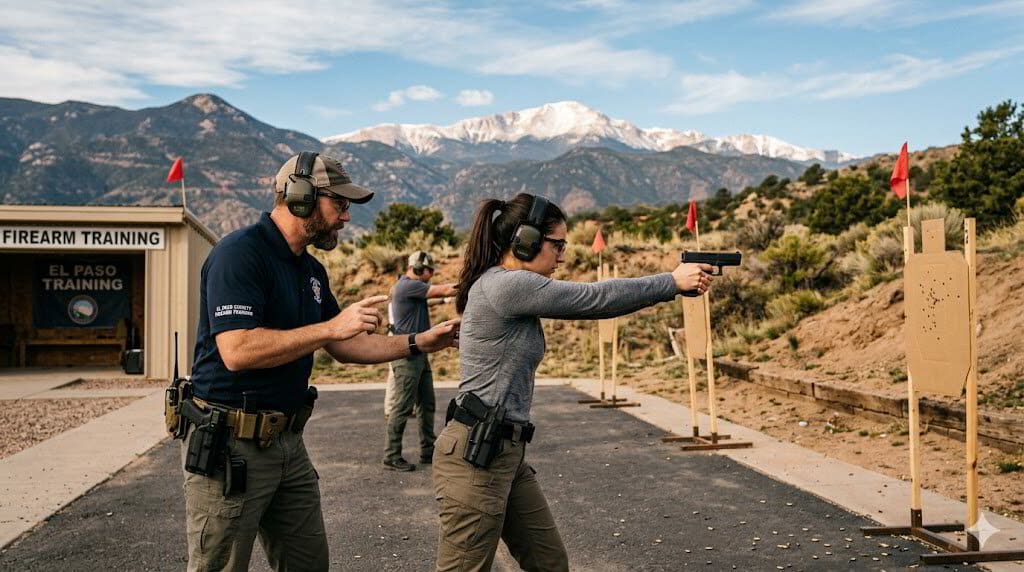
The Ultimate Guide to Firearm Training Courses in El Paso County, Colorado
In an age where firearm safety and education are paramount, Colorado Boots is proud to provide the definitive guide to firearm training cou…
Read more →