
The Ultimate Guide to Defensive Handgun Training in Colorado
December 29, 2026 · Firearm Training / Safety Education / Defensive Shooting
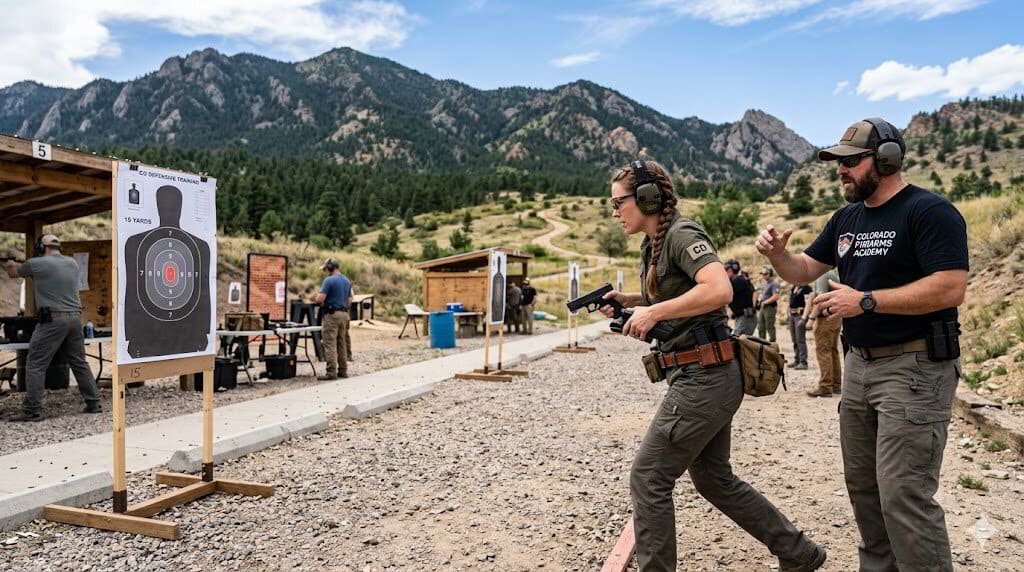
In today's uncertain world, the ability to protect yourself and your loved ones has become increasingly important. Defensive handgun training represents far more than simply learning to shoot accurately—it's about developing the skills, mindset, and legal knowledge necessary to effectively respond to life-threatening situations. Colorado residents have unique advantages when it comes to accessing quality firearms training, thanks to the state's supportive legal framework and abundance of professional instruction opportunities.
Whether you're a complete beginner feeling apprehensive about firearms or an experienced shooter seeking to refine your defensive capabilities, proper training serves as the foundation for responsible gun ownership. The difference between recreational shooting and defensive handgun training lies in the focus on real-world scenarios, stress management, and split-second decision-making under pressure. Colorado Boots Firearms Instruction recognizes this distinction and offers comprehensive defensive training programs designed to build confidence, competence, and legal awareness among Colorado's gun owners, ensuring every student develops the skills necessary to protect themselves while operating within the bounds of state and federal law.
Introduction to Defensive Handgun Training
Defensive handgun training serves as the cornerstone of responsible firearms ownership, particularly for individuals who carry concealed weapons or keep firearms for home protection. Unlike recreational shooting, defensive training focuses specifically on developing skills that may save your life or the lives of others during critical incidents. This specialized instruction emphasizes rapid target acquisition, shooting under stress, and making sound tactical decisions within legal boundaries.
Colorado's firearm laws provide a supportive framework for defensive gun use, including strong Castle Doctrine protections and shall-issue concealed carry licensing. Understanding these legal provisions becomes essential for anyone pursuing defensive handgun training Colorado residents can access through qualified instructors. The state recognizes the right of law-abiding citizens to protect themselves, their families, and their property, making professional training both legally advantageous and practically necessary.
Colorado Boots Firearms Instruction specializes in comprehensive defensive training programs that address every aspect of defensive handgun use. Our courses range from fundamental concealed carry training to advanced tactical shooting techniques, ensuring students receive instruction appropriate to their experience level and defensive needs. We emphasize practical application, legal compliance, and mental preparation, recognizing that defensive shooting situations require more than marksmanship skills. Our professional instructors bring real-world experience to every class, creating learning environments that build confidence while maintaining the highest safety standards throughout all training exercises.
Understanding Defensive Handgun Training
Defensive handgun training encompasses specialized instruction designed to prepare individuals for real-world self-defense scenarios where firearms may be necessary to stop immediate threats. This training differs fundamentally from recreational shooting or competitive marksmanship, focusing instead on developing skills that function effectively under extreme stress and time pressure. Students learn to assess threats quickly, draw from concealment efficiently, and deliver accurate shots while managing adrenaline and fear responses.
The primary distinction between defensive and recreational shooting lies in the mindset and techniques emphasized during instruction. Recreational shooting typically prioritizes precision and consistency under controlled conditions, while defensive training simulates unpredictable, high-stress situations where perfect accuracy matters less than stopping threats quickly. Defensive training incorporates movement, cover utilization, and rapid decision-making, preparing students for scenarios where their lives depend on immediate, effective action.
Benefits of defensive training extend beyond improved shooting skills to include enhanced situational awareness, better stress management, and increased confidence in personal protection capabilities. Students develop muscle memory for critical defensive techniques, ensuring proper responses become automatic during emergencies. Additionally, defensive training provides essential legal education, helping students understand when deadly force is justified and how to interact with law enforcement following defensive gun use. This comprehensive approach creates well-rounded defensive shooters who can protect themselves while avoiding legal complications that often follow defensive incidents.
Choosing the Right Training Course
Selecting appropriate defensive handgun training requires careful consideration of your current skill level, specific goals, and available time commitment. Colorado Boots offers multiple course options designed to meet diverse training needs, from basic concealed carry licensing to advanced tactical shooting techniques. Beginners should start with foundational courses like our Colorado Concealed Carry License Training or Handgun Fundamentals Course, which establish essential safety practices and basic shooting skills before progressing to more complex defensive techniques.
Several factors influence course selection, including prior firearms experience, physical capabilities, and intended defensive applications. Students planning to carry concealed weapons benefit most from courses emphasizing draw techniques, shooting from concealment, and legal aspects of defensive gun use. Those focused on home defense might prioritize training in low-light shooting, movement techniques, and threat identification within confined spaces. Consider your learning style as well—some students thrive in group settings, while others prefer personalized coaching sessions for more intensive, customized instruction.
Course recommendations vary significantly based on experience level. Complete beginners should enroll in our NRA Basic Pistol Course or Handgun Fundamentals Course to establish proper safety habits and basic marksmanship skills. Intermediate shooters benefit from our Advanced Handgun Shooting Techniques course, which introduces defensive shooting concepts while refining fundamental skills. Experienced shooters seeking specialized knowledge should consider our Advanced Pistol Course or Personalized Coaching sessions for customized instruction addressing specific defensive scenarios. Additionally, our Selecting a Handgun Course and Choosing the Holster Course provide essential equipment knowledge that supports effective defensive training, ensuring students understand how gear selection impacts defensive performance and daily carry comfort.
Fundamentals of Defensive Handgun Training
Proper stance and grip form the foundation of all effective defensive shooting techniques. The isosceles stance provides stability and natural pointing ability, positioning the shooter square to the target with feet shoulder-width apart and weight evenly distributed. The Weaver stance offers better recoil control and protection behind cover, with the strong-side foot back and body bladed toward the target. Regardless of stance preference, maintaining consistent grip pressure with approximately 60% pressure from the support hand and 40% from the strong hand ensures optimal recoil management and follow-up shot accuracy.
Sight alignment and trigger control represent critical skills that separate effective defensive shooters from those who struggle under pressure. Proper sight alignment requires centering the front sight within the rear sight notch while maintaining equal light gaps on both sides. Focus should remain on the front sight throughout the shooting process, allowing the target to appear slightly blurred. Trigger control involves using the pad of the index finger to press straight back through the trigger break, maintaining sight alignment throughout the trigger stroke and following through until the trigger resets completely.
Movement techniques distinguish defensive shooting from static range practice, preparing students for real-world encounters where remaining stationary invites disaster. Lateral movement while engaging threats requires maintaining proper shooting stance while stepping sideways, keeping the upper body stable as the legs move independently. Forward and backward movement demands careful balance management to avoid stumbling while maintaining sight alignment. Students practice shooting while moving, shooting after moving to cover, and using movement to create distance from threats. These techniques require extensive practice to develop the coordination necessary for accurate shooting while moving, but they provide essential capabilities for surviving dynamic defensive encounters where mobility often determines outcomes.
Advanced Defensive Shooting Techniques
Tactical shooting principles elevate basic marksmanship skills to address complex defensive scenarios involving multiple threats, limited visibility, and environmental obstacles. These principles include threat prioritization, where shooters learn to identify and engage the most dangerous threats first based on proximity, weapon type, and aggressive behavior. Cover utilization becomes critical, teaching students to maximize protection while maintaining the ability to observe and engage threats effectively. Advanced students learn to distinguish between cover and concealment, understanding that cover stops bullets while concealment only hides your position.
Situational awareness and threat assessment skills enable defensive shooters to identify potential dangers before they become immediate threats. This training emphasizes recognizing pre-attack indicators such as aggressive body language, positioning for ambush, and verbal threats that suggest imminent violence. Students learn to maintain 360-degree awareness while moving through public spaces, identifying potential escape routes and defensive positions. Threat assessment protocols help students determine when deadly force becomes legally justified, preventing both criminal victimization and legal prosecution for inappropriate use of firearms.
Shooting from concealment presents unique challenges that require specialized techniques and equipment considerations. Students practice drawing from various concealment garments including jackets, untucked shirts, and specialty concealment clothing while maintaining muzzle discipline and minimizing draw time. Advanced techniques include shooting through clothing when garments fail to clear properly, one-handed shooting when injury or circumstances prevent two-handed grips, and shooting from unconventional positions such as prone, kneeling, or around barriers. These skills prepare students for real-world defensive encounters where perfect conditions rarely exist, ensuring they can respond effectively regardless of circumstances or positioning when threats materialize.
Selecting the Right Handgun for Defensive Training
Choosing an appropriate defensive handgun requires balancing multiple factors including reliability, accuracy, concealability, and personal comfort. Size considerations significantly impact both carrying comfort and shooting effectiveness, with compact pistols offering better concealment while full-size handguns provide superior accuracy and capacity. Action type preferences vary among shooters, with striker-fired pistols offering simplicity and consistent trigger pulls, while double-action revolvers provide reliability and ease of use for less experienced shooters. Caliber selection should prioritize stopping power while considering recoil management and ammunition availability.
Popular defensive handgun models have earned reputations through extensive testing and real-world performance. The Glock 19 represents an excellent balance of size, capacity, and reliability, making it suitable for both concealed carry and home defense applications. Smith & Wesson M&P Shield pistols offer superior concealment with adequate capacity for most defensive scenarios. For those preferring revolvers, the Smith & Wesson J-frame series provides reliable five-shot capacity in an extremely concealable package. Sig Sauer P320 series pistols offer modularity and excellent ergonomics, while Springfield XD series handguns provide grip safety features appreciated by many defensive shooters.
Holster selection impacts both safety and accessibility, making it equally important as handgun choice for effective defensive preparation. Quality holsters must completely cover the trigger guard, retain the handgun securely during normal activities, and allow smooth, consistent draws under stress. Inside-the-waistband holsters offer superior concealment but require proper belt support and may limit clothing options. Outside-the-waistband holsters provide faster access and greater comfort but require careful concealment consideration. Material choices include leather for comfort and appearance, Kydex for retention and durability, or hybrid designs combining both materials. Professional instruction through courses like our Choosing the Holster Course helps students understand how holster selection affects draw speed, concealment effectiveness, and long-term carrying comfort.
Mental Preparation for Defensive Gun Use
Understanding stress responses and their effects on shooting performance represents a critical component of defensive handgun training that many students overlook. During high-stress encounters, the body's sympathetic nervous system triggers fight-or-flight responses that dramatically impact fine motor skills, visual perception, and decision-making capabilities. Heart rate increases significantly, reducing accuracy and extending reaction times. Tunnel vision occurs, limiting peripheral awareness when threats may approach from multiple directions. Auditory exclusion can prevent hearing verbal commands or approaching dangers, while time distortion affects perception of event duration.
Mental conditioning techniques help defensive shooters maintain effectiveness despite physiological stress responses. Visualization exercises allow students to mentally rehearse defensive scenarios, developing response patterns before encountering real threats. Controlled breathing techniques help manage stress responses during both training and actual encounters, maintaining fine motor control necessary for accurate shooting. Progressive stress training gradually introduces pressure through time limits, physical exertion, and scenario complexity, building tolerance for high-stress performance. These techniques require consistent practice but significantly improve performance when lives depend on effective defensive action.
Developing a personal response plan provides structure for decision-making during chaotic defensive encounters. This plan should address threat recognition, escalation protocols, and post-incident procedures. Students learn to establish personal boundaries for when deadly force becomes necessary, understanding legal requirements while preparing mentally for life-or-death decisions. Response plans include escape route identification, family protection protocols, and communication strategies with law enforcement. Regular review and mental rehearsal of these plans builds confidence and reduces hesitation during critical moments when immediate action determines survival outcomes.
Safety Considerations and Legal Aspects
Firearms safety rules provide the foundation for all defensive training activities and must become automatic responses for every defensive shooter. The four fundamental rules include treating every firearm as loaded, never pointing the muzzle at anything you don't intend to destroy, keeping your finger off the trigger until ready to shoot, and being certain of your target and what lies beyond it. These rules prevent accidents during training and defensive encounters, ensuring that defensive gun use doesn't create additional dangers for innocent people. Advanced safety considerations include proper storage, transportation, and maintenance procedures that support safe defensive gun ownership.
Colorado firearm laws establish the legal framework within which defensive gun use must occur, making legal education essential for all defensive shooters. The state's "Make My Day" law provides strong home defense protections, while concealed carry licensing enables legal defensive gun carry in most public locations. Understanding prohibited areas, reciprocity agreements with other states, and reporting requirements following defensive gun use prevents legal complications that could result in criminal charges despite justified defensive actions. Regular updates on changing legislation ensure continued legal compliance as laws evolve.
Concealed carry regulations in Colorado require proper licensing through approved training courses, background checks, and ongoing legal compliance. Our Colorado Concealed Carry License Training provides comprehensive instruction on legal requirements, application procedures, and ongoing responsibilities for concealed carry permit holders. Students learn about prohibited locations, interaction protocols with law enforcement, and civil liability considerations that accompany concealed carry privileges. Understanding these regulations protects defensive shooters from legal prosecution while ensuring they can exercise their right to self-defense within established legal boundaries.
Conclusion
Defensive handgun training in Colorado offers residents comprehensive opportunities to develop life-saving skills while operating within a supportive legal framework. From fundamental safety practices to advanced tactical techniques, proper training builds the competence and confidence necessary for effective personal protection. The journey from basic marksmanship to defensive proficiency requires dedication, practice, and professional instruction that addresses both technical skills and mental preparation.
Colorado Boots Firearms Instruction provides the expert guidance necessary to navigate this journey successfully, whether you're seeking concealed carry licensing or advanced defensive capabilities. Our comprehensive course offerings ensure every student receives instruction appropriate to their experience level and defensive goals. Professional instruction, combined with Colorado's favorable firearm laws, creates an ideal environment for developing defensive shooting skills that may prove invaluable when facing life-threatening situations.
The investment in quality defensive handgun training extends far beyond improved shooting skills to encompass enhanced personal security, legal protection, and peace of mind. By choosing professional instruction and committing to ongoing skill development, Colorado residents can confidently exercise their right to self-defense while contributing to safer communities through responsible gun ownership.
Ready to begin your defensive handgun training journey? Colorado Boots Firearms Instruction offers comprehensive courses designed for every skill level, from basic concealed carry licensing to advanced tactical shooting techniques. Our professional instructors provide the expert guidance you need to develop effective defensive skills safely and legally. Contact us today at 719-782-8793 or visit https://coloradobootsfirearmsinstruction.com/ to explore our complete course offerings and take the first step toward enhanced personal protection. Don't wait until you need these skills—start building your defensive capabilities today with Colorado's premier firearms training provider.
Tags: defensive handgun training Colorado, handgun self-defense courses, tactical firearm training
Latest Blog & Articles
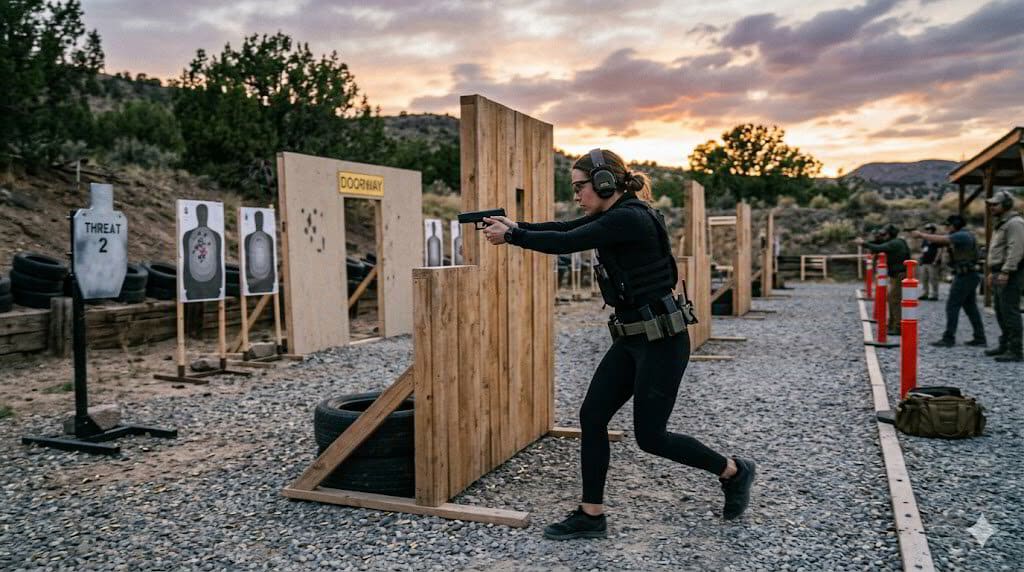
Best Practices for Defensive Handgun Training: A Comprehensive Guide
In a world where personal safety is increasingly vital, mastering defensive handgun training is essential for anyone considering firearm ow…
Read more →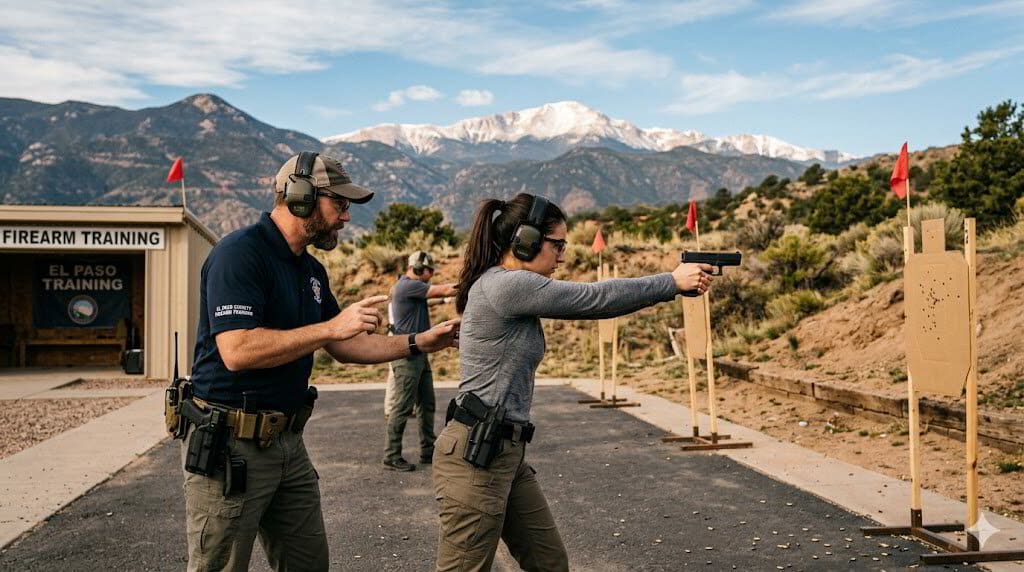
The Ultimate Guide to Firearm Training Courses in El Paso County, Colorado
In an age where firearm safety and education are paramount, Colorado Boots is proud to provide the definitive guide to firearm training cou…
Read more →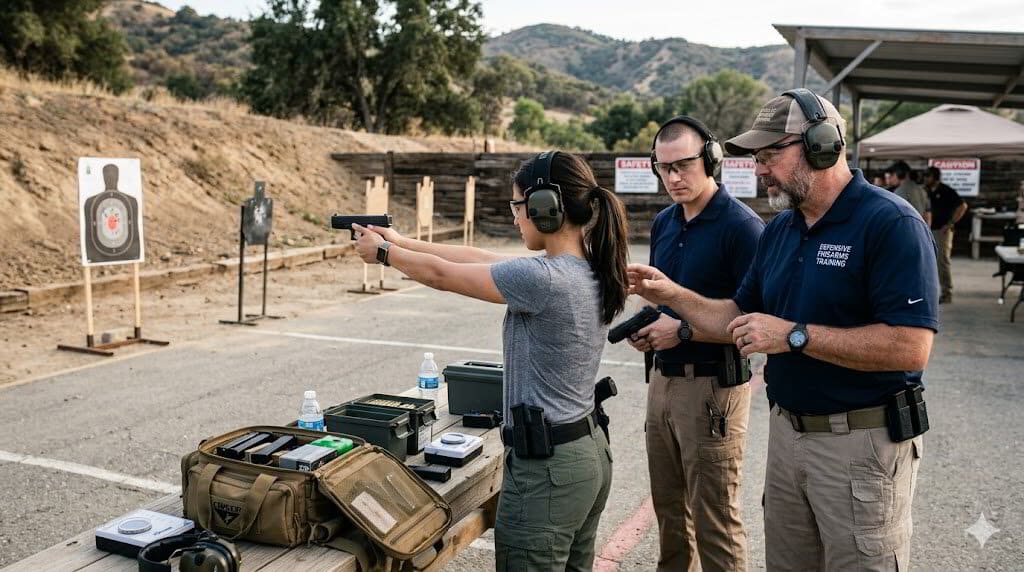
The Ultimate Guide to Defensive Handgun Training for Beginners: Comparing Courses
Embarking on a journey into defensive handgun training is a critical step towards enhancing personal safety and protection. At Colorado Boo…
Read more →