
Best Practices for Defensive Handgun Training: A Comprehensive Guide
December 22, 2026 · Firearm Training / Safety Education / Defensive Shooting
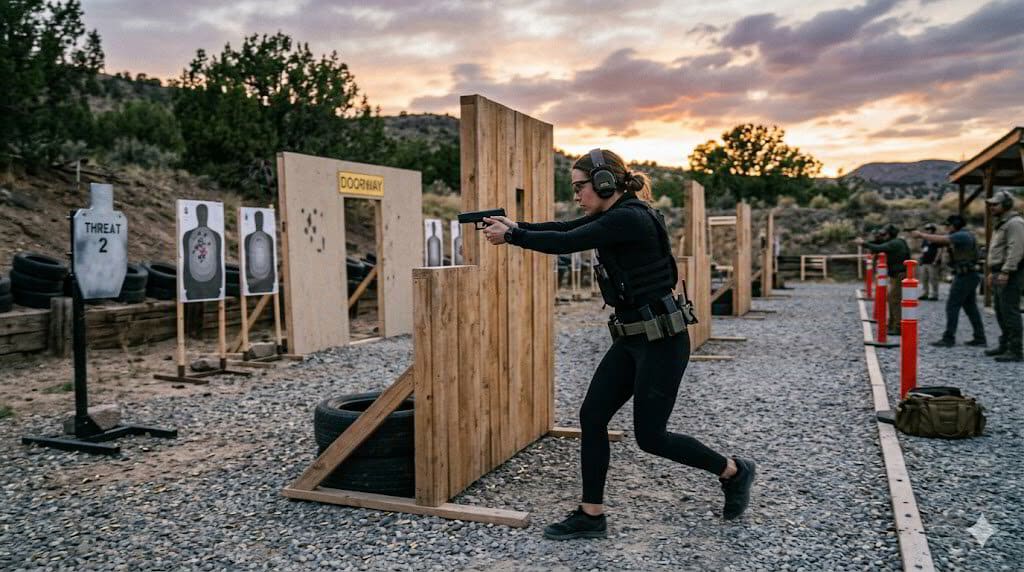
In today's world, personal safety has become a paramount concern for many individuals and families. Whether you're a complete beginner feeling uncertain about firearms or an experienced shooter seeking to refine your defensive capabilities, understanding the best practices for defensive handgun training is essential for developing competence, confidence, and safety. Defensive handgun training goes far beyond simply learning to pull a trigger—it encompasses a comprehensive understanding of firearm safety, legal responsibilities, tactical awareness, and the mental preparation required for effective self-defense.
At Colorado Boots Firearms Instruction, we recognize that every individual's journey with firearms is unique. Our comprehensive training programs cater to beginners who may be timid about handling firearms, intermediate shooters looking to enhance their skills, and advanced practitioners seeking tactical refinement. Through our Colorado Concealed Carry License Training, Handgun Fundamentals Course, and Advanced Handgun Shooting Techniques programs, we provide structured, professional instruction that builds both competence and confidence. This guide will explore the fundamental principles, techniques, and ongoing practices that form the foundation of effective defensive handgun training, ensuring you develop the skills necessary to protect yourself and your loved ones responsibly.
Understanding the Basics of Handgun Safety
Before exploring advanced defensive techniques, establishing a solid foundation in firearm safety guidelines represents the most critical aspect of any training program. The four fundamental rules of firearm safety serve as the cornerstone of responsible gun handling and must become second nature to every defensive shooter.
The first rule—treat every firearm as if it is loaded—requires maintaining constant awareness and respect for your weapon. This mindset prevents complacency and ensures proper handling procedures regardless of circumstances. The second rule mandates never pointing the muzzle at anything you don't intend to destroy, emphasizing the importance of muzzle awareness in all situations. The third rule requires keeping your finger off the trigger until ready to shoot, preventing accidental discharges during high-stress scenarios. Finally, the fourth rule demands being certain of your target and what lies beyond it, crucial for preventing unintended harm in defensive situations.
Proper safety equipment forms another essential component of defensive training. Quality eye and ear protection prevents injury during practice sessions, while appropriate clothing ensures comfort and safety during extended training periods. The training environment itself must meet strict safety standards, featuring proper backstops, clear firing lines, and adequate lighting for safe weapon handling.
Developing muscle memory for safe weapon handling requires consistent practice and reinforcement. Every draw, reload, and holstering procedure must incorporate these safety principles until they become automatic responses. Professional instruction through programs like our NRA Basic Pistol Course ensures these fundamentals are properly established from the beginning, preventing the development of dangerous habits that can be difficult to correct later.
Regular safety refreshers and ongoing education help maintain these critical skills throughout your defensive training journey. Even experienced shooters benefit from periodic review of safety protocols, as complacency represents one of the greatest threats to safe firearm handling. At Colorado Boots, our instructors emphasize safety in every aspect of training, ensuring students develop the disciplined mindset essential for responsible defensive firearm use.
Core Principles of Defensive Handgun Use
Defensive handgun use extends far beyond marksmanship skills, encompassing a comprehensive understanding of situational awareness, threat assessment, and legal responsibilities. These core principles form the foundation of effective self-defense firearm training and distinguish defensive shooting from recreational target practice.
Situational awareness represents the first line of defense in any potential threat scenario. This involves developing the ability to observe and assess your environment continuously, identifying potential threats before they escalate into dangerous situations. Effective situational awareness includes understanding normal behavioral patterns in various environments, recognizing pre-attack indicators, and maintaining appropriate positioning to maximize your tactical advantages while minimizing vulnerabilities.
The development of situational awareness requires practice and mental conditioning. Training exercises that incorporate environmental scanning, threat identification, and decision-making under pressure help build these critical skills. Our Advanced Handgun Shooting Techniques course incorporates scenario-based training that challenges students to maintain awareness while executing defensive techniques.
De-escalation techniques represent another crucial component of defensive training. The ability to defuse potentially violent situations through verbal communication, body language, and tactical positioning can prevent the need for defensive firearm use entirely. Understanding how to project confidence without appearing aggressive, maintaining safe distances, and using verbal commands effectively can significantly impact the outcome of threatening encounters.
Legal responsibilities surrounding defensive firearm use vary by jurisdiction but generally require understanding concepts such as imminent threat, proportional response, and duty to retreat where applicable. Colorado's specific laws regarding concealed carry, self-defense, and use of force must be thoroughly understood by anyone carrying a defensive handgun. Our Colorado Concealed Carry License Training provides comprehensive coverage of these legal requirements, ensuring students understand both their rights and responsibilities.
The decision-making process in defensive situations requires split-second assessments of threat level, available options, and potential consequences. Training that incorporates stress inoculation, decision-making exercises, and scenario-based practice helps develop the mental framework necessary for making appropriate choices under pressure. This mental preparation proves just as important as physical shooting skills in real-world defensive situations.
Documentation and aftermath procedures following any defensive encounter require advance preparation and understanding. Knowing how to interact with law enforcement, preserve evidence, and protect your legal interests can significantly impact the outcome of any defensive situation. Professional training ensures you're prepared for all aspects of defensive firearm use, not just the shooting component.
Selecting the Right Handgun for Defense
Choosing an appropriate defensive handgun involves evaluating multiple factors including reliability, ergonomics, capacity, and concealability. The selection process requires balancing these competing priorities based on individual needs, physical capabilities, and intended use scenarios. Understanding these criteria enables informed decision-making that supports effective defensive training and carry.
Reliability stands as the most critical factor in defensive handgun selection. A defensive weapon must function flawlessly under stress, in adverse conditions, and with minimal maintenance. This reliability requirement typically favors established manufacturers with proven track records and simpler operating systems that reduce potential failure points. Semi-automatic pistols and revolvers each offer distinct advantages in terms of reliability, capacity, and ease of use.
Ergonomics significantly impact shooting accuracy, comfort, and control during defensive encounters. Proper grip size ensures secure weapon retention and optimal trigger finger placement, while appropriate sight radius and sight picture enhance accuracy under stress. The weapon's weight and balance affect both carrying comfort and shooting control, requiring careful consideration of individual physical characteristics and preferences.
Capacity considerations involve balancing ammunition availability against weapon size and weight constraints. Higher capacity magazines provide more ammunition for extended encounters but increase weapon bulk and weight. The trade-off between capacity and concealability must align with individual threat assessments and carrying requirements.
Concealed carry considerations add another layer of complexity to handgun selection. The weapon must remain effectively concealed while remaining quickly accessible when needed. Factors such as barrel length, overall dimensions, and grip size all impact concealability and drawing characteristics. Our Selecting a Handgun Course provides hands-on experience with various platforms, helping students make informed decisions based on actual handling and shooting experience.
Ammunition selection represents another critical aspect of defensive handgun setup. Defensive ammunition must provide reliable expansion, adequate penetration, and consistent performance across various conditions. Understanding ballistic characteristics and their implications for defensive effectiveness helps optimize weapon performance for self-defense applications.
Accessories and modifications can enhance defensive effectiveness but must be carefully selected and tested. Night sights improve low-light accuracy, while trigger modifications can enhance precision and control. However, any modifications must maintain reliability while potentially facing legal scrutiny following a defensive encounter. Professional guidance ensures modifications support rather than compromise defensive effectiveness.
Best Practices for Defensive Handgun Training
Implementing effective best practices for defensive handgun training requires a structured approach that combines regular practice, progressive skill development, and realistic scenario preparation. These practices form the foundation of competent defensive shooting and must be consistently applied throughout your training journey.
Regular practice sessions represent the cornerstone of defensive proficiency. Consistent training schedules, typically involving weekly range sessions combined with daily dry-fire practice, help maintain and improve essential skills. Practice sessions should incorporate fundamental marksmanship, drawing techniques, reload procedures, and malfunction clearances. The frequency and intensity of practice directly correlate with skill retention and performance under stress.
Live-fire training provides essential feedback for accuracy, recoil management, and weapon handling skills. Structured drills focusing on specific aspects of defensive shooting help identify weaknesses and track improvement over time. Progressive training programs begin with basic marksmanship at close distances and gradually incorporate movement, multiple targets, and time constraints that simulate defensive scenarios.
Dry-fire practice techniques allow extensive skill development without ammunition costs or range time requirements. These exercises focus on trigger control, sight alignment, drawing mechanics, and target acquisition. Modern training aids such as laser training systems provide immediate feedback for dry-fire practice, enhancing the effectiveness of home training sessions. Our Handgun Fundamentals Course teaches proper dry-fire techniques that students can safely practice at home.
Mental training and visualization exercises prepare the mind for defensive encounters through scenario rehearsal and stress inoculation. Visualization techniques help develop decision-making skills, tactical awareness, and emotional control under pressure. Mental preparation includes studying criminal attack patterns, reviewing defensive case studies, and rehearsing appropriate responses to various threat scenarios.
Progressive skill development follows a logical sequence from basic marksmanship through advanced tactical applications. Beginning shooters focus on fundamental skills such as grip, stance, sight alignment, and trigger control. Intermediate students incorporate drawing, reloading, and movement into their training regimen. Advanced practitioners work on complex scenarios involving multiple threats, low-light conditions, and stress-inducing factors.
Training documentation helps track progress, identify improvement areas, and maintain motivation throughout the learning process. Recording practice sessions, drill times, and accuracy results provides objective feedback for skill development. Regular assessment against established standards helps ensure training effectiveness and identifies areas requiring additional focus.
Incorporating realistic training scenarios bridges the gap between range practice and real-world application. Scenario-based training introduces decision-making elements, stress factors, and environmental variables that more closely simulate defensive encounters. This training helps develop the judgment and tactical awareness essential for effective self-defense while highlighting the importance of situational awareness and threat assessment skills.
Defensive Shooting Techniques for Different Scenarios
Mastering defensive shooting techniques requires understanding how to adapt fundamental skills to various tactical scenarios and environmental conditions. These handgun shooting techniques must be practiced and refined through progressive training that simulates real-world defensive encounters.
Shooting positions and stances form the foundation of accurate defensive fire. The isosceles stance provides stability and natural pointing characteristics, making it ideal for new shooters and close-range encounters. The Weaver stance offers better recoil control and protection of vital areas, particularly beneficial for experienced shooters and longer-range engagements. The modern tactical stance combines elements of both, providing versatility for various scenarios while maintaining weapon retention capabilities.
Unconventional shooting positions become necessary when cover requirements or space limitations prevent standard stance adoption. Shooting from behind cover, from seated or prone positions, and with non-dominant hands requires specific training and practice. These positions often compromise accuracy and control, requiring modified techniques and closer engagement distances to maintain effectiveness.
Response time development involves reducing the time required to recognize threats, draw weapons, and deliver accurate fire. This capability requires extensive practice of drawing techniques, target acquisition, and sight alignment procedures. Progressive training begins with slow, deliberate movements that emphasize proper technique, gradually increasing speed while maintaining accuracy standards.
Movement during defensive encounters serves multiple purposes including seeking cover, improving tactical position, and disrupting attacker targeting. Shooting while moving requires modified stance and grip techniques that maintain weapon control while allowing rapid displacement. Lateral movement, advancing, and retreating each present unique challenges that must be addressed through specific training protocols.
Cover and concealment strategies represent critical survival skills that complement marksmanship abilities. Understanding the difference between cover (which stops bullets) and concealment (which only hides) helps guide tactical decision-making during encounters. Proper use of cover involves minimizing exposure while maintaining the ability to observe and engage threats effectively.
Low-light shooting techniques address the reality that many defensive encounters occur in reduced lighting conditions. These situations require modified sight picture techniques, flashlight integration, and target identification procedures. Point shooting or instinctive shooting methods become more important when traditional sight alignment proves difficult or impossible.
Multiple threat scenarios require rapid target transition, threat prioritization, and ammunition management skills. Training for these situations involves engaging multiple targets in appropriate sequence while maintaining awareness of additional threats. These complex scenarios demand high levels of skill and judgment that develop only through extensive practice and professional instruction available through our Advanced Pistol Course.
Continuing Education and Advanced Training Opportunities
Professional development in defensive handgun skills requires ongoing education and advanced training that builds upon fundamental competencies. This commitment to continuous improvement ensures skills remain sharp while adapting to evolving threats and tactical developments.
Advanced handgun courses provide structured progression beyond basic defensive skills. Our Advanced Handgun Shooting Techniques program introduces complex scenarios, advanced marksmanship techniques, and tactical applications that challenge experienced shooters. These courses incorporate low-light shooting, movement techniques, and stress-inducing scenarios that more closely simulate real-world encounters.
Specialized training programs address specific aspects of defensive shooting that require focused attention. Courses covering topics such as holster selection, ammunition performance, and legal considerations provide depth beyond general defensive training. Our Choosing the Holster Course, for example, addresses the critical relationship between equipment selection and defensive effectiveness.
Personalized coaching through one-on-one sessions offers customized instruction that addresses individual strengths, weaknesses, and specific goals. This individualized approach allows instructors to tailor training programs to student needs while providing immediate feedback for skill development. Personal coaching proves particularly beneficial for addressing specific deficiencies or preparing for advanced training programs.
Competitive shooting sports provide additional opportunities for skill development while introducing performance pressure that simulates stress factors present in defensive encounters. Practical shooting competitions emphasize speed, accuracy, and decision-making skills that directly transfer to defensive applications. Regular competition participation helps maintain proficiency while providing objective performance measurements.
Professional instructor development represents the ultimate expression of defensive shooting expertise. Teaching others requires deep understanding of fundamental principles, safety protocols, and effective training methodologies. Instructor certification programs provide advanced education while contributing to the broader firearms training community.
Industry developments in training techniques, equipment, and legal considerations require ongoing education to maintain current knowledge. Attending seminars, reading professional publications, and participating in training conferences helps ensure awareness of evolving best practices and emerging threats. This commitment to lifelong learning distinguishes serious defensive practitioners from casual shooters.
Conclusion and Resources
Mastering the best practices for defensive handgun training represents a significant commitment that extends far beyond basic marksmanship skills. The comprehensive approach outlined in this guide emphasizes the integration of safety protocols, legal understanding, equipment selection, and progressive skill development that together create competent defensive capabilities.
The journey from novice to competent defensive shooter requires dedication, professional instruction, and consistent practice. Whether you're beginning with our Handgun Fundamentals Course or advancing through our specialized programs, the key lies in building solid foundations while continuously challenging yourself through progressive training. The mental aspects of defensive training—situational awareness, decision-making, and stress management—prove just as important as physical shooting skills and require equal attention and practice.
Professional instruction provides the guidance, safety oversight, and structured progression necessary for effective skill development. At Colorado Boots Firearms Instruction, our comprehensive programs address every aspect of defensive handgun training, from basic safety through advanced tactical applications. Our experienced instructors understand that each student brings unique backgrounds, goals, and learning styles that require individualized attention and encouragement.
The responsibility of defensive firearm ownership extends beyond personal protection to include community safety, legal compliance, and ethical decision-making. Proper training ensures these responsibilities are understood and taken seriously by all defensive handgun carriers. The investment in professional training pays dividends in confidence, competence, and peace of mind that comes from knowing you're prepared to protect yourself and your loved ones effectively and responsibly.
Ready to begin or advance your defensive handgun training journey? Contact Colorado Boots Firearms Instruction today at 719-782-8793 to discuss our comprehensive training programs. Whether you're interested in concealed carry licensing, fundamental handgun skills, or advanced defensive techniques, our professional instructors are ready to help you develop the confidence and competence necessary for responsible defensive firearm use. Visit https://coloradobootsfirearmsinstruction.com/ to explore our full range of courses and schedule your training today.
Tags: defensive handgun training tips, handgun self-defense practice, tactical shooting fundamentals
Latest Blog & Articles
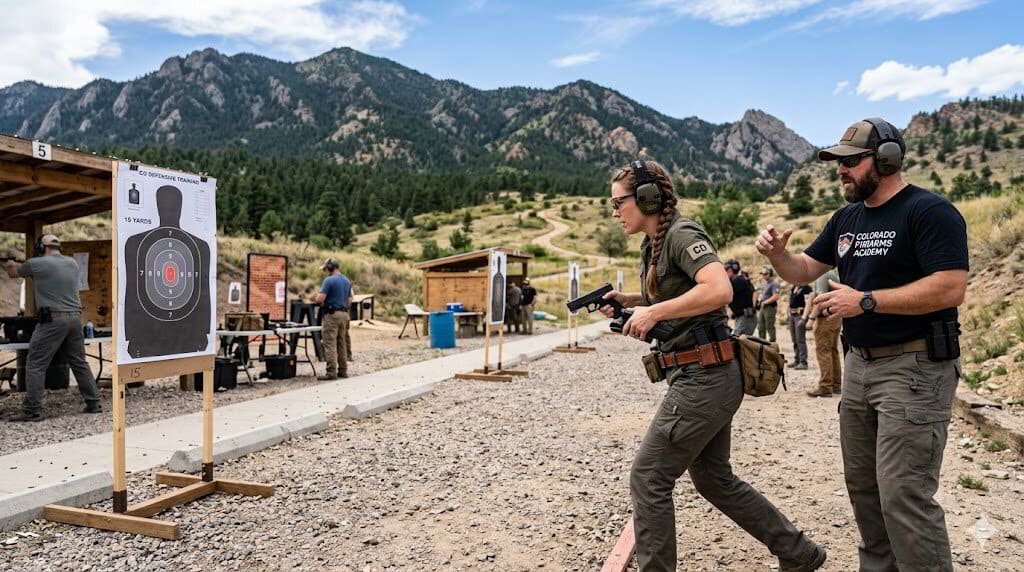
The Ultimate Guide to Defensive Handgun Training in Colorado
In an increasingly uncertain world, mastering defensive handgun training is essential for responsible gun ownership and personal safety. Co…
Read more →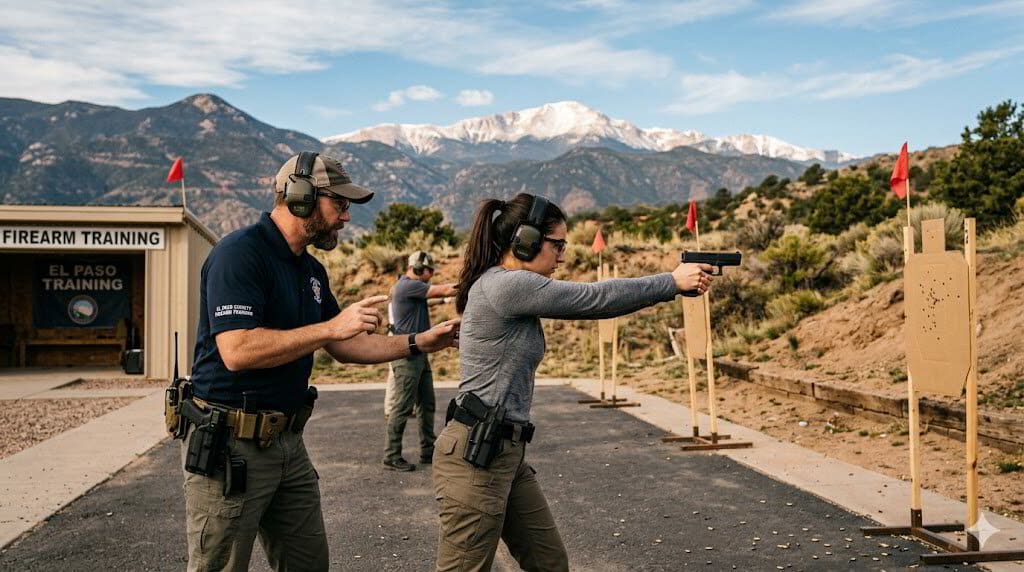
The Ultimate Guide to Firearm Training Courses in El Paso County, Colorado
In an age where firearm safety and education are paramount, Colorado Boots is proud to provide the definitive guide to firearm training cou…
Read more →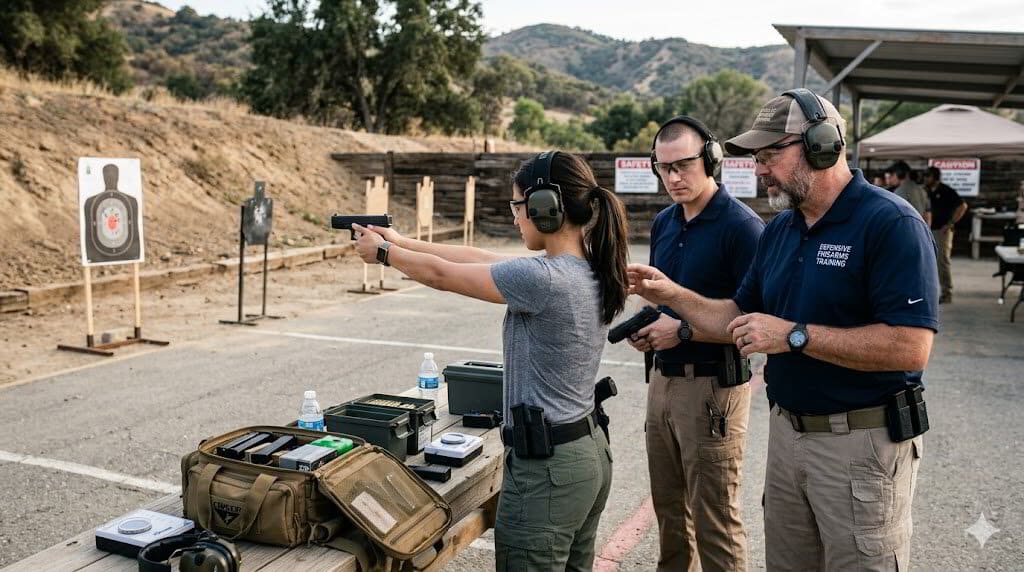
The Ultimate Guide to Defensive Handgun Training for Beginners: Comparing Courses
Embarking on a journey into defensive handgun training is a critical step towards enhancing personal safety and protection. At Colorado Boo…
Read more →