
The Ultimate Guide to Firearm Training Courses in El Paso County, Colorado
December 15, 2026 · Firearm Training / Safety Education / Local Training Courses
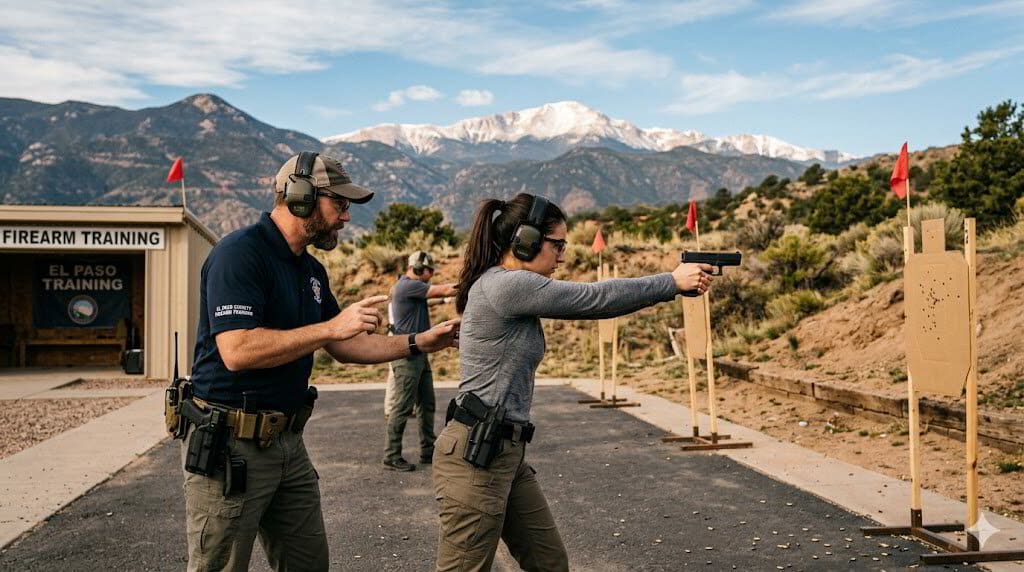
Whether you're a complete beginner stepping into the world of firearms for the first time or an experienced shooter looking to refine your skills, proper training forms the foundation of responsible firearm ownership. In El Paso County, Colorado, the landscape of firearm education has evolved to meet the diverse needs of gun owners, from those seeking concealed carry permits to individuals pursuing advanced tactical training.
The importance of structured firearm education cannot be overstated in today's environment. Professional instruction provides the critical knowledge needed to handle firearms safely, understand legal responsibilities, and develop the confidence necessary for effective self-defense. El Paso County offers a comprehensive range of training opportunities that cater to every skill level and specific interest area.
Firearm training courses in El Paso County Colorado have gained recognition for their thorough approach to education, combining classroom instruction with hands-on practical experience. These programs address fundamental safety protocols, legal compliance requirements, and technical skill development in a controlled, supportive environment. The result is well-prepared individuals who understand both the responsibilities and capabilities that come with firearm ownership.
This comprehensive guide will explore the various training options available, helping you navigate the selection process and understand what to expect from professional firearm instruction in El Paso County.
Introduction to Firearm Training Courses
The foundation of responsible firearm ownership begins with proper education and training. In El Paso County, Colorado, the commitment to comprehensive firearm education has created a robust training environment that serves individuals across all experience levels. Professional firearm training courses El Paso County Colorado offer structured learning experiences that prioritize safety, legal compliance, and skill development.
Proper firearm training extends far beyond basic handling techniques. It encompasses understanding state and federal laws, developing muscle memory for safe practices, and building the confidence necessary to make sound decisions under pressure. The training landscape in El Paso County recognizes these multifaceted requirements and has developed programs that address each aspect thoroughly.
The benefits of professional instruction become apparent immediately. Trained instructors provide personalized feedback, correct improper techniques before they become habits, and create learning environments where students can ask questions without judgment. This approach is particularly valuable for new firearm owners who may feel overwhelmed by the technical and legal aspects of gun ownership.
El Paso County's training offerings have evolved to meet the diverse needs of Colorado residents. From basic safety courses designed for complete beginners to advanced tactical training for experienced shooters, the available programs ensure that every individual can find appropriate instruction. This comprehensive approach has made El Paso County a destination for quality firearm education throughout the region.
Types of Firearm Training Courses Available
The diversity of firearm courses Colorado offers ensures that every individual can find training that matches their specific needs and goals. Understanding the various options available helps prospective students make informed decisions about their educational journey.
Colorado Concealed Carry License Training
The Colorado Concealed Carry License Training represents one of the most popular programs for residents seeking legal concealed carry privileges. This comprehensive course covers state-specific laws, use of force regulations, and practical application scenarios. Students learn about reciprocity agreements with other states, proper documentation requirements, and the legal responsibilities that accompany concealed carry privileges.
The curriculum includes detailed instruction on Colorado Revised Statutes, particularly those governing self-defense situations. Participants explore case studies that illustrate proper and improper use of concealed weapons, helping them understand the legal implications of their decisions. The course also addresses storage requirements, transportation laws, and locations where concealed carry is prohibited.
Practical components include safe drawing techniques, proper holster selection, and situational awareness training. Students practice these skills in controlled environments, building the confidence necessary for real-world application. The training emphasizes de-escalation techniques and the importance of avoiding confrontational situations whenever possible.
Handgun Fundamentals Course
The Handgun Fundamentals Course serves as an ideal entry point for individuals new to handgun ownership or those seeking to refresh their basic skills. This program covers essential safety protocols, proper grip techniques, sight alignment, and trigger control. Students learn about different handgun types, their mechanisms, and appropriate applications for various scenarios.
Safety instruction forms the cornerstone of this course, with emphasis on the fundamental rules of firearm handling. Participants practice loading and unloading procedures, proper muzzle control, and range safety protocols. The curriculum includes detailed instruction on ammunition types, storage requirements, and maintenance procedures.
Marksmanship instruction begins with basic stance and grip fundamentals, progressing through sight picture development and trigger control techniques. Students receive individualized coaching to address specific challenges and develop proper shooting form. The course concludes with practical exercises that demonstrate competency in safe handling and basic accuracy.
Advanced Handgun Shooting Techniques
For experienced shooters seeking to elevate their skills, advanced pistol training programs offer sophisticated instruction in tactical shooting techniques. These courses build upon fundamental skills, introducing rapid-fire techniques, multiple target engagement, and shooting from various positions and distances.
Advanced training includes instruction on combat reloading techniques, malfunction clearance procedures, and shooting under stress conditions. Students learn to engage targets while moving, shoot from behind cover, and make rapid sight acquisments. The curriculum addresses low-light shooting techniques, including proper use of weapon-mounted lights and flashlight techniques.
Tactical scenarios form a significant component of advanced training, with students navigating realistic situations that test their decision-making abilities under pressure. These exercises emphasize proper target identification, threat assessment, and appropriate use of force considerations. The training develops both technical skills and tactical mindset necessary for advanced applications.
NRA Basic Pistol Course
NRA courses Colorado provides follow nationally recognized standards for firearm education, ensuring consistent quality and comprehensive coverage of essential topics. The NRA Basic Pistol Course introduces students to pistol shooting fundamentals through a structured curriculum developed by firearms education experts.
This program covers pistol types and operation, ammunition selection, safety procedures, and shooting fundamentals. Students learn about different action types, including single-action, double-action, and striker-fired mechanisms. The curriculum includes detailed instruction on sight types, trigger systems, and safety mechanisms found on modern pistols.
Live-fire instruction emphasizes proper shooting stance, grip, sight alignment, and trigger control. Students practice these techniques under close supervision, receiving immediate feedback to ensure proper form development. The course concludes with a practical exercise demonstrating safe handling and basic marksmanship skills.
Intro to Rifle Course
Rifle training introduces students to long-gun platforms, covering bolt-action, semi-automatic, and lever-action systems. This course addresses the fundamental differences between rifle and pistol shooting, including sight systems, shooting positions, and range considerations. Students learn about various cartridge types and their appropriate applications.
Safety instruction emphasizes the unique considerations associated with rifle shooting, including increased range requirements and backstop considerations. The curriculum covers proper rifle handling techniques, loading and unloading procedures, and safe transportation methods. Students practice these procedures extensively before moving to live-fire exercises.
Marksmanship instruction begins with supported shooting positions, progressing through standing, kneeling, and prone positions. Students learn to use shooting rests effectively and develop natural point of aim techniques. The course includes instruction on scope use, iron sight systems, and range estimation techniques.
Kids Firearm Safety Class
Gun safety training Colorado extends to younger participants through specially designed programs that emphasize safety awareness and responsible attitudes toward firearms. These courses use age-appropriate instruction methods to teach fundamental safety concepts without hands-on firearm handling.
The curriculum focuses on the basic safety rules, proper responses when encountering firearms, and the importance of adult supervision. Students learn to identify different firearm types and understand their potential dangers. The program emphasizes the difference between real firearms and toy guns, helping children develop appropriate responses to each.
Interactive demonstrations and educational materials make safety concepts accessible to young learners. The course includes role-playing exercises where children practice proper responses to various scenarios. Parents receive guidance on continuing safety education at home and securing firearms appropriately.
Personalized Coaching and One-on-One Sessions
Individual instruction provides the ultimate in personalized firearm education, allowing instructors to focus entirely on specific student needs and goals. These sessions offer flexibility in curriculum design, pace of instruction, and skill development focus areas.
Personalized coaching begins with comprehensive assessment of current skill levels and identification of specific improvement areas. Instructors develop customized training plans that address individual challenges and build upon existing strengths. This approach proves particularly valuable for students with specific learning needs or those preparing for competitive shooting events.
One-on-one sessions allow for immediate feedback and correction, accelerating skill development significantly. Students can focus on specific techniques without the distractions present in group settings. The individualized attention ensures that safety protocols are thoroughly understood and properly implemented.
Choosing the Right Course for You
Selecting appropriate gun training El Paso County requires careful consideration of your current skill level, personal goals, and available time commitment. The decision-making process becomes more straightforward when you understand the various factors that influence course selection.
Assessing Your Current Skill Level
Honest evaluation of your current abilities forms the foundation for appropriate course selection. Beginners should prioritize fundamental safety training and basic handling skills before advancing to more complex techniques. Those with some experience might benefit from intermediate courses that build upon existing knowledge while addressing specific skill gaps.
Consider your comfort level with firearms when evaluating skill level. Some individuals may have theoretical knowledge but lack practical experience, while others might have informal training that needs professional refinement. Previous military or law enforcement experience provides valuable background but may require updating to current civilian standards and legal requirements.
Understanding Personal Goals
Your objectives for firearm training significantly influence course selection. Those seeking concealed carry permits require specific legal education and practical skills training. Recreational shooters might prioritize marksmanship development and various shooting disciplines. Self-defense focused individuals need training that emphasizes situational awareness and defensive tactics.
Competition shooting goals require specialized training in specific disciplines such as precision pistol, practical shooting, or three-gun competition. Hunting applications benefit from courses that emphasize field shooting positions, range estimation, and ethical shot placement. Professional applications may require advanced tactical training and ongoing skill maintenance programs.
Tips for Selecting a Course
Research course curricula thoroughly to ensure alignment with your goals and skill level. Look for programs that provide clear learning objectives and measurable outcomes. Consider the instructor qualifications and teaching experience, particularly in areas relevant to your interests. Class size affects the amount of individual attention available, with smaller groups generally providing more personalized instruction.
Practical considerations include scheduling flexibility, location convenience, and equipment requirements. Some courses provide all necessary equipment, while others require students to bring their own firearms and ammunition. Consider the total investment including course fees, equipment costs, and ongoing practice expenses when making your decision.
Benefits of Professional Firearm Training
Professional instruction provides numerous advantages over self-taught or informal training methods. The structured approach ensures comprehensive coverage of essential topics while providing expert guidance throughout the learning process.
Safety and Legal Compliance
Professional instructors emphasize safety protocols consistently, helping students develop proper habits from the beginning. This foundation prevents the formation of dangerous practices that can be difficult to correct later. Instructors provide current information about state and federal laws, ensuring students understand their legal responsibilities and limitations.
Legal compliance extends beyond basic regulations to include understanding use of force laws, storage requirements, and transportation regulations. Professional training addresses these complex topics thoroughly, helping students avoid inadvertent violations that could result in serious legal consequences.
Skill Enhancement
Structured instruction accelerates skill development through proven teaching methods and immediate feedback. Professional instructors identify and correct technical errors quickly, preventing the reinforcement of improper techniques. The progressive curriculum builds skills systematically, ensuring solid foundations before advancing to more complex techniques.
Building Confidence
Proper training builds genuine confidence based on demonstrated competency rather than false bravado. Students develop realistic assessments of their abilities and limitations through professional evaluation and feedback. This confidence translates into better decision-making and more effective performance under stress.
Networking Opportunities
Training courses provide opportunities to connect with other responsible firearm owners who share similar interests and values. These relationships often lead to ongoing practice partnerships, information sharing, and continued learning opportunities. The firearm community benefits from these connections through improved overall safety and skill levels.
What to Expect During a Firearm Training Course
Understanding the typical structure and components of professional firearm training helps students prepare effectively and maximize their learning experience.
Classroom Instruction
Most comprehensive courses begin with classroom sessions covering theoretical concepts, legal requirements, and safety protocols. These sessions provide essential background information before moving to practical applications. Students learn through lectures, discussions, and interactive exercises that reinforce key concepts.
Classroom time includes review of course materials, examination of equipment, and discussion of real-world scenarios. Students have opportunities to ask questions and clarify concepts before moving to hands-on activities. This foundation ensures that all participants understand essential concepts before handling firearms.
Hands-on Training
Practical instruction begins with safe handling exercises using unloaded firearms. Students practice basic manipulations, loading and unloading procedures, and safety protocols under close supervision. This progression builds confidence and competency before introducing live ammunition.
Live-fire exercises start with basic marksmanship development and progress according to course objectives. Instructors provide individual coaching and immediate feedback to help students improve their technique. Safety remains the primary focus throughout all practical exercises.
Evaluation Methods
Most courses include both written and practical evaluations to ensure student competency. Written tests cover legal requirements, safety protocols, and theoretical concepts. Practical evaluations demonstrate safe handling skills and basic marksmanship ability.
Evaluation criteria are clearly defined and explained to students at the beginning of each course. Instructors provide feedback throughout the training process, helping students understand their progress and areas needing improvement. Successful completion typically results in certificates or other credentials recognizing achievement.
Booking Your Firearm Training Course
The registration process for firearm training courses El Paso County Colorado typically involves several steps designed to ensure appropriate course placement and student preparation.
Registration Process
Most training providers offer online registration systems that allow students to review course descriptions, schedules, and requirements before enrolling. The registration process typically requires basic personal information, emergency contacts, and acknowledgment of course requirements and safety protocols.
Some courses have prerequisites or require documentation of previous training. Advanced courses may require demonstration of basic skills or completion of fundamental training programs. Students should review these requirements carefully before registering to ensure they meet all qualifications.
What to Bring
Course requirements vary depending on the specific program and training provider. Basic courses typically provide all necessary firearms and equipment, while advanced training may require students to bring their own gear. Students should receive detailed equipment lists upon registration.
Common items include eye and ear protection, comfortable clothing suitable for outdoor activities, and note-taking materials. Some courses require specific documentation such as identification, proof of residency, or previous training certificates. Students should verify requirements with their training provider before attending.
Cost Considerations
Training costs vary significantly based on course length, complexity, and included services. Basic safety courses are typically more affordable than advanced tactical training programs. Students should consider the total investment including course fees, equipment costs, and ongoing practice expenses.
Many training providers offer package deals for multiple courses or group discounts for families or organizations. Payment options may include installment plans or corporate billing arrangements. Students should discuss payment options with training providers to find arrangements that meet their needs.
FAQs About Firearm Training in El Paso County
Common Questions About Training
Q: Do I need to own a firearm to take training courses?
Most basic courses provide firearms and equipment for student use, making ownership unnecessary for initial training. However, advanced courses often require students to bring their own equipment to ensure familiarity with their specific firearms.
Q: How long do courses typically last?
Course duration varies significantly based on content and objectives. Basic safety courses might last 4-8 hours, while comprehensive concealed carry training could span multiple days. Advanced tactical courses may require several weekends or intensive week-long programs.
Q: What age restrictions apply to firearm training?
Age requirements vary by course type and training provider. Youth safety courses typically accept participants as young as 8-10 years old with parental supervision. Adult courses generally require participants to be 18 or older, though some accept 16-17 year olds with parental consent.
Legal Considerations
Colorado state law requires concealed carry permit applicants to complete approved training courses that meet specific curriculum standards. These courses must cover state laws, safe handling, and practical shooting requirements. Students should verify that their chosen course meets state requirements for their intended purposes.
Federal law prohibits certain individuals from possessing firearms, including those with felony convictions, domestic violence restraining orders, or other disqualifying factors. Students should understand these restrictions before enrolling in training courses that involve firearm handling.
Equipment Needed
Basic courses typically provide all necessary equipment, including firearms, ammunition, eye protection, and hearing protection. Students should wear appropriate clothing including closed-toe shoes, long pants, and shirts with high necklines to prevent brass burns.
Advanced courses may require students to provide their own firearms, holsters, and ammunition. Equipment lists are typically provided upon registration and should be reviewed carefully to ensure compliance with course requirements and safety standards.
Conclusion: Start Your Firearm Training Journey Today
The decision to pursue professional firearm training represents a commitment to safety, responsibility, and continuous improvement. Throughout El Paso County, Colorado, comprehensive training programs await individuals ready to develop their knowledge and skills in a structured, professional environment. Whether you're seeking basic safety education, concealed carry certification, or advanced tactical training, the diverse course offerings ensure that appropriate instruction is available for every goal and skill level.
The investment in professional training pays dividends in increased safety, legal compliance, and personal confidence. The skills and knowledge gained through structured instruction form the foundation for a lifetime of responsible firearm ownership. As you consider your training options, remember that the journey of firearm education is ongoing, with opportunities for continuous learning and skill development.
The professional instructors and comprehensive curricula available in El Paso County provide the guidance and support necessary for successful learning experiences. From fundamental safety concepts to advanced tactical techniques, these programs are designed to meet the diverse needs of Colorado's firearm community.
Ready to begin your firearm training journey? Colorado Boots Firearms Instruction offers comprehensive training programs designed for all skill levels. Contact us at 719-782-8793 or visit https://coloradobootsfirearmsinstruction.com/ to explore our course offerings and schedule your training today. Take the first step toward becoming a more knowledgeable, confident, and responsible firearm owner.
Tags: firearm training El Paso County, gun safety courses Colorado, shooting classes Colorado Springs
Latest Blog & Articles
The Ultimate Guide to Defensive Handgun Training in Colorado
In an increasingly uncertain world, mastering defensive handgun training is essential for responsible gun ownership and personal safety. Co…
Read more →
Best Practices for Defensive Handgun Training: A Comprehensive Guide
In a world where personal safety is increasingly vital, mastering defensive handgun training is essential for anyone considering firearm ow…
Read more →
The Ultimate Guide to Defensive Handgun Training for Beginners: Comparing Courses
Embarking on a journey into defensive handgun training is a critical step towards enhancing personal safety and protection. At Colorado Boo…
Read more →