
Unlocking Safety: The Comprehensive Benefits of Concealed Carry Training in Colorado
November 10, 2026 · Firearm Training / Safety Education / Concealed Carry
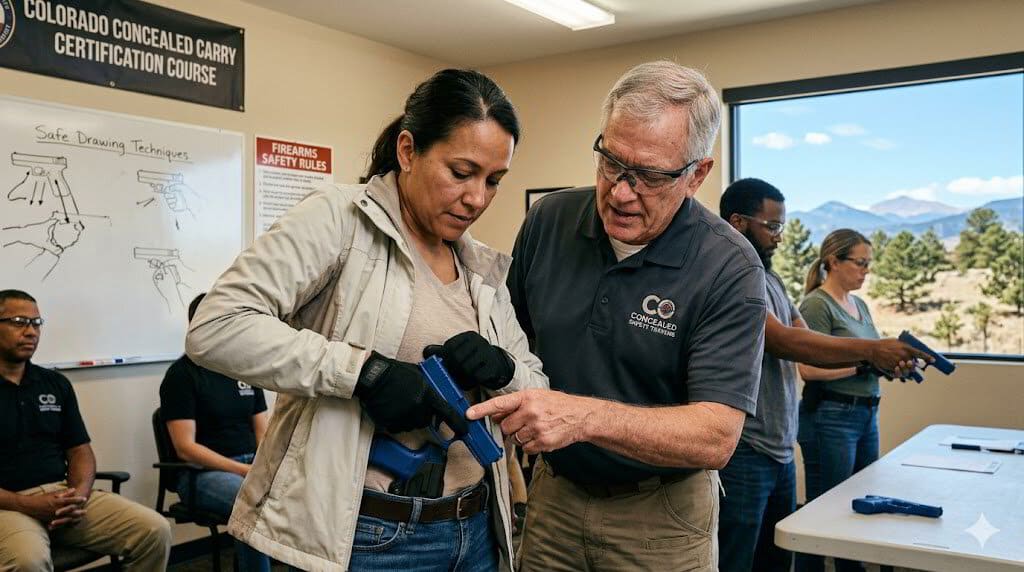
In today's unpredictable world, personal safety has become a paramount concern for Colorado residents. Whether you're walking through downtown Denver at night, hiking remote mountain trails, or simply going about your daily routine, the ability to protect yourself and your loved ones is invaluable. Concealed carry training represents more than just learning to handle a firearm—it's about developing a comprehensive understanding of personal protection, legal responsibilities, and situational awareness that can make the difference between becoming a victim and staying safe.
Colorado's progressive approach to concealed carry permits provides law-abiding citizens with the opportunity to take control of their personal security. However, with this privilege comes significant responsibility. The benefits of concealed carry training Colorado offers extend far beyond simply meeting legal requirements. Professional instruction transforms nervous beginners into confident, responsible gun owners while helping experienced shooters refine their skills to professional standards. Through proper training, individuals develop not only the technical proficiency needed for safe firearm handling but also the mental preparedness required for real-world defensive situations.
Introduction to Concealed Carry Training
Concealed carry refers to the practice of carrying a handgun or other weapon in public in a concealed manner, either on one's person or in close proximity. In Colorado, this practice is regulated through a comprehensive legal framework designed to balance individual rights with public safety. The state recognizes that responsible citizens have the right to protect themselves while ensuring that those who carry concealed weapons are properly trained and vetted.
Colorado's concealed carry laws are governed by state statute and administered at the county level through local sheriff's offices. The legal framework requires applicants to demonstrate competency through approved training courses, pass background checks, and meet specific eligibility criteria. Unlike constitutional carry states, Colorado maintains a permit system that emphasizes education and accountability.
The importance of concealed carry in Colorado stems from the state's diverse geography and population centers. From urban areas like Denver and Colorado Springs to rural communities and vast wilderness areas, residents face varying security challenges. Law enforcement response times can vary significantly, particularly in remote areas where self-reliance becomes crucial.
Colorado's concealed carry laws allow permit holders to carry in most public places, with specific exceptions including schools, government buildings, and private properties that prohibit weapons. The state recognizes permits from many other states, making Colorado permits valuable for travelers. Recent legislative changes have refined certain aspects of the law, emphasizing the need for current, comprehensive training that keeps pace with legal developments.
Understanding Colorado's legal landscape is essential for anyone considering concealed carry. The state operates under a "shall issue" policy, meaning that sheriffs must issue permits to qualified applicants who meet all requirements. This system provides clarity and consistency while maintaining necessary safeguards to ensure public safety and responsible gun ownership.
Why Undergo Concealed Carry Training?
The decision to pursue concealed carry training represents a commitment to personal responsibility and enhanced safety awareness. Beyond the legal requirement for obtaining a concealed carry permit Colorado mandates, professional training provides fundamental skills that extend into all aspects of personal security and situational awareness.
Increased personal safety begins with understanding potential threats and developing appropriate responses. Concealed carry training teaches individuals to recognize dangerous situations before they escalate, providing time and options for avoiding confrontation. This heightened awareness often proves more valuable than the firearm itself, as most defensive situations are resolved through deterrence rather than actual use of force.
The training process develops confidence through competence, transforming anxiety about personal protection into measured preparedness. Students learn to assess their environment continuously, identify potential escape routes, and make informed decisions about when to engage or disengage from threatening situations. This mental conditioning proves invaluable in high-stress scenarios where clear thinking can mean the difference between safety and tragedy.
Understanding firearm laws and legal responsibilities forms a crucial component of comprehensive training. Colorado's legal framework includes specific requirements for when force can be legally used, the duty to retreat in certain circumstances, and the legal consequences of defensive actions. Professional instruction ensures students understand these complex legal principles, reducing the risk of criminal liability while maximizing personal protection options.
Firearms training Colorado provides also emphasizes the psychological aspects of defensive encounters. Students learn to manage stress responses, maintain fine motor skills under pressure, and make split-second decisions with life-altering consequences. This mental preparation often proves as important as marksmanship skills when facing real-world defensive scenarios.
Building confidence through proper training creates a positive feedback loop that enhances overall personal security. As students develop proficiency with their firearms and understanding of defensive principles, they carry themselves with greater awareness and confidence. This change in demeanor often serves as a deterrent to potential threats, as predators typically seek vulnerable targets rather than prepared, alert individuals.
The Key Benefits of Concealed Carry Training
The benefits of concealed carry training Colorado residents experience encompass technical skills, legal knowledge, and personal development that extends far beyond basic firearm competency. Professional instruction provides a foundation for lifelong learning and continuous improvement in personal protection capabilities.
Enhanced shooting skills and accuracy form the technical foundation of effective concealed carry. Training courses focus on practical marksmanship skills relevant to defensive situations, including shooting from various positions, engaging targets at different distances, and maintaining accuracy under stress. Students learn to operate their firearms efficiently in low-light conditions, confined spaces, and while moving—scenarios that reflect real-world defensive encounters rather than static range conditions.
Advanced handgun techniques taught in comprehensive programs include malfunction clearance, tactical reloading, and one-handed shooting skills. These capabilities prove crucial when defensive situations don't unfold according to ideal circumstances. Students practice drawing from concealment smoothly and quickly while maintaining safety protocols, developing muscle memory that functions under extreme stress.
Risk mitigation in self-defense situations involves understanding when not to use a firearm as much as when to employ it. Training emphasizes de-escalation techniques, legal alternatives to lethal force, and the importance of avoiding dangerous situations whenever possible. Students learn to evaluate threats accurately, distinguishing between situations requiring immediate action and those where retreat or other responses prove more appropriate.
Choosing the right firearm and holster becomes an informed decision rather than guesswork when students understand their specific needs and circumstances. Training courses expose students to various firearms platforms, helping them identify weapons that match their physical capabilities, lifestyle requirements, and skill levels. Holster selection training ensures students can carry their firearms safely and accessibly while maintaining concealment in their daily activities.
Comfort with firearms and handling techniques develops through repetitive practice under professional supervision. Many students begin training with significant anxiety about firearms, but proper instruction builds confidence through competence. Students learn to handle their weapons safely and efficiently, developing the familiarity necessary for effective defensive use while maintaining respect for the serious responsibility firearm ownership represents.
The psychological benefits of comprehensive training include reduced anxiety about personal protection and increased confidence in daily activities. Students report feeling more secure when traveling, working late hours, or engaging in outdoor activities. This enhanced sense of security often translates into greater freedom and enjoyment of life activities that might previously have caused concern.
Concealed Carry License Process in Colorado
Obtaining a concealed carry permit Colorado requires involves a structured process designed to ensure applicants meet legal requirements while demonstrating competency and responsibility. Understanding this process helps prospective applicants prepare effectively and avoid common delays or complications.
Eligibility requirements for CCW training Colorado begin with basic legal qualifications. Applicants must be at least 21 years old, though military members and veterans may apply at 18. Colorado residency is required, demonstrated through valid state identification and proof of residence. Applicants must be legally eligible to possess firearms under federal and state law, which excludes individuals with certain criminal convictions, restraining orders, or mental health adjudications. Ensuring you meet these criteria is the first step before enrolling in a Colorado concealed carry license training course.
The background check process examines criminal history, mental health records, and other factors that might disqualify applicants. This investigation includes fingerprinting and review of records from all jurisdictions where applicants have lived. Certain misdemeanor convictions, particularly those involving violence or weapons, may result in disqualification, as will any felony convictions or domestic violence restraining orders.
Step-by-step guidance through the application process begins with completing required training through an approved instructor. Students must demonstrate competency with handguns through both written examination and practical shooting exercises. The training covers Colorado law, firearm safety, proper handling techniques, and defensive principles. Upon successful completion, instructors provide certificates required for permit applications.
Application submission occurs through the sheriff's office in the applicant's county of residence. Required documents include the completed application form, training certificate, proof of residency, valid identification, and applicable fees. Fingerprinting is scheduled as part of the application process, typically completed at the sheriff's office or approved third-party location.
Processing times vary by county but generally range from 30 to 90 days from application submission. During this period, background investigations are completed, and all documentation is reviewed. Applicants receive notification of approval or denial, with approved applicants scheduled to receive their permits. Denied applicants receive information about appeal processes and may address deficiencies if possible.
Permit renewal occurs every five years and requires updated training, background checks, and fee payment. Renewal applications typically process more quickly than initial applications, though all legal requirements must still be met. Permit holders must notify authorities of address changes and report any legal issues that might affect their eligibility to continue carrying concealed weapons.
What to Expect from Training Courses
Professional firearms training Colorado programs provide comprehensive education that addresses technical skills, legal knowledge, and practical application in realistic scenarios. Understanding what to expect from quality training helps students prepare mentally and practically for their educational experience.
Colorado Boots Firearms Instruction offers a complete curriculum designed to serve students from absolute beginners to advanced practitioners seeking specialized skills. The Colorado Concealed Carry License Training provides the foundation required for permit applications while establishing fundamental safety and competency standards. This course covers state law, firearm safety principles, basic marksmanship, and defensive concepts essential for responsible concealed carry.
The Handgun Fundamentals Course serves students new to firearms or those seeking to strengthen their basic skills. Instruction covers firearm types, safe handling procedures, basic maintenance, and fundamental shooting techniques. Students learn to operate their weapons safely and effectively while developing the confidence necessary for continued skill development.
Advanced courses including the Advanced Handgun Shooting Techniques and Advanced Pistol Course challenge experienced shooters with complex scenarios and specialized skills. These programs cover tactical shooting positions, multiple target engagement, shooting while moving, and advanced accuracy techniques. Students learn to perform under stress while maintaining safety protocols and legal compliance.
Instructor qualifications at Colorado Boots include extensive training backgrounds, professional certifications, and ongoing education in current techniques and legal developments. Instructors maintain certifications through recognized organizations and participate in regular training to ensure their instruction reflects current best practices and legal requirements.
The structure of training courses balances classroom instruction with hands-on practical exercises. Classroom sessions cover legal requirements, safety protocols, and theoretical concepts, while range time allows students to practice techniques under professional supervision. Courses progress logically from basic concepts to advanced applications, ensuring students master fundamental skills before attempting complex techniques.
Specialized courses like the Selecting a Handgun Course and Choosing the Holster Course address practical concerns many students face when beginning their concealed carry journey. These programs provide hands-on experience with various equipment options, helping students make informed decisions about their personal protection tools.
The Kids Firearm Safety Class addresses family concerns about firearms in the home, teaching young people to respond appropriately to firearms while emphasizing safety as the primary consideration. This instruction helps families maintain security while ensuring children understand proper responses to firearms encounters.
Real-Life Scenarios: Applications of Concealed Carry Training
The practical applications of self-defense training Colorado provides become apparent when examining real-world situations where proper training made crucial differences in outcomes. Understanding these scenarios helps students appreciate the value of comprehensive preparation and continued skill development.
Situational awareness training proves invaluable in avoiding dangerous encounters altogether. Students learn to recognize pre-incident indicators that suggest potential threats, providing opportunities to avoid confrontation through route changes, seeking help, or other preventive measures. Many defensive situations are resolved before they escalate through proper awareness and decision-making rather than firearm use.
Case studies from law enforcement and civilian defensive encounters demonstrate the importance of proper training in high-stress situations. Successful defensive uses of firearms typically involve individuals who remained calm, assessed threats accurately, and responded appropriately to the specific circumstances they faced. Training scenarios replicate these stress factors, helping students develop the mental conditioning necessary for effective responses.
The importance of decision-making under pressure cannot be overstated in defensive encounters. Students practice evaluating threats quickly and accurately, determining appropriate responses, and executing those responses effectively. Training emphasizes that drawing a weapon represents a last resort after other options have been exhausted or proven inadequate for the situation.
Training for unexpected situations includes scenarios where ideal responses aren't possible due to environmental factors, multiple threats, or other complications. Students learn to adapt their responses to specific circumstances while maintaining safety as their primary objective. These exercises build confidence and competence in handling the unpredictable nature of real-world defensive encounters.
Legal considerations in real-world applications emphasize that every defensive situation will be thoroughly investigated by law enforcement and potentially reviewed by prosecutors. Students learn to document incidents properly, interact appropriately with responding officers, and understand their legal obligations following defensive actions. This knowledge helps ensure that legitimate defensive actions don't result in legal complications for the defender.
The psychological aftermath of defensive encounters receives attention in comprehensive training programs. Students learn about normal stress responses, available support resources, and the importance of professional counseling following traumatic events. This preparation helps individuals cope with the emotional challenges that often follow defensive encounters, even when their actions were legally and morally justified.
Choosing the Right Training Course for You
Selecting appropriate CCW training Colorado depends on honest assessment of current skills, specific goals, and individual circumstances. Different students require different approaches to achieve competency and confidence in their personal protection capabilities.
Assessing your skill level begins with honest evaluation of current firearms experience and comfort levels. Complete beginners benefit most from foundational courses that emphasize safety and basic competency before progressing to advanced techniques. Students with some experience may find intermediate courses more appropriate, while experienced shooters often benefit most from specialized or advanced training programs.
Recommended courses for beginners include the Handgun Fundamentals Course and Colorado Concealed Carry License Training. These programs provide essential knowledge and skills without overwhelming new students with advanced concepts they're not ready to master. Beginning students should focus on developing safe handling habits and basic marksmanship skills before attempting complex techniques.
Intermediate students often benefit from the Advanced Handgun Shooting Techniques course, which bridges the gap between basic competency and advanced skills. These students typically possess fundamental safety knowledge and basic marksmanship skills but need to develop more sophisticated techniques for defensive applications.
Advanced students may pursue specialized training through the Advanced Pistol Course or personalized coaching sessions that address specific skill deficiencies or goals. These experienced shooters often benefit most from challenging scenarios and specialized techniques that push their capabilities while maintaining safety standards.
Personalized coaching through one-on-one sessions provides customized instruction that addresses individual needs and learning styles. This approach proves particularly valuable for students with specific challenges, unique circumstances, or advanced goals that don't fit standard course formats. Individual instruction allows for immediate feedback and customized progression that maximizes learning efficiency.
The NRA Basic Pistol Course provides nationally recognized certification that may be required for certain applications or preferred by students seeking standardized instruction. This course covers fundamental skills and safety concepts using proven curriculum developed through decades of firearms education experience.
Students interested in expanding beyond handgun skills may consider the Intro to Rifle Course, which provides foundational knowledge for long-gun platforms. This training complements concealed carry skills while providing additional options for home defense and recreational shooting activities.
Conclusion and Next Steps
The benefits of concealed carry training Colorado offers extend far beyond meeting legal requirements for permit applications. Comprehensive instruction provides technical skills, legal knowledge, and mental preparation that enhance personal security while ensuring responsible firearm ownership. Students develop confidence through competence, learning to protect themselves and their families while contributing to community safety through their responsible actions.
Professional training transforms anxiety about personal protection into measured preparedness that enhances daily life rather than restricting it. Students learn to carry themselves with confidence and awareness that often prevents dangerous situations from developing. When defensive action becomes necessary, proper training provides the skills and knowledge needed to respond effectively while minimizing risks to themselves and others.
The investment in quality firearms training Colorado provides pays dividends throughout students' lives as they continue developing their skills and adapting to changing circumstances. Initial training establishes foundations for lifelong learning, with advanced courses and refresher training helping maintain and enhance capabilities over time.
Choosing Colorado Boots Firearms Instruction ensures students receive professional instruction from qualified instructors committed to excellence in firearms education. The comprehensive course offerings serve students at every skill level, from nervous beginners to experienced shooters seeking advanced capabilities.
Ready to unlock the safety and confidence that comes with professional concealed carry training? Contact Colorado Boots Firearms Instruction today at 719-782-8793 or visit https://coloradobootsfirearmsinstruction.com/ to learn more about our comprehensive training programs. Whether you're seeking your first concealed carry permit or looking to advance your defensive skills, our expert instructors will help you achieve your goals safely and effectively. Don't wait—take control of your personal protection today.
Tags: concealed carry training benefits, CCW safety training Colorado, handgun safety education
Latest Blog & Articles
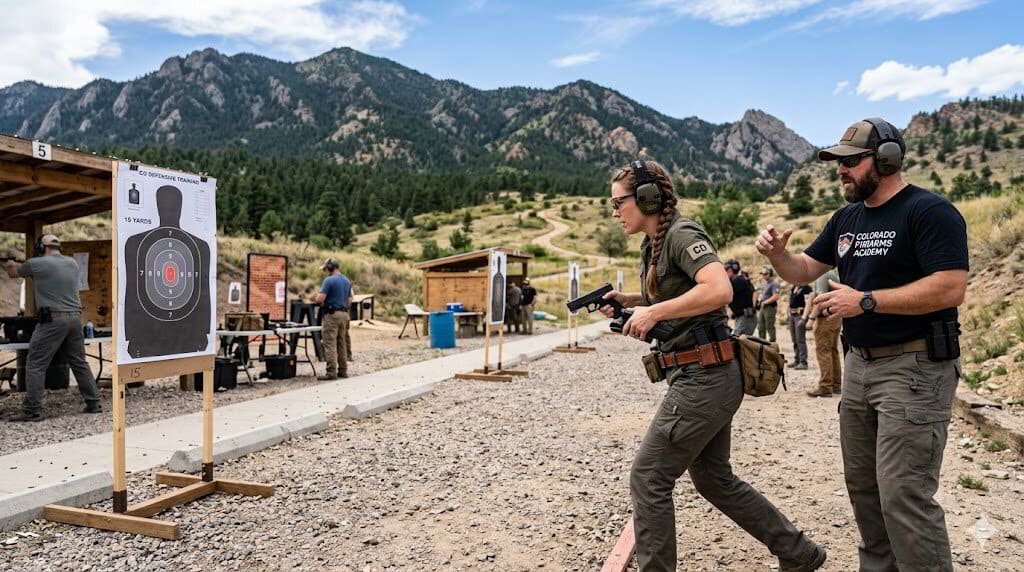
The Ultimate Guide to Defensive Handgun Training in Colorado
In an increasingly uncertain world, mastering defensive handgun training is essential for responsible gun ownership and personal safety. Co…
Read more →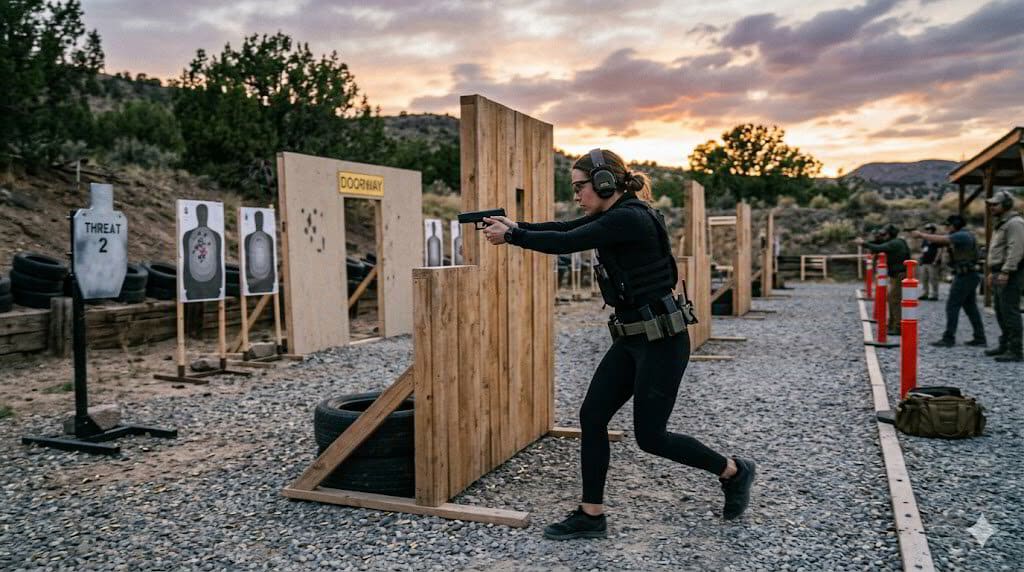
Best Practices for Defensive Handgun Training: A Comprehensive Guide
In a world where personal safety is increasingly vital, mastering defensive handgun training is essential for anyone considering firearm ow…
Read more →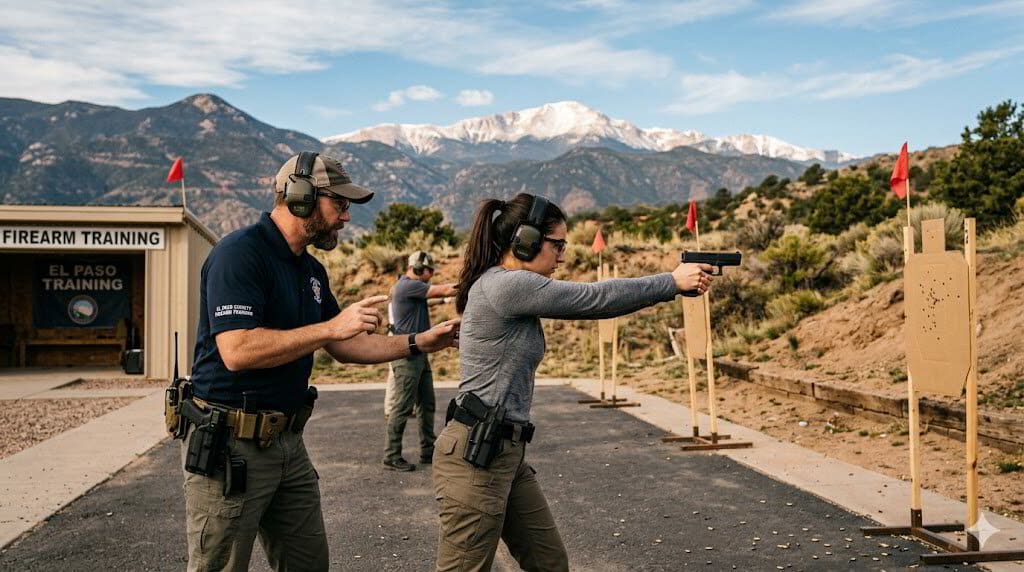
The Ultimate Guide to Firearm Training Courses in El Paso County, Colorado
In an age where firearm safety and education are paramount, Colorado Boots is proud to provide the definitive guide to firearm training cou…
Read more →