
Understanding Your Second Amendment Rights
October 7, 2025 · Gun Laws & Regulations / Firearms Rights & Advocacy / Self-Defense & Legal Considerations
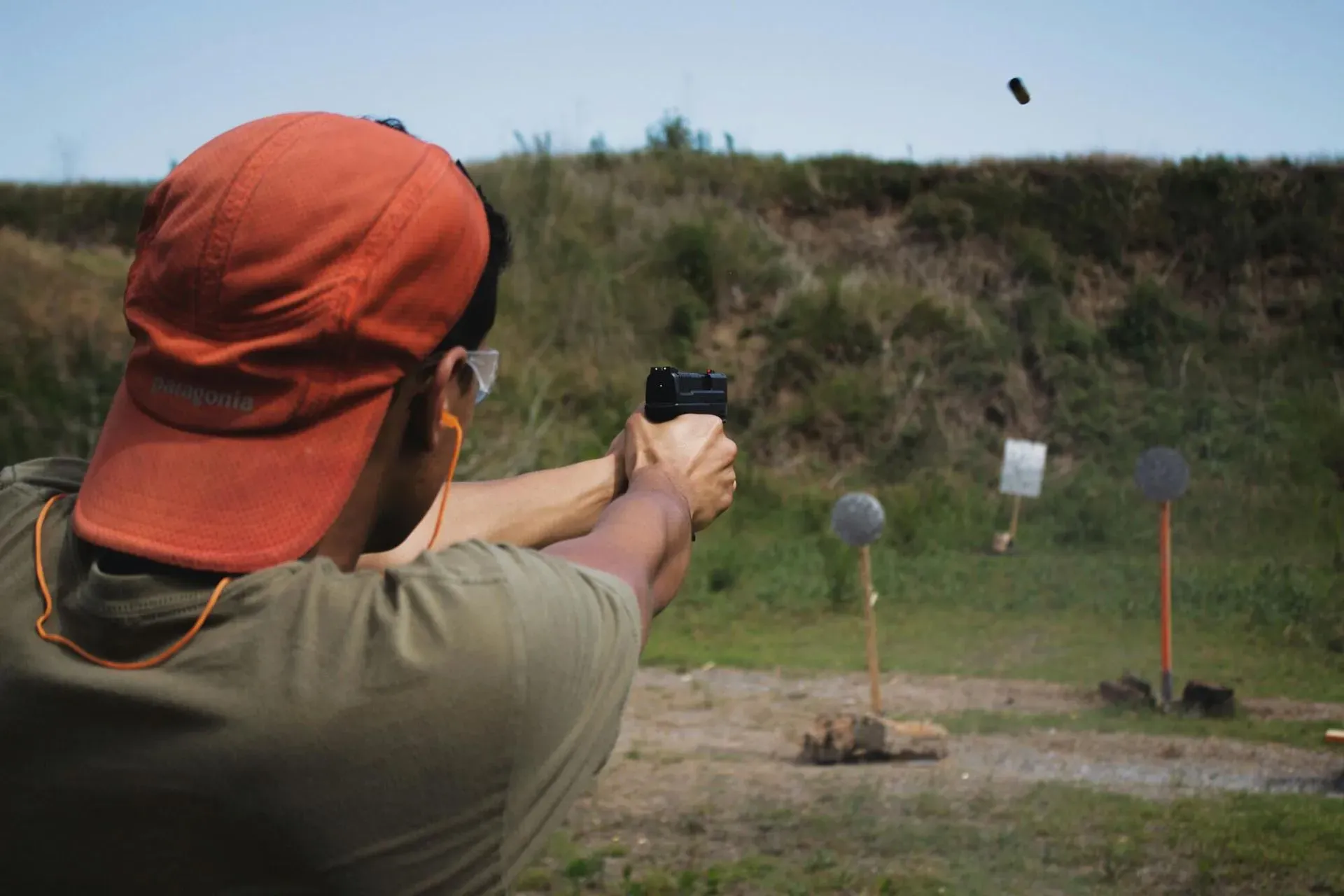
Second amendment rights are a cornerstone of American liberty, embodying the belief that
individuals have the right to defend themselves and their families. With more than 300 million
firearms owned by citizens across the United States, the conversation surrounding these rights
is more relevant than ever. But how well do we truly understand the implications of the Second
Amendment? As debates over gun control and personal safety continue to dominate headlines,
it becomes imperative to explore what second amendment rights mean, their historical context,
and how they impact everyday lives. This blog post will delve into the intricacies of these rights,
empowering you with the knowledge necessary to engage in informed discussions and become
an advocate for responsible gun ownership.
Overview of the Second Amendment
The Second Amendment is a pivotal part of the United States Constitution, ensuring the right of
the people to keep and bear arms. Understanding its background and implications is essential
for anyone interested in their second amendment rights.
Historical context
The Second Amendment was ratified in 1791 as part of the Bill of Rights. Its origins can be
traced back to colonial times when citizens needed the means to defend themselves, not just
against external threats but also against potential tyranny from their own government.
Purpose of the Second Amendment
The primary purpose of the Second Amendment is to guarantee individuals the right to possess
firearms. This was fueled by the early American belief that a well-regulated militia was
necessary for the security of a free state.
Key phrases and interpretations
Key phrases from the amendment, such as “well-regulated militia” and “the right of the people,”
have led to multiple interpretations throughout history. Understanding these interpretations is
vital for grasping the full scope of second amendment rights today.
Understanding Your Rights
With a foundational grasp of the Second Amendment, it's crucial to comprehend the rights it
confers.
Explanation of individual rights
The Second Amendment affirms an individual's inherent right to own and carry firearms for
personal protection and lawful defense. This is a cornerstone of personal freedom in America.
Scope of the Second Amendment
While the Second Amendment protects the right to bear arms, it does not grant
unrestricted access. Various regulations exist, which can vary significantly between states.
Restrictions and regulations
Common regulations regarding second amendment rights include:
- Background checks
- Age restrictions for purchasing firearms
- Licensing requirements
- Limitations on certain types of firearms
The Importance of Second Amendment Rights
Embracing second amendment rights is critical for personal safety and societal integrity.
Personal safety and self-defense
The ability to defend oneself and one’s family is a fundamental aspect of American culture. This
right ensures that individuals have the means to protect themselves against potential threats.
Societal implications
Second amendment rights contribute to the fabric of American society, impacting areas like
community safety, law enforcement, and civic engagement.
The role of firearms in American history
Firearms have played a significant role in U.S. history, from the Revolutionary War to
contemporary times. Understanding this history can enhance one's appreciation for their second
amendment rights.
For more comprehensive insights into the Second Amendment and current discussions around
gun rights, you can visit National Rifle Association.
Current Legal Landscape
Navigating the current legal landscape surrounding second amendment rights requires an
understanding of recent developments and how they affect individuals and gun ownership.
Recent legislation affecting second amendment rights
Various proposed and enacted laws are shaping the future of second amendment rights. Key
legislative trends include:
- Universal background checks: Many states are pushing for legislation that requires
background checks for all gun purchases, including private sales. - Red flag laws: These laws allow law enforcement or family members to petition for the
temporary removal of firearms from individuals deemed a danger to themselves or others. - Concealed carry permits: Each state has different requirements regarding concealed
carry permits, influencing how individuals protect themselves.
Landmark court cases and their implications
Several Supreme Court decisions have helped define the boundaries of second amendment
rights. Notable cases include:
- District of Columbia v. Heller (2008): This landmark ruling confirmed that individuals
have the right to own firearms for personal use, rather than just for militia service. - McDonald v. Chicago (2010): This case extended second amendment rights by applying
the Second Amendment to state laws through the Fourteenth Amendment, reinforcing
individual rights against state infringement.
State vs. federal regulations
It's essential to recognize that second amendment rights can vary significantly between states
and the federal government. The interaction between local, state, and federal laws creates a
complex web of regulations that gun owners must navigate. Some states may have more
restrictive laws, while others may lean towards broader freedoms concerning gun ownership.
By staying informed about the evolving legal landscape, individuals can better understand their
second amendment rights and how these rights apply in their specific circumstances. For
current updates and deeper insights, consider visiting the American Civil Liberties Union.
Educational Resources on Second
Amendment Rights
To fully understand and appreciate second amendment rights, it is essential to explore various
educational resources that provide comprehensive information and training.
Recommended books and materials
There are numerous books and resources available that delve into the history, interpretation,
and implications of second amendment rights. Some recommended titles include:
- "The Second Amendment: A Biography" by Michael Waldman: This book explores
the historical background of the Second Amendment and its evolution in American
culture. - "More Guns, Less Crime" by John R. Lott Jr.: This work examines the relationship
between gun control laws and crime rates, offering an analytical perspective on second
amendment rights. - "Gunfight: The Battle Over the Right to Bear Arms in America" by Adam Winkler:
This book provides a detailed narrative of the ongoing debate surrounding gun ownership
and rights in America.
Organizations promoting gun rights
Numerous organizations advocate for second amendment rights and provide resources for
education, training, and legislative action. Notable organizations include:
- National Rifle Association (NRA): A prominent organization dedicated to protecting the
rights of gun owners through education and advocacy. - Gun Owners of America (GOA): An organization that focuses on defending the rights of
gun owners and offering guidance on legislation. - Second Amendment Foundation (SAF): This foundation works to promote a better
understanding of second amendment rights through research, education, and
grassroots efforts.
Local workshops and training sessions
Participating in local workshops and training sessions is an invaluable way to engage with
second amendment rights actively. Look for:
- Firearms training courses to develop safe handling and shooting skills.
- Seminars that cover legal aspects of gun ownership and self-defense.
- Community discussions that foster dialogue on second amendment rights and responsible
gun ownership.
By leveraging these educational resources, individuals can deepen their understanding of
second amendment rights and become informed advocates for responsible gun ownership. For
more information, the US Concealed Carry Association offers a wealth of training resources and
advocacy information.
Connecting with Your Rights
Understanding second amendment rights is not just about theoretical knowledge; it's also about
active engagement and advocacy within your community. Making meaningful connections can
empower you to contribute to discussions surrounding gun ownership and rights.
How to get involved in advocacy
Many individuals look to advocate for second amendment rights, and there are several ways to
do so:
- Join local advocacy groups: Find organizations focusing on gun rights in your area.
Regular participation can amplify your voice regarding second amendment issues. - Attend public meetings: Local government meetings often discuss legislation affecting
second amendment rights. Your presence can make a difference. - Engage with representatives: Contact your local and state elected officials to express
your views on second amendment rights. Writing letters or making phone calls can
increase awareness.
Engaging in community discussions
Joining conversations in your community about firearms and self-defense can foster
understanding and dispel myths surrounding second amendment rights. Participate in:
- Community forums: Be active in public forums discussing gun rights, safety, and
legislation. - Education events: Attend or host informational seminars that educate fellow community
members on responsible gun ownership.
Importance of responsible gun ownership
Being a responsible gun owner means respecting the rights conferred by the second
amendment while also understanding the responsibilities that come with firearm ownership.
Consider:
- Following all applicable laws and regulations related to gun ownership.
- Participating in regular training and safety courses to ensure proficiency and responsible
handling of firearms. - Promoting safe storage practices to prevent unauthorized access, particularly from
children.
Connecting with second amendment rights is a crucial aspect of being an informed and active
member of society. By getting involved and staying informed, individuals can help uphold and
advocate for these fundamental rights. To find more resources on advocacy and education, visit
the Brady Campaign, a prominent organization committed to preventing gun violence while
advocating for responsible gun ownership.
Conclusion: The Future of Second
Amendment Rights
As society evolves, so do the discussions and interpretations surrounding second amendment
rights. Understanding both current and future trends can empower individuals to be informed
participants in the conversation about gun ownership and personal freedoms.
Emerging trends and potential changes
As we look towards the future, several trends could shape second amendment rights:
- Increasing calls for gun control: With ongoing debates about gun violence, some
advocacy groups push for more restrictive measures, which may affect current rights. - Legal challenges and court rulings: New lawsuits related to second amendment rights
may emerge, potentially influencing state and federal regulations. - Technological advancements: Innovations in firearms and safety features can lead to
discussions about how to balance new technology with existing rights.
Importance of staying informed
Being knowledgeable about second amendment rights is crucial for every gun owner and
advocate. Staying updated on legislative changes, court rulings, and cultural debates helps
individuals make informed decisions and respond effectively to challenges.
Here are some strategies to stay informed:
- Follow news outlets: Subscribe to reputable news sources covering current events
related to gun rights and ownership. - Engage with online communities: Participate in forums and social media groups
dedicated to second amendment discussions. - Attend workshops and seminars: Stay current with educational opportunities that
address evolving second amendment rights.
Call to action for responsible citizenship
Ultimately, the future of second amendment rights depends on responsible citizenship.
Engaging in thoughtful discourse, advocating for your rights, and promoting safety and
education can help preserve the freedoms outlined in the Second Amendment.
For a comprehensive view of upcoming legislation and actions, consider visiting the American
Legislative Exchange Council, which provides updates on state-level legislative efforts
concerning second amendment rights.
Resources for Understanding Second
Amendment Rights
Having access to quality resources can significantly enhance your understanding of second
amendment rights. In this digital age, a wealth of information is available to help individuals
educate themselves about their rights and responsibilities regarding firearms.
Informative Websites
Several reputable organizations and websites offer in-depth information on second amendment
rights:
- National Rifle Association (NRA): The NRA provides resources on firearm safety,
training, and detailed analyses of current legislation affecting second amendment rights.
Visit their website at nraila.org. - Gun Owners of America (GOA): This organization offers membership services and
keeps its members informed about legislative and legal developments impacting second
amendment rights. Check them out at gunowners.org. - Second Amendment Foundation (SAF): SAF is committed to promoting and protecting
second amendment freedoms through education and litigation. Learn more at saf.org.
Books and Publications
For those who prefer reading, several titles provide insights into the history and implications of
second amendment rights. Recommended books include:
- "The Second Amendment: A Biography" by Michael Waldman: This book explores
the evolution of the Second Amendment and its significance in modern times. - "Gun Control on Trial: Inside the Fight to Stop the Global Assault on Your Gun
Rights" by Stephen P. Halbrook: This work presents a comprehensive overview of the
legal struggles surrounding gun rights over the past century. - "Shall Not Be Infringed: The New Assaults on Your Second Amendment" by David
Codrea: This book discusses the ongoing threats to second amendment rights and how
citizens can take action.
Online Courses and Workshops
Engaging in online courses or local workshops is another effective way to enhance your
understanding of second amendment rights and responsible gun ownership. Look for:
- Firearms training courses: These offer practical knowledge on safe gun handling and
self-defense. - Legal seminars: Attend workshops that cover the legal aspects of firearms ownership
and the rights afforded by the Second Amendment. - Community discussions: Participate in local forums and discussions focusing on gun
rights, where you can engage with like-minded individuals and experts.
By leveraging these resources, you can develop a comprehensive understanding of second
amendment rights, allowing for informed discussions and responsible advocacy. For up-to-date
information and educational materials, consider visiting Flashbang Holsters, which offers a
variety of resources related to concealed carry and firearm safety.
Getting Involved in Advocacy for Second
Amendment Rights
Advocating for second amendment rights not only empowers you but also helps protect the
freedoms outlined in the Constitution. Engagement can take various forms, from local activism
to national awareness campaigns.
Ways to Get Involved
1. Join Local Advocacy Groups
Becoming a member of groups devoted to second amendment rights can amplify your
voice. Look for organizations in your area that organize events, rallies, and discussions.
Examples include:
○ Local chapters of the NRA or GOA: These groups often provide newsletters,
forums, and opportunities for activism.
○ Gun rights associations: Many states have regional organizations focused on
preserving gun rights.
2. Attend Public Meetings and Hearings
Local government meetings are often where discussions about legislation affecting
second amendment rights take place. Your participation can make a significant difference.
You can:
○ Speak publicly in support of second amendment rights during citizen feedback
sessions.
○ Listen to debates and engage with policymakers on important issues.
3. Leverage Social Media Platforms
Social media is a powerful tool for advocacy. Use it to share information and connect with
others who are passionate about second amendment rights. Consider the following:
○ Join Facebook groups or forums that focus on gun rights.
○ Share articles, legislative updates, and personal stories that highlight the
○ importance of second amendment rights.
4. Educate Yourself and Others
Knowledge is critical in advocacy. By informing yourself and those around you, you
strengthen the movement. Key steps include:
○ Hosting informational sessions in your community about second amendment rights.
○ Distributing flyers or pamphlets that explain gun laws and safety practices.
○ Encouraging responsible ownership and ethical discussions about firearms.
5. Engage in Legal Battles
For those with legal expertise or interest, participating in legal challenges related to
second amendment rights can be impactful. Options include:
○ Supporting or joining legal defense funds focused on challenging restrictive gun
laws.
○ Collaborating with organizations that take part in litigation to protect second
amendment rights, such as the Second Amendment Foundation.
Final Thoughts
Advocacy for second amendment rights is not just about ownership; it’s about responsibly
engaging with your community and protecting the freedoms that allow individuals to defend
themselves. For further resources and guidance on advocacy strategies, visit the Concealed
Carry Association, which offers training and information for responsible gun ownership and
advocacy.
Frequently Asked Questions
What are second amendment rights?
Second amendment rights refer to the rights granted to individuals under the Second
Amendment of the United States Constitution, which states that "the right of the people to keep
and bear Arms, shall not be infringed." This amendment is often interpreted as protecting an
individual's right to own and carry firearms for self-defense and other lawful purposes.
Why are second amendment rights important?
Second amendment rights are important because they uphold the fundamental principle of
personal liberty and self-defense. They ensure that individuals have the means to protect
themselves and their families, and they play a critical role in the broader context of civil liberties
and the relationship between citizens and government.
How do second amendment rights vary between states?
Second amendment rights can vary widely between states due to differing laws and regulations
regarding gun ownership, concealed carry permits, and firearm types. Each state has its own
approach to second amendment rights, leading to a patchwork of laws that can affect gun
owners' rights and responsibilities significantly.
What are some common restrictions on second amendment
rights?
While the Second Amendment protects individual rights, there are common restrictions aimed at
promoting public safety. These may include background checks for gun purchases, age
limitations, restrictions on certain types of firearms (such as automatic weapons), and laws
governing where and how firearms can be carried.
How can I get involved in protecting second amendment rights?
Getting involved in protecting second amendment rights can take many forms, such as joining
local advocacy groups, attending public meetings, engaging in educational efforts, and
participating in discussions about gun rights in your community. Staying informed about
legislation and legal changes is also crucial for active participation.
Tags: Second Amendment Explained, Gun Rights in Colorado, Firearms Laws & Regulations
Latest Blog & Articles
The Ultimate Guide to Defensive Handgun Training in Colorado
In an increasingly uncertain world, mastering defensive handgun training is essential for responsible gun ownership and personal safety. Co…
Read more →
Best Practices for Defensive Handgun Training: A Comprehensive Guide
In a world where personal safety is increasingly vital, mastering defensive handgun training is essential for anyone considering firearm ow…
Read more →
The Ultimate Guide to Firearm Training Courses in El Paso County, Colorado
In an age where firearm safety and education are paramount, Colorado Boots is proud to provide the definitive guide to firearm training cou…
Read more →