
Understanding the Importance of Second Amendment Rights
November 18, 2025 · Historical Perspectives on Gun Rights / Gun Ownership & Responsibility / Firearms Laws & Regulations
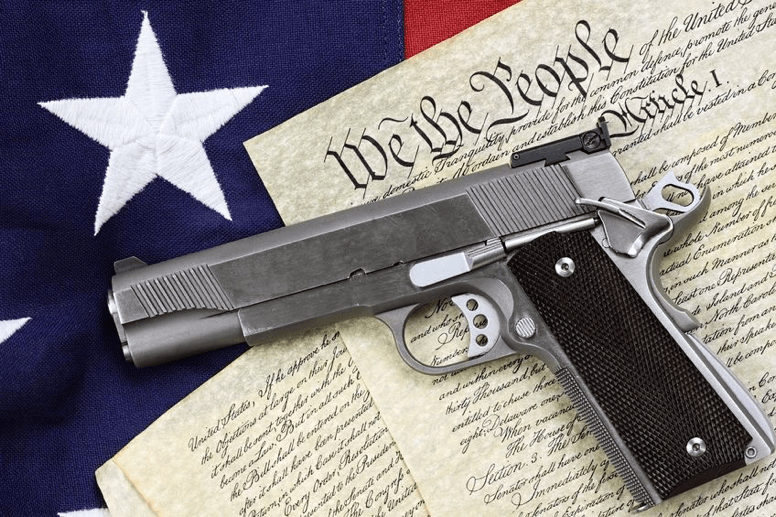
The importance of second amendment rights remains a cornerstone of American democracy
and identity, deeply embedded in the nation's fabric since its inception. As debates surrounding
gun ownership continue to intensify, understanding the multifaceted dimensions of this right
becomes crucial. Did you know that nearly 40% of American households report having at least
one gun? This statistic highlights not only the prevalence of firearms in everyday life but also the
deep-seated belief in the right to self-defense and personal liberty that the Second Amendment
embodies. From its historical roots to its modern implications, the Second Amendment serves
as both a shield for individual rights and a source of ongoing societal discourse. Exploring the
significance of these rights offers valuable insights into the principles of freedom, responsibility,
and community safety that resonate strongly across the nation.
Definition of the Second Amendment
The Second Amendment to the United States Constitution states:
"A well regulated Militia, being necessary to the security of a free State, the right of the people to
keep and bear Arms, shall not be infringed."
This pivotal amendment has shaped American society, law, and culture since its ratification in
1791. Understanding its importance requires not only a grasp of its wording but also an
appreciation of the historical context in which it was established.
Historical Context and Its Inception
- The Second Amendment was born out of a necessity for states to maintain militias
for protection.
- Framed during a time of armed conflict and revolution, it was a response to historical
oppression without a right to defense.
The Importance of Second Amendment Rights
The importance of second amendment rights extends beyond mere ownership of firearms; it
encapsulates several critical aspects:
- Individual rights and self-defense: The right to bear arms serves as a fundamental
pillar for personal security, allowing citizens to protect themselves and their loved ones.
- Role in deterring crime: Studies suggest that a well-armed populace can deter criminal
activity, creating safer communities.
- Preservation of personal freedoms: The Second Amendment embodies the broader
philosophy of individual liberties, underscoring the importance of personal choice and
independence.
In short, the importance of second amendment rights signifies more than just the ability to own
and carry guns; it represents a cornerstone of individual liberty and self-governance that many
Americans cherish.
The Role of the Second Amendment in American Society
The Second Amendment's relevance stretches into various aspects of daily life and cultural
identity:
- Cultural significance: For many, gun ownership is woven into the fabric of American
culture, symbolizing rugged individualism and self-reliance.
- Impact on community safety: Lawful gun ownership encourages responsible gun
handling, which can foster a culture of safety and vigilance within communities.
- Civic engagement: Understanding and advocating for gun rights empowers citizens to
become informed participants in democratic processes.
As the conversation surrounding the importance of second amendment rights continues, it's vital
to approach it with respect for differing opinions and a commitment to education. For further
exploration of the Second Amendment and its implications, you may find NRA's Institute for
Legislative Action a valuable resource.
Current Debates Surrounding Second
Amendment Rights
The importance of second amendment rights is a focal point of heated debate in contemporary
society. As discussions around gun control sharpen, it becomes crucial to understand the
various perspectives that shape this dialogue.
The Gun Control vs. Gun Rights Discussion
The central debate revolves around two opposing viewpoints: ensuring public safety through
stricter gun control laws and upholding the constitutional right to bear arms. This discussion
often leads to questions such as:
- How can we balance the right to own firearms with the need for public safety?
- What measures can be taken to prevent gun violence without infringing on Second
Amendment rights?
Misconceptions About the Second Amendment
- Several misconceptions persist that can cloud the debate, including:
- The belief that the Second Amendment is outdated: Critics argue that the amendment
was created for a different time, ignoring its relevance in today’s self-defense policies.
- The assumption that gun ownership leads to increased violence: Numerous studies
have shown that responsible gun ownership can actually deter crime and enhance
personal safety.
The Influence of Politics on the Debate
Political motivations significantly impact discussions surrounding the importance of second
amendment rights. Different political factions interpret statistics, advocate policies, and garner
support based on their stance on gun rights. Understanding these motivations is crucial for
informed discussions among citizens.
For an in-depth look at the legislative landscape and its implications, consider reviewing
resources from established institutions like the Pew Research Center, which offers valuable data
and analyses on public opinion concerning gun rights and regulations.
Education and Awareness about Second
Amendment Rights
Understanding the importance of second amendment rights is a critical step for individuals who
wish to engage in responsible gun ownership and advocacy. Education plays a pivotal role in
fostering a culture of safety and awareness surrounding firearms.
The Importance of Firearms Training and Safety
Responsible gun ownership begins with proper education and training. Training can encompass
several key areas:
- Firearm safety: Learning the fundamental rules of gun safety can prevent accidents.
- These rules typically include:
○Always treating a firearm as if it is loaded.
○Never pointing it at anything one does not intend to shoot.
○Keeping one's finger off the trigger until ready to shoot.
- Operation and maintenance: Understanding how to operate and maintain firearms
ensures that they are in safe working condition.
- Legal knowledge: Familiarity with state and federal gun laws helps owners understand
their rights and responsibilities.
How Education Fosters Appreciation for the Right to Bear Arms
Engaging in educational programs can deepen one’s appreciation for the importance of second
amendment rights. The more individuals learn about gun history, self-defense techniques, and
legal frameworks, the more they recognize:
- The significance of personal safety: Knowledge empowers individuals to take charge of
their safety effectively.
- The rights and responsibilities that come with gun ownership: Owners gain respect
for not only their own rights but also those of others in the community.
Resources for Learning About Gun Laws and Rights
There are several valuable resources available for those interested in exploring their second
amendment rights further. Consider visiting trusted organizations such as the National Shooting
Sports Foundation (NSSF) that provide extensive materials on firearms education, safety, and
advocacy.
By investing time in education and awareness, potential gun owners can celebrate and uphold
the importance of second amendment rights responsibly and knowledgeably.
Conclusion
In wrapping up our discussion on the importance of second amendment rights, it is essential to
recognize that these rights are not just about the ability to own and carry firearms. They
represent a profound aspect of American identity, rooted in individual liberty and personal
responsibility.
Key Points to Remember
- Fundamental Freedom: The Second Amendment is a vital element of the Bill of Rights,
ensuring that individuals have the means to protect themselves and their families.
- Community Safety: Proper understanding and responsible ownership of firearms can
create safer communities, where members respect each other's rights while promoting
safety.
- Engaged Citizenry: A well-informed populace is crucial for the preservation of second
amendment rights. Citizens should actively participate in the discussions surrounding gun
rights and responsibilities.
Encouraging Responsible Gun Ownership
Emphasizing education around firearms, promoting safe practices, and understanding local and
federal laws will only strengthen the importance of second amendment rights. As Americans
navigate this complex landscape, it becomes increasingly vital to engage in respectful dialogue
while fostering a sense of community and safety.
For those interested in more detailed insights into the implications of gun ownership and rights,
resources like the Cato Institute offer research and perspectives on gun policy that can deepen
your understanding.
By embracing education, responsibility, and open-minded dialogue, we can move toward a
future where the importance of second amendment rights is acknowledged and preserved for
generations to come.
Understanding the Right to Self-Defense
The importance of second amendment rights is intrinsically linked to the concept of
self-defense. At its core, the Second Amendment empowers individuals to protect themselves
and their families from potential harm.
The Right to Self-Defense Explained
Self-defense is the legal right to use reasonable force to protect oneself against an imminent
threat. This right is recognized in many legal systems, and in the context of the Second
Amendment, it ensures that citizens have the means to defend themselves effectively.
Key Considerations for Self-Defense
When exploring the importance of second amendment rights in relation to self-defense, several
factors come into play:
- Reasonable Force: Understanding what constitutes reasonable force is vital. This
includes:
○The nature of the threat (immediate danger vs. potential threat)
○The proportionality of the response (using appropriate force against the level of
threat)
- Legal Implications: It's crucial to know the laws surrounding self-defense in your
jurisdiction, as they can vary significantly. These may include:
○Stand Your Ground laws
○Duty to Retreat laws
- Training and Preparedness: Knowledge and preparedness are key to effective
self-defense. This involves:
○ Completing firearms training courses
○Practicing situational awareness
○Developing defensive strategies
Empowering Individuals Through Knowledge
Understanding the legal frameworks and responsibilities associated with self-defense enhances
the importance of second amendment rights. The more knowledgeable individuals are about
their rights and responsibilities, the more empowered they become to protect themselves safely
and responsibly.
For further information on self-defense laws and rights, resources from authoritative sites such
as the National Legal Defense Foundation can provide valuable insights and legal guidance.
By prioritizing education around self-defense, we can foster a nuanced appreciation for the
importance of second amendment rights and the responsibilities that come with them.
Historical Perspective on Gun Rights
The importance of second amendment rights cannot be fully appreciated without understanding
the historical context surrounding its inception and development over time. This historical
perspective sheds light on why these rights are so deeply embedded in the American
consciousness.
Key Milestones in Second Amendment History
- The Founding Era: The Second Amendment was ratified in 1791 as part of the Bill of
Rights. It reflects the early American colonists' desire for protection against tyranny and
the preservation of their rights.
- Militia Context: Originally, the amendment was closely tied to the necessity of a
well-regulated militia, emphasizing the collective responsibility of citizens to defend the
community. Over the years, this notion has evolved to include individual rights to bear
arms.
- Landmark Supreme Court Cases: Several pivotal court decisions have shaped the
understanding and interpretation of the Second Amendment, including:
- District of Columbia v. Heller (2008): This landmark case affirmed an individual's
right to possess firearms unconnected with service in a militia for lawful purposes
such as self-defense within the home.
- McDonald v. City of Chicago (2010): This decision extended the Second
Amendment protections to the states, reinforcing the individual's right to bear arms.
Evolution of Public Perception
The perception of the importance of second amendment rights has fluctuated throughout
American history. Significant events, including wars, social movements, and high-profile
incidents of gun violence, have influenced public discourse on gun rights and regulation.
Current Trends and Attitudes
As we navigate through modern-day discussions on gun control, it's evident that:
- Many Americans still regard firearm ownership as a fundamental right tied to personal
freedom and security.
- Advocacy groups from both sides of the debate continue to engage in discussions that
shape the narrative around the Second Amendment.
For further exploration of Second Amendment history and its significance in modern America,
the American Bar Association offers in-depth resources and articles that analyze legal
interpretations and societal impacts.
By understanding the historical roots and ongoing evolution of the importance of second
amendment rights, individuals can better appreciate the nuances of current debates and the
vital role these rights play in American society.
The Role of the Second Amendment in
American Society
The importance of second amendment rights extends far beyond mere legislation; it plays a vital
role in shaping American culture, identity, and the perception of personal freedoms. A deeper
understanding of this amendment helps illustrate its influence across diverse facets of society.
Cultural Significance of Gun Ownership
For many Americans, the ownership of firearms is intertwined with cultural identity and
traditional values. This connection includes:
- Tradition and Heritage: Firearms have played a significant role in American history, from
the Revolutionary War to contemporary recreational activities such as hunting and sport
shooting.
- Symbol of Freedom: Guns are often viewed as a symbol of self-reliance and individual
liberty, representing the ability to protect oneself and one’s family.
Impact on Community Safety and Responsibility
The second amendment also fosters a sense of responsibility among gun owners. Awareness of
the importance of second amendment rights encourages:
- Community Engagement: Gun owners often participate in local events, firearms training,
and community safety initiatives, contributing to an overall sense of security.
- Responsible Ownership: Understanding the rights that come with gun ownership leads
to a commitment to safe handling and storage practices.
Gun Rights and Civic Engagement
The discussions surrounding the importance of second amendment rights frequently translate into civic engagement. This includes:
- Advocacy and Activism: Many organizations actively work to influence policy and public
perception regarding gun rights, offering a platform for citizens to voice their opinions.
- Voter Influence: Gun rights are often a significant factor in electoral politics, motivating
individuals to vote based on candidates' positions regarding the Second Amendment.
For those interested in exploring the societal implications of gun ownership, the National
Firearms Act Trade and Collectors Association (NFATCA) provides insights and resources on
the importance of firearm rights and their ramifications in American culture.
By recognizing the multifaceted role of the second amendment in society, individuals can
engage thoughtfully in discussions around its significance for personal freedoms, community
safety, and cultural identity.
What is the Second Amendment and why is it important?
The Second Amendment to the United States Constitution protects the right of the people to
keep and bear arms. Its importance lies in its role as a fundamental right that enables
individuals to defend themselves, ensures a check on government power, and fosters a culture
of personal responsibility and freedom.
How has the interpretation of the Second Amendment changed
over time?
The interpretation of the Second Amendment has evolved through various landmark Supreme
Court cases, such as District of Columbia v. Heller and McDonald v. City of Chicago. These
rulings have clarified individual rights regarding gun ownership, shifting the focus from militia
service to personal self-defense, thus highlighting the amendment's relevance in contemporary
society.
What are some common misconceptions about the Second
Amendment?
Common misconceptions include the belief that the Second Amendment is solely about
collective rights associated with state militias or that it endorses unlimited gun ownership without
any restrictions. In reality, it establishes a balance between individual rights and reasonable
regulations aimed at public safety.
Why is education important in discussions about the Second
Amendment?
Education plays a critical role in discussions about the importance of second amendment rights
by informing individuals about gun safety, legal responsibilities, and historical context. A
well-informed public is better equipped to engage in constructive debates and make responsible
decisions regarding firearms.
How can individuals responsibly exercise their Second
Amendment rights?
Individuals can responsibly exercise their Second Amendment rights by seeking proper training,
understanding local and federal gun laws, practicing safe handling and storage of firearms, and
actively engaging in community discussions about gun ownership and safety. This approach
fosters not only personal safety but also community well-being.
Tags: Understanding the Right to Bear Arms, Second Amendment Advocacy, Constitutional Law & Firearms
Latest Blog & Articles
The Ultimate Guide to Defensive Handgun Training in Colorado
In an increasingly uncertain world, mastering defensive handgun training is essential for responsible gun ownership and personal safety. Co…
Read more →
Best Practices for Defensive Handgun Training: A Comprehensive Guide
In a world where personal safety is increasingly vital, mastering defensive handgun training is essential for anyone considering firearm ow…
Read more →
The Ultimate Guide to Firearm Training Courses in El Paso County, Colorado
In an age where firearm safety and education are paramount, Colorado Boots is proud to provide the definitive guide to firearm training cou…
Read more →