
Understanding Colorado Gun Laws And Regulations
February 3, 2026 · Firearms Laws & Compliance / Gun Ownership & Regulations / Colorado Self-Defense Laws

Understanding Colorado gun laws and regulations is crucial for anyone looking to navigate the
complexities of firearm ownership in the state. Did you know that Colorado is one of the few
states that allows its citizens both open carry and concealed carry of firearms? However, with
such freedoms come a myriad of laws and local regulations that can confound even seasoned
gun owners. Whether you’re a beginner eager to learn the ropes of responsible gun ownership
or an experienced owner seeking to stay updated on the latest regulations, having a clear
understanding of the legal landscape is vital. This blog post will delve into the intricacies of
Colorado's firearm laws, providing you with the knowledge necessary to ensure compliance and
safety in your pursuits.
Overview of Colorado Gun Laws
Understanding Colorado gun laws and regulations is essential for anyone who owns or plans to
purchase a firearm in the state. These laws encompass a wide range of topics, including
possession, purchase requirements, safety measures, and restrictions. Familiarizing yourself
with these regulations can safeguard your rights and help ensure responsible gun ownership.
Key Colorado Gun Laws
Firearm Possession The first step in understanding Colorado gun laws involves knowing who is
allowed to possess a firearm. In Colorado, there are specific age restrictions:
- Must be 18 years or older to purchase a long gun.
- Must be at least 21 years old to purchase a handgun.
Additionally, individuals must undergo a background check to ensure they do not fall under
prohibited categories, such as felony convictions or mental health issues.
Open Carry vs. Concealed Carry Another vital aspect of Colorado's gun laws is the difference
between open carry and concealed carry:
- Open Carry: This allows individuals to carry firearms visibly, without a permit. However,
municipalities may have restrictions. - Concealed Carry: To carry a concealed weapon, individuals must obtain a permit.
Colorado's application process includes a background check and completion of a certified
training course.
Colorado Firearm Purchase Regulations
When purchasing a firearm in Colorado, it’s important to understand the following regulations:
- Buying from Dealers: Licensed gun dealers must conduct background checks before
selling a weapon. - Private Sales and Transfers: While private sales do not require a background check, it is
recommended to conduct one to ensure compliance with regulations. - Waiting Periods: Currently, Colorado does not impose a mandatory waiting period for
gun purchases, but background checks are required.
Restrictions on Gun Ownership
Certain restrictions apply to gun ownership in Colorado. It is crucial to be aware of them to
ensure legal compliance:
- Prohibited Persons: Individuals with felony convictions, significant mental health issues,
or those subject to domestic violence restraining orders may be prohibited from owning
firearms. - Mental Health Considerations: A recent mental health commitment can also affect an
individual's eligibility to purchase or possess a gun.
Gun Safety and Training Requirements
Understanding Colorado gun laws and regulations is not just about legality; it's also about
safety. The state emphasizes the importance of firearm training:
- Importance of Firearm Training: Proper training promotes responsible gun handling and
enhances personal safety. - Overview of Training Programs in Colorado: Various organizations, such as the
National Rifle Association (NRA), offer certification courses.
To learn more about firearm training programs and resources in Colorado, visit the NRA
website.
By understanding these fundamental aspects of Colorado gun laws, individuals can make
informed decisions about firearm ownership and ensure they exercise their rights responsibly.
Self-Defense Laws in Colorado
When discussing understanding Colorado gun laws and regulations, it's crucial to cover the
state's self-defense laws. These regulations outline when and how individuals can legally use
firearms for self-defense.
Stand Your Ground vs. Duty to Retreat Colorado follows a "Stand Your Ground" principle, which
means that individuals do not have a duty to retreat from a threatening situation if they are
lawfully present. This is an important distinction that impacts how self-defense cases are
evaluated in the state.
- Stand Your Ground: Individuals can defend themselves without retreating, provided they
believe they are in immediate danger. - Duty to Retreat: Unlike some states, Colorado does not impose a legal obligation to
retreat before using force in self-defense situations.
Castle Doctrine Explained Another aspect of self-defense laws in Colorado is the "Castle
Doctrine." This legal principle extends self-defense rights to one's home or dwelling.
Key points about the Castle Doctrine include:
- Protection of Home: Homeowners have the right to use force, including deadly force, to
protect themselves from intruders without first attempting to retreat. - Presumption of Fear: If someone unlawfully enters a home, it is presumed that the
homeowner had a reasonable fear of imminent harm.
Legal Considerations Understanding Colorado gun laws and regulations regarding self-defense
is crucial for responsible firearm ownership. Here are some important considerations:
- Proportional Response: Use of force must be proportional to the threat faced. Excessive
force could lead to legal consequences. - Documentation and Reporting: In any self-defense incident involving a firearm, it is
advisable to document the situation thoroughly and report it to law enforcement
immediately.
For a comprehensive overview of self-defense laws and legal interpretations in Colorado, refer
to the Colorado Bar Association's website.
Being well-versed in self-defense laws not only enhances your understanding of your rights but
also prepares you for responsible gun ownership while ensuring compliance with the law.
Resources for Understanding Colorado
Gun Laws
As you navigate through understanding Colorado gun laws and regulations, it's essential to be
aware of the various resources available to help clarify these laws. Accessing credible
information can empower you to make informed decisions regarding firearm ownership and
compliance.
Official State Websites Utilizing state resources is vital for obtaining the most accurate and
up-to-date information on gun laws:
- Colorado Department of Public Safety: This governmental body provides
comprehensive details about firearm laws, safety regulations, and licensing requirements.
Their website is a valuable resource for both existing and prospective gun owners. - Colorado Secretary of State: The Secretary of State’s office often has updates on
legislation affecting gun ownership and can provide insight into local regulations.
Local Law Enforcement Contacts Reaching out to your local law enforcement agency can also
provide clarity. Officers can:
- Answer specific questions about local regulations.
- Offer information on resources available for training and safety education.
Community Firearms Training Resources Engaging with local firearms training organizations
can foster a deeper understanding of laws while enhancing safety skills. These communities
often hold classes that cover essential topics related to:
- Legal responsibilities of gun owners
- Safe handling and operation of firearms
- Local ordinances surrounding firearm use
Consider visiting organizations such as the National Shooting Sports Foundation (NSSF) for
additional training resources and educational materials.
Staying informed is crucial for any firearm owner. By utilizing these resources, you can enhance
your understanding of Colorado gun laws and regulations, ultimately leading to safer gun
ownership in your community.
Conclusion
Understanding Colorado gun laws and regulations is an ongoing process that is vital for
responsible firearm ownership. By familiarizing yourself with the key laws and requirements
outlined in this guide, you can ensure that you are not only compliant with the law but also a
safe and educated member of the firearm community.
Key Takeaways
- Lawful Possession: Know the age restrictions and background check requirements that
govern firearm possession in Colorado. - Carry Regulations: Understand the differences between open carry and concealed carry,
including the necessary permits and legal considerations. - Self-Defense Rights: Familiarize yourself with the principles of self-defense, such as the
Stand Your Ground and Castle Doctrine laws, to be aware of your rights in critical
situations. - Training and Safety: Engage with local training resources to enhance your firearm
handling skills and knowledge of safety practices. - Stay Updated: Regularly check official state websites for updates and changes in
legislation that may affect your rights and responsibilities.
For further information on firearm safety and laws, consider checking resources like the Brady
Campaign, which provides educational content on gun violence prevention and responsible
ownership.
By prioritizing education and compliance with understanding Colorado gun laws and regulations,
you contribute to a safer environment for everyone and embody the principles of responsible
gun ownership.
Key Colorado Gun Laws
Understanding Colorado gun laws and regulations requires awareness of the specific laws that
govern firearm ownership and use in the state. Here is an overview of key laws to help you
navigate your rights and responsibilities effectively.
Firearm Possession
In Colorado, specific age and background requirements govern who can legally possess a
firearm:
- Age Restrictions: You must be at least 18 years old to purchase a long gun and 21 years
old for a handgun. - Background Checks: All gun purchasers are required to pass a background check to
ensure they do not have felony convictions or a history of domestic violence. This applies
to both retail purchases and private sales.
Open Carry vs. Concealed Carry
Understanding the difference between open carry and concealed carry is pivotal for firearm
owners:
- Open Carry: Colorado allows the open carry of firearms without a permit in many areas,
yet local regulations may impose specific restrictions. - Concealed Carry: To carry a concealed firearm legally, individuals must apply for a
permit. The application process includes a background check and completion of a
state-approved handgun training course.
Firearm Purchase Regulations
When purchasing a firearm in Colorado, there are important regulations to follow:
- Licensed Dealers: Firearm sales from licensed dealers require background checks,
ensuring that all customers pass the necessary screenings. - Private Transfers: While private sales do not require background checks, it is highly
recommended to conduct one to mitigate risks and ensure compliance with state laws.
Self-Defense and Use of Force
Colorado law emphasizes the importance of knowing when and how to legally defend yourself:
- Stand Your Ground Law: Colorado permits individuals to use reasonable force without
the obligation to retreat if they feel threatened. - Castle Doctrine: It extends self-defense rights within one's home, allowing homeowners
to defend themselves from unlawful intrusions without attempting to escape.
By familiarizing yourself with these key Colorado gun laws, you enhance your understanding of
the rights and responsibilities associated with firearm ownership. For comprehensive details and
updates on these laws, consider visiting the National Rifle Association (NRA) website, which
provides valuable information on legal standards and compliance.
Restrictions on Gun Ownership
Understanding Colorado gun laws and regulations also involves recognizing the restrictions that
apply to firearm ownership. Certain criteria can disqualify individuals from purchasing or
possessing firearms, ensuring that gun ownership is maintained responsibly and safely.
Prohibited Persons
In Colorado, several categories of individuals are prohibited from owning firearms. These
include:
- Felony Convictions: Anyone with a felony conviction in Colorado or any other state is
barred from gun ownership. - Domestic Violence: Individuals subject to a protection order or who have previously
been convicted of misdemeanor domestic violence offenses cannot possess firearms. - Mental Health Commitments: Those who have been adjudicated as mentally ill or have
been involuntarily committed to a mental health facility may lose their firearm rights.
Mental Health Considerations
Mental health plays a crucial role in understanding restrictions on gun ownership. Colorado
emphasizes safety by implementing laws that address firearm possession for individuals with
mental health issues. Key points include:
- Background Checks: As part of the background check process, mental health records
may be considered to determine eligibility. - Confidentiality: While mental health information is generally protected, certain diagnoses
can affect firearm eligibility.
Legal Pathways for Restoration
For individuals seeking to restore their gun rights after a restriction:
- Legal Process: Restoration of firearm rights may be pursued through legal means,
depending on the nature of the disqualifying condition. - Record Sealing: In some cases, individuals can petition for their criminal records to be
sealed, which may restore their eligibility.
Understanding Colorado gun laws and regulations concerning restrictions on ownership is
crucial for maintaining responsible gun ownership. For more information about the legal process
and available resources, you may consult the American Bar Association (ABA), which offers
guidance on legal rights and restoration procedures.
Gun Safety and Training Requirements
A pivotal aspect of understanding Colorado gun laws and regulations is recognizing the
importance of gun safety and training. Ensuring responsible firearm ownership involves not only
adhering to legal requirements but actively engaging in education and training programs.
Importance of Firearm Training
Training is essential for all gun owners as it fosters responsible usage and enhances safety. The
benefits of firearm training include:
- Improved Safety: Proper training reduces the risk of accidents by teaching safe handling
practices. - Enhanced Skills: Training programs improve marksmanship and overall gun handling
abilities. - Legal Awareness: Many courses cover the legal aspects of gun ownership, offering
insights into local laws and regulations.
Overview of Training Programs in Colorado
Colorado offers a range of training programs designed to meet the needs of both novice and
experienced gun owners:
- Basic Firearms Courses: These foundational courses provide essential firearm safety
and handling instruction. - Concealed Carry Classes: To obtain a concealed carry permit, individuals must
complete a state-approved training course that covers legal use of firearms and practical
skills. - Advanced Training: For seasoned gun owners, advanced courses can enhance specific skills such as self-defense tactics, tactical shooting, and situational awareness.
Legal Responsibilities of Gun Owners
Understanding the legal responsibilities tied to gun ownership is critical. Some key
responsibilities include:
- Safe Storage: Firearms should be stored securely to prevent unauthorized access,
especially by children. - Reporting Lost or Stolen Firearms: Colorado law requires gun owners to report any lost
or stolen firearms to law enforcement promptly. - Use of Firearms in Self-Defense: Gun owners must be aware of the laws governing
defensive use to ensure compliance and protect their rights.
For comprehensive resources on firearm training and safety requirements, consider visiting the
National Safety Council, which provides valuable information on safety practices and training
opportunities.
By prioritizing firearm training and understanding the relevant gun safety laws, individuals can
significantly contribute to responsible gun ownership while deepening their understanding of
Colorado gun laws and regulations.
State-Specific Regulations
When it comes to understanding Colorado gun laws and regulations, it is crucial to recognize
that firearm laws can vary significantly by county or municipality within the state. Local
regulations may introduce additional rules that complement, or in some cases, supersede state
laws. This section highlights the importance of being aware of these variations.
Variations by County or Municipality
Colorado allows counties and municipalities to enact their own ordinances regarding firearm
possession and use. Notable variations include:
- Local Ban on Assault Weapons: Some local governments have implemented bans on
the sale or possession of certain types of firearms classified as assault weapons. - Regulations on Open Carry: While open carry is generally allowed in Colorado, local
jurisdictions may restrict this practice, especially in public places or government buildings. - Concealed Carry Permits: While state law outlines the general process for obtaining
concealed carry permits, specific requirements may differ across counties, such as
additional training or documentation.
Local Ordinances Affecting Gun Ownership
Understanding local ordinances is essential to ensure compliance with all applicable laws.
Some common local regulations include:
- Restrictions on Gun Shows: Some municipalities may impose restrictions on gun
shows, including the requirement for background checks on all sales. - Safe Storage Laws: Certain areas may have laws mandating gun owners to secure their
firearms in a manner that prevents unauthorized access, especially by minors. - Noise Ordinances: If you are considering practicing shooting in your own backyard, local
noise ordinances may affect where and how you can shoot.
Importance of Researching Local Laws
Before purchasing a firearm or considering carrying one, it is vital to research local ordinances
that could affect your decisions. This can be done through:
- County Code Websites: Many counties have their regulations available online.
- Local Law Enforcement: Contacting your local police department can provide clarity on
specific ordinances and laws.
To stay informed about state and local firearm laws, consider visiting the Colorado Department
of Public Safety, which offers updated information regarding laws and regulations.
By being proactive in understanding local variations in gun laws, you help ensure that your
firearm ownership remains compliant with both state and local regulations, ultimately enhancing
your understanding of Colorado gun laws and regulations.
Conclusion
Understanding Colorado gun laws and regulations is essential for current and prospective
firearm owners in the state. By maintaining awareness of the laws governing possession, use,
and safety, as well as recognizing local variations, individuals can ensure responsible ownership
that aligns with both legal requirements and community standards.
Key Points to Remember
- Familiarity with Legal Requirements: Be sure to understand the basics around firearm
possession, including age restrictions, background checks, and the differences between
open carry and concealed carry. - Importance of Self-Defense Laws: Knowing your rights when it comes to self-defense,
including the implications of Stand Your Ground and Castle Doctrine laws, is crucial. - Engagement in Training: Participating in firearm training programs not only enhances
safety but also provides valuable insights into the legal responsibilities of gun ownership. - Awareness of Local Variations: Local regulations may prohibit certain types of firearms
or impose additional restrictions. Researching these variations is paramount to ensure
compliance. - Resource Utilization: Leverage state resources, local law enforcement, and community
training organizations to remain informed about safe and legal firearm practices.
For ongoing updates on laws and effective gun ownership practices, the National Shooting
Sports Foundation (NSSF) offers valuable resources and educational material tailored to firearm
enthusiasts.
By committing to understanding Colorado gun laws and regulations and adhering to the
established guidelines, you not only protect your rights but also contribute to the safety and
well-being of your community.
What is the minimum age to purchase a firearm
in Colorado?
In Colorado, the minimum age to purchase a long gun is 18 years, while you must be at least 21
years old to purchase a handgun. These age restrictions are in place to ensure that individuals
are legally able to own and operate firearms safely.
Do I need a permit to carry a concealed weapon in Colorado?
Yes, in Colorado, you are required to obtain a concealed carry permit to carry a firearm
concealed on your person. The process includes applying at your local sheriff's office, passing a
background check, and completing a state-approved training course that encompasses firearm
safety and applicable laws.
Are there background check requirements for private firearm
sales in Colorado?
Yes, Colorado law mandates background checks for private firearm sales and transfers as of
2013. All private sales, with limited exceptions, require the buyer to undergo a background
check through a licensed dealer to ensure compliance with state requirements.
What should I do if my firearm is lost or stolen?
If your firearm is lost or stolen in Colorado, you are required to report it to local law enforcement
as soon as possible. Prompt reporting helps law enforcement track stolen firearms and can
protect you from potential legal issues if your firearm is used in a crime.
Can I use a firearm for self-defense in Colorado?
Yes, Colorado law allows the use of a firearm for self-defense under specific circumstances. The
law follows a "Stand Your Ground" policy, meaning you do not have a duty to retreat if you feel
threatened. However, the use of force must always be proportional to the threat faced, ensuring
the legal justifications are adhered to.
Tags: Colorado Firearm Laws Explained, Gun Ownership Regulations CO, Legal Firearms Guidelines, Understanding Gun Rights Colorado
Latest Blog & Articles
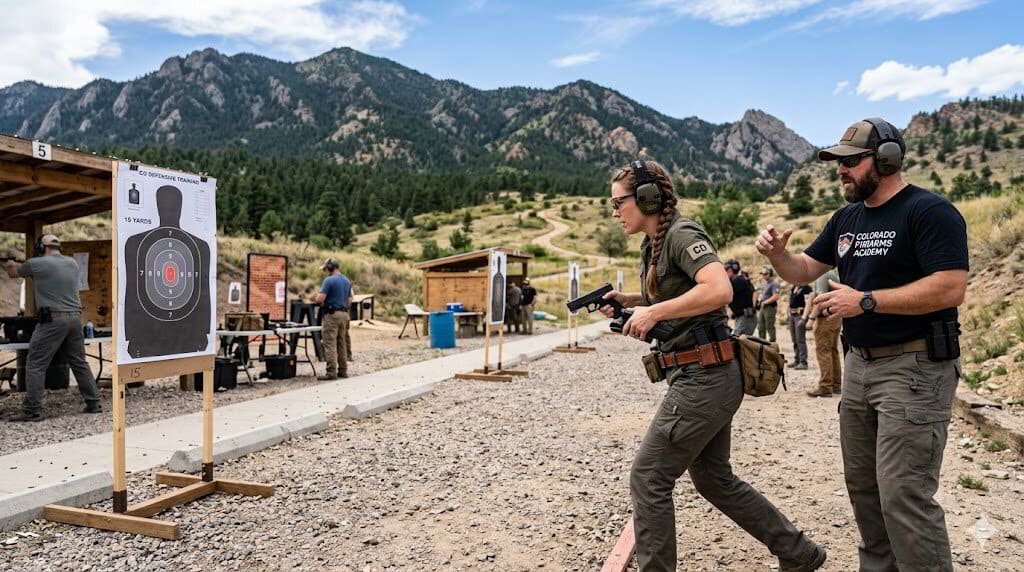
The Ultimate Guide to Defensive Handgun Training in Colorado
In an increasingly uncertain world, mastering defensive handgun training is essential for responsible gun ownership and personal safety. Co…
Read more →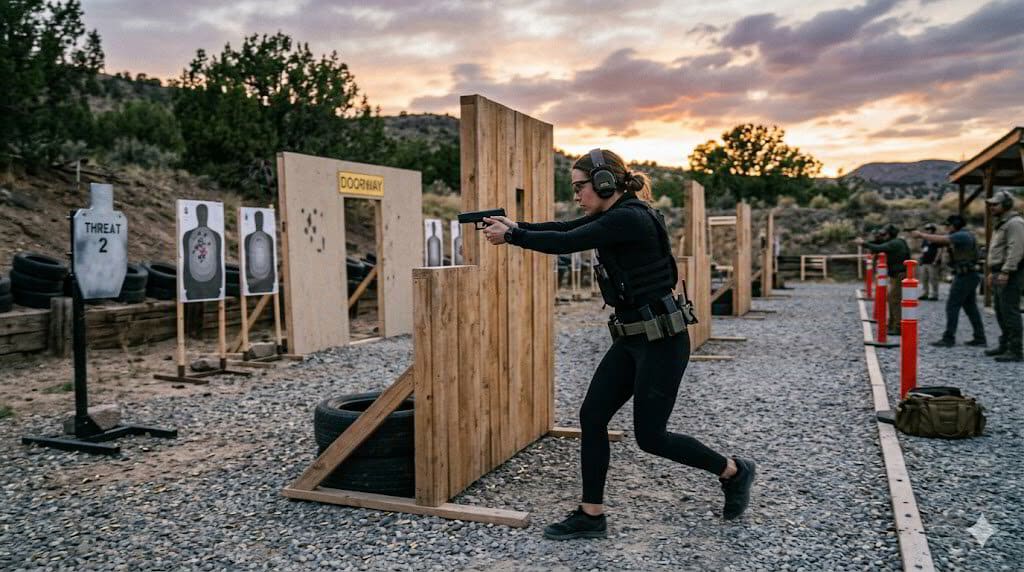
Best Practices for Defensive Handgun Training: A Comprehensive Guide
In a world where personal safety is increasingly vital, mastering defensive handgun training is essential for anyone considering firearm ow…
Read more →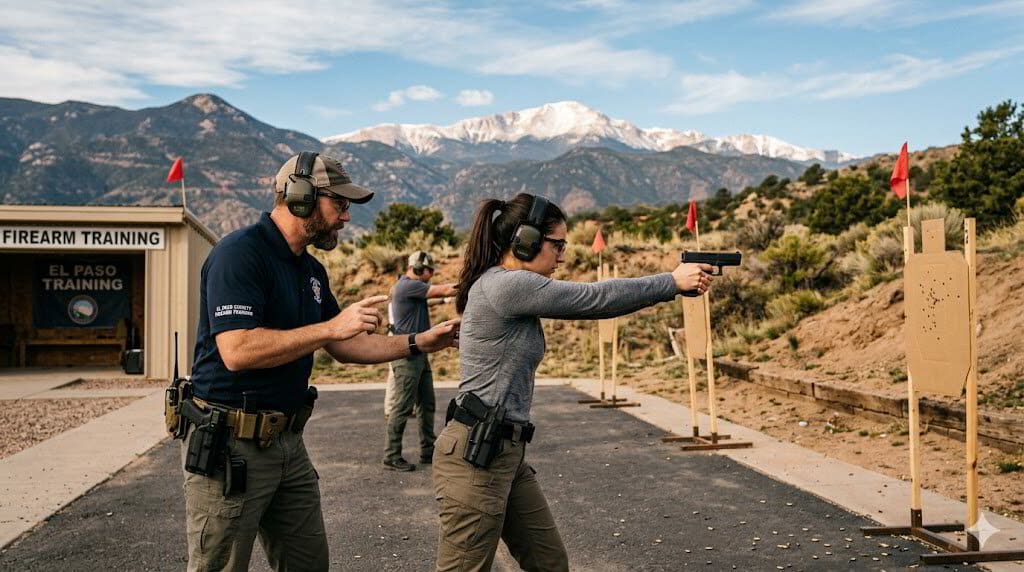
The Ultimate Guide to Firearm Training Courses in El Paso County, Colorado
In an age where firearm safety and education are paramount, Colorado Boots is proud to provide the definitive guide to firearm training cou…
Read more →