
Ultimate Guide to Firearm Training Classes in Colorado Springs
November 17, 2026 · Firearm Training / Safety Education / Shooting Classes
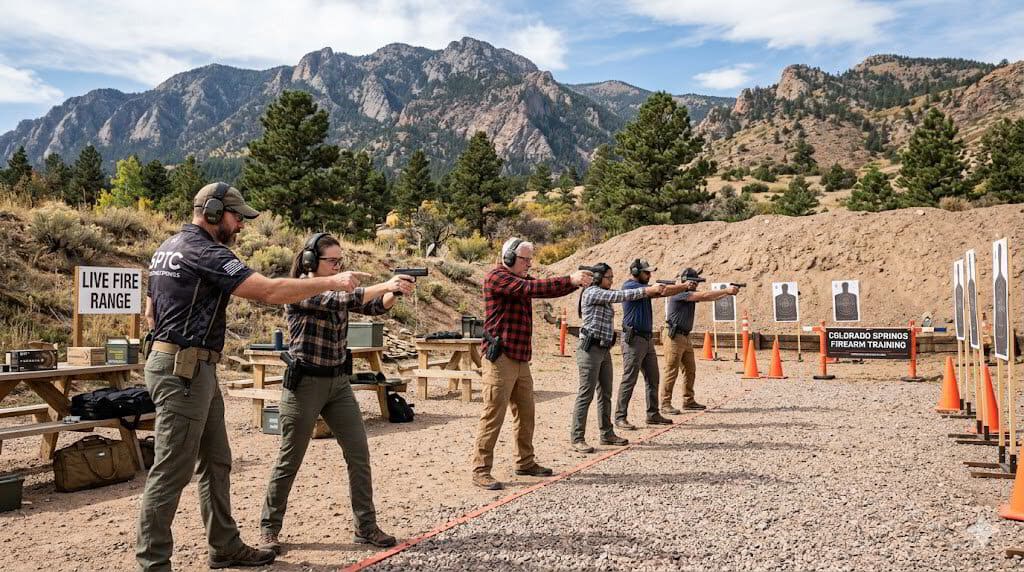
Introduction to Firearm Training in Colorado Springs
Firearm training represents a critical investment in personal safety, legal compliance, and responsible gun ownership. Whether you're a complete beginner feeling intimidated by firearms or an experienced shooter seeking to refine advanced techniques, proper instruction forms the foundation of safe and effective firearm use. Colorado Springs offers a comprehensive landscape of training opportunities designed to meet diverse needs and skill levels.
The importance of professional firearm training extends far beyond basic marksmanship. Comprehensive instruction encompasses safety protocols, legal requirements, proper handling techniques, and situational awareness that can prove invaluable in real-world scenarios. Quality training builds confidence while instilling respect for firearms and their potential consequences.
Colorado Springs residents have access to exceptional firearm training classes Colorado Springs that cater to various experience levels and specific objectives. From concealed carry preparation to advanced tactical training, the local training environment provides structured pathways for skill development. These programs emphasize safety-first approaches while building competency through progressive learning methodologies.
Professional instruction ensures that students develop proper fundamentals from the outset, preventing the formation of dangerous habits that can be difficult to correct later. Experienced instructors provide personalized feedback, identify areas for improvement, and create supportive learning environments where students can develop skills at their own pace while maintaining the highest safety standards.
Types of Firearm Training Classes Offered
The landscape of firearm training classes Colorado Springs encompasses a diverse range of programs designed to serve beginners through advanced practitioners. Understanding the various options available helps prospective students select appropriate training that aligns with their current skill level and future objectives.
Basic Training Programsform the foundation for new firearm owners and those seeking to establish proper fundamentals. The Handgun Fundamentals Course introduces students to essential concepts including safe handling, basic marksmanship principles, and fundamental shooting positions. This comprehensive program covers firearm components, ammunition types, and basic maintenance procedures. Students learn proper grip, stance, sight alignment, and trigger control through structured exercises designed to build confidence gradually.
The NRA Basic Pistol Course represents another excellent entry point for beginners. This nationally recognized program follows standardized curriculum covering pistol knowledge, safe handling, and fundamental shooting skills. Participants receive NRA certification upon successful completion, providing credential recognition nationwide. The course emphasizes safety protocols while introducing students to various pistol types and their applications.
Intermediate Training Optionsbridge the gap between basic instruction and advanced techniques. The Advanced Handgun Shooting Techniques course builds upon fundamental skills by introducing more complex shooting scenarios, multiple target engagement, and improved accuracy techniques. Students learn to shoot from various positions, engage targets at different distances, and develop faster target acquisition skills.
The Intro to Rifle Course expands students' knowledge beyond handguns, covering rifle fundamentals, different action types, and appropriate applications. This program introduces longer-range shooting concepts, different sighting systems, and rifle-specific safety considerations. Students gain exposure to various rifle platforms while developing foundational skills for future advanced training.
Advanced Training Programschallenge experienced shooters with sophisticated techniques and scenarios. The Advanced Pistol Course incorporates tactical shooting elements, advanced marksmanship techniques, and complex problem-solving scenarios. Students work on shooting under stress, multiple target engagement, and advanced accuracy techniques that push their capabilities.
Personalized Coaching and One-on-One Sessions provide the ultimate customized learning experience. These sessions allow instructors to focus entirely on individual student needs, addressing specific weaknesses and accelerating skill development. Advanced shooters benefit from targeted instruction that addresses their unique objectives, whether competitive shooting, tactical applications, or specialized techniques.
Specialized Training Optionsaddress specific demographics and applications. The Kids Firearm Safety Class introduces young people to firearm safety concepts in age-appropriate ways. These programs emphasize safety rules, responsible attitudes, and basic knowledge without necessarily involving live fire exercises. Proper early education helps children develop respect for firearms and understand appropriate responses when encountering them.
Additional specialized courses include the Selecting a Handgun Course, which helps students understand different handgun types and their applications, and the Choosing the Holster Course, which covers carry options, retention systems, and proper holster selection criteria. These programs provide essential knowledge for those planning to carry firearms for personal protection.
Choosing the Right Training Class
Selecting appropriate firearm training requires careful assessment of personal experience, specific objectives, and available time commitments. Understanding your current skill level provides the foundation for choosing programs that will challenge you appropriately without overwhelming your capabilities or compromising safety.
Experience Level Assessmentshould be honest and comprehensive. Complete beginners benefit most from foundational courses like Handgun Fundamentals or NRA Basic Pistol programs. These courses assume no prior knowledge and build skills systematically from basic safety through fundamental marksmanship. Students with some shooting experience but limited formal training often find these programs valuable for filling knowledge gaps and correcting improper techniques.
Intermediate shooters who have completed basic training and demonstrated safe handling skills can consider advanced handgun techniques or specialized courses. These students typically understand basic safety protocols and fundamental shooting principles but seek to expand their capabilities or explore specific applications. Advanced shooters with extensive experience and demonstrated proficiency can benefit from tactical courses, personalized coaching, or specialized programs that address specific objectives.
Training Objectivessignificantly influence appropriate class selection. Students seeking concealed carry permits should prioritize concealed carry classes Colorado Springs that address legal requirements, practical applications, and specific skills needed for defensive situations. Those interested in recreational shooting might focus on accuracy improvement and fundamental technique refinement.
Self-defense focused students benefit from programs emphasizing practical applications, stress management, and real-world scenarios. Competitive shooters require different skill sets focused on accuracy, speed, and consistency under pressure. Hunters need training emphasizing field shooting positions, range estimation, and ethical shot placement considerations.
Practical Considerationsinclude scheduling flexibility, budget constraints, and learning preferences. Some students prefer intensive weekend programs, while others benefit from extended courses spread over several weeks. Group classes provide peer interaction and cost efficiency, while individual instruction offers maximum customization and accelerated progress.
Consider prerequisite requirements for advanced courses. Many programs require completion of basic training or demonstrated proficiency before enrollment. Review course descriptions carefully to ensure appropriate skill level matching and understand any equipment requirements or additional costs involved.
Benefits of Firearm Training
Professional firearm training delivers numerous advantages that extend far beyond basic shooting skills. These benefits encompass safety improvements, legal compliance, confidence building, and practical skill development that serves students throughout their firearm ownership experience.
Safety Enhancementrepresents the most critical benefit of professional instruction. Comprehensive training instills proper safety protocols that become automatic responses, significantly reducing accident risks. Students learn the fundamental safety rules and understand their practical applications in various situations. Professional instructors emphasize safety consciousness that extends beyond the training environment into everyday firearm handling.
Proper training addresses common safety mistakes and provides strategies for maintaining safe practices under stress or in unfamiliar situations. Students develop situational awareness skills that help them identify potential hazards and respond appropriately. This safety foundation protects not only the firearm owner but also family members and community members who might be affected by improper handling.
Accuracy and Confidence Improvementsresult from systematic skill development and professional feedback. Many self-taught shooters develop bad habits that limit their accuracy and create frustration. Professional instruction identifies these issues and provides corrective techniques that dramatically improve performance. Students gain confidence through measurable progress and successful completion of challenging exercises.
Confidence extends beyond shooting accuracy to include overall firearm handling competence. Students who complete professional training feel more comfortable with their firearms and make better decisions regarding their use. This confidence translates into more effective performance in stressful situations where proper technique becomes critical.
Legal Knowledge and Compliancerepresent essential benefits for firearm owners. Professional training programs address relevant laws, regulations, and legal responsibilities associated with firearm ownership and use. Students learn about storage requirements, transportation regulations, and legal use of force concepts that protect them from inadvertent violations.
Understanding legal implications helps firearm owners make informed decisions about carry options, storage solutions, and appropriate responses to various situations. This knowledge provides peace of mind and reduces liability risks associated with firearm ownership.
Preparedness for Real-World Applicationsensures that training translates into practical capability when needed. Professional instruction emphasizes practical skills and realistic scenarios that prepare students for potential defensive situations. Students learn to perform under stress and make appropriate decisions quickly and effectively.
What to Expect in Firearm Training Classes
Understanding typical class structures and expectations helps students prepare mentally and physically for their training experience. Professional firearm training classes Colorado Springs follow established protocols designed to maximize learning while maintaining the highest safety standards throughout the instruction period.
Typical Class Structurebegins with comprehensive safety briefings that establish ground rules and emergency procedures. Instructors review fundamental safety principles and explain specific range protocols that will be enforced throughout the session. Students receive orientation to facilities, equipment, and emergency procedures before any live fire activities commence.
Classroom instruction typically precedes range activities, covering theoretical concepts, legal considerations, and technical information relevant to the specific course. Students learn about firearm components, ammunition types, and proper maintenance procedures through interactive presentations and hands-on demonstrations. This theoretical foundation prepares students for practical application exercises.
Range sessions follow structured progressions from basic exercises to more complex skills. Beginning students start with dry fire practice and basic handling exercises before progressing to live fire activities. Instructors provide individual attention and feedback throughout the process, ensuring that each student masters fundamental concepts before advancing to more challenging exercises.
Safety Protocolspermeate every aspect of professional training programs. Range safety officers maintain constant vigilance, immediately addressing any safety violations or concerns. Students learn that safety takes priority over everything else, including shooting performance or schedule considerations. This emphasis creates a culture where safety becomes automatic and instinctive.
Eye and ear protection requirements are strictly enforced, with quality equipment available for students who need it. Range commands and procedures are explained clearly, and students must demonstrate understanding before participating in live fire exercises. Emergency procedures are reviewed and practiced to ensure appropriate responses in unlikely but possible emergency situations.
Instructor Qualifications and Expertiseensure that students receive high-quality instruction from experienced professionals. Certified instructors possess extensive training backgrounds and maintain current certifications through ongoing education requirements. Many instructors bring military, law enforcement, or competitive shooting experience that enriches the learning environment.
Instructors adapt their teaching methods to accommodate different learning styles and experience levels within the same class. They provide patient, encouraging instruction while maintaining high standards for safety and performance. Professional instructors create supportive environments where students feel comfortable asking questions and admitting uncertainties without embarrassment.
How to Register for Classes
The registration process for firearms training courses involves several straightforward steps designed to ensure appropriate class placement and adequate preparation for the training experience. Understanding registration procedures helps prospective students navigate the enrollment process efficiently and avoid potential delays or complications.
Step-by-Step Registration Processbegins with course selection based on experience level and training objectives. Review available course descriptions carefully to ensure appropriate skill level matching and understand any prerequisite requirements. Contact Colorado Boots Firearms Instruction at 719-782-8793 to discuss course options and receive personalized recommendations based on your specific needs and objectives.
Complete enrollment forms provide necessary information including contact details, experience level, and any special considerations or accommodations needed. Some courses require proof of prerequisite completion or demonstration of basic competency before enrollment approval. Advanced courses may require instructor evaluation to ensure appropriate placement and safety considerations.
Confirm class dates, times, and location details during the registration process. Understand what equipment is provided versus what students must bring independently. Review any preparation requirements such as study materials or physical fitness considerations that might affect your training experience.
Payment Options and Fee Structurevary depending on course type and duration. Basic courses typically cost less than advanced or specialized training programs. Group classes generally offer better value than individual instruction, though personalized coaching provides maximum learning efficiency. Payment plans may be available for more expensive courses or multiple course packages.
Registration fees often include course materials, range fees, and basic equipment usage. Understand what additional costs might apply for ammunition, advanced equipment rental, or certification fees. Some courses include take-home materials or resources that add value to the training investment.
Scheduling Considerationsinclude both class availability and personal preparation time. Popular courses may have waiting lists, particularly during peak seasons or when taught by highly regarded instructors. Register early to secure preferred dates and times. Consider scheduling courses in logical progressions that build upon previous training rather than random selections.
Plan adequate time between courses for practice and skill consolidation. Intensive training programs require significant mental and physical energy, so avoid scheduling multiple demanding courses too close together. Allow time for equipment acquisition or preparation requirements before course dates.
Contact Colorado Boots Firearms Instruction through their website at https://coloradobootsfirearmsinstruction.com/ or call 719-782-8793 to begin your registration process and discuss which programs best match your training objectives.
Conclusion and Next Steps
Professional firearm training represents an essential investment for anyone serious about responsible gun ownership, personal protection, or shooting sports participation. The comprehensive range of firearm training classes Colorado Springs available through qualified instructors ensures that students at every skill level can find appropriate programs to meet their specific needs and objectives.
The benefits of professional instruction extend far beyond basic marksmanship skills to encompass critical safety knowledge, legal compliance, confidence building, and practical application capabilities. Whether you're a complete beginner seeking foundational knowledge or an experienced shooter pursuing advanced techniques, structured training programs provide the most effective path for skill development and safety enhancement.
Quality instruction creates lasting value through improved performance, enhanced safety consciousness, and greater confidence in firearm handling abilities. Students who complete professional training programs consistently demonstrate superior safety practices and more effective shooting performance compared to self-taught individuals. This foundation serves them well throughout their firearm ownership experience.
The variety of specialized programs available ensures that specific needs receive appropriate attention. From kids firearm safety classes that introduce young people to responsible attitudes, to advanced tactical training for experienced practitioners, professional instruction adapts to serve diverse requirements while maintaining consistently high safety standards.
Taking the next step toward professional firearm training requires only the commitment to prioritize safety and skill development. Colorado Boots Firearms Instruction offers comprehensive programs designed to serve beginners through advanced shooters with the same dedication to safety, professionalism, and effective instruction.
Ready to enhance your firearm knowledge, safety, and shooting skills? Contact Colorado Boots Firearms Instruction today at 719-782-8793 or visit https://coloradobootsfirearmsinstruction.com/ to explore our complete range of training programs. Our experienced instructors are ready to help you select the perfect course to match your experience level and training objectives. Don't wait – start building the skills and confidence that come with professional firearm training. Your safety and success are our top priorities.
Tags: firearm training Colorado Springs, gun safety classes, shooting lessons Colorado
Latest Blog & Articles
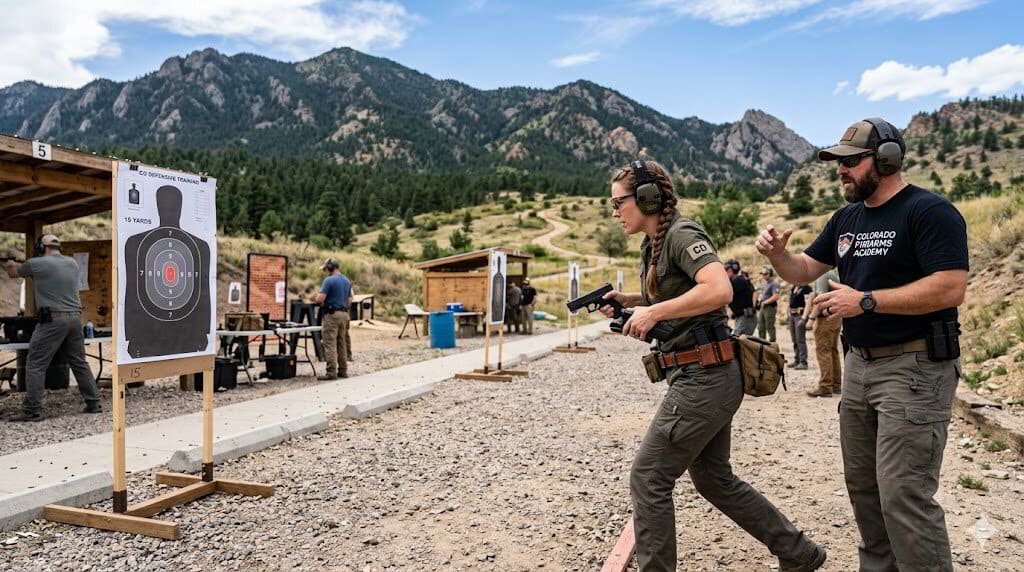
The Ultimate Guide to Defensive Handgun Training in Colorado
In an increasingly uncertain world, mastering defensive handgun training is essential for responsible gun ownership and personal safety. Co…
Read more →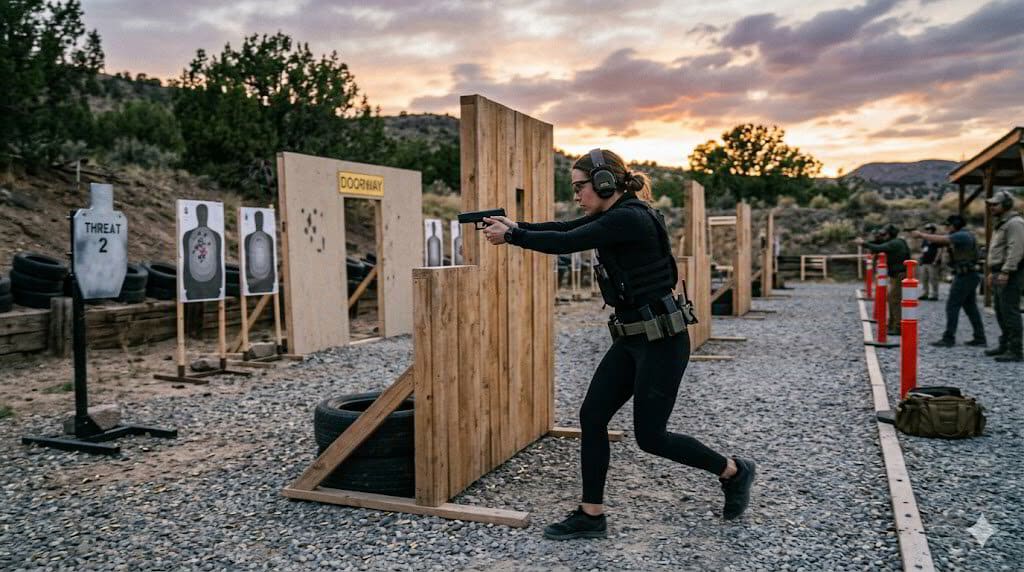
Best Practices for Defensive Handgun Training: A Comprehensive Guide
In a world where personal safety is increasingly vital, mastering defensive handgun training is essential for anyone considering firearm ow…
Read more →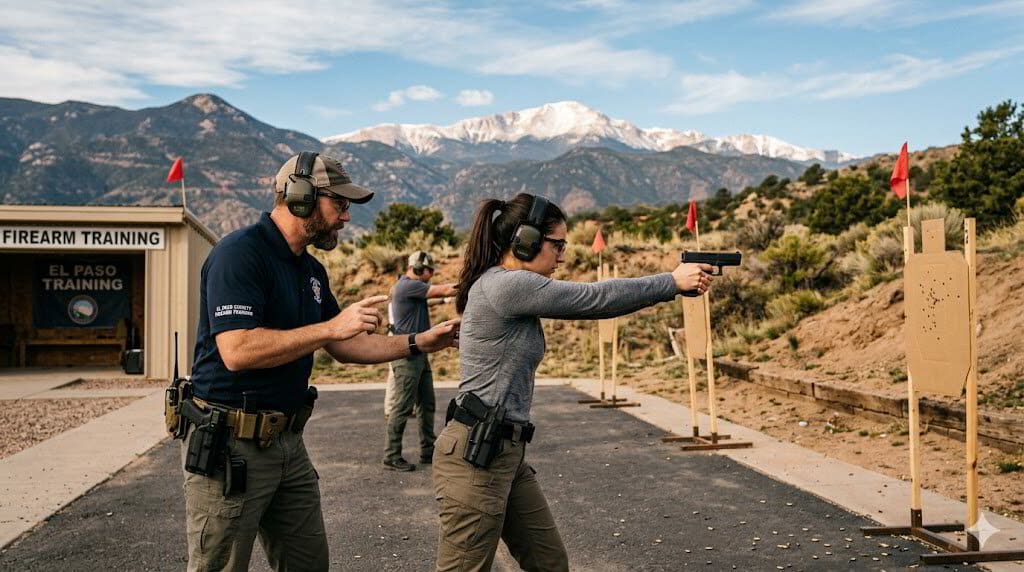
The Ultimate Guide to Firearm Training Courses in El Paso County, Colorado
In an age where firearm safety and education are paramount, Colorado Boots is proud to provide the definitive guide to firearm training cou…
Read more →