
Top Tips For Finding Firearm Instruction Near Me
January 27, 2026 · Firearms Training & Education / Gun Safety & Instruction / Local Shooting Classes
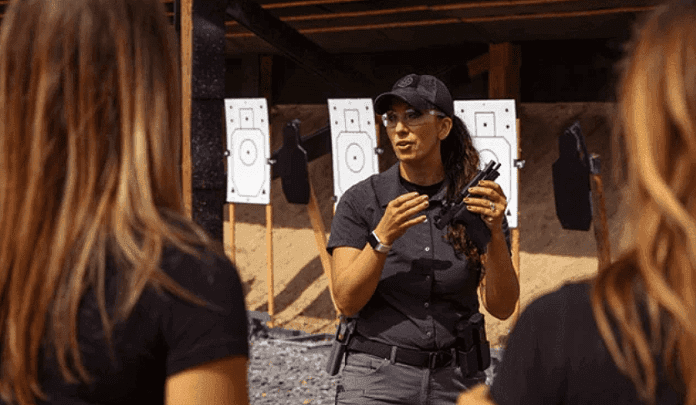
Are you searching for "firearm instruction near me" but feeling overwhelmed by the plethora of
options available? You're not alone in this journey. Whether you're a novice eager to learn the
basics of firearm safety and handling, or a seasoned shooter looking to refine your skills, finding
the right training is crucial. In today’s world, where responsible firearm ownership is more
important than ever, quality instruction can significantly enhance both your confidence and
competence with firearms. This guide will help you navigate the process of selecting the best
firearms training available in your area, ensuring that you make informed decisions every step of
the way.
Understanding Firearm Instruction
Firearm instruction is essential for anyone looking to responsibly engage in shooting sports or
self-defense. It encompasses a wide range of training programs designed to teach individuals
safe handling and effective operation of firearms. With the right instruction, you not only gain
technical skills but also develop a deeper respect for the responsibility that comes with firearm
ownership.
Importance of Proper Training
Proper training in firearm instruction is crucial, especially in today’s world where safety is
paramount. Here are a few reasons why investing in quality instruction matters:
- Safety First: Understanding the fundamental safety rules can help prevent accidents.
- Skill Development: Structured training can significantly enhance your shooting skills,
making you a more confident shooter. - Legal Knowledge: Many courses cover local laws regarding firearm ownership and use,
ensuring you're informed about your rights and responsibilities. - Community Connection: Engaging in firearm training often connects you with
like-minded individuals, fostering a supportive environment for learning.
Key Benefits of Firearm Instruction
When searching for "firearm instruction near me," you will find various options that cater to
beginners and seasoned shooters alike. The benefits of participating in structured firearm
instruction include:
- Hands-On Experience: Real-life practice with guidance from trained professionals.
- Personalized Feedback: Instructors often provide tailored advice to help you improve.
- Accreditation: Many firearm training courses are recognized and respected, adding
value to your credentials. - Network Opportunities: Connecting with instructors and fellow students may lead to
lifelong friendships and mentorship opportunities.
To explore more about the importance of firearm training and safety, you can visit National Rifle
Association, a leading organization dedicated to firearm education and safety.
Tips for Finding the Right Providers
When searching for "firearm instruction near me," it’s essential to find the right provider to
ensure you receive quality education and training. Here are some effective tips for locating
reputable firearm instruction in your area:
Research Local Options
Start by conducting thorough research to identify the firearms instructors and academies
available in your locality. Utilize various resources, including:
- Online Directories: Websites like Yelp and Google Maps can help you find local firearms
schools with user ratings and reviews. - Social Media: Join regional shooting and firearm enthusiast groups on platforms like
Facebook. These communities can offer valuable recommendations. - Local Gun Stores: Inquire at your nearest gun shop as they often have lists of certified
trainers in the area.
Check for Certifications and Qualifications
Once you have a list of potential instructors, it’s important to verify their credentials. Look for:
- Certification: Ensure that the instructor is certified by a recognized body, which can
indicate their level of expertise. - Experience: Inquire about their teaching experience and familiarity with different types of
firearms. - Specializations: Some instructors may specialize in areas such as self-defense, hunting,
or competition shooting.
Read Reviews and Testimonials
Feedback from past students can provide insights into the quality of instruction you can expect.
When evaluating different providers, consider the following:
- Overall Ratings: Look for instructors or schools that consistently receive high ratings.
- Specific Feedback: Read detailed testimonials that discuss both the strengths and
weaknesses of the instructor’s teaching methods. - Community Reputation: A well-regarded reputation in the firearms community often
points to credible trainers.
Taking the time to research and choose the right firearm instructor can greatly enhance your
learning experience. For more information about training and safety standards in the firearm
community, you may visit the National Shooting Sports Foundation, a leading organization
aimed at promoting safe and responsible firearm practices.
Types of Firearm Instruction Available
When seeking "firearm instruction near me," it’s important to understand the various types of
training programs available. Each type serves a different purpose and caters to different skill
levels. Here’s a breakdown of common instruction types:
Basic Firearm Safety Courses
These courses are ideal for beginners who are new to firearms. They focus on the essentials of
gun safety and handling. Key components include:
- Basic Safety Rules: Understanding the fundamental rules of firearm safety.
- Proper Handling Techniques: Learning how to handle firearms safely and effectively.
- Introduction to Different Firearms: Familiarizing with various types of firearms,
including handguns, rifles, and shotguns.
Advanced Shooting Techniques
Once you have a solid foundation, you may want to explore advanced shooting courses. These
are suited for individuals looking to refine their skills further. Elements of these sessions may
include:
- Precision Shooting: Techniques to improve accuracy and shooting consistency.
- Shooting Under Stress: Simulated scenarios to practice decision-making under
pressure. - Tactical Training: Focus on defensive shooting and real-world scenarios.
Specialty Classes
For those with specific interests, specialty courses are available. These may include:
- Concealed Carry Courses: Comprehensive training on laws and techniques for carrying
a concealed firearm safely. - Self-Defense Classes: Combination of firearm instructions with self-defense strategies.
- Hunting Safety Courses: Tailored for hunters, covering safe hunting practices and
regulations.
By identifying what type of firearm instruction best fits your goals, you're likely to find a program
that enhances your skills and confidence. To explore a wide range of firearm courses, you can
visit MidwayUSA, a reputable online retailer that offers resources and information on firearm
training and safety.
Evaluating Class Formats
When searching for "firearm instruction near me," it's crucial to consider the format of the
classes available. The structure of the program can impact your learning experience and overall
effectiveness in mastering firearm skills. Here are some class formats to evaluate:
In-Person vs. Online Instruction
Both formats have their pros and cons, depending on your needs and preferences.
- In-Person Instruction:
○ Hands-On Experience: Provides real-time feedback and hands-on practice with
firearms.
○ Immediate Interaction: You can ask questions and receive prompt answers from
instructors.
○ Real-Life Scenarios: Many instructors incorporate practical exercises, enhancing
skill retention.
- Online Instruction:
○ Flexibility: Offers the ability to learn at your own pace and schedule.
○ Access to Resources: Often includes access to videos, tutorials, and other
educational materials.
○ Cost-Effective: May be more affordable due to reduced overhead costs for
facilities.
Group Classes vs. Private Lessons
Choosing between group and private lessons can significantly affect your learning experience.
- Group Classes:
○ Community Learning: Provides a supportive environment where you can learn
alongside peers.
○ Cost-Effective: Typically less expensive than individual lessons.
○ Diverse Perspectives: Engaging with different participants can enhance
discussions and learning outcomes.
- Private Lessons:
○ Tailored Instruction: Focused training customized to your skill level and learning
pace.
○ Flexible Scheduling: Easier to arrange based on your availability.
○ Personalized Feedback: Instructors can concentrate solely on your performance
and improvement areas.
Frequency and Duration of Classes
Consider the length and frequency of classes when selecting an instruction program. A longer
duration may provide more in-depth training, while shorter, frequent sessions can help reinforce
learned skills. It's important to find a balance that fits your schedule and maximizes your
learning.
By choosing the right class format, you can ensure a more fulfilling firearm instruction
experience that meets your needs. For further insights on various training options, consider
exploring resources from Brownells, which offers a variety of firearm training materials and
classes.
Location Considerations
When looking for "firearm instruction near me," the location of the training facility is an important
aspect to consider. Your choice of location can significantly affect your learning experience,
accessibility, and overall convenience. Here are some key factors to evaluate:
Importance of Proximity
Selecting a nearby facility can save you time and effort. Consider the following:
- Travel Time: A shorter commute allows for more time spent on training rather than
traveling. - Frequency of Attendance: If classes are more accessible, you may be more inclined to
attend regularly, reinforcing your skills. - Convenience for Equipment Transport: Easy access makes it simpler to transport
firearms and gear.
Accessibility and Transportation Options
Evaluate how easy it is to reach the training facility via different modes of transportation:
- Public Transit: Check if there are bus routes or train stations near the location.
- Parking Availability: Ensure there’s sufficient parking space for your vehicle if you plan
to drive. - Safety of the Route: Consider the safety of traveling to and from the facility, particularly if
you are training during early morning or late evening hours.
Safety of the Training Environment
Safety should be a top priority when selecting a firearm training location. Look for:
- Secure Facilities: The firearms academy should follow strict safety protocols to protect
both students and instructors. - Range Policies: Ensure that the shooting range is well-maintained and adheres to safety
regulations. - Emergency Procedures: Familiarize yourself with the emergency protocols in place for
various scenarios.
By thoughtfully assessing location factors, you can find a program that aligns with your needs
for both convenience and safety. To discover firearm training options and facilities nearby, you
can visit Sig Sauer Academy, which offers a variety of classes and training programs across the
country.
Understanding Costs
When searching for "firearm instruction near me," understanding the costs associated with
different classes is a vital part of your decision-making process. Tuition fees can vary based on the
type of course, the facility’s reputation, and the instructor’s experience. Here are some key
cost-related factors to consider:
Average Pricing for Classes
- Basic Safety Courses: These typically range from $50 to $150, depending on the length
and comprehensiveness of the curriculum. - Advanced and Specialty Courses: Prices may go higher, often ranging from $150 to
$350, particularly for specialized training or private lessons. - Membership Fees: Some training facilities may require membership to access their
resources, which can add to the total cost.
Hidden Costs to Consider
In addition to the base tuition fee, be aware of additional expenses that may arise:
- Equipment Rental: If you don’t own your firearms or gear, you may have to pay a rental
fee. This can range from $20 to $100 per session. - Ammunition Costs: The price of ammo can add up quickly, especially during practical
shooting sessions. It's wise to check if the class includes ammo or if you're required to
bring your own. - Travel Costs: Factor in any transportation expenses, including gas and potential tolls if
the training facility is not close to home.
Payment Options and Discounts
Understanding payment options can also help ease the financial burden:
- Payment Plans: Some schools may offer installment payment plans that allow you to
spread the cost over several months. - Group Discounts: If you’re attending with friends or family, inquire about group rates that
may reduce the cost per person. - Early Bird Discounts: Certain facilities may offer lower prices for early registrations or
pre-payments.
By thoroughly evaluating all the associated costs of firearm instruction, you can make an
informed decision that aligns with your budget and training goals. For a broader understanding
of firearm training options and related costs, consider exploring resources from Academy Sports
+ Outdoors, which provides valuable information on various firearm classes and merchandise.
Making the Final Decision
Deciding on the best "firearm instruction near me" can be overwhelming with so many choices
available. However, a structured approach can help you make the right selection for your
training needs. Here are practical steps to consider before finalizing your decision:
Scheduling a Visit or Trial Class
Before committing to a course, consider doing the following:
- Facility Tour: Schedule a visit to the training facility to assess its environment and safety
measures. - Attend a Trial Class: Many programs offer trial classes, allowing you to experience the
instructor's teaching style and curriculum firsthand. - Meet the Instructors: Engaging with instructors can provide insight into their approach to
teaching and their compatibility with your learning style.
Asking the Right Questions
Preparing a list of questions to ask during your visit or initial contact can provide critical
information. Here are some inquiries to consider:
- What is the instructor-to-student ratio?
Understanding class sizes can help gauge how much personalized attention you may
receive.
- What qualifications and experience do the instructors have?
Inquiring about certifications and teaching history ensures you're learning from qualified
professionals.
- What is the cancellation or refund policy?
Clarity on costs incurred if you decide to withdraw can offer peace of mind.
Trusting Your Instincts
Ultimately, trust your gut feeling about the training facility and instructors. Consider the following:
- Comfort Level: Ensure you feel comfortable in the environment, as this will encourage
learning and skill development. - Reputation: Evaluate the reputation of the facility based on reviews, online ratings, and
community feedback. - Personal Goals: Reflect on how well the program aligns with your personal goals for
firearm training and safety.
By following these steps, you can confidently choose the right firearm instruction that fits your
needs. For more insights into firearms training and education, check out Gander Outdoors,
which provides resources and a variety of training opportunities.
Conclusion
Selecting the right "firearm instruction near me" is a significant step toward becoming a
responsible and skilled firearm owner. By taking the time to research, evaluate various options,
and ask the right questions, you can find training that not only meets your needs but also
enhances your proficiency and confidence.
The Path to Confident Shooting
As you embark on your journey in firearm instruction, remember that knowledge and practice
are your greatest allies. Effective training will:
- Enhance Your Skills: Regular practice under professional guidance can dramatically
improve your shooting capabilities. - Increase Your Safety Awareness: A strong foundation in safety and responsibility
ensures you can handle firearms securely. - Build Community Connections: Engaging in training courses can connect you with a
network of skilled professionals and enthusiasts who share your interests.
Emphasizing the Value of Quality Instruction?
A reputable firearm instructor will not only teach you how to shoot but also instill a deep
appreciation for the responsibility tied to firearm ownership. Investing in quality instruction lays
the groundwork for lifelong skills.
Encouragement to Start the Journey?
No matter where you are on your firearm journey, the right instruction is available to match your
aspirations. Take the initiative today—search for quality firearm instruction near you, and start
building your knowledge and skills. For additional resources on firearm safety and training,
consider visiting Cabela's, which offers a wealth of information and training options to guide your
learning.
What should I look for in a firearm instructor?
When selecting a firearm instructor, it's essential to consider their qualifications, experience, and
teaching style. Look for certified instructors with a strong reputation in the community. It’s also
beneficial to choose someone who has experience teaching students at your skill level and
demonstrates a commitment to safety.
Are there age restrictions for firearm training classes?
Yes, many firearm training classes have age restrictions. While some programs may allow
younger participants with parental consent, others may require students to be at least 18 years
old. It's important to check with the specific training facility regarding their age policies and any
additional requirements.
How long do typical firearm training courses last?
The duration of firearm training courses can vary significantly based on the content and depth of
the program. Basic safety courses may last a few hours, while more advanced or specialty
classes can span several days or weeks. Always review the course length in advance to ensure
it fits your schedule.
Is prior experience necessary to take firearm instruction classes?
No prior experience is typically needed for basic firearm instruction courses, which are designed
for beginners. These courses cover the fundamentals of firearm safety and handling. However,
for more advanced classes, some level of familiarity with firearms may be required, so be sure
to check the prerequisites for each specific course.
What should I bring to a firearm training class?
Most firearm training classes will provide a list of necessary items; however, you will generally
need to bring your firearm (if you own one), ammunition, eye and ear protection, a notepad, and
writing utensils. Ensure that you check the facility’s specific requirements ahead of time to be
fully prepared.
Tags: Best Firearms Training Tips, Finding Local Gun Classes, Choosing the Right Shooting Instructor
Latest Blog & Articles
The Ultimate Guide to Defensive Handgun Training in Colorado
In an increasingly uncertain world, mastering defensive handgun training is essential for responsible gun ownership and personal safety. Co…
Read more →
Best Practices for Defensive Handgun Training: A Comprehensive Guide
In a world where personal safety is increasingly vital, mastering defensive handgun training is essential for anyone considering firearm ow…
Read more →
The Ultimate Guide to Firearm Training Courses in El Paso County, Colorado
In an age where firearm safety and education are paramount, Colorado Boots is proud to provide the definitive guide to firearm training cou…
Read more →