
Top Gun Training Courses in Colorado
January 13, 2026 · Gun Safety & Skill Development / Firearms Training & Certification / Shooting & Marksmanship Programs
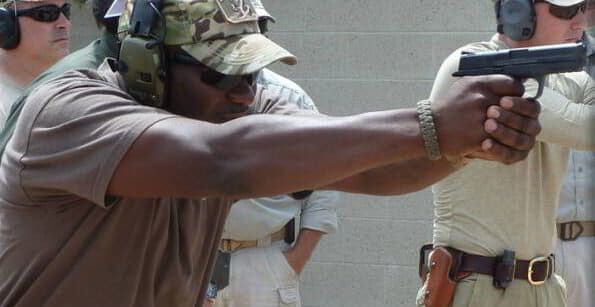
Gun training courses are more than just a means to become proficient with a firearm; they
represent a vital step toward responsible gun ownership in a society that values safety and
self-defense. Did you know that studies reveal that proper firearms education can significantly
reduce the rate of accidents and injuries? Whether you're a novice eager to learn the rules of
safe gun operation or an experienced shooter looking to refine your skills, these courses offer
invaluable insights into the nuances of firearm handling and legal responsibilities. In an
increasingly complex world, understanding the essentials of gun safety not only protects you but
also contributes to the well-being of your community. Let’s explore the types of gun training
courses available in Colorado and how they can empower you on your journey to becoming a
knowledgeable and responsible gun owner.
Understanding Gun Training Courses
Gun training courses play a pivotal role in educating individuals about firearms, promoting
responsible ownership, and enhancing safety. These courses cater to a diverse audience, from
novices who have never held a gun to seasoned enthusiasts seeking to refine their skills.
Definition and Importance
Gun training courses are structured programs aimed at teaching participants the essential
aspects of firearms handling, safety protocols, and legal responsibilities. The significance of
these courses cannot be overstated, as they contribute to:
- Ensuring public safety by reducing accidental discharges.
- Instilling a sense of responsibility among gun owners.
- Strengthening personal protection skills.
By providing comprehensive education about the Second Amendment and the right to bear
arms, these courses help individuals develop a deeper respect and understanding of firearms.
Overview of the Second Amendment
The Second Amendment of the United States Constitution protects the right of the people to
keep and bear arms. Understanding this amendment is crucial for any firearm owner or
enthusiast, as it highlights the foundational belief in the individual’s right to self-defense. Gun
training courses often incorporate discussions about the Second Amendment, emphasizing:
- Legal implications of gun ownership.
- The historical context behind the amendment.
- The responsibilities that come with the right to bear arms.
Benefits of Enrolling in Gun Training Courses
Engaging in gun training courses is beneficial not only for personal development but also for
community safety. Some key benefits include:
- Confidence Building: Participants gain confidence in handling firearms, which is
essential for safe usage.
- Skill Development: Courses often encompass marksmanship, safety protocols, and
tactical skills.
- Legal Awareness: Understanding the laws surrounding gun ownership and usage can
prevent legal issues later on.
For those looking to delve deeper into firearms education, organizations such as the National
Rifle Association (NRA) provide resources and additional training opportunities.
Incorporating these elements, gun training courses stand as a vital path for individuals seeking
to develop their knowledge, skills, and legal understanding in the realm of firearms.
Types of Gun Training Courses Available in Colorado
When it comes to gun training courses, Colorado offers a diverse range of options to cater to
different skill levels and interests. Whether you are a beginner eager to learn the basics or an
experienced shooter looking to enhance your proficiency, there is a course suited for your
needs.
Beginner Courses
Beginner courses are designed for individuals who are new to firearms. These courses cover
the essentials of gun safety and operation, ensuring that participants develop a solid foundation.
Key topics typically include:
- Basic firearm terminology
- Safe handling and storage practices
- Introduction to different types of firearms
Participants can expect hands-on training with instructors who emphasize safety and
responsible usage.
Intermediate and Advanced Courses
Once foundational skills are acquired, many enthusiasts opt for intermediate and advanced
courses to refine their shooting abilities. These courses often focus on:
- Improved marksmanship techniques
- Tactical shooting scenarios
- Advanced self-defense strategies
Experienced instructors guide participants through practical drills that enhance their shooting
skills and situational awareness.
Specialized Courses
Specialized courses cater to specific interests and needs. Some popular options include:
- Self-defense training: Emphasizes techniques for personal protection and situational
awareness.
- Concealed carry courses: Teaches the legalities and responsibilities of carrying a
concealed weapon.
- Competitive shooting classes: Focuses on skills and strategies for participating in
shooting competitions.
These courses provide targeted education to help participants meet their unique goals and
circumstances.
For those looking for comprehensive training resources and information about various training
programs, visiting organizations like the National Shooting Sports Foundation (NSSF) can be
beneficial.
In conclusion, the variety of gun training courses available in Colorado ensures that every
aspiring shooter can find the right fit for their journey into the world of firearms.
What to Look for in a Gun Training Course
Selecting the right gun training course is crucial for ensuring not only effective education but
also a positive learning experience. As a prospective student, understanding the key elements
to consider can help you make an informed choice.
Certification and Qualifications of Instructors
One of the most important factors to look for in gun training courses is the credentials of the
instructors. Qualified instructors typically possess:
- Certification from recognized firearms organizations.
- Extensive experience in shooting, hunting, or military service.
- A strong understanding of gun laws and safety regulations.
By ensuring that instructors are well-trained and certified, you can trust that you are receiving
education from knowledgeable professionals.
Course Content and Curriculum
The curriculum of a gun training course should be comprehensive and well-structured. Key
components to evaluate include:
- Safety Guidelines: Training should start with safety protocols to minimize risks.
- Hands-on Training: Practical exercises that allow students to apply what they've learned
are essential.
- Legal Knowledge: Courses should include information on gun laws applicable in your
state, especially if you are considering concealed carry or self-defense training.
Safety Policies and Practices
Safety should always be the top priority in any gun training course. Look for programs that
emphasize:
- Safe handling practices and proper storage of firearms.
- Emergency procedures in case of accidents during training.
- Clear rules and regulations regarding the use of firearms in a training environment.
A course with robust safety measures will help instill confidence in your skills and knowledge.
For additional resources on finding qualified gun training programs, the National Rifle
Association (NRA) offers guidance and useful links.
In summary, when searching for gun training courses, focus on instructor qualifications, course
content, and safety measures to ensure a valuable learning experience. By doing so, you can
be better prepared for responsible gun ownership and proficient use.
Top Locations for Gun Training in Colorado
Colorado is home to a variety of reputable facilities offering gun training courses that cater to a
wide range of skill levels. Selecting the right training location can significantly enhance your
learning experience. Below are some of the top locations known for their high-quality instruction
and resources.
Overview of Renowned Firearms Academies
Several firearms academies stand out in Colorado for their comprehensive gun training courses.
Key features include state-of-the-art facilities, experienced instructors, and a focus on safety.
Notable academies include:
- Colorado Firearms Academy: Known for a range of courses from basic handling to
advanced tactical training.
- Pikes Peak Firearms Training: Offers personalized instruction with an emphasis on
self-defense and concealed carry training.
- Rocky Mountain Shooting Facilities: Features extensive outdoor and indoor ranges for
various shooting disciplines.
Comparison of Class Formats
Gun training courses may vary in format, which can affect your learning experience. It’s
essential to consider your preferred method of instruction when choosing a course. Common
formats include:
- In-person Classes: Hands-on training provides direct interaction with instructors and
real-time feedback.
- Online Courses: Offer flexibility, allowing participants to learn at their own pace.
However, practical skills may need to be developed separately.
- Hybrid Classes: Combine online learning with in-person practice, blending the benefits of
both formats.
Accessibility and Facilities
When selecting a training location, consider both accessibility and the quality of facilities
available. Important factors to assess include:
- Proximity to your home or workplace to reduce travel time.
- Availability of ranges, classrooms, and equipment for practical training.
- Amenities such as restrooms, parking, and refreshments.
For additional training resources and information on well-reviewed gun training facilities, the
National Shooting Sports Foundation (NSSF) offers a directory of certified ranges and
instructors.
In conclusion, researching and selecting the right location for gun training courses in Colorado
plays a crucial role in shaping your shooting proficiency and overall experience. By considering
various factors such as academy reputation, course format, and accessibility, you can make a
well-informed decision that aligns with your personal training goals.
Benefits of Participating in Gun Training Courses
Engaging in gun training courses offers numerous advantages for individuals, whether you are a
novice or an experienced shooter. These courses not only enhance your skills but also promote
a responsible attitude toward gun ownership. Here are some of the key benefits.
Building Confidence with Firearms
One of the primary benefits of participating in gun training courses is the boost in confidence
that comes from proper education and practice. Through structured learning, participants can:
- Gain a better understanding of firearm mechanics.
- Become familiar with safe handling practices.
- Practice shooting in controlled environments, reducing anxiety and fear.
Understanding Gun Safety and Handling
Gun safety is a critical aspect of firearms training. Courses emphasize the importance of safety
protocols, including:
- Proper storage and transportation of firearms.
- Recognizing and mitigating potential hazards when handling guns.
- Learning about malfunction drills and emergency procedures.
By instilling a strong sense of safety, training courses help reduce the likelihood of accidents.
Legal Knowledge and Responsibilities
Navigating the legal landscape surrounding firearms can be challenging. Gun training courses
often include education on:
- Local and state laws related to gun ownership and usage.
- The legal implications of self-defense and concealed carry.
- Responsibilities that come with gun ownership, including liability issues.
Understanding these legal aspects prepares participants to make informed decisions while
following the law.
Networking and Community Building
Participating in gun training courses also provides opportunities to build connections within the
firearms community. Benefits include:
- Meeting like-minded individuals who share your passion for shooting sports.
- Accessing information about local shooting events and competitions.
- Gaining support from instructors and fellow participants for continued growth.
For more information on the importance of firearms education and community resources, the
National Rifle Association (NRA) offers various training programs and events.
In summary, the benefits of participating in gun training courses extend beyond mere technical
skills. By enhancing confidence, understanding safety, gaining legal knowledge, and fostering
community connections, these courses play a vital role in responsible gun ownership and
enjoyment of shooting sports.
Tips for Choosing the Right Gun Training Course
Selecting an appropriate gun training course is essential for maximizing your learning
experience and ensuring a solid foundation in firearms education. Here are some practical tips
to help you choose the right program tailored to your skills and goals.
Assessing Your Skill Level
Before enrolling in a course, evaluate your current proficiency with firearms. Consider the
following:
- Beginner: If you’re new to shooting, look for introductory courses that focus on safety
and fundamental skills.
- Intermediate/Advanced: Those with prior experience should seek out specialized
courses that challenge their current abilities and introduce advanced techniques.
Understanding your skill level will guide you to courses that will best meet your educational
needs.
Considering Course Reviews and Reputation
Researching the reputation of a training facility can provide valuable insight into the quality of
their gun training courses. Consider:
- Online Reviews: Look for testimonials on platforms like Google, Yelp, or social media to
gauge past participants' experiences.
- Instructor Credentials: Verify the qualifications and experience of the instructors to
ensure they are well-equipped to teach.
A well-reviewed course can improve your overall learning experience and satisfaction.
Budgeting for Training
Costs can vary significantly among different gun training courses. When budgeting, consider the
following factors:
- Course Fee: Understand what is included in the fee — some courses may offer additional
materials or equipment rental.
- Travel and Time: Factor in transportation costs and the time commitment required for the
course duration.
Finding a course within your budget that still meets your needs is vital for a good investment in
your training.
For additional resources on firearm education and finding reputable courses, organizations like
the National Shooting Sports Foundation (NSSF) offer valuable information and connections.
In conclusion, taking the time to assess your skill level, research course reputations, and budget
effectively will significantly improve your chances of selecting the right gun training courses for
your needs. By making a well-informed choice, you’ll set yourself up for success in your firearms
education journey.
How to Prepare for Your Gun Training Course
Preparing effectively for your gun training course can enhance your learning experience and
ensure that you gain the most from your time and investment. Here are some practical steps
you can take to get ready for your course.
Mental Preparation and Mindset
A positive mindset is crucial when approaching any gun training course. To mentally prepare,
consider the following:
- Stay Open-minded: Be ready to absorb new information and skills, regardless of your
previous experience.
- Set Realistic Goals: Determine what you aim to achieve from the course, whether it’s
mastering specific skills or gaining confidence.
- Practice Relaxation Techniques: Engage in breathing exercises or visualization to
manage any anxiety about training.
By fostering a focused and open-minded attitude, you’ll be better positioned to learn effectively.
Equipment and Gear Recommendations
Having the right gear can significantly impact your training experience. Here are items you
should consider bringing:
- Firearm: If the course doesn’t provide one, ensure your weapon is appropriate for the
specific training.
- Ammunition: Check with the academy about the required type and quantity of
ammunition ahead of time.
- Eye and Ear Protection: Safety gear is often mandatory, so don’t forget to bring or
purchase high-quality protection.
- Comfortable Clothing: Wear clothing that allows freedom of movement and is
suitable for outdoor or indoor shooting environments.
Being prepared with the appropriate gear will help you focus on your training without
distractions.
What to Expect on Your First Day
Arriving informed about what to expect can ease any concerns you might have. Here are some
common elements you can anticipate:
- Orientation: Many courses start with an introduction to the instructors, safety practices,
and an overview of the course structure.
- Initial Assessments: Your instructors may evaluate your skill level to tailor the training to
your needs.
- Hands-On Training: Expect a combination of classroom instruction and practical
shooting exercises.
Understanding the flow of the course will help you feel more comfortable and ready to engage.
For additional tips on preparing for firearms training, the NRA (NRA) provides resources that
can help ensure you are ready for your course.
By following these preparation tips for gun training courses, you can maximize your learning
experience, instill confidence in your skills, and develop a responsible attitude toward firearm
usage.
Frequently Asked Questions about Gun Training
Courses
As prospective participants explore gun training courses, several common questions often arise.
Addressing these queries can help potential students make informed decisions about their
training options.
Common Concerns and Misconceptions
Clarifying common misconceptions can alleviate fears and provide a better understanding of
what to expect from gun training courses:
- Is training only for experienced shooters?
No, courses are designed for all skill levels, including beginners. They provide a solid
foundation in safety and handling.
- Do I need to own a gun before enrolling?
Not necessarily. Many courses offer rental firearms, allowing you to learn without needing
your own initially.
- Are these courses safe?
Yes, reputable courses prioritize safety through rigorous protocols and training practices,
ensuring students are taught in a controlled environment.
Course Duration and Scheduling
Understanding course formats and time commitments is crucial for planning:
- Length of Courses:
Most introductory courses are typically a few hours to a full day, while more advanced or
specialized training can span multiple days.
- Scheduling Options:
Many facilities offer courses on weekends or evenings, making it easier to fit training into
a busy schedule.
Age Restrictions and Family Programs
Families interested in gun training courses should consider available options:
- Minimum Age Requirements:
Most programs require participants to be at least 18 years old for certain courses.
However, youth programs often exist for younger participants.
- Family-Friendly Courses:
Look for courses that allow family members or offer special programs designed for youth
to promote responsible gun ownership among younger generations.
For further insights into gun safety and training, you can visit the National Shooting Sports
Foundation (NSSF), which provides a range of resources for both new and seasoned shooters.
By addressing frequently asked questions about gun training courses, potential students can
feel more confident and informed as they embark on their journey into firearms education.
Understanding the structure, rules, and expectations of the courses will enhance the overall
training experience.
Conclusion: The Importance of Firearms Education
Firearms education through structured gun training courses is a crucial step toward responsible
gun ownership and safe firearm handling. The knowledge and skills gained in these courses not
only empower individuals but also promote a culture of safety and respect within the community.
Encouraging Responsible Gun Ownership
By participating in gun training courses, individuals can develop an understanding of their rights
and responsibilities as gun owners. This includes:
- Recognizing the importance of safe storage: Proper storage practices minimize risks
to family members and unauthorized individuals.
- Knowing the laws: Education about local and national gun laws ensures compliance and
helps avoid legal complications.
- Fostering a safety-first attitude: Continuous learning encourages responsible behavior
around firearms, ultimately contributing to safer communities.
Continuous Learning and Skill Development
Firearms training doesn’t end after completing a single course. Engaging in ongoing education
is vital for maintaining and improving skills:
- Attend advanced courses: Once you've mastered the basics, consider pursuing
specialized training such as tactical shooting or self-defense.
- Participate in workshops and seminars: Many organizations offer workshops that focus
on new techniques, safety updates, and legal changes.
- Practice regularly: Regular practice at shooting ranges helps reinforce skills learned in
training and builds confidence.
For those interested in furthering their firearms education, resources such as the National Rifle
Association (NRA) provide a wealth of information on training programs, safety guidelines, and
community events.
In summary, investing in gun training courses significantly enhances personal safety and fosters
responsible ownership. By becoming well-educated and trained, individuals can protect
themselves and others while enjoying the benefits of firearms responsibly.
What is the minimum age requirement for gun training courses?
Most gun training courses require participants to be at least 18 years old, especially for those
covering advanced topics or handling firearms. However, there are specific programs designed
for younger participants, typically under parental supervision, that focus on safe practices and
responsible gun ownership.
Do I need to have my own firearm to enroll in a course?
No, you do not necessarily need to own a firearm to participate in many gun training courses.
Many facilities offer rental guns for use during the courses, allowing you to gain experience
without the commitment of purchasing your own firearm.
What should I wear to a gun training course?
It is recommended to wear comfortable clothing that allows for ease of movement. Additionally,
closed-toe shoes are a must for safety. Depending on the course and environment, layers may
be a wise choice, especially in outdoor settings where temperatures can vary.
How long do gun training courses typically last?
The duration of gun training courses can vary widely based on the level and topic of the training.
Introductory classes often last a few hours to a full day, while advanced courses or specialized
training can take multiple days to complete.
Are there any prerequisites for attending an advanced gun training
course?
While some advanced courses may require prior completion of a basic firearm safety training
course, many do not have strict prerequisites. However, possessing a foundational
understanding of firearm safety and operation is always beneficial for participants looking to
take more specialized training.
Tags: Premier Firearms Training Colorado, Advanced Shooting Lessons, Colorado Tactical Firearms Classes
Latest Blog & Articles
The Ultimate Guide to Defensive Handgun Training in Colorado
In an increasingly uncertain world, mastering defensive handgun training is essential for responsible gun ownership and personal safety. Co…
Read more →
Best Practices for Defensive Handgun Training: A Comprehensive Guide
In a world where personal safety is increasingly vital, mastering defensive handgun training is essential for anyone considering firearm ow…
Read more →
The Ultimate Guide to Firearm Training Courses in El Paso County, Colorado
In an age where firearm safety and education are paramount, Colorado Boots is proud to provide the definitive guide to firearm training cou…
Read more →