
The Ultimate Guide to Colorado Concealed Carry Course Online: Learn Safely and Confidently
July 7, 2026 · Firearm Training / Safety & Education / Legal Compliance
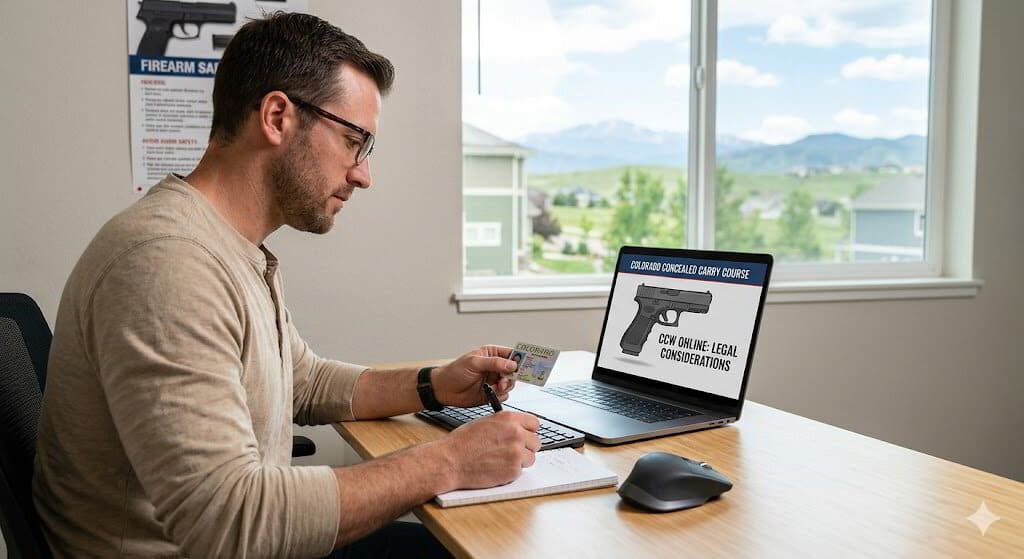
In today's rapidly changing world, personal security has become a paramount concern for many Colorado residents. Whether you're a complete beginner who has never handled a firearm or an experienced shooter looking to enhance your skills, obtaining proper training is essential for responsible gun ownership. The landscape of firearms education has evolved significantly, with online learning platforms now offering comprehensive instruction that rivals traditional classroom settings.
A Colorado concealed carry course online provides an accessible, flexible pathway to developing the knowledge and confidence needed for safe firearm handling and legal concealed carry. These courses combine the convenience of digital learning with rigorous safety protocols and expert instruction, making professional firearms training available to individuals regardless of their schedule constraints or geographic location.
The importance of proper training cannot be overstated. Statistics show that well-trained concealed carry permit holders are among the most law-abiding citizens in the country, with significantly lower crime rates than the general population. This speaks to the effectiveness of comprehensive training programs that emphasize not just technical skills, but also legal knowledge, ethical considerations, and situational awareness. By choosing a reputable online course, you're taking the first crucial step toward becoming a responsible, confident, and legally compliant concealed carry permit holder in Colorado.
Understanding the Basics of Concealed Carry
Concealed carry refers to the practice of carrying a concealed firearm in public spaces while maintaining proper licensing and adhering to state and local laws. In Colorado, this practice is regulated by specific statutes that define where, when, and how citizens may legally carry concealed weapons. The concept extends beyond simply hiding a firearm; it encompasses a comprehensive understanding of legal responsibilities, situational awareness, and the moral implications of carrying a potentially lethal weapon for personal protection.
Colorado operates under a "shall issue" concealed carry permit system, meaning that qualified applicants who meet specific criteria must be issued a permit. To obtain a concealed carry permit Colorado residents must be at least 21 years old, complete an approved training course, pass a background check, and demonstrate competency with a handgun. The state recognizes both resident and non-resident permits, though specific reciprocity agreements vary with other states. Additionally, Colorado law requires permit holders to complete their initial training through an approved curriculum that covers firearm safety, state laws, and practical shooting skills.
The benefits of obtaining a concealed carry permit extend far beyond legal compliance. Permit holders gain access to enhanced personal protection options, increased confidence in potentially dangerous situations, and the peace of mind that comes from being prepared for unexpected threats. Furthermore, concealed carry training develops critical thinking skills related to threat assessment, de-escalation techniques, and understanding the legal ramifications of defensive firearm use. Many permit holders also report improved general awareness of their surroundings and better decision-making in potentially risky situations.
The legal framework surrounding concealed carry in Colorado includes specific restrictions on where firearms may be carried, requirements for permit renewal every five years, and obligations to inform law enforcement during official contacts. Understanding these nuances is crucial for legal compliance and forms a significant portion of any comprehensive training program. Proper education helps prevent inadvertent violations that could result in criminal charges, permit revocation, or civil liability.
Course Overview and Structure
A comprehensive Colorado concealed carry course online typically consists of multiple interconnected modules designed to build knowledge progressively from basic concepts to advanced applications. The curriculum generally begins with fundamental firearm safety principles, advances through legal requirements and responsibilities, and concludes with practical application scenarios that test understanding and decision-making skills. This structured approach ensures that students develop a solid foundation before progressing to more complex topics.
The foundational modules typically cover firearm safety fundamentals, including the four cardinal rules of gun safety, proper handling techniques, and basic mechanical operation of common handgun types. Students learn about different action types, ammunition characteristics, and basic maintenance requirements. These modules often incorporate interactive elements, video demonstrations, and knowledge assessments to ensure comprehension before advancing to subsequent sections.
Legal education modules form a critical component of any quality program, covering Colorado state laws governing concealed carry, use of force statutes, and federal regulations affecting permit holders. Students learn about prohibited locations, reciprocity agreements with other states, and the legal implications of defensive firearm use. This section often includes case studies and scenario-based learning to illustrate how legal principles apply in real-world situations.
Advanced modules typically address situational awareness, threat assessment, conflict avoidance, and de-escalation techniques. These sections emphasize that carrying a concealed firearm involves significant responsibility and that the goal should always be to avoid confrontation when possible. Students learn to recognize potential threats, understand the legal requirements for justified use of force, and develop strategies for safely extracting themselves from dangerous situations.
The flexibility of online learning allows students to progress at their own pace while maintaining rigorous educational standards. Most courses include downloadable resources, interactive quizzes, and comprehensive final examinations that must be passed to receive certification. Many programs also provide ongoing access to course materials, allowing students to review content as needed for permit renewal or skill refreshment.
Choosing the Right Course for Your Needs
Selecting an appropriate training program requires careful consideration of your current skill level, learning preferences, and specific goals. Online courses offer distinct advantages over traditional classroom instruction, including flexible scheduling, self-paced learning, and the ability to review complex material multiple times. However, they also require greater self-discipline and may not provide the immediate feedback available in face-to-face instruction.
For beginners with limited or no firearm experience, comprehensive online courses provide an excellent introduction to essential concepts without the potential intimidation factor of group classroom settings. These courses allow new shooters to absorb information at their own pace, replay difficult concepts, and build confidence gradually. However, beginners should understand that online training must typically be supplemented with hands-on range instruction to meet Colorado's practical demonstration requirements.
Colorado Boots Firearms Instruction offers a diverse curriculum designed to accommodate shooters at every skill level. Their Colorado Concealed Carry License Training provides the foundational knowledge required for permit eligibility, while specialized courses like the Handgun Fundamentals Course and Advanced Handgun Shooting Techniques allow students to develop specific skills based on their interests and needs. The NRA Basic Pistol Course offers nationally recognized certification, while specialized offerings like the Choosing the Holster Course address practical considerations often overlooked in basic training.
Experienced shooters may benefit more from advanced courses focusing on tactical applications, advanced shooting techniques, or specialized scenarios. These individuals might consider supplementing basic permit training with courses in advanced pistol techniques or personalized coaching sessions that address specific skill development goals. The key is honestly assessing your current capabilities and identifying areas where additional training would be most beneficial.
When evaluating course options, consider factors such as instructor credentials, curriculum comprehensiveness, student support availability, and post-course resources. Quality programs provide clear learning objectives, regular progress assessments, and responsive student support. Additionally, look for courses that emphasize ongoing education and skill development rather than treating concealed carry training as a one-time requirement.
Key Firearm Safety Principles
Firearm safety forms the absolute foundation of responsible gun ownership and concealed carry. The four fundamental rules of firearm safety serve as non-negotiable principles that must be internalized and practiced consistently: treat every firearm as if it were loaded, never point a firearm at anything you don't intend to destroy, keep your finger off the trigger until ready to shoot, and be certain of your target and what lies beyond it. These principles apply regardless of the situation, environment, or perceived firearm condition.
Understanding proper firearm handling extends beyond memorizing safety rules to developing muscle memory and consistent behavioral patterns. This includes proper grip techniques, safe loading and unloading procedures, and appropriate muzzle control in various situations. A comprehensive firearm safety course teaches students to maintain these standards even under stress, when natural reactions might compromise safety protocols. Regular practice and reinforcement help ensure that safe handling becomes automatic rather than requiring conscious thought.
Storage safety represents another critical component of responsible firearm ownership. Proper storage prevents unauthorized access while maintaining reasonable accessibility for defensive purposes. This balance requires understanding various storage options, from basic trigger locks to sophisticated biometric safes, and selecting solutions appropriate for individual circumstances. Factors such as household composition, local crime rates, and personal accessibility needs all influence optimal storage strategies.
Real-life scenario training helps students apply safety principles in practical situations. These scenarios might include safely retrieving a firearm during a home invasion, maintaining muzzle control in crowded environments, or properly securing a weapon during routine activities. Quality training programs present diverse scenarios that challenge students to maintain safety protocols while addressing realistic defensive situations.
Environmental awareness forms an often-overlooked aspect of firearm safety. Understanding how different environments affect safety considerations – such as crowded public spaces, vehicles, or unfamiliar locations – helps concealed carry permit holders make informed decisions about when and how to carry. This awareness extends to understanding local laws and regulations that might affect carrying decisions in specific locations.
The consequences of safety violations can be severe, ranging from accidental injury or death to criminal charges and civil liability. Professional training emphasizes that safety protocols exist not to complicate firearm use, but to prevent tragic accidents that can destroy lives and families. Statistics consistently show that proper training and adherence to safety principles dramatically reduce the likelihood of accidents while improving overall shooting performance.
Advanced Training Opportunities
Beyond basic concealed carry certification, serious students of firearms training can pursue advanced education that significantly enhances their skills and understanding. Advanced training opportunities address specialized topics such as tactical shooting, advanced marksmanship, scenario-based decision making, and specialized equipment selection. These courses build upon foundational knowledge to develop expertise that goes far beyond minimum permit requirements.
Colorado Boots Firearms Instruction offers several advanced courses designed to elevate student capabilities. The Advanced Handgun Shooting Techniques course focuses on improving accuracy, speed, and consistency under various conditions. Students learn advanced shooting positions, multiple target engagement, and shooting while moving. These skills prove valuable not only for defensive purposes but also for competitive shooting and general marksmanship improvement.
Specialized courses like the Choosing the Holster Course address practical considerations that significantly impact concealed carry effectiveness. Proper holster selection affects comfort, concealment, accessibility, and safety. Students learn to evaluate different holster types, carry positions, and retention systems based on their individual needs, body type, and lifestyle. This specialized knowledge helps ensure that concealed carry remains practical and sustainable for daily use.
The Intro to Rifle Course expands student capabilities beyond handguns to include long-gun platforms. While rifles aren't typically used for concealed carry, they represent important tools for home defense and recreational shooting. Understanding rifle operation, safety, and applications provides a more comprehensive foundation for overall firearms proficiency.
Personalized coaching and one-on-one sessions offer the ultimate in customized training. These sessions allow instructors to identify individual strengths and weaknesses, develop targeted improvement strategies, and provide immediate feedback on performance. Advanced students often find that personalized instruction accelerates skill development more effectively than group courses, particularly for addressing specific technical challenges or preparing for competitive events.
Advanced training also emphasizes the mental aspects of defensive firearm use, including stress management, decision-making under pressure, and post-incident procedures. These psychological components often receive insufficient attention in basic courses but prove crucial in real-world defensive situations. Quality advanced training helps students understand the physiological and psychological effects of high-stress encounters and develop strategies for maintaining effectiveness when it matters most.
Testimonials and Success Stories
The effectiveness of quality firearms training becomes evident through the experiences of students who have completed comprehensive programs. Many students report significant improvements not only in their shooting skills but also in their overall confidence and situational awareness. These transformations often extend beyond firearms-related activities to positively impact other areas of their lives.
Beginning students frequently express initial nervousness or uncertainty about handling firearms, particularly those with limited prior experience. Through structured online learning combined with professional instruction, these individuals develop the knowledge and confidence necessary to safely handle firearms and make informed decisions about personal protection. Many report that the systematic approach of quality training programs helped them overcome initial fears while building genuine competence.
Experienced shooters often discover that formal training reveals gaps in their knowledge or technique that self-directed learning failed to address. Professional instruction provides objective assessment and correction of bad habits that can develop over years of informal practice. Many advanced students report significant improvements in accuracy, consistency, and overall shooting performance after completing structured training programs.
The community aspect of firearms training also provides significant value. Students often develop lasting relationships with fellow trainees and instructors, creating networks of support and ongoing learning opportunities. This community connection helps maintain motivation for continued skill development and provides resources for addressing questions or challenges that arise after formal training concludes.
Parents who have completed firearms training with their children through programs like the Kids Firearm Safety Class report improved family communication about firearms and enhanced household safety. These programs help children understand the serious nature of firearms while developing appropriate safety behaviors. Many families find that formal training provides a structured framework for introducing young people to firearms in a safe, controlled environment.
The long-term benefits of quality training extend far beyond initial certification. Many students continue their education through advanced courses, regular practice sessions, and ongoing skill development activities. This commitment to continuous improvement reflects the understanding that firearms proficiency requires ongoing attention and practice to maintain and enhance capabilities over time.
Conclusion and Next Steps
Comprehensive firearms training represents an investment in personal safety, legal compliance, and responsible citizenship. A quality Colorado concealed carry course online provides the foundation for safe, confident, and legal concealed carry while offering the flexibility needed to accommodate busy schedules and diverse learning preferences. The knowledge and skills gained through professional instruction extend far beyond minimum permit requirements to develop genuine competence and confidence.
The decision to pursue concealed carry training reflects a serious commitment to personal responsibility and public safety. Quality training programs emphasize that carrying a concealed firearm involves significant legal and moral obligations that require ongoing attention and skill development. Students who approach this training with appropriate seriousness and commitment typically find the experience both educational and empowering.
Continued education and practice remain essential for maintaining and improving firearms skills over time. Basic certification represents just the beginning of a lifelong learning journey that can include advanced techniques, specialized applications, and ongoing skill refinement. The most successful concealed carry permit holders treat their initial training as the foundation for continued growth rather than a one-time requirement.
The investment in quality training pays dividends in increased confidence, improved safety, and enhanced preparedness for unexpected situations. Students consistently report that professional instruction provides knowledge and skills that would be difficult or impossible to develop through self-directed learning alone. The structured approach of comprehensive training programs ensures that critical topics receive appropriate attention and that students develop well-rounded competence.
Ready to begin your journey toward safe, confident concealed carry?
Colorado Boots Firearms Instruction offers comprehensive training programs designed for shooters at every skill level.
Contact us today at 719-782-8793 or visit coloradobootsfirearmsinstruction.com to learn more.
Tags: Gun Safety, Concealed Carry Permit, Online CCW Colorado
Latest Blog & Articles
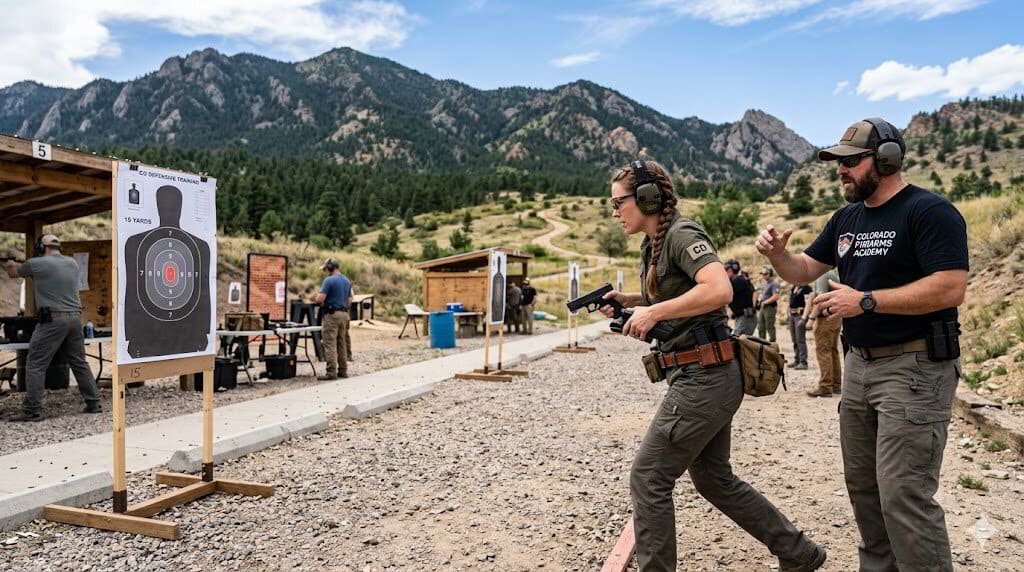
The Ultimate Guide to Defensive Handgun Training in Colorado
In an increasingly uncertain world, mastering defensive handgun training is essential for responsible gun ownership and personal safety. Co…
Read more →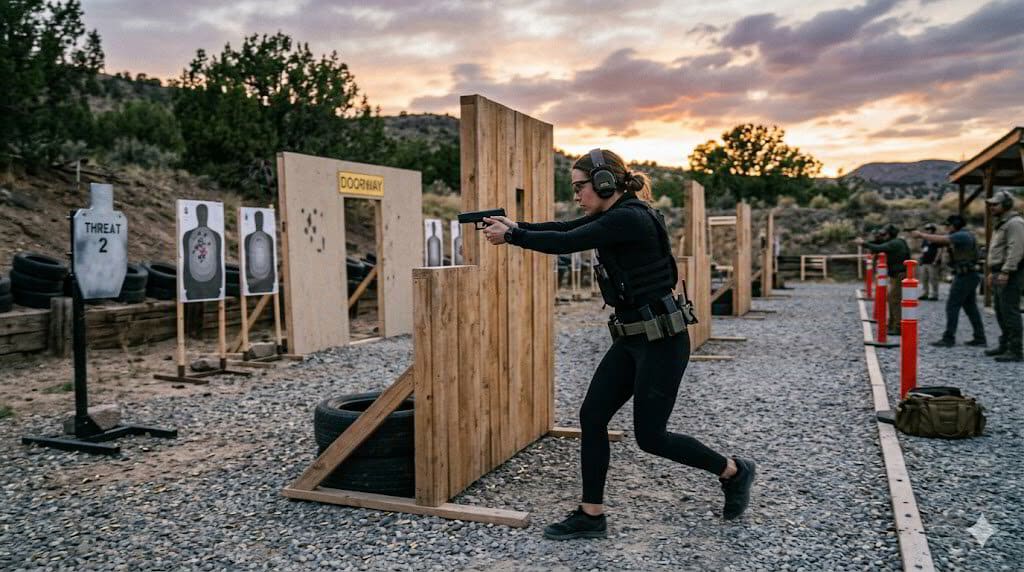
Best Practices for Defensive Handgun Training: A Comprehensive Guide
In a world where personal safety is increasingly vital, mastering defensive handgun training is essential for anyone considering firearm ow…
Read more →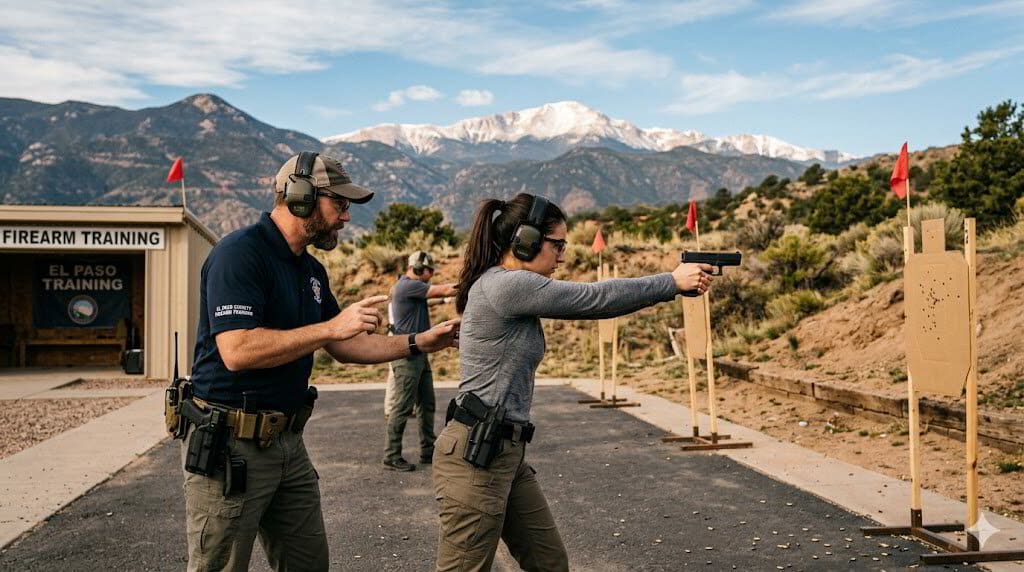
The Ultimate Guide to Firearm Training Courses in El Paso County, Colorado
In an age where firearm safety and education are paramount, Colorado Boots is proud to provide the definitive guide to firearm training cou…
Read more →