
The Ultimate Beginner's Guide to Firearm Safety Training
August 4, 2026 · Firearm Training / Safety & Education / Marksmanship Skills
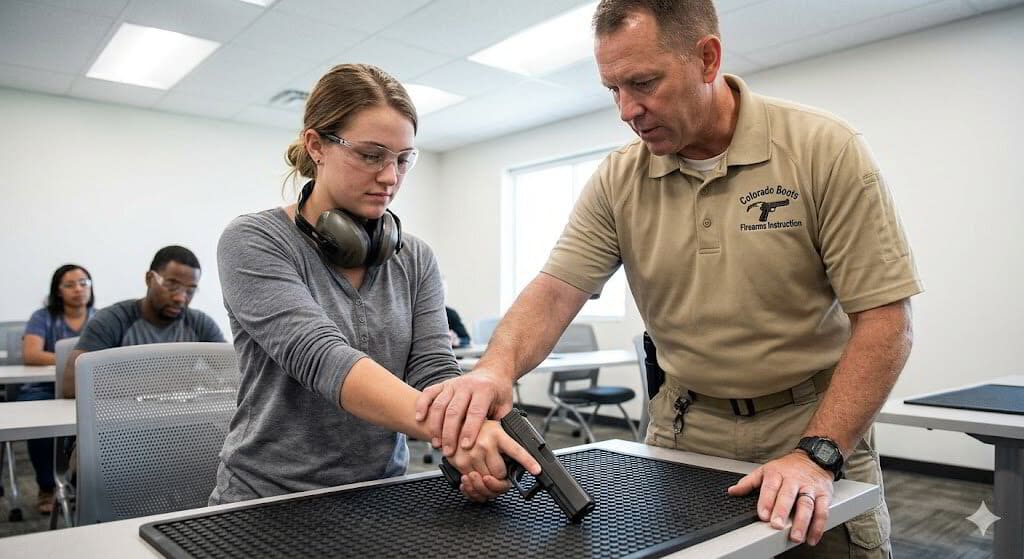
1. Introduction to Firearm Safety Training
Entering the world of firearms can feel overwhelming, especially for those who have never handled a gun before. Whether you're considering firearm ownership for personal protection, sport shooting, or simply want to understand these tools better, proper safety training forms the foundation of responsible firearm ownership. This comprehensive beginner's guide to firearm safety training will equip you with essential knowledge to approach firearms with confidence and responsibility.
Firearm safety training is not merely a recommendation—it's a critical necessity that can mean the difference between life and death. Every year, preventable accidents occur because individuals lack proper training and understanding of basic safety principles. However, with appropriate education and hands-on instruction, these incidents are entirely avoidable.
This guide covers everything from fundamental safety rules to selecting your first firearm, understanding legal requirements, and choosing the right training program. You'll learn about different types of firearms, essential safety protocols, and how to prepare mentally and physically for your first training course. Additionally, we'll explore the various training opportunities available in Colorado, including specialized courses designed for different skill levels and specific applications like concealed carry permits. By the end of this beginner's guide to firearm safety training, you'll have a solid foundation to begin your journey as a responsible firearm owner and operator.
2. Understanding Firearm Basics
Before diving into safety protocols, it's essential to understand the fundamental types of firearms and their basic components. This knowledge forms the cornerstone of effective firearm safety training and helps beginners develop proper respect for these powerful tools.
Types of Firearms
Firearms generally fall into three main categories: handguns, rifles, and shotguns. Handguns, which include revolvers and semi-automatic pistols, are designed to be operated with one hand and are popular for personal protection and concealed carry. Rifles are long-barreled firearms designed for accuracy at longer distances, making them ideal for hunting and sport shooting. Shotguns fire shells containing multiple pellets or slugs and are commonly used for hunting birds, clay shooting, and home defense.
Essential Firearm Components
Understanding basic firearm components is crucial for safe operation. The barrel is the metal tube through which the projectile travels, while the action encompasses the moving parts that load, fire, and eject cartridges. The trigger mechanism releases the firing pin or striker to ignite the cartridge, and various safety mechanisms prevent accidental discharge. The stock or grip provides a secure hold on the firearm, and sights help align the firearm with the target.
Basic Terminology
Familiarizing yourself with firearm terminology enhances communication during training and ensures clear understanding of instructions. Terms like "muzzle" (the front end of the barrel), "breach" (the rear of the barrel), "caliber" (the diameter of the barrel), and "ammunition" or "cartridge" (the complete round including bullet, case, powder, and primer) are fundamental. Understanding the difference between "loaded" and "unloaded," "safe" and "fire" positions, and proper commands like "cease fire" can prevent dangerous misunderstandings during training sessions.
3. The Importance of Safety Training
The statistics surrounding firearm accidents paint a sobering picture that underscores the critical importance of proper safety training. According to the National Safety Council, thousands of unintentional firearm injuries occur annually in the United States, with many involving individuals who lacked adequate training or failed to follow basic safety protocols. These incidents are particularly tragic because they are entirely preventable through proper education and adherence to established safety rules.
Legal Implications and Responsibilities
Firearm ownership carries significant legal responsibilities that vary by state and locality. In Colorado, while firearm ownership is a constitutional right, owners must understand federal, state, and local laws governing possession, storage, transportation, and use. Negligent handling that results in injury or property damage can lead to criminal charges and civil liability. Proper firearm safety training not only prevents accidents but also ensures compliance with legal requirements, protecting owners from potential legal consequences.
Environmental Safety Considerations
Safety considerations extend beyond basic handling to encompass different environments where firearms may be present. Home safety involves secure storage practices that prevent unauthorized access while maintaining quick availability for self-defense. Public safety requires understanding of concealed carry laws, de-escalation techniques, and the legal use of force. Range safety involves following specific protocols designed to protect all participants during training and practice sessions.
4. Essential Safety Rules
The foundation of firearm safety rests on four fundamental rules that must be followed without exception. These rules, when consistently applied, create multiple layers of protection that prevent accidents even when mistakes occur. Understanding and internalizing these rules is the most critical aspect of any beginner's guide to firearm safety training.
The Four Fundamental Rules
Rule 1: Treat every firearm as if it is loaded. This rule eliminates the dangerous assumption that a gun is unloaded. Even after checking the chamber and magazine, always handle the firearm with the same respect and caution you would show a loaded weapon.
Rule 2: Never point the muzzle at anything you don't intend to destroy. Maintaining proper muzzle direction at all times ensures that even if an accidental discharge occurs, no one will be injured. This means keeping the muzzle pointed downrange at the shooting range, toward the ground when moving, and in a safe direction during cleaning or storage.
Rule 3: Keep your finger off the trigger until ready to shoot. The trigger finger should rest alongside the frame or receiver until you have made the conscious decision to fire. This prevents accidental discharges caused by startled reactions, stumbling, or involuntary muscle contractions.
Rule 4: Be sure of your target and what lies beyond it. Before firing, identify your target clearly and consider what lies in the path of the bullet both at and beyond the target. Bullets can travel great distances and penetrate multiple barriers, making this rule crucial for preventing unintended damage or injury.
5. Choosing the Right Firearm for Beginners
Selecting your first firearm is a significant decision that impacts both safety and shooting success. For beginners interested in handguns, revolvers often provide simplicity and reliability. Semi-automatic pistols offer higher capacity but involve more complex operation. Rifles generally offer easier handling for beginners due to multiple contact points that provide stability and control. Modern firearms incorporate various safety features designed to prevent accidental discharge, such as manual safeties, drop safeties, and magazine disconnects.
6. Firearm Safety Training Programs in Colorado
Colorado offers numerous opportunities for comprehensive firearm training. Colorado Boots Firearms Instruction provides a comprehensive range of courses tailored to different skill levels. Their Handgun Fundamentals Course introduces beginners to safe handling and basic marksmanship. The NRA Basic Pistol Course covers pistol knowledge and shooting fundamentals following nationally recognized standards. For those interested in concealed carry, their Colorado Concealed Carry License Training covers legal requirements and safe carry practices.
Advanced courses like the Advanced Handgun Shooting Techniques and Advanced Pistol Course help experienced shooters refine their skills. The Intro to Rifle Course provides foundation training for long-gun enthusiasts, while the Choosing the Holster Course addresses safety and accessibility. The Kids Firearm Safety Class introduces young people to firearm safety in an age-appropriate manner.
7. How to Prepare for a Firearm Training Course
Proper preparation for your first firearm training course sets the foundation for success. Most training courses provide firearms, but students should bring eye and ear protection that fits properly. Comfortable, weather-appropriate clothing and closed-toe shoes are essential. Acknowledge that feeling nervous is normal; professional instructors are there to ensure your safety and help you build confidence gradually. Trust in the training process and remember that millions of people safely enjoy firearms through proper education.
8. Conclusion
This comprehensive beginner's guide to firearm safety training has covered the essential elements necessary for safe and responsible firearm ownership. The importance of professional training cannot be overstated. While this guide provides valuable information, hands-on instruction with qualified professionals ensures proper technique development. Whether your interest lies in self-defense training, concealed carry, or sport shooting, proper education is the key to success.
Ready to begin your firearm safety training journey?
Colorado Boots Firearms Instruction offers comprehensive courses designed specifically for beginners.
Contact us today at 719-782-8793 or visit coloradobootsfirearmsinstruction.com to schedule your training.
Tags: Firearm Safety Training, Gun Safety Rules, Beginner Gun Guide
Latest Blog & Articles
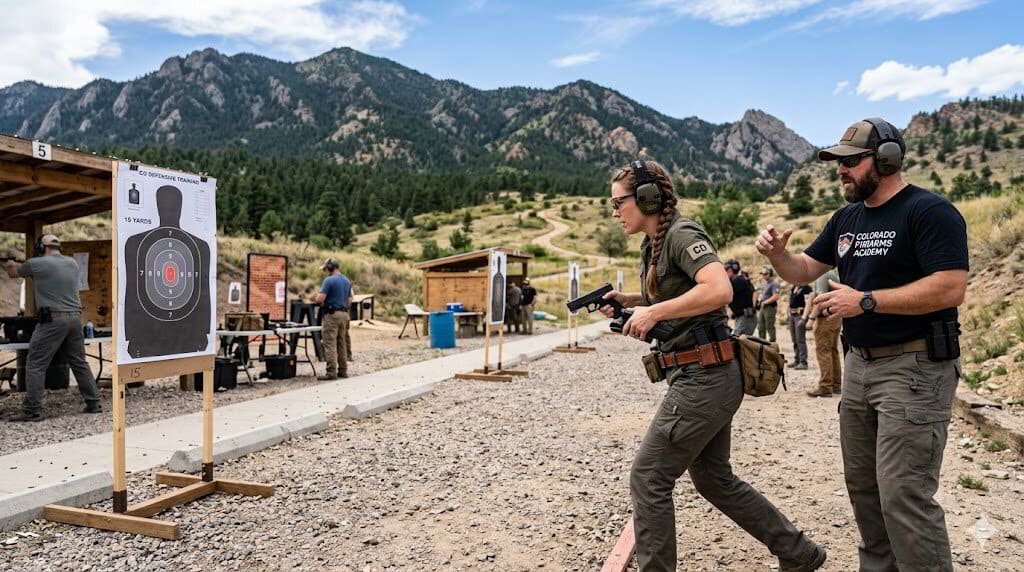
The Ultimate Guide to Defensive Handgun Training in Colorado
In an increasingly uncertain world, mastering defensive handgun training is essential for responsible gun ownership and personal safety. Co…
Read more →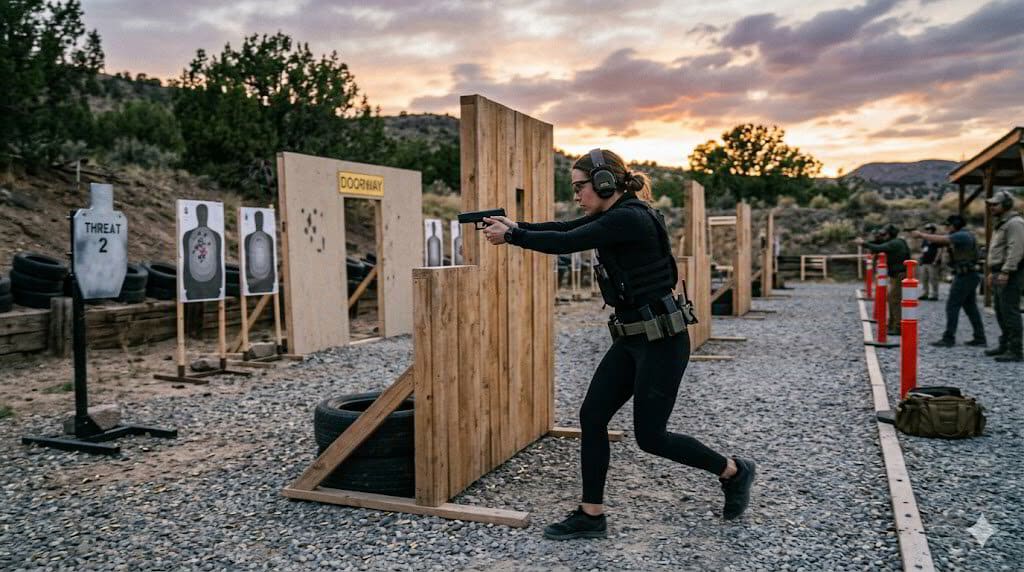
Best Practices for Defensive Handgun Training: A Comprehensive Guide
In a world where personal safety is increasingly vital, mastering defensive handgun training is essential for anyone considering firearm ow…
Read more →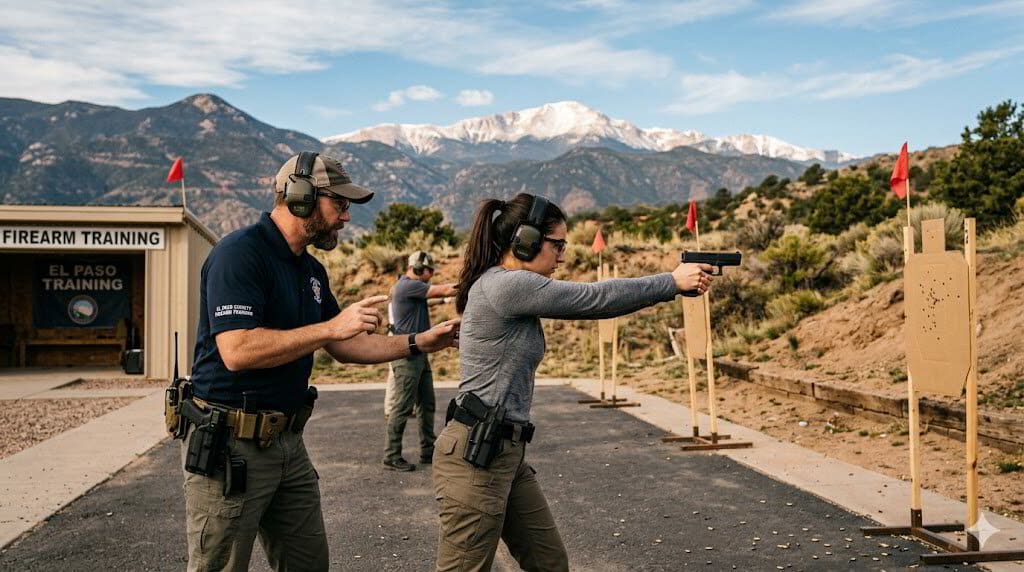
The Ultimate Guide to Firearm Training Courses in El Paso County, Colorado
In an age where firearm safety and education are paramount, Colorado Boots is proud to provide the definitive guide to firearm training cou…
Read more →