
Step by Step Guide to Understanding Second Amendment Rights
November 11, 2025 · Legal & Ethical Gun Use / Constitutional Rights & Gun Laws / Firearm Ownership & Self-Defense

In today's complex world, navigating the nuances of the Second Amendment can often feel
overwhelming. This step-by-step guide to understanding the importance of second amendment
rights is designed to clarify the foundational principles that shape our right to bear arms. Did you
know that nearly 30% of Americans own a gun, reflecting deep-seated beliefs about personal
safety and individual freedoms? As ongoing debates about gun control intensify, the significance
of understanding your rights has never been more critical. Whether you're a seasoned gun
owner or just beginning to explore the world of firearms, this guide will provide valuable insights,
empower informed discussions, and foster a greater appreciation for this vital aspect of
American liberty.
Overview of the Second Amendment
The Second Amendment to the United States Constitution is a cornerstone of American law and
culture, enshrining the right to keep and bear arms. Understanding the origins and implications
of this amendment is crucial for anyone interested in grasping the step-by-step guide to
understanding the importance of second amendment rights.
Historical Context
The Second Amendment was ratified in 1791 as part of the Bill of Rights, a series of
amendments designed to protect individual liberties. Its primary intent was influenced by the
Founding Fathers' experiences with British oppression and the importance they placed on
self-defense and militia service.
Key Terms and Concepts
- Militia: Refers to a body of citizens organized for military service.
- Bear Arms: The right to possess weapons for personal use, including self-defense.
- Well-Regulated: Implies the need for laws governing the use and ownership of firearms.
Understanding the Text of the Amendment
A closer examination of the text reveals its dual purpose. On one side, it emphasizes the
necessity of a "well-regulated militia," while on the other, it affirms an individual's right to bear
arms.
Breakdown of the language
- "A well regulated Militia" suggests the importance of organized groups for community
- defense.
- "The right of the people to keep and bear Arms" establishes individual rights that are
- protected from government interference.
Interpretation of "well-regulated militia"
Legal interpretations have evolved, with current views considering both state-organized militias
and individual gun ownership as essential aspects of the amendment. This underscores the
importance of being informed about rights and responsibilities as citizens.
The Importance of Second Amendment Rights
The Second Amendment holds great significance in American society, reflecting values such as
self-reliance and personal safety. Understanding this amendment leads to greater appreciation
and responsible engagement with firearms.
Self-defense and personal protection
- The right to protect oneself and loved ones from harm.
- The role of firearms in ensuring personal safety.
Cultural significance and American values
- The connection of gun ownership to individual freedoms.
- The tradition of hunting and sport shooting in American culture.
Analysis of public opinion on gun rights
Polls consistently show varied opinions on gun rights, with some advocating for stricter
regulations while others defend the right to own firearms. Engaging in informed discussions is
essential to navigating these complexities.
For more insights on the Second Amendment and its implications, you can visit National Rifle
By comprehensively understanding the Second Amendment, individuals can better engage with
the broader implications of their rights and responsibilities regarding firearm ownership.
Evolution of Second Amendment Case Law
The Second Amendment has undergone significant legal interpretation over the years, shaped
by key court cases that define its current understanding. Exploring this evolution is essential in
the step-by-step guide to understanding the importance of second amendment rights.
Landmark Supreme Court Cases
Several Supreme Court cases have been pivotal in establishing legal precedents regarding
firearm ownership and regulation:
- District of Columbia v. Heller (2008): This landmark case concluded that the Second
Amendment protects an individual's right to possess a firearm unconnected with service in
a militia, primarily for lawful purposes such as self-defense within the home.
- McDonald v. City of Chicago (2010): Affirmed that the Second Amendment is applicable
to the states through the Fourteenth Amendment, reinforcing the protection of individual
gun ownership against state infringement.
- New York State Rifle & Pistol Association Inc. v. Bruen (2022): Addressed the right to
carry firearms outside the home for self-defense, further expanding on personal rights
under the Second Amendment.
Impact of State Laws on Rights
While federal rulings set a baseline for individual rights, states have the authority to impose their
own regulations. This can lead to varying interpretations and implementations of Second
Amendment rights based on local legislation. It's crucial for gun owners to be aware of:
- Permit Requirements: Some states require permits for carrying concealed firearms,
while others allow open carry.
- Assault Weapon Bans: Different states have varying laws on the ownership of specific
types of firearms.
- Background Checks: The extent and requirements for background checks before
purchasing firearms differ from state to state.
Current Legal Landscape
The ongoing debates over gun control and personal rights underscore the dynamic nature of
Second Amendment interpretations. Citizens must stay informed about potential changes in
legislation that could affect their rights. Engaging with legal experts and advocacy groups can
provide clarity on how evolving laws will impact individual rights.
For further information on current firearms legislation and legal implications, you can visit
Understanding the evolution of Second Amendment case law is vital for anyone looking to grasp
the full scope of their rights and responsibilities as firearm owners in the United States. By
navigating these legal waters, individuals can better appreciate the importance of actively
participating in discussions surrounding gun rights and regulations.
Step-by-Step Guide to Engaging with Second
Amendment Rights
Engagement with Second Amendment rights goes beyond mere awareness; it involves
understanding how to navigate the legal landscape, participate in discussions, and responsibly
exercise one’s rights. Here, we provide a clear step-by-step guide to understanding the
importance of second amendment rights.
Researching Local Laws and Regulations
The first step in engaging with your Second Amendment rights is to familiarize yourself with
local regulations. Understanding state and local laws helps to ensure compliance and informed
participation.
- State-Specific Regulations: Research laws specific to your state regarding ownership,
carry permits, and prohibited firearms.
- Local Ordinances: Check for any city or county-specific regulations that may affect
firearms ownership and use.
- Legal Resources: Utilize resources from state government websites or reputable legal
databases to gather accurate information.
Finding Reliable Firearms Training Resources
Proper training is essential for anyone looking to exercise their Second Amendment rights
responsibly. Here’s how to find credible training providers:
- Firearms Academies: Look for registered and experienced firearms academies that offer
courses specific to your needs, such as basic safety, self-defense training, or advanced
shooting techniques.
- Online Reviews: Check reviews and testimonials to gauge the quality of training
programs.
- Certification Programs: Ensure that the training providers offer certifications that are
recognized by local law enforcement or firearms associations.
Joining Advocacy Groups for Education and Support
Being part of a community can greatly enhance your understanding and appreciation of Second
Amendment rights. Consider joining advocacy groups that promote education and responsible
gun ownership:
- National Rifle Association (NRA): A leading organization focused on protecting Second
Amendment rights through education, advocacy, and training.
- Giffords Law Center: While focused on gun control, this center provides information on
safe gun ownership and safety measures.
- Local Gun Clubs: Many cities have gun clubs that offer networking opportunities,
resources, and training sessions for members.
Engaging in Community Discussions
Participating in conversations about gun rights can help clarify your views and increase your
understanding of differing perspectives. Tips for engaging in community discussions include:
- Attend Local Meetings: Participate in town halls or community meetings that address
gun policy and rights.
- Follow Social Media Groups: Join groups that discuss Second Amendment issues to
stay informed about local developments.
- Educate Others: Share knowledge with friends and family to promote understanding of
the importance of Second Amendment rights.
For additional resources on responsible firearm ownership and community engagement, you
can visit Everytown for Gun Safety.
By following this step-by-step guide, you can actively participate in the discourse surrounding
Second Amendment rights, ensuring that your engagement is informed, responsible, and
impactful.
Challenges and Misconceptions Surrounding Second Amendment Rights
The Second Amendment is often surrounded by misinformation and polarizing views, making it
crucial to address common challenges and misconceptions. This understanding is a vital part of
the step-by-step guide to understanding the importance of second amendment rights.
Addressing Common Myths
Several myths about the Second Amendment persist in public discourse. Here are some key
misconceptions:
- Myth: The Second Amendment only applies to militias.
Fact: Legal interpretations affirm that it protects individual rights to own firearms, not just
for militia service.
- Myth: Gun ownership leads to increased crime.
Fact: Research has shown that responsible gun ownership combined with proper training
and safety measures can actually lower crime rates.
- Myth: Stricter gun laws prevent gun violence.
Fact: The effectiveness of gun control measures is a complex issue, with debates
ongoing about their actual impact on crime rates and safety.
Understanding the Balance Between Rights and Regulation
While the Second Amendment guarantees the right to bear arms, it also allows for certain
regulations:
- Background Checks: Many states require background checks to ensure firearms do not
fall into the hands of prohibited individuals.
- Age Restrictions: Legislation often sets minimum age requirements for purchasing
firearms to enhance responsible ownership.
- Prohibited Firearms: Some types of firearms are restricted or banned in specific
jurisdictions, aimed at reducing potential misuse.
Importance of Informed Discussions
Engaging in informed discussions about the Second Amendment is vital for nurturing a
constructive dialogue. Consider the following:
- Seek to Understand Opposing Views: Listen to differing opinions to foster mutual
understanding and respect.
- Use Credible Sources: Rely on reputable sources for information about rights and
responsibilities related to firearms.
- Promote Safe Practices: Focus discussions on responsible gun ownership and the
importance of safety training.
For additional insights and research-backed information regarding gun laws and firearms safety,
visit Brady United.
By effectively addressing challenges and misconceptions surrounding the Second Amendment,
individuals can become informed advocates for their rights, fostering a more responsible and
nuanced conversation about firearm ownership in America.
Resources for Further Learning
In order to deeply engage with and fully understand the Second Amendment, access to quality
resources is crucial. This section will guide you toward key materials and organizations that
enhance your knowledge, making it an important part of the step-by-step guide to understanding
the importance of second amendment rights.
Recommended Books and Articles
Reading books and articles authored by experts in the field provides valuable insights. Here are
some recommended titles:
- "The Second Amendment: A Biography" by Michael Waldman: This book offers a
historical perspective on the Second Amendment, tracing its evolution and relevance.
- "Gunfight: The Battle Over the Right to Bear Arms in America" by Adam Winkler: An
in-depth look at the legal battles surrounding gun rights and their implications for
American society.
- Scholarly Articles: Consider browsing legal journals for articles analyzing recent court
cases and Second Amendment interpretations.
Websites and Organizations Focused on Second Amendment Education
Several organizations focus on educating the public about Second Amendment rights and
responsible gun ownership. Explore these reputable websites:
- National Shooting Sports Foundation (NSSF): nssf.org provides resources for safety,
training, and advocacy on behalf of the shooting sports industry.
- American Firearms Association: Offers educational materials and advocacy resources
to help individuals understand their rights.
- Congressional Sportsmen’s Foundation: Focuses on policy issues affecting sportsmen
and women, including hunting and conservation efforts.
Connecting with Local Firearms Communities
Engaging with local communities can significantly bolster your understanding and appreciation
of Second Amendment rights:
- Join a Gun Club: Local gun clubs often provide training, resources, and opportunities to
interact with fellow gun enthusiasts.
- Attend Workshops and Seminars: Look for events that offer seminars on recent
developments in gun laws or firearms safety.
- Social Media Groups: Online communities can provide insights and facilitate discussion
about Second Amendment rights and responsible ownership.
By utilizing these resources, you can enhance your understanding of the Second Amendment
and its significance effectively. Engaging with credible and informative materials will empower
you to advocate effectively and responsibly for your rights and the rights of others.
Conclusion: Embracing the Second Amendment
Understanding the Second Amendment is essential for anyone looking to navigate their rights
and responsibilities as firearm owners. This conclusion serves as a recap of the importance of a
step-by-step guide to understanding the importance of second amendment rights and
encourages proactive engagement with these principles.
Reflecting on Personal Responsibility
Embracing the Second Amendment comes with the acknowledgment of personal responsibility.
Here are key points to consider:
- Safety First: Always prioritize safety in your practices, whether through training, proper
storage, or responsible usage.
- Informed Decision-Making: Take the time to research and consult resources when
making decisions about firearms ownership and usage.
- Legal Compliance: Stay updated on local laws and regulations to ensure that you are
abiding by legal requirements.
Encouraging Dialogue and Education on Gun Rights
Open conversations about the Second Amendment can lead to greater understanding and
collaboration. Consider these steps to foster constructive dialogue:
- Engage in Local Activism: Participate in community events and discussions focused on
gun rights and legislation.
- Share Knowledge: Utilize your understanding to provide insights to friends and family,
encouraging them to learn more about their rights.
- Support Advocacy Groups: Engage with local and national organizations that promote
responsible gun ownership and advocacy for Second Amendment rights.
How to Get Involved in Advocacy and Community Efforts
Joining advocacy groups or community efforts can significantly enhance your involvement with
Second Amendment rights. To get started:
- Find Local Organizations: Look for local groups focused on gun rights, training, or
advocacy for firearms issues.
- Participate in Events: Attend rallies, workshops, or educational seminars that focus on
the importance of the Second Amendment.
- Utilize Social Media: Engage with online communities discussing your rights and
promote responsible gun ownership.
By dedicating time to understand and engage with the Second Amendment rights, you not only
empower yourself but also contribute to a larger community that appreciates the importance of
responsible gun ownership and the freedoms it entails. For detailed information and continuing
education, visit Smith & Wesson, which offers a wealth of resources about firearms and safety.
FAQs About Second Amendment Rights
As discussions about the Second Amendment continue, questions often arise that need
clarification. This FAQ section serves as a resource within our step-by-step guide to
understanding the importance of second amendment rights, addressing common queries that
many citizens have.
What is the Second Amendment?
The Second Amendment to the United States Constitution states: “A well regulated Militia, being
necessary to the security of a free State, the right of the people to keep and bear Arms, shall not
be infringed.” This amendment protects the right of individuals to possess firearms, while also
acknowledging the role of militias.
What are my rights under the Second Amendment?
Under the Second Amendment, individuals have the right to own and carry firearms for lawful
purposes such as self-defense, sport shooting, and hunting. Understanding your rights also
involves awareness of state-specific regulations and laws that may apply.
Are there restrictions on gun ownership?
Yes, there are various restrictions that can impact gun ownership. Some common restrictions
include:
- Felony Convictions: Individuals with felony convictions may be prohibited from owning
firearms.
- Mental Health Issues: Certain mental health conditions may restrict an individual’s ability
to possess firearms.
- Age Restrictions: Most states impose age limits for firearm purchases (typically 18 for
rifles and 21 for handguns).
How can I safely store my firearms?
Safe storage of firearms is crucial to prevent unauthorized access and accidents. Consider
these best practices:
- Use Gun Safes: Secure firearms in a locked gun safe to keep them safe from children
and unauthorized users.
- Trigger Locks: Utilize trigger locks to add an extra layer of security to your firearms.
- Educate Family Members: Ensure that all household members are aware of safe firearm
practices and storage methods.
Where can I find reliable training and resources?
There are many reputable organizations that offer training and educational resources. Look for
local firearms academies, community colleges, or national organizations like the National Rifle
Association (NRA), which has a wealth of training courses and safety materials available
online.
For more comprehensive resources on firearms education and safety, you can visit Cabelas,
which offers a variety of firearms training and safety programs.
By addressing these frequently asked questions, individuals can better navigate their rights and
responsibilities under the Second Amendment, paving the way for informed and responsible
ownership of firearms.
The Future of Second Amendment Rights
As the landscape of Second Amendment rights continues to evolve, it is critical to stay informed
about potential changes and the ongoing cultural dialogue surrounding firearms legislation. This
section highlights important factors to consider regarding the future of the Second Amendment
within the context of our step-by-step guide to understanding the importance of second
amendment rights.
Emerging Legislation and Trends
With ongoing debates at both federal and state levels, understanding emerging legislation is
crucial. Some trends to watch include:
- Red Flag Laws: Laws enabling law enforcement to temporarily remove firearms from
individuals deemed a threat to themselves or others are becoming more prevalent. These
laws raise discussions about mental health and due process.
- Universal Background Checks: There is a push towards implementing universal
background checks for all firearm purchases, including private sales, to enhance safety.
- Self-Defense Laws: Enhancements or challenges to "Stand Your Ground" laws impact
how self-defense is interpreted in various states.
The Role of Technology in Firearm Safety
Technological advancements can lead to safer gun ownership and usage. Key innovations
include:
- Smart Gun Technology: Firearms that can only be fired by authorized users are being
developed to reduce accidents and unauthorized use.
- Safety Apps: Mobile applications that promote gun safety, track gun owners’ training, and
provide emergency contact information are on the rise.
- Firearm Tracking Systems: Technology that enables owners to track their firearms in
case of theft is becoming increasingly available.
Community Involvement and Discussion
Active participation in community and national dialogues can influence the future of Second
Amendment rights. Here's how to get involved:
- Attend Town Hall Meetings: Local meetings often discuss legislative changes affecting
gun rights, providing an opportunity to voice opinions.
- Engage on Social Media: Follow and participate in discussions on social media
platforms to stay educated and share perspectives with others.
- Participate in Advocacy Campaigns: Join or support organizations that advocate for
Second Amendment rights to contribute to broader initiatives.
For ongoing updates regarding firearms legislation and community resources, you can visit
Outdoor Channel, which features a range of articles and discussions about hunting, shooting
sports, and responsible gun ownership.
By understanding these emerging issues and taking informed actions, individuals can contribute
to the future of Second Amendment rights, ensuring they are upheld and informed throughout
changing societal norms.
What does the Second Amendment actually say?
The Second Amendment to the United States Constitution states: “A well regulated Militia, being
necessary to the security of a free State, the right of the people to keep and bear Arms, shall not
be infringed.” This wording indicates the importance of both collective and individual rights
related to firearms.
Why is the Second Amendment important?
The Second Amendment is vital as it protects an individual's right to own and carry firearms,
which is seen as essential for self-defense and personal security. Additionally, it reflects the
historical context of American independence and the belief in individual freedoms.
How do state laws affect Second Amendment rights?
State laws can vary significantly in their interpretation and application of the Second
Amendment. For instance, some states have stricter regulations regarding firearm ownership
and carry permits, while others maintain more permissive stances. It's crucial for gun owners
to be aware of the specific laws in their state to ensure compliance and informed ownership.
Are there limitations to Second Amendment rights?
Yes, while the Second Amendment protects the right to bear arms, there are limitations.
Restrictions can include age requirements, background checks for firearm purchases, and
prohibitions on ownership for individuals with felony convictions or specific mental health
issues.
How can I find training resources for firearm safety?
Finding reliable training resources is essential for responsible gun ownership. You can look for
local firearms training academies, certified instructors, or organizations like the National Rifle
Association (NRA), which offers a variety of courses and materials focused on safety, handling,
and responsible ownership.
Tags: Second Amendment Rights Explained, Gun Laws & Constitutional Rights, Firearm Ownership & Legal Guide, Understanding the Right to Bear Arms
Latest Blog & Articles
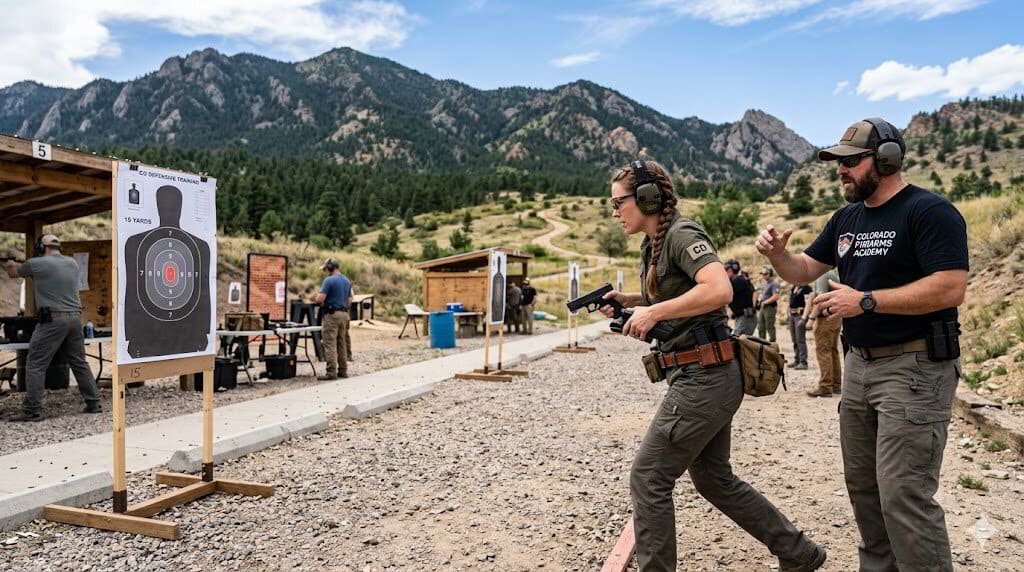
The Ultimate Guide to Defensive Handgun Training in Colorado
In an increasingly uncertain world, mastering defensive handgun training is essential for responsible gun ownership and personal safety. Co…
Read more →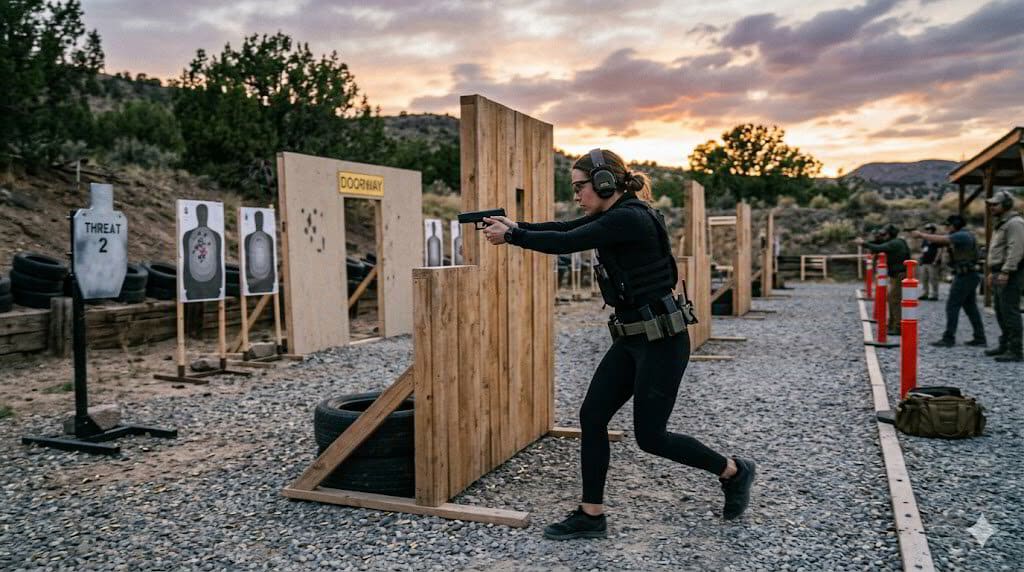
Best Practices for Defensive Handgun Training: A Comprehensive Guide
In a world where personal safety is increasingly vital, mastering defensive handgun training is essential for anyone considering firearm ow…
Read more →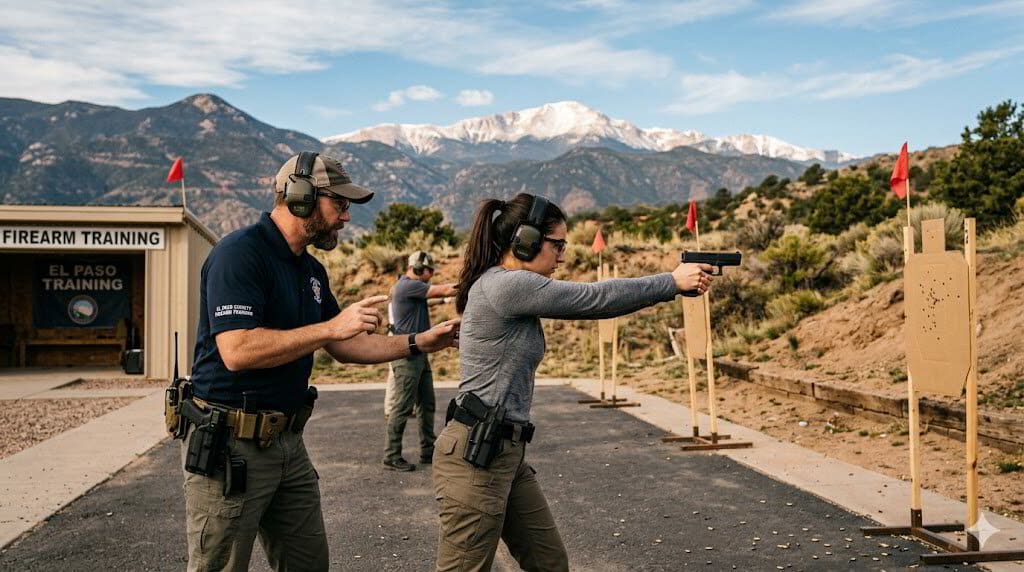
The Ultimate Guide to Firearm Training Courses in El Paso County, Colorado
In an age where firearm safety and education are paramount, Colorado Boots is proud to provide the definitive guide to firearm training cou…
Read more →