
Step by step guide to safely store firearms at home
December 31, 2024 · guide to safely store firearms at home

In a world where responsible gun ownership is more crucial than ever, understanding the
step-by-step guide for beginners on how to safely store firearms at home can make all the
difference. Did you know that unintentional shootings account for nearly 500 deaths and
thousands of injuries each year in the United States? These staggering statistics highlight the
vital need for proper firearm storage practices. Whether you're a first-time gun owner or looking
to sharpen your existing knowledge, securing your firearms properly is an essential
responsibility. In this comprehensive guide, we will walk you through the necessary steps to
ensure your firearms are stored safely, protecting your loved ones and promoting a culture of
safe gun ownership in your home.
Understanding the Importance of Safe Firearm Storage
When it comes to gun ownership, safety should always be the top priority. Proper storage of
firearms at home not only protects your family but also helps prevent accidents and
unauthorized access. A step-by-step guide for beginners on how to safely store firearms at
home is essential for fostering a secure environment.
Why Safe Storage Matters
Safe storage is crucial for several reasons:
- Accident Prevention: Firearms left unsecured can lead to accidental discharge,
especially when there are children or inexperienced individuals in the home.
- Theft Deterrent: Well-secured firearms are less attractive targets for thieves, which can
help prevent firearm-related crimes.
- Legal Compliance: Many states have regulations regarding firearm storage that must be
adhered to for legal ownership.
Risks Associated with Poor Storage
On the other hand, improper firearm storage can result in:
- Increased Risk of Accidents: Unsafely stored guns can cause injury or death if
accessed by someone without training.
- Legal Consequences: Failing to secure firearms can lead to legal repercussions if they
are used in a crime.
- Emotional Harm: Accidental discharges can have devastating effects on families and
relationships.
By understanding these aspects and following a step-by-step guide for beginners on how to
safely store firearms at home, you can create a secure space that promotes responsible gun
ownership. For additional insights and products related to firearm safety, refer to Cabela's, a
trusted retailer for gun safes and accessories.
Assessing Your Home Environment
Before diving into the specifics of storage solutions, it's crucial to assess your home
environment to determine the best practices for storing firearms safely. This initial evaluation will
help you identify the most secure and accessible locations for your firearms.
Identifying Suitable Storage Locations
When looking for a place to store your firearms, consider the following factors:
- Out of Reach: Firearms should be stored where children and unauthorized individuals
cannot access them.
- Secure Area: Avoid storing firearms in places that are easily accessible to intruders, such
as the bedroom or living room.
- Climate Control: Ensure storage areas maintain a stable temperature and humidity level
to prevent damage to the firearms.
Evaluating Accessibility and Security
Security is a top concern, but it’s also essential to ensure you can access your firearms quickly
in an emergency. Consider these points:
- Evaluate Locking Mechanisms: Choose storage options with robust locking systems to
deter unauthorized access.
- Quick Access: If necessary, opt for biometric safes or lock boxes that allow for rapid
access without compromising security.
- Visibility: In some cases, a discreet location may be preferable, but ensure you don’t
sacrifice security for concealment.
By thoroughly assessing your home environment, you can implement effective storage
solutions. This evaluation is a vital step in the step-by-step guide for beginners on how to safely
store firearms at home, as it sets the foundation for further actions like selecting the perfect
storage options. For a wide selection of firearm storage options, visit Bass Pro Shops.

Choosing the Right Storage Solutions
Once you have assessed your home environment, the next vital step in the step-by-step guide
for beginners on how to safely store firearms at home is to select the appropriate storage
solutions. The right storage can significantly enhance firearm safety and accessibility.
Types of Gun Safes
There are several varieties of gun safes available, each designed to meet different needs and
preferences. Consider the following types:
- Key Lock Safes: These are traditional safes that require a physical key to unlock. They
are reliable but can be slower to access in emergencies.
- Biometric Safes: Utilizing fingerprint recognition, these safes provide quick access while
ensuring security. They are ideal for those who prioritize rapid response times.
- Digital Combination Safes: These safes require a numerical code to access. Ensure you
choose one that offers a backup key option in case the battery dies.
- Gun Cabinets: While not as secure as safes, these can be a good choice for storing
firearms if properly locked and situated in a secure location.
Other Storage Options
In addition to gun safes, consider these alternative storage solutions:
- Lock Boxes: Smaller than safes, lock boxes are portable and can be used for keeping
firearms secure while traveling.
- Storage Racks or Shelves: Designed specifically for firearms, these allow easy access
without sacrificing safety when used in conjunction with locks.
- Wall-mounted Gun Racks: This type of storage can be decorative yet functional.
However, ensure that the area is secure and out of reach of children.
By evaluating and selecting the proper storage solution, you enhance your firearm safety
measures significantly. Each type has its features and consider your specific needs when
making a choice. For extensive options, visit MidwayUSA to explore a range of firearm storage
solutions that can help you implement the best practices discussed in this guide.

Step-by-Step Guide for Beginners on How to Safely Store Firearms at Home
Now that you have evaluated your home environment and selected the right storage solutions,
it’s time to dive into the practical steps for securing your firearms. This section serves as a
comprehensive step-by-step guide for beginners on how to safely store firearms at home,
ensuring you adhere to best practices.
Step 1: Clear and Unload Your Firearm
Before storing, always ensure that your firearm is safe to handle:
- Remove the Magazine: Always take out the magazine before proceeding.
- Check the Chamber: Verify that the chamber is empty through inspection.
- Keep Firearm Pointed in a Safe Direction: Always point your firearm away from yourself
and others while handling it.
Step 2: Secure Firearm in the Selected Storage Solution
After confirming that your firearm is unloaded, proceed to place it in your chosen storage:
- Follow Manufacturer Instructions: Each safe or storage solution may have specific
guidelines—follow them to ensure proper usage.
- Store Firearms Vertically or Horizontally: Depending on your storage option, select an
appropriate orientation to maximize safety and space.
- Lock the Storage Unit: Always ensure that your safe or lock box is securely locked after
placing firearms inside.
Step 3: Organizing Additional Accessories
While firearms are the primary concern, don't overlook the secure storage of related
accessories:
- Ammunition: Store it separately from firearms, ideally in a locked box designed for
ammunition.
- Cleaning Kits: Keep these in a secure location, preferably in a different area to maintain
clutter-free space near firearms.
- Safety Equipment: Items like ear protection and eye protection should be accessible but
stored safely.
By following these steps in detail, you ensure that you're taking the necessary actions to
promote safe storage practices. This step-by-step guide for beginners on how to safely store
firearms at home emphasizes that each action contributes to a safer environment overall. For
more firearm safety tips and resources, check out Academy Sports + Outdoors.
Implementing Additional Safety Measures
In addition to securing your firearms in an appropriate storage solution, implementing further
safety measures is essential. This part of the step-by-step guide for beginners on how to safely
store firearms at home will provide you with additional practices that enhance the safety of your
firearms.
Using Trigger Locks and Cable Locks
One effective way to add an extra layer of security is by utilizing trigger locks and cable locks:
- Trigger Locks: These devices fit over the trigger guard to prevent accidental discharges.
They should be used in conjunction with proper storage.
- Cable Locks: This type of lock threads through the action of the firearm and prevents it
from being fired. This is especially useful if you need to transport the firearm.
Keeping Keys and Combinations Secure
Regardless of the type of safe or secure storage solution you choose, it is crucial to manage
access:
- Store Keys in a Safe Place: Ensure that keys to your gun safe or lock box are stored
separately and securely, away from the storage location.
- Secure Combinations: If your safe uses a combination, memorize it and avoid writing it
down in places where it could be easily found.
Educating Family Members About Firearm Safety
Another key element of firearm safety is ensuring that all family members understand the
importance of safe handling practices:
- Conduct Regular Discussions: Talk about firearm safety, emphasizing the importance of
never accessing firearms without permission.
- Teach Safe Handling Practices: Ensure family members know basic rules, such as
always treating firearms as if they are loaded and the importance of using proper safety
measures.
By integrating these additional safety measures, you can create a comprehensive and secure
environment for storing firearms. These steps complement the previous points in this
step-by-step guide for beginners on how to safely store firearms at home and reinforce
responsible gun ownership. For further information on firearm safety equipment, explore
offerings at Gander Outdoors.
Regularly Reviewing Your Firearm Storage Practices
Ensuring the long-term safety and effectiveness of your firearm storage involves consistent
evaluation and updates. This section is a crucial element of the step-by-step guide for beginners
on how to safely store firearms at home, emphasizing the importance of regular review.
Importance of Scheduled Checks and Inventories
Creating a routine for checking your firearm storage can help maintain safety standards:
- Monthly Inspections: Set aside time each month to check the condition of your safe and
structural integrity to prevent wear and tear.
- Inventory Maintenance: Keep a written inventory of all firearms and accessories stored
and update it regularly, noting any changes in your collection.
Updating Storage Solutions as Necessary
As your needs change, it may be necessary to update your storage solutions accordingly:
- Assess Family Changes: If new family members move in or children grow, reassess if
your current storage methods still provide adequate safety.
- Evaluate Storage Capacity: If you acquire more firearms or accessories, consider
whether your current storage can accommodate them while maintaining safety.
Making adjustments based on these reviews ensures that you continuously comply with safety
standards. Regularly reviewing your firearm storage practices is an essential component in this
step-by-step guide for beginners on how to safely store firearms at home, supporting a proactive
approach to firearm safety. For an extensive range of storage solutions to consider, visit
Academy Sports + Outdoors for their latest offerings.

Conclusion: Committing to Responsible Gun Ownership
Safe firearm storage is not just a legal requirement; it is a moral and ethical responsibility that
every gun owner must uphold. By following the step-by-step guide for beginners on how to
safely store firearms at home, you are taking significant steps toward creating a safer
environment for yourself and your family.
Understanding Your Role as a Gun Owner
As a responsible gun owner, you are tasked with ensuring that your firearms do not pose a risk:
- Awareness: Stay informed about local laws and best practices for firearm safety and
storage.
- Training: Regularly participate in firearm safety courses and encourage family members
to do the same.
Fostering an Atmosphere of Safety
Communicating openly about firearms within your household can instill a culture of safety:
- Encourage Questions: Allow family members to ask about firearms and safety,
promoting an understanding of their use and handling.
- Involve Everyone: Ensure that everyone is educated on how to behave around firearms,
regardless of their age or experience level.
By committing to responsible gun ownership, you contribute to the well-being of your family and
community. This commitment is reinforced through the practical steps outlined in this
step-by-step guide for beginners on how to safely store firearms at home. For additional
resources focused on firearm safety and responsible ownership, check out NRA's Eddie Eagle
GunSafe Program, which offers great educational materials for families.

Resources for Further Learning
To enhance your knowledge of firearm storage, safety, and responsible ownership, various
resources can provide valuable information. This section will highlight essential tools and
organizations that can assist you in implementing the step-by-step guide for beginners on how
to safely store firearms at home.
Books and Guides
Reading comprehensive materials on firearm safety can deepen your understanding:
- "The Complete Guide to Handgun Selection and Use": This book offers insights into
choosing the right handgun and how to store it securely.
- "Gun Safety in the Home": A practical guide that covers various aspects of safely
storing firearms in a residential setting.
Online Courses and Workshops
Engaging in structured training sessions can also be beneficial:
- NRA Courses: The National Rifle Association offers a range of online and in-person
courses that cover firearm safety and responsible ownership.
- Local Firearm Safety Courses: Many community centers or shooting ranges hold
classes that include safe storage practices.
Recommended Websites
Online resources can provide up-to-date information and support:
- The National Shooting Sports Foundation (NSSF): This organization offers a plethora
of resources regarding firearm safety and responsible ownership practices on their
website: NSSF.
- The American Academy of Pediatrics: Their website also has resources focused on
safe firearm storage in households with children.
By utilizing these resources, you can support your journey towards becoming a more informed
and responsible gun owner. The step-by-step guide for beginners on how to safely store
firearms at home does not end with the physical actions—staying educated is a continued
commitment to safety.
What is the safest way to store firearms at home?
The safest way to store firearms at home is to keep them in a secure gun safe or a locked
cabinet. Ensure these storage units are located in a place that is not easily accessible to
children or unauthorized individuals. Always make sure firearms are unloaded before placing
them in storage.
Do I need to store ammunition separately from firearms?
Yes, it is recommended to store ammunition separately from firearms to enhance safety. Keep
ammunition in a locked container away from where firearms are stored. This practice helps
prevent accidents and unauthorized access.
Should I inform my family members about firearm storage?
Absolutely. Educating family members about firearm storage and safety is crucial. Open
communication regarding the presence of firearms, their storage, and safe handling practices
can help create a safer home environment for everyone.
How often should I check my firearm storage?
It is advisable to check your firearm storage at least once a month. Regular inspections ensure
that your safe or storage solutions remain secure and that there are no signs of wear or damage
that could compromise safety.
What additional safety measures can I implement for firearm storage?
In addition to using a secure storage solution, consider implementing trigger locks and cable
locks for additional safety. Educating all family members about safe firearm handling,
maintaining an inventory of stored firearms, and scheduling routine checks will further enhance
safety in your home.
Tags: guide to safely store firearms at home
Latest Blog & Articles
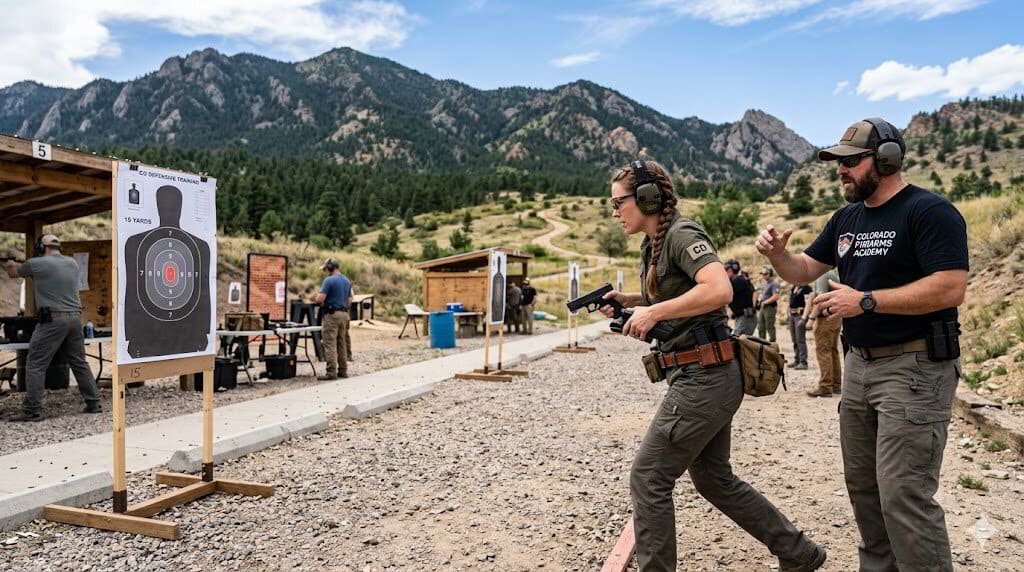
The Ultimate Guide to Defensive Handgun Training in Colorado
In an increasingly uncertain world, mastering defensive handgun training is essential for responsible gun ownership and personal safety. Co…
Read more →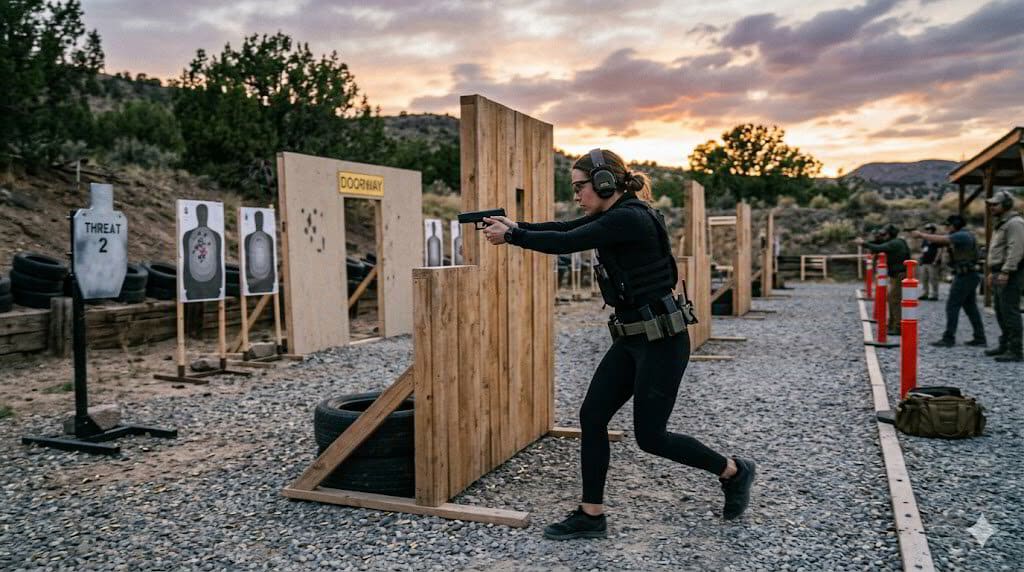
Best Practices for Defensive Handgun Training: A Comprehensive Guide
In a world where personal safety is increasingly vital, mastering defensive handgun training is essential for anyone considering firearm ow…
Read more →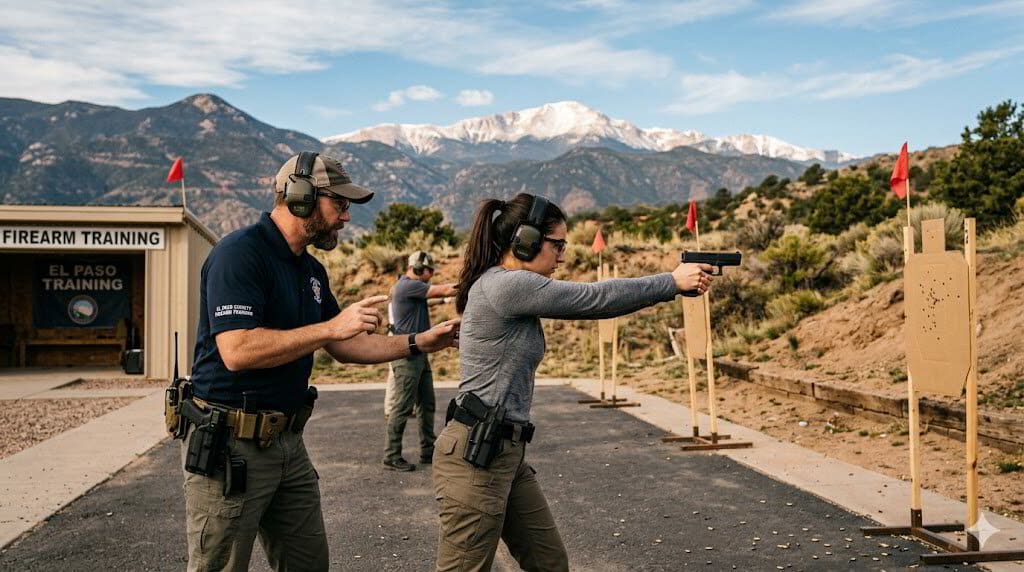
The Ultimate Guide to Firearm Training Courses in El Paso County, Colorado
In an age where firearm safety and education are paramount, Colorado Boots is proud to provide the definitive guide to firearm training cou…
Read more →