
Mastering Tactical Firearms Training for Self-Defense: A Complete Guide
May 19, 2026 · Firearm Safety & Education / Tactical Training / Personal Protection & Self-Defense
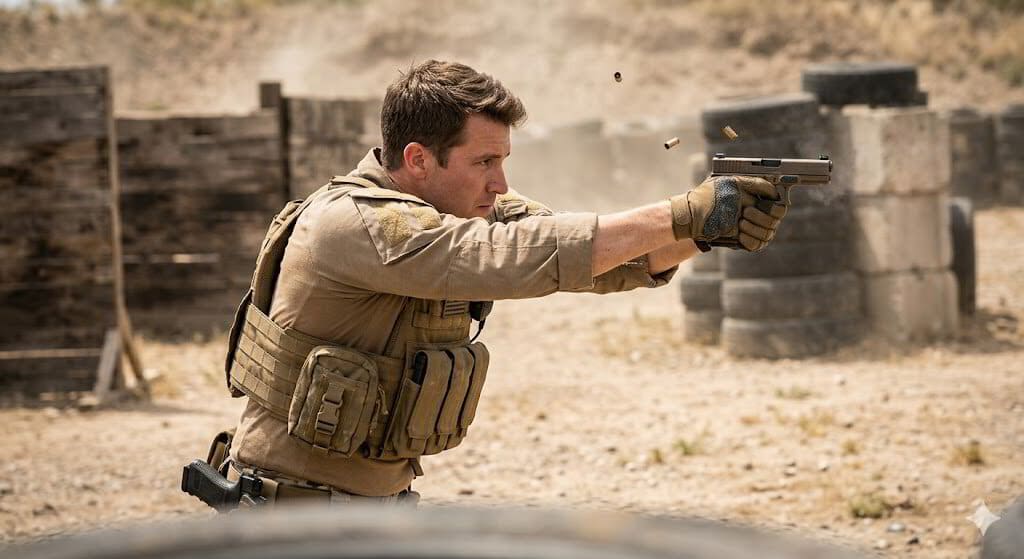
Introduction to Tactical Firearms Training
Tactical firearms training for self-defense represents a specialized approach to firearms education that goes beyond basic marksmanship. This comprehensive training methodology focuses on real-world application scenarios, combining fundamental shooting skills with tactical awareness, decision-making under pressure, and defensive strategies. Unlike recreational shooting or hunting preparation, tactical training emphasizes rapid response capabilities, situational assessment, and the mental conditioning necessary for personal protection scenarios.
The importance of tactical training for self-defense cannot be overstated in today's world. Standard firearms training courses typically focus on static shooting positions and controlled environments. However, actual self-defense situations rarely unfold under ideal conditions. Tactical firearms training for self-defense bridges this gap by introducing stress factors, movement, limited visibility, and time constraints that mirror real-world encounters.
This complete guide will walk you through every aspect of tactical firearms training, from understanding fundamental self-defense principles to mastering advanced techniques. Whether you're a complete beginner or an experienced shooter seeking to enhance your defensive capabilities, this comprehensive resource will provide valuable insights into developing practical, life-saving skills through structured firearms training courses and professional instruction.
Understanding Self-Defense Principles
Before engaging in any self-defense firearm training, understanding the legal framework surrounding defensive gun use is paramount. In Colorado, the "Make My Day" law and Castle Doctrine provide specific protections for individuals defending themselves, their families, and their property. However, these protections come with strict requirements regarding reasonable belief of imminent threat and proportional response. Colorado concealed carry permit holders must understand when deadly force is legally justified and when alternative de-escalation methods are required.
Situational awareness forms the cornerstone of effective self-defense strategy. This involves continuously monitoring your environment, identifying potential threats before they escalate, and maintaining escape routes. Professional tactical training emphasizes the importance of avoiding confrontation whenever possible. De-escalation techniques include verbal communication, body language awareness, and strategic positioning that reduces the likelihood of violence while maintaining defensive readiness.
The decision to use a firearm for self-defense should always be the last resort when facing imminent threat of death or serious bodily harm. This decision-making process must occur within seconds, requiring extensive mental preparation and scenario-based training. Effective self-defense firearm training incorporates stress inoculation exercises that simulate the physiological and psychological effects of high-stress encounters. These exercises help develop the cognitive processing speed necessary for making split-second decisions while maintaining legal and ethical boundaries.
Understanding the aftermath of a defensive shooting is equally important. This includes immediate actions such as calling law enforcement, securing the scene, and seeking medical attention. Tactical firearms training for self-defense should also address the psychological impact of defensive gun use and the importance of professional counseling and legal representation following any defensive encounter.
Choosing the Right Firearm for Self-Defense
Selecting an appropriate firearm for self-defense requires careful consideration of multiple factors including reliability, ease of use, stopping power, and concealability. Handguns remain the most popular choice for personal protection due to their portability and quick deployment capabilities. Semi-automatic pistols offer higher ammunition capacity and faster reloading, while revolvers provide mechanical simplicity and reliability with minimal maintenance requirements.
Key features to evaluate in a self-defense firearm include trigger quality, sight visibility, ergonomic fit, and mechanical reliability. The trigger should provide consistent pull weight and clean break to ensure accurate shot placement under stress. Night sights or fiber optic sights enhance target acquisition in low-light conditions, which occur in approximately 80% of defensive encounters. Proper grip fit ensures optimal control and reduces the likelihood of malfunctions during critical moments.
Popular self-defense handgun recommendations include compact and full-size options from reputable manufacturers. Glock pistols offer proven reliability and simplicity, while Smith & Wesson M&P series provides excellent ergonomics and customization options. For those preferring revolvers, the Smith & Wesson J-frame series delivers reliable performance in a compact package. The choice between different calibers such as 9mm, .40 S&W, or .45 ACP should balance stopping power with controllability and ammunition capacity considerations.
Fundamentals of Tactical Training
Mastering fundamental shooting mechanics forms the foundation of all effective tactical firearms training for self-defense. Proper stance provides stability and mobility, with the isosceles and Weaver stances being most commonly taught. The isosceles stance offers natural body mechanics and equal strength distribution, while the Weaver stance provides better recoil management and a smaller profile. Modern tactical training often emphasizes adaptability between stances based on situational requirements.
Grip technique directly impacts accuracy, recoil control, and follow-up shot speed. A proper grip involves 60% pressure from the support hand and 40% from the firing hand, creating a consistent platform for sight alignment. The firing hand should maintain straight-back trigger finger placement, while the support hand fills gaps and provides forward pressure to combat muzzle flip.
Sight alignment and sight picture represent critical accuracy fundamentals that must become automatic responses. Equal height, equal light sight alignment ensures consistent bullet placement, while proper sight picture involves focusing on the front sight with target and rear sight slightly blurred. Trigger control requires smooth, straight-back pressure using the pad of the index finger, followed by controlled reset for rapid follow-up shots.
Practice drills for accuracy development include ball-and-dummy exercises to eliminate flinching, dot torture drills for precision shooting, and 5x5 drills combining speed and accuracy. These fundamental skills must be mastered before progressing to handgun fundamentals and more advanced tactical shooting drills, as they form the foundation for all defensive shooting scenarios.
Advanced Tactical Training Techniques
Advanced tactical training introduces dynamic elements that replicate real-world defensive scenarios. Moving and shooting techniques teach students to engage threats while changing positions, recognizing that static shooting positions rarely exist in actual encounters. Lateral movement, forward and rearward movement, and shooting on the move require extensive practice to maintain accuracy while managing balance and sight alignment. These advanced shooting techniques emphasize smooth movement with stable upper body mechanics.
Multiple target engagement scenarios prepare defenders for encounters involving more than one attacker. These tactical shooting drills focus on threat prioritization, efficient transitions between targets, and ammunition management. Proper target transition involves driving the firearm directly from one target to another while maintaining sight picture and trigger control. Students learn to engage the closest threat first, then systematically address additional threats based on proximity and weapon presentation.
Cover and concealment tactics distinguish between protection from bullets versus visual obstruction. Hard cover includes concrete walls, steel barriers, and vehicle engine blocks, while concealment includes wooden fences, drywall, and vehicle doors. Proper use of cover involves minimizing exposure while maintaining the ability to observe and engage threats. Shooting positions around cover include standing, kneeling, and prone positions, each requiring specific techniques for accuracy and protection.
Advanced tactical training also incorporates low-light shooting scenarios, malfunction clearance under stress, and shooting from unconventional positions. These skills require extensive practice and professional pistol training to develop safely and effectively. Regular training with qualified instructors ensures proper technique development and safety protocol adherence throughout the learning process.
Firearms Training Courses Offered at Colorado Boots
Colorado Boots Firearms Instruction provides comprehensive firearms training courses designed to meet the needs of beginners through advanced shooters. Our curriculum includes Colorado Concealed Carry License Training, which covers legal requirements, safe handling, and basic marksmanship skills necessary for permit qualification. The Handgun Fundamentals Course introduces new shooters to proper techniques, while our Advanced Handgun Shooting Techniques course develops tactical skills for experienced practitioners.
Our specialized courses include the Advanced Pistol Course, NRA Basic Pistol Course, and Intro to Rifle Course, each tailored to specific skill levels and objectives. The Choosing the Holster Course helps students select appropriate equipment for concealed carry, while our Kids Firearm Safety Class introduces young people to responsible firearms handling in a controlled environment.
Personalized shooting coaching provides one-on-one instruction tailored to individual needs and goals. This individualized approach accelerates skill development and addresses specific challenges that group classes cannot accommodate. Our experienced instructors work closely with each student to identify areas for improvement and develop customized training plans that maximize learning efficiency and safety.
Next Steps for Your Tactical Training Journey
Beginning your tactical training journey starts with enrolling in appropriate courses that match your current skill level and objectives. Contact Colorado Boots Firearms Instruction at 719-782-8793 to discuss course options and schedule your training. Our professional instructors will assess your experience and recommend the most suitable starting point for your development.
Regular practice and ongoing assessment ensure continued skill development and proficiency maintenance. Tactical firearms training for self-defense requires consistent reinforcement through structured practice sessions and periodic professional instruction. Establishing a regular training schedule helps maintain muscle memory and decision-making speed essential for defensive scenarios.
Ready to master tactical firearms training for self-defense?
Contact Colorado Boots Firearms Instruction today at 719-782-8793 or visit coloradobootsfirearmsinstruction.com to enroll.
Whether you're seeking Colorado concealed carry certification or advanced tactical skills, our experienced instructors will help you develop the confidence and competence necessary for personal protection. Take the first step toward mastering your defensive capabilities – your safety depends on it.
Tags: Self-Defense Training, Tactical Firearms, Defensive Shooting
Latest Blog & Articles
The Ultimate Guide to Defensive Handgun Training in Colorado
In an increasingly uncertain world, mastering defensive handgun training is essential for responsible gun ownership and personal safety. Co…
Read more →
Best Practices for Defensive Handgun Training: A Comprehensive Guide
In a world where personal safety is increasingly vital, mastering defensive handgun training is essential for anyone considering firearm ow…
Read more →
The Ultimate Guide to Firearm Training Courses in El Paso County, Colorado
In an age where firearm safety and education are paramount, Colorado Boots is proud to provide the definitive guide to firearm training cou…
Read more →