
Mastering Pistol Shooting Techniques for Beginners in Colorado
June 30, 2026 · Firearm Training / Safety & Education / Marksmanship Skills
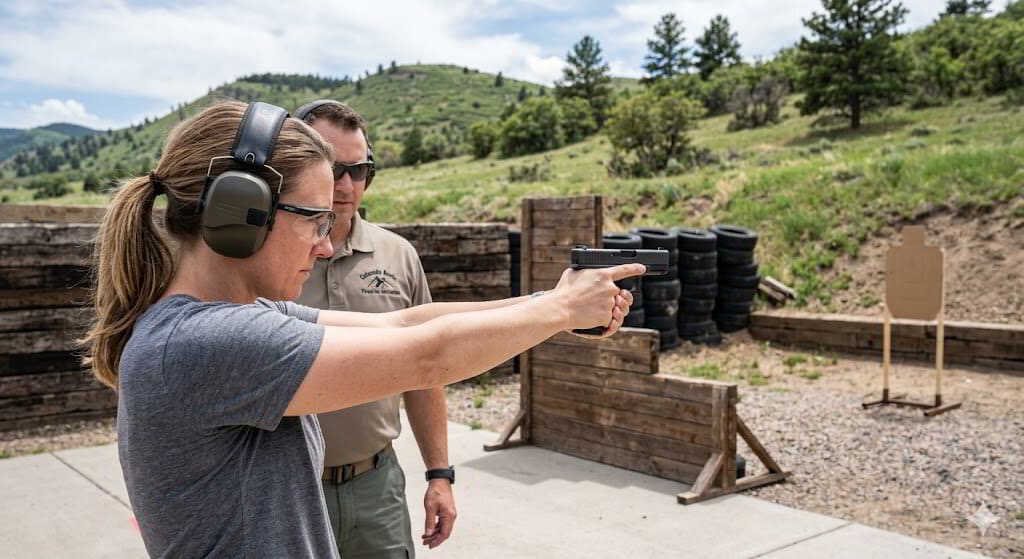
Learning proper pistol shooting techniques is a fundamental skill that extends far beyond recreational shooting. Whether you're pursuing self-defense training, seeking to obtain your Colorado concealed carry permit, or simply wanting to develop confidence with firearms, mastering the fundamentals creates a foundation for safe, accurate shooting throughout your journey.
Colorado's rich shooting culture and outdoor heritage make it an ideal environment for developing marksmanship skills. The state's comprehensive firearm laws require responsible ownership and proper training, making professional instruction not just beneficial but essential. Understanding Colorado's legal framework while developing technical proficiency ensures you can exercise your Second Amendment rights responsibly and effectively.
Professional training provides structured learning that accelerates skill development while prioritizing safety. Self-taught shooters often develop bad habits that become increasingly difficult to correct over time. Certified instructors identify and address these issues early, preventing the formation of counterproductive techniques. Additionally, professional firearm training courses Colorado offer access to proper facilities, equipment, and expertise that individual practice cannot replicate.
The benefits of mastering pistol shooting techniques for beginners Colorado extend beyond accuracy improvement. Proper training builds confidence, reduces anxiety around firearms, and creates muscle memory for safe handling procedures. This foundation proves invaluable whether you're pursuing advanced pistol shooting techniques, exploring long-range rifle shooting tips, or simply ensuring you can protect yourself and your loved ones when necessary.
Understanding the Basics of Pistol Shooting
Types of Pistols and Their Functions
Modern pistols fall into two primary categories: semi-automatic pistols and revolvers. Semi-automatic pistols use the energy from fired cartridges to cycle the action, ejecting spent cases and loading fresh rounds automatically. These firearms typically offer higher ammunition capacity and faster reloading capabilities, making them popular choices for self-defense and competitive shooting.
Revolvers feature a rotating cylinder that holds cartridges in individual chambers. While they generally hold fewer rounds than semi-automatic pistols, revolvers offer simplicity and reliability that appeals to many shooters. The visible cylinder allows users to verify loaded or unloaded status easily, and their mechanical operation requires less maintenance than semi-automatic designs.
Understanding your pistol's specific operating system is crucial for safe handling and effective shooting. Semi-automatic pistols require proper grip pressure to function reliably, as insufficient grip can cause malfunctions during the cycling process. Revolvers need attention to cylinder gap positioning and proper thumb placement to avoid injury from escaping gases.
Safety Fundamentals in Handling Firearms
The foundation of all pistol shooting techniques for beginners Colorado starts with unwavering commitment to firearm safety. The four fundamental rules of firearm safety must become automatic responses that guide every interaction with firearms.
First, treat every firearm as if it were loaded. This principle eliminates complacency that leads to accidents. Second, never point the muzzle at anything you're not willing to destroy. Third, keep your finger off the trigger until you're ready to shoot. Fourth, be sure of your target and what lies beyond it. Bullets can travel considerable distances and penetrate multiple barriers. Understanding your shooting environment and ensuring adequate backstops prevents unintended consequences.
Basic Shooting Stance and Grip Techniques
Proper stance provides the stable platform necessary for accurate shooting. The isosceles stance positions the shooter square to the target with feet shoulder-width apart and weight evenly distributed. This stance offers natural pointing ability and works well for shooters wearing body armor, making it popular in law enforcement and self-defense applications.
The Weaver stance positions the support-side foot forward with the body angled approximately 45 degrees to the target. The strong-side arm extends fully while the support arm bends at the elbow, creating a push-pull tension that stabilizes the pistol. This stance provides excellent recoil management and allows for quick movement.
Grip technique significantly impacts accuracy and control. The strong hand should position high on the grip, with the web between thumb and index finger positioned as high as possible on the backstrap. The support hand fills the remaining space on the grip, with the support thumb positioned forward alongside the frame. Proper grip pressure involves approximately 60% pressure from the support hand and 40% from the strong hand.
Essential Pistol Shooting Techniques for Beginners
Sight Alignment and Picture
Mastering sight alignment forms the cornerstone of accurate pistol shooting techniques for beginners Colorado. Proper sight alignment involves positioning the front sight post centered in the rear sight notch with equal light gaps on both sides. Sight picture refers to the relationship between properly aligned sights and the target. Focus plays a critical role in effective sight use; your eye should focus sharply on the front sight while allowing the rear sight and target to appear slightly blurred.
Trigger Control Principles
Proper trigger control represents perhaps the most critical technical skill in pistol marksmanship. The trigger should contact the first joint of the index finger, approximately at the center of the fingertip pad. The trigger press should move straight back smoothly and consistently. Follow-through involves maintaining sight alignment and trigger pressure briefly after the shot breaks.
Breath Control and Timing
Respiratory control significantly impacts shooting accuracy by minimizing body movement during the critical moment of firing. The natural respiratory pause occurs after exhaling approximately half your breath. At this point, your body experiences minimal movement, creating an optimal window for firing. Avoid holding your breath for extended periods, as this creates tension and tremors that degrade accuracy.
Common Mistakes to Avoid
Flinching or Anticipating Recoil
Recoil anticipation represents one of the most common and persistent problems affecting new shooters. This involuntary response occurs when shooters unconsciously push or jerk the pistol downward in anticipation of recoil, causing shots to impact low on the target. Ball and dummy drills effectively diagnose and treat recoil anticipation.
Improper Grip and Stance Errors
Inadequate grip pressure allows the pistol to shift during recoil, affecting both accuracy and control. Many beginners either grip too lightly, allowing excessive movement, or grip so tightly that they induce tremors and fatigue. Thumbs-forward grip placement has become the preferred technique for semi-automatic pistols, but many shooters position their support thumb incorrectly.
Neglecting Safety Protocols
Rushing through safety procedures creates dangerous habits that can lead to accidents. Every shooting facility has specific safety protocols that must be followed regardless of your experience level elsewhere. Overconfidence often develops as shooters become more comfortable with firearms, leading to relaxed safety standards.
Practice Drills for Improving Accuracy and Confidence
Dry fire practice involves manipulating the trigger of an unloaded firearm in a safe environment, allowing shooters to develop proper technique without the expense and distraction of live ammunition. Target shooting exercises build accuracy systematically while maintaining focus on proper fundamentals. Engaging in shooting sports or competitions like IDPA or Bullseye provides structured practice opportunities while introducing controlled stress that improves performance under pressure.
Obtaining Professional Training in Colorado
Colorado Boots Firearms Instruction offers comprehensive training programs designed to meet the diverse needs of Colorado shooters at every skill level. Our Handgun Fundamentals Course provides the perfect introduction to pistol shooting techniques for beginners Colorado. The NRA Basic Pistol Course offers nationally recognized training that meets certification requirements for many applications.
Advanced programs including our Advanced Pistol Course and Advanced Handgun Shooting Techniques classes serve experienced shooters seeking to refine their skills. Certified instructors provide structured learning experiences that accelerate skill development while preventing the formation of bad habits. Immediate feedback during live fire exercises helps students understand the connection between technique and results.
Conclusion and Next Steps
Mastering pistol shooting techniques requires dedication to proper fundamentals, consistent practice, and ongoing education. The importance of professional training cannot be overstated, particularly for beginners who are establishing their foundational skills. Your journey in mastering pistol shooting techniques for beginners Colorado starts with taking that first step toward professional training.
Ready to begin your journey toward shooting excellence?
Colorado Boots Firearms Instruction offers comprehensive training programs designed to meet your specific needs and goals.
Contact us today at 719-782-8793 or visit coloradobootsfirearmsinstruction.com to explore our course offerings.
Tags: Gun Safety, Beginner Firearms Training, Pistol Shooting Colorado
Latest Blog & Articles
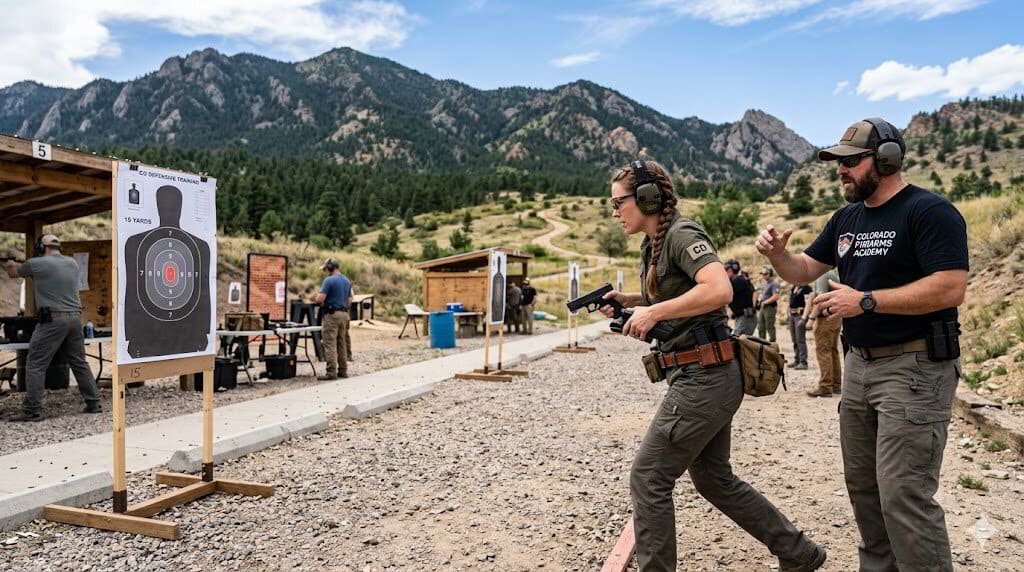
The Ultimate Guide to Defensive Handgun Training in Colorado
In an increasingly uncertain world, mastering defensive handgun training is essential for responsible gun ownership and personal safety. Co…
Read more →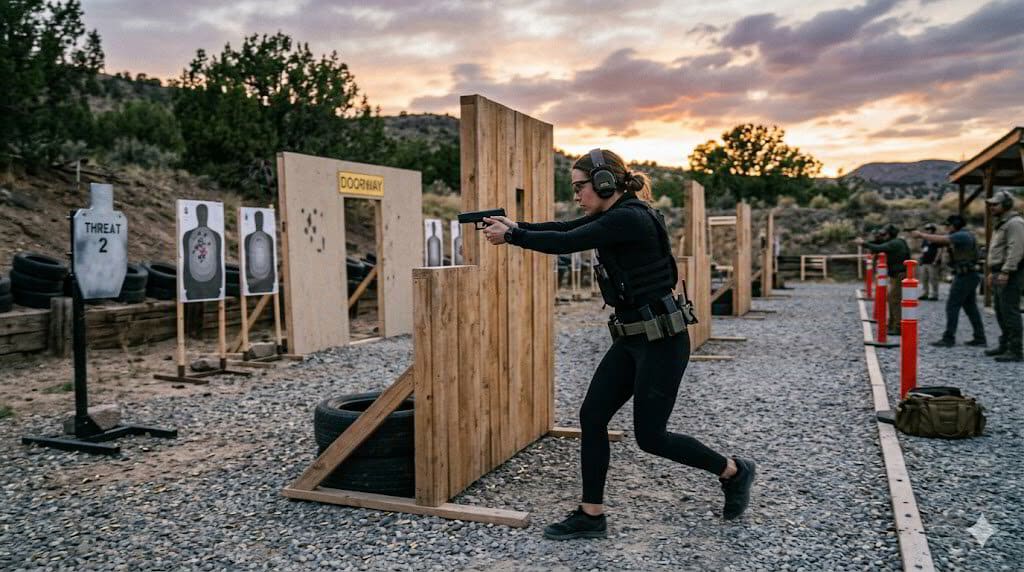
Best Practices for Defensive Handgun Training: A Comprehensive Guide
In a world where personal safety is increasingly vital, mastering defensive handgun training is essential for anyone considering firearm ow…
Read more →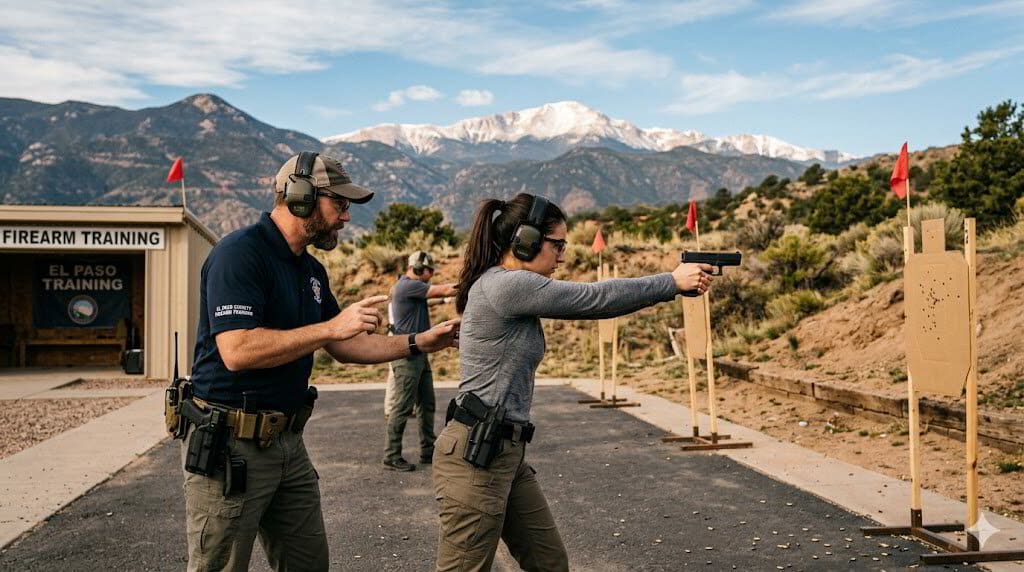
The Ultimate Guide to Firearm Training Courses in El Paso County, Colorado
In an age where firearm safety and education are paramount, Colorado Boots is proud to provide the definitive guide to firearm training cou…
Read more →