
Mastering Firearms How To Become Proficient
November 25, 2025 · Firearms Proficiency / Shooting Sports & Training / Self-Defense & Tactical Skills
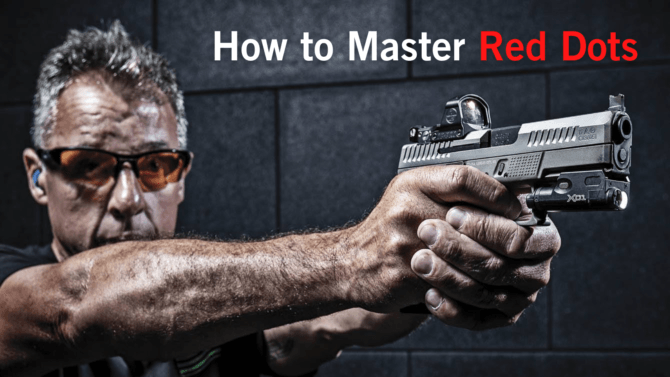
How to become proficient in firearm usage is a goal shared by many firearm enthusiasts, yet the
path can seem daunting for beginners. With statistics indicating a rise in firearm ownership
across the country, it’s more crucial than ever to understand not only how to handle a weapon
safely but also how to improve your skills effectively. Whether you’re interested in self-defense,
sport shooting, or simply wish to gain confidence with firearms, structured training and practice
play an essential role in your journey. In this comprehensive guide, we'll explore the key steps to
mastering firearm proficiency while emphasizing safety and responsibility every step of the way.
From selecting the right firearm and enrolling in training programs to engaging in regular
practice and understanding the legal landscape, you'll gain the insights needed to confidently
navigate your path toward becoming a skilled and responsible firearm user.
Understanding the Basics of Firearm Safety
Firearm safety is the foundation of becoming proficient in firearm usage. Without a strong
emphasis on safety, learning the skills needed to handle and operate firearms effectively can
lead to dangerous situations. Here, we outline essential safety practices to ensure a secure and
responsible shooting experience.
Importance of firearm safety
Understanding the significance of firearm safety cannot be overstated. Firearms are powerful
tools that require careful handling, and with improper use, they can cause harm to oneself and
others. By prioritizing safety, shooters can enjoy their experience while minimizing risks.
Key safety rules to always follow
To ensure safe firearm handling, consider these fundamental rules:
- Always treat every firearm as if it is loaded.
- Keep your finger off the trigger until you are ready to shoot.
- Never point the firearm at anything you do not intend to shoot.
- Be aware of your target and what is beyond it.
- Store firearms securely and out of reach of children.
Proper storage and handling practices
Proper storage and handling of firearms are crucial components of safety. Implementing these
practices not only helps protect users and their families but also fosters a responsible shooting
culture. Key recommendations include:
- Use a secure safe or lockbox for storage.
- Store ammunition separately from firearms.
- Ensure firearms are unloaded when not in use.
- Regularly inspect firearms for maintenance and functionality.
By mastering these safety principles, you lay the groundwork for your journey on how to
become proficient in firearm usage. Committing to safe practices also cultivates a habit of
responsibility that will serve you throughout your firearms training.
For further information on firearm safety, consider visiting NRA's Basics of Personal Protection
for comprehensive resources and guidelines.
Choosing the Right Firearm
Selecting the appropriate firearm is a critical step in your journey on how to become proficient in
firearm usage. The right choice not only enhances your comfort and control but also significantly
influences your learning experience. Here, we discuss essential factors to consider and options
available for various skill levels.
Factors to consider when selecting a firearm
When choosing a firearm, consider these important factors:
- Purpose: Identify whether you need the firearm for self-defense, sport shooting, or
hunting. - Experience Level: Beginners may benefit from firearms that are easier to handle, while
experienced shooters might desire advanced features. - Caliber Size: Smaller calibers are typically easier for beginners to manage, while larger
calibers may require more experience. - Size and Weight: Choose a firearm that feels comfortable in your hands and is
manageable during shooting sessions.
Popular firearms for beginners
For those just starting out, certain firearms are particularly well-suited for beginners. Some
popular models include:
- Ruger SR22: A versatile .22 caliber pistol that offers low recoil and is ideal for practice.
- Smith & Wesson M&P Shield: A condensed version of a reliable pistol, perfect for
concealed carry with manageable recoil. - Glock 19: Known for its reliability and ease of use, the Glock 19 is often recommended
for both beginners and experienced shooters.
Importance of fit and comfort
Ultimately, the best firearm for you is one that feels natural and fits well in your hand. A proper fit
enhances control and accuracy, making it easier to practice effectively. To ensure the right fit:
- Visit a reputable firearms dealer to hold and possibly test different models.
- Consider factors such as grip texture, trigger reach, and overall weight distribution.
- Consult with instructors or experienced shooters for recommendations based on your
needs.
By carefully considering these factors when choosing a firearm, you will be better equipped to
embark on your journey of how to become proficient in firearm usage. For more information on
selecting firearms, check out Cabela’s Firearms Selection Guide.
Essential Training Programs
Enrolling in a credible training program is vital for anyone seeking to master the skills necessary
for firearm usage. Structured classes not only enhance your shooting abilities but also deepen
your understanding of safety, handling, and the legal aspects of firearms. In this section, we will
explore the different types of training available and how to choose the best one for your needs.
Overview of available training classes
Training programs vary widely depending on your experience level, objectives, and type of
firearm. Here are some common types of courses:
- Beginner Classes: Designed for newcomers, these courses cover fundamental safety
practices, firearm handling, and basic shooting techniques. - Intermediate Courses: These classes focus on refining your skills and improving
accuracy, including drills for trigger control and shot grouping. - Advanced Training: For those with previous experience, advanced courses delve into
tactical shooting, defensive strategies, and scenario training.
Benefits of professional instruction
Receiving professional training offers multiple advantages:
- Expert Guidance: Instructors provide personalized feedback and instruction based on
your skill level. - Safe Learning Environment: Training courses are conducted in controlled settings,
minimizing the risk of accidents. - Structured Learning: Classes follow a curriculum designed to ensure comprehensive
coverage of essential topics.
How to choose the right training program
When selecting a training program, consider the following steps:
- Research Local Options: Look for well-reviewed firearm academies or instructors in your
area. - Check Credentials: Ensure instructors are certified and have substantial experience in
firearm training. - Read Reviews and Testimonials: Seek feedback from past students to gauge the quality
and effectiveness of the program. - Visit the Facility: If possible, tour the training location to assess the environment and
available resources.
By enrolling in a well-structured training program, you can effectively enhance your skills in how
to become proficient in firearm usage. For additional resources on firearm training, consider
visiting NRA Training.
Developing Shooting Fundamentals
Mastering the fundamentals of shooting is essential for anyone on the journey to becoming
proficient in firearm usage. Understanding the basic principles will create a solid foundation for
your shooting skills, ensuring that you can handle a firearm safely and effectively. This section
outlines the key fundamentals to focus on as you develop your shooting abilities.
Importance of stance and grip
Your stance and grip are the first steps to achieving accuracy and control. Here are some critical
points to consider:
- Stance: Position your feet shoulder-width apart, with one foot slightly forward for stability.
This will help maintain balance and control during shooting. - Grip: Hold the firearm firmly, using both hands. The support hand should be placed
against the frame while the dominant hand focuses on the trigger.
Aiming techniques for accuracy
Proper aiming is crucial for successful target acquisition. Key techniques include:
- Sight Alignment: Ensure that the front and rear sights are aligned properly, with the front
sight focused on the target. - Sight Picture: Maintain a clear view of the target while keeping the sights aligned. This
helps with precise aiming and enhances your accuracy.
Understanding trigger control and follow-through
Trigger control and follow-through are essential elements for accurate shooting. Focus on the
following:
- Trigger Control: Gradually apply pressure to the trigger in a smooth motion, avoiding
jerking or rushing the shot. This helps prevent unnecessary movement of the firearm. - Follow-Through: After the shot is fired, maintain your stance and focus on the target.
This ensures that you monitor your shot and prepares you for the next one.
Regular practice of these shooting fundamentals is critical to how to become proficient in firearm
usage. As you become more comfortable with each aspect, your confidence and skill level will
improve.
To enhance your shooting fundamentals further, consider exploring resources like Shooter's
Bible, which offers comprehensive guides and tips for shooters of all levels.
Practicing Regularly
Regular practice is crucial for anyone aiming to become proficient in firearm usage. It not only
reinforces the skills and fundamentals learned during training but also helps build muscle
memory, which is essential for effective shooting. This section provides insights into creating a
practice routine that adequately prepares you for a variety of shooting scenarios.
Setting aside time for practice
Establishing a consistent practice schedule is vital for skill development. Consider the following
tips:
- Frequency: Aim to practice at least once a week, if possible. Consistency will yield better
results over time. - Duration: Set aside sufficient time for each session, typically ranging from one to two
hours. This allows enough room for warming up, practicing drills, and cool-down.
Drills to enhance skills and confidence
Incorporating various drills into your practice routine can significantly improve your shooting
abilities. Here are a few effective drills to consider:
- Dry Firing: Practicing your stance, grip, and trigger control without live ammunition helps
reinforce muscle memory. - Target Transition: Practice switching your focus between multiple targets, which
enhances your ability to quickly acquire and engage different points. - Reloading Drills: Work on your reloading speed and technique to improve your efficiency
during shooting scenarios.
Keeping a training log to track progress
Maintaining a training log is an excellent way to monitor your progress and identify areas that
need improvement. Your log should include:
- Details of Each Practice Session: Record the date, duration, and specific drills you
worked on. - Notes on Performance: Include information about your accuracy, speed, and any
challenges faced. - Goals for Future Sessions: Set clear, achievable goals for each upcoming practice to
help keep you motivated.
By dedicating time to regular practice and utilizing effective drills, you will be well on your way to
mastering how to become proficient in firearm usage. For more training tips and resources, you
may want to check out MidwayUSA for a wide range of shooting supplies and information.
Engaging in Mock Scenarios
Participating in mock shooting scenarios is an excellent way to apply your skills and enhance
your proficiency in firearm usage. These exercises simulate real-life situations, helping you
develop the ability to think critically and react appropriately under pressure. In this section, we
will explore the benefits of scenario-based training and different types of drills you can
incorporate into your practice.
Benefits of scenario-based training
Mock scenarios provide several advantages for firearm training, including:
- Enhancing Decision-Making Skills: Practicing in simulated environments helps improve
your ability to make quick decisions while under stress. - Building Confidence: Regularly engaging in scenarios enables you to handle various
situations effectively, boosting your self-assurance while using a firearm. - Real-World Application: These training exercises prepare you for potential situations
you might encounter, making your training more relevant and practical.
Types of drills for real-life applications
Consider integrating the following types of mock scenarios into your practice routine:
- Home Defense Drills: Simulate home invasion scenarios where you must navigate your
environment and respond appropriately to threats. - Target Identification: Practice distinguishing between threats and non-threats, honing
your judgment in high-stress situations. - Role-Playing Exercises: Team up with fellow shooters to enact different scenarios,
allowing for group dynamics and communication training.
Learning to remain calm under pressure
One of the primary objectives of engaging in mock scenarios is to learn to manage stress and
remain calm during high-pressure situations. Here are some strategies:
- Focus on Breathing: Practice deep-breathing techniques to help keep your heart rate
down and maintain focus. - Visualize Success: Before starting a drill, take time to mentally walk through the
scenario, reinforcing positive outcomes. - Gradual Progression: Start with simpler scenarios and progressively increase their
complexity as you build confidence.
Incorporating mock scenarios into your training is a powerful way to advance your skills in how
to become proficient in firearm usage. For further resources on scenario-based training, check
out Sig Sauer Academy, which offers specialized courses for various skill levels.
Understanding Laws and Regulations
A crucial aspect of how to become proficient in firearm usage is understanding the legal
framework surrounding firearms in your area. Firearm laws can vary significantly from one
location to another and are important not just for compliance but also for responsible ownership.
This section highlights essential legal considerations every firearm user should know.
Overview of firearm laws in your state
Firearm laws typically include regulations about ownership, carrying, and usage. Key elements
to consider include:
- Ownership Requirements: Know the age, background checks, and licensing
prerequisites for owning a firearm in your state. - Concealed Carry Laws: Understand the regulations regarding concealed carry permits,
including any training or application processes involved. - Restrictions on Specific Firearms: Be aware of any restrictions on certain types of
firearms or accessories, such as assault rifles or high-capacity magazines.
Importance of staying informed on changes
Firearm laws are subject to change, making it essential to stay updated. A few ways to remain
informed include:
- Subscription to Legal Updates: Many organizations offer newsletters or alerts about
changes in firearm laws. - Participation in Local Groups: Join local firearm advocacy groups that keep members
informed about legislative changes and community issues. - Engaging with Law Enforcement: Building a relationship with local law enforcement can
also provide insights and clarification on laws and best practices.
Resources for legal knowledge
To deepen your understanding of firearm laws, consider consulting reliable sources. Some
reputable resources include:
- ATF (Bureau of Alcohol, Tobacco, Firearms and Explosives): The official site offers
detailed information on federal laws and regulations concerning firearms. - NRA-ILA (National Rifle Association - Institute for Legislative Action): The NRA-ILA
provides state-specific information about firearm laws, ensuring that you have access to
updated legal information.
By understanding the laws and regulations that govern firearm usage, you are taking a crucial
step on the path to how to become proficient in firearm usage. For more in-depth legal
resources, refer to FindLaw for legal insights and guidance on firearm laws across the
United States.
Building a Support Network
Creating a strong support network is essential for anyone aiming to become proficient in firearm
usage. Connecting with like-minded individuals can provide valuable learning opportunities,
motivation, and camaraderie as you navigate your training journey. In this section, we’ll explore
how to build your network and the benefits it offers.
Joining firearm training groups and clubs
Participating in training groups and clubs is a fantastic way to expand your knowledge and skills.
Here’s how these organizations can help:
- Collaborative Learning: Engage in training sessions with others, allowing you to learn
from different perspectives and experiences. - Access to Resources: Many clubs offer members access to exclusive training materials,
range facilities, and expert instructors. - Scheduled Events: Participate in group shooting events, competitions, and workshops
that can improve your skills.
Finding a mentor in the shooting community
Having a mentor can tremendously boost your proficiency in firearm usage. If you’re looking for
guidance, consider the following:
- Seek Experienced Shooters: Reach out to seasoned individuals in your community or
training groups who are willing to share their knowledge and expertise. - Ask Questions: Take the initiative to ask your mentor specific questions about
techniques, experiences, and best practices. - Learn from Observations: Attend events where experienced shooters demonstrate
techniques and strategies, allowing you to observe their methods closely.
Connecting with like-minded enthusiasts
Building relationships with fellow firearm enthusiasts can enhance your learning experience.
Here are some suggestions:
- Social Media Groups: Join online forums, Facebook groups, or Reddit communities
focused on firearms where you can exchange ideas and advice. - Local Events and Expos: Attend gun shows, firearm expos, and local competitions to
meet others who share your interests. - Volunteer for Local Organizations: Get involved with local firearm advocacy groups or
educational programs, providing opportunities to network and learn.
By taking the time to build a supportive network, you accelerate your progress on how to
become proficient in firearm usage, enriching your training experience. For additional resources
and community connections, consider exploring The Well Armed Woman, which offers various
resources and support for women in the firearm community.
Continuing Education
Lifelong learning is a cornerstone of how to become proficient in firearm usage. The world of
firearms is constantly evolving, with new techniques, technologies, and legal changes. By
committing to ongoing education, you ensure that your skills remain sharp and relevant. This
section outlines the importance of continuous learning and the various opportunities available to
firearm enthusiasts.
Importance of lifelong learning in firearm usage
Staying updated with current knowledge and practices is essential for several reasons:
- Adapting to New Techniques: Firearm technology and shooting techniques are
continually advancing; staying informed allows you to adopt the latest best practices. - Enhancing Safety: Ongoing education reinforces safety protocols and helps prevent
accidents or misuse of firearms. - Legal Awareness: Understanding changes in firearm laws can protect you and ensure
compliance with local regulations.
Advanced courses and training opportunities
Once you have a solid foundation, consider pursuing advanced courses to enhance your skills:
- Tactical Training: These courses teach defensive shooting techniques, situational
awareness, and crisis management skills for real-world applications. - Competitive Shooting Classes: Engaging in competitive shooting offers the chance to
refine your accuracy and speed while learning from experienced competitors. - Specialized Workshops: Look for workshops focusing on specific areas, such as
marksmanship, concealed carry, or firearm maintenance.
Staying updated with new techniques and technologies
To maintain your proficiency, regularly engage with the latest resources available:
- Online Tutorials: Platforms like YouTube offer countless tutorials from experts that cover
various aspects of firearm handling and shooting techniques. - Books and Publications: Invest in informative books, magazines, or journals that cover
current trends, safety tips, and advanced techniques in firearms. - Webinars and Online Classes: Many organizations offer interactive online courses and
webinars where you can learn from industry professionals.
By actively pursuing continuing education, you reinforce your journey on how to become
proficient in firearm usage and ensure your skills remain up-to-date. For exciting training
opportunities and resources, consider visiting Brownells, a trusted source in the firearms
community for education and supplies.
Conclusion: Embracing Proficiency for
Lifelong Skills
As you embark on the journey of how to become proficient in firearm usage, remember that this
path is not just about mastering technical skills but also about embracing responsibility and
continuous improvement. Through dedication, practice, and ongoing education, you can
cultivate your shooting abilities while promoting safety and confidence.
Recap of key points
To summarize, here are some essential steps on your journey toward proficiency:
- Start with the Basics: Prioritize firearm safety and choose the right firearm suited to your
needs. - Invest in Training: Enroll in structured training programs to establish a strong foundation.
- Practice Regularly: Engage in consistent practice sessions and incorporate diverse
drills. - Simulate Real-life Scenarios: Participate in mock scenarios to enhance your
decision-making skills. - Stay Informed on Laws: Understand the legal landscape regarding firearm usage in your
area. - Build a Support Network: Connect with like-minded individuals and seek mentorship
within the shooting community. - Pursue Lifelong Learning: Commit to ongoing education through advanced courses and
resources.
Encouragement for ongoing practice and education
The journey to becoming proficient is ongoing and requires commitment and passion. Regular
practice and continuous learning will not only enhance your practical skills but also instill a
deeper appreciation for the responsibility that comes with firearm ownership.
Final thoughts on how to become proficient in firearm usage
Your goal should not only be to achieve proficiency but to become a knowledgeable and
responsible firearm owner who advocates for safety and adheres to legal guidelines. As you
progress in your training, remember to share your knowledge and experiences with others to
foster a community that values safety and skill.
For valuable resources and community connections, you can explore Palmetto State Armory,
which offers a wealth of information related to firearm training and products.
What is the best way to start learning about firearm usage?
The best way to start learning about firearm usage is to enroll in a basic firearm safety and
handling course. These courses often cover the fundamentals of shooting, safety protocols, and
an introduction to different types of firearms. Hands-on instruction from certified trainers will
significantly enhance your understanding and comfort level when handling a firearm.
How often should I practice to become proficient in firearm usage?
To become proficient in firearm usage, it's recommended to practice at least once a week.
Consistent practice helps reinforce the skills you've learned, build muscle memory, and increase
your confidence. Even short sessions focusing on specific drills can make a substantial
difference over time.
Are professional training programs necessary for beginners?
Yes, professional training programs are incredibly beneficial for beginners. These programs
provide foundational knowledge, ensuring that you learn proper techniques and safety
measures from the start. Professional instructors can offer personalized feedback, which is
essential for skill development and confidence building.
What types of firearms are best for beginners?
For beginners, firearms that are easy to handle and have lower recoil are typically
recommended. Popular options include .22 caliber pistols or revolvers, as they allow new
shooters to practice comfortably. Additionally, many beginners find larger, heavier firearms, like
certain models of semi-automatic pistols, easier to manage than lightweight models due to their
stability when shooting.
How can I stay updated on firearm laws and regulations?
To stay updated on firearm laws and regulations, regularly check reliable resources such as
local government websites or organizations like the NRA. Signing up for newsletters or alerts
from these sources can ensure that you receive timely updates on any legal changes affecting
firearm ownership and usage.
Tags: Firearms Training Techniques, Pro Shooting Skills, Advanced Gun Handling, Precision Marksmanship
Latest Blog & Articles
The Ultimate Guide to Defensive Handgun Training in Colorado
In an increasingly uncertain world, mastering defensive handgun training is essential for responsible gun ownership and personal safety. Co…
Read more →
Best Practices for Defensive Handgun Training: A Comprehensive Guide
In a world where personal safety is increasingly vital, mastering defensive handgun training is essential for anyone considering firearm ow…
Read more →
The Ultimate Guide to Firearm Training Courses in El Paso County, Colorado
In an age where firearm safety and education are paramount, Colorado Boots is proud to provide the definitive guide to firearm training cou…
Read more →