
Mastering Firearm Usage Proficiency Tips Today
October 28, 2025 · Firearm Skill Development / Shooting Techniques & Tips / Professional Firearm Training
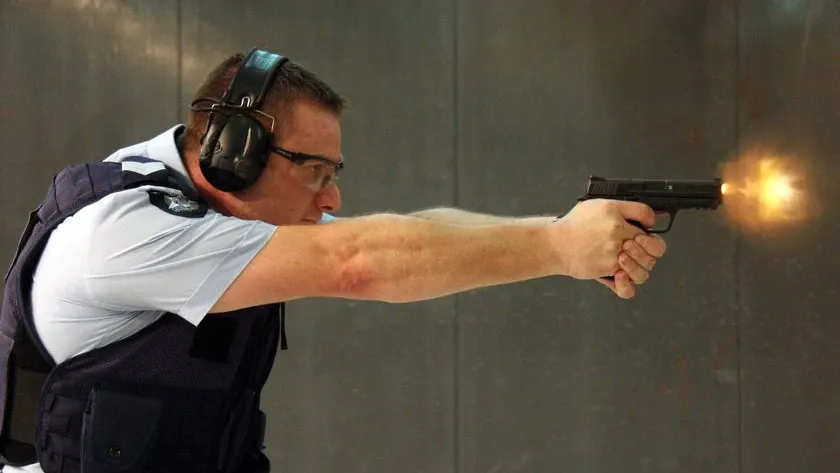
Are you interested in learning how to become proficient in firearm usage? Whether you are
a beginner picking up a firearm for the first time or an experienced shooter looking to refine you
r skills, understanding the fundamentals is crucial. Firearm proficiency extends beyond simply
hitting targets; it encompasses safety, responsible ownership, and a deep appreciation for the
rights we hold. With millions of people engaging in shooting sports and self-defense training,
developing a solid foundation in firearm usage has never been more important. In this guide,
we'll explore key principles, practical techniques, and ongoing education that will set you on the
path to becoming a skilled and responsible firearm user.
Understanding Firearm Safety
Firearm safety is the cornerstone of responsible gun ownership and is vital for anyone looking to
understand how to become proficient in firearm usage. Before you even think about firing a
shot, it’s essential to establish a solid foundation in safety practices.
Importance of Safety Practices
Practicing stringent safety measures is not just about preventing accidents; it’s about developing
the mindset necessary for responsible gun ownership. When you adopt safety as a core
principle, every session at the range becomes an opportunity to reinforce good habits.
Basic Firearm Safety Rules
- Always treat every firearm as if it is loaded.
- Keep your finger off the trigger until you are ready to shoot.
- Never point the muzzle at anything you do not intend to shoot.
- Be sure of your target and what’s beyond it.
Common Misconceptions About Firearm Safety
Many new shooters fall prey to common myths regarding firearm usage. For instance, some
believe that once they have received basic instruction, they no longer need to worry about
safety. In reality, consistent reinforcement of safety measures is essential throughout your
shooting journey.
Choosing the Right Firearm
Choosing the appropriate firearm is pivotal for anyone learning how to become proficient in
firearm usage. You want a gun that fits your needs and feels comfortable in your hands.
Types of Firearms for Beginners
- Revolvers: Simple mechanisms make them an excellent choice for first-time users.
- Semi-Automatic Pistols: Offer greater capacity and quicker follow-up shots.
- Rifles: Especially .22 caliber rifles, can be effective introduction tools for marksmanship.
Factors to Consider When Choosing a Firearm
When selecting your first firearm, consider the following:
- Comfort: Can you handle the size and weight comfortably?
- Purpose: Will you use it for home defense, target shooting, or hunting?
- Budget: Don’t forget to factor in costs for ammunition and maintenance.
How to Handle Firearm Selection Anxiety
Feeling overwhelmed by the choice? Understand that it's normal. Start by visiting local gun
shops or firearms training academies where you can ask questions, handle various models, and
gain hands-on experience.
For further guidance on firearms, you can visit Cabela's for educational resources and a wide
selection of firearms.
Essential Skills for Proficiency
To truly understand how to become proficient in firearm usage, you need to focus on mastering
several core skills. These skills not only enhance your performance at the range but also build a
deeper respect for firearms and their capabilities.
Grip and Stance Fundamentals
The foundation of accurate shooting lies in a proper grip and stance. Here are the key points:
- Grip:
○ Ensure your dominant hand is firmly gripping the firearm’s grip.
○ The support hand should wrap around the dominant hand to provide stability.
○ Keep your thumbs pointing forward.
- Stance:
○ Use a stable shooting stance, such as the Isosceles or Weaver stance.
○ Your feet should be shoulder-width apart for balance.
○ Lean forward slightly to counterbalance the recoil.
Aiming Techniques
Aiming accurately requires practice and understanding of your firearm’s sights. Follow these
guidelines:
- Sight Alignment: Ensure the front and rear sights are aligned properly.
- Sight Picture: Incorporate your target into the aiming process and focus on it while
keeping your sights aligned.
- Follow Through: After the shot is fired, maintain your stance and grip to observe where
the shot lands.
Breathing Control and Trigger Discipline
Breathing and trigger control are often overlooked but critical components of shooting
proficiency.
- Breathing Control:
○ Breathe in, exhale halfway, and then hold your breath as you squeeze the trigger.
○ This helps minimize movement and enhances accuracy.
- Trigger Discipline:
○ Press the trigger slowly and steadily, using the pad of your finger, not the joint.
○ Avoid jerking the trigger, which can cause the shot to go off target.
Developing these essential skills is key to learning how to become proficient in firearm usage.
Regular practice, combined with proper instruction, will help you refine each area and develop
confidence in your shooting abilities.
For more detailed guides and gear recommendations, you can visit Bass Pro Shops for reliable
resources and a great selection of firearms-related products.
Practical Training Techniques
When it comes to learning how to become proficient in firearm usage, practical training is
indispensable. Regular practice drills not only reinforce learned skills but also enhance muscle
memory and confidence.
Dry Fire Drills
Dry fire drills allow you to practice shooting techniques without using live ammunition. This type
of practice is essential for beginners and seasoned shooters alike.
- Benefits of Dry Fire:
○ Cost-Effective: No need to purchase ammunition.
○ Focus on Mechanics: Allows for concentrated practice on grip, trigger control, and
sight alignment.
○ Safe Environment: As there’s no live ammunition, it offers a safe way to practice at
home.
- How to Conduct Dry Fire Drills:
○ Clear your firearm to ensure it is unloaded.
○ Set up a target to focus on, such as a safe space on a wall.
○ Practice your grip, stance, aiming, and trigger pull while visualizing the shot.
Live Fire Exercises
While dry fire drills are excellent, nothing replicates the real experience of shooting with live
rounds.
- Key Focus Areas:
○ Recoil Management: Get accustomed to the firearm's kick.
○ Follow-Through: Practice maintaining your point of aim after firing.
○ Target Transition: Learn to shift your focus from one target to another efficiently.
- Tips for Live Fire Sessions:
○ Start with a small number of rounds and gradually increase as you gain confidence.
○ Always focus on executing perfect form and technique over simply firing as many
shots as possible.
Frequency and Duration of Practice
Establishing a consistent practice routine is crucial to mastering firearm skills.
- Practice Frequency:
○ Aim for at least once a week.
○ Incorporate both dry fire and live fire sessions into your routine.
- Session Duration:
○ Short, focused sessions (30-60 minutes) can be more beneficial than longer, less
concentrated ones.
○ Quality over quantity is key; ensure each practice session has specific goals and
focuses.
By diligently applying these practical training techniques, you will be well on your way to
understanding how to become proficient in firearm usage. For further resources on training
techniques and equipment, check out MidwayUSA, which offers a variety of shooting supplies
and guides.
Setting Realistic Goals
Setting realistic goals is essential on your journey to understanding how to become proficient in
firearm usage. By establishing clear and achievable objectives, you can track your progress and
stay motivated throughout your training.
Defining Proficiency Levels
Determining what proficiency means to you is the first step in goal setting. Here are different
levels of proficiency to consider:
- Beginner:
○ Learning basic firearms safety and handling.
○ Familiarization with different types of firearms and their functions.
- Intermediate:
○ Developing skills in accuracy and consistency.
○ Gaining experience with various shooting scenarios.
- Advanced:
○ Mastering complex shooting techniques and scenarios.
○ Fine-tuning skills for competitive shooting or tactical applications.
Creating an Action Plan for Skill Improvement
An action plan helps to break down your goals into manageable steps. Consider including the
following elements:
1. Skills to Focus On: Identify which areas you want to improve, such as grip, stance, or
accuracy.
2. Training Schedule: Designate specific days and times for your practice sessions.
3. Performance Metrics: Establish benchmarks to measure your progress, such as group
size or number of accurate shots.
Tracking Progress and Adjusting Goals
Monitoring your advancement is crucial for maintaining motivation and adapting your training as
needed. Here’s how to do it effectively:
- Maintain a Journal:
○ Record your practice sessions, including what you worked on and any
improvements observed.
- Set Milestones:
○ Create short-term goals leading to long-term objectives. Celebrate small
achievements to stay motivated.
- Be Flexible:
○ Adjust your goals based on your progress. If you find some areas challenging,
focus on them for a few additional sessions before moving on.
By applying these strategies, you will better understand how to become proficient in firearm
usage while remaining motivated and focused. For additional goal-setting resources and
shooting accessories, consider visiting Academy Sports + Outdoors, where you'll find a range of
tools to assist you on your journey.
Educating Yourself on Firearm Mechanics
To truly master how to become proficient in firearm usage, it's vital to understand the mechanics
of the firearms you are using. Familiarity with your equipment not only enhances safety but also
improves your overall shooting performance.
Understanding Your Firearm’s Components
Each firearm has unique parts that play a critical role in its operation. Here are some key
components to get acquainted with:
- Action: The mechanism that loads, fires, and ejects cartridges.
- Barrel: The long tube through which the bullet travels when fired.
- Sights: Devices that help aim the firearm accurately.
- Trigger: The lever that, when pulled, releases the firing mechanism.
Having a fundamental understanding of these components will allow you to troubleshoot issues
and communicate effectively with instructors or gunsmiths.
Basic Maintenance for Firearm Longevity
Regular maintenance is crucial for ensuring your firearm operates safely and efficiently. Here
are some essential maintenance tips to follow:
- Cleaning:
○ After every use, clean the barrel and action to remove residue.
○ Use appropriate cleaning supplies, such as bore brushes and solvents.
- Inspection:
○ Regularly check for wear and tear, rust, or any damage to crucial parts.
○ Ensure all screws and parts are securely fastened.
- Lubrication:
○ Apply lubrication to moving parts according to the manufacturer's instructions.
○ Avoid over-lubricating, as excess oil can attract dirt and grime.
Troubleshooting Common Issues
Even with diligent maintenance, issues can still arise. Knowing how to identify and troubleshoot
these problems will enhance your proficiency:
- Failing to Fire:
○ Check if the magazine is loaded properly and if the safety is engaged.
- Misfeeds:
○ Ensure the ammunition is compatible with your firearm and inspect the magazine
for damage.
- Inaccurate Shots:
○ Review your grip and stance, and consider if fatigue is affecting your performance.
By understanding your firearm's mechanics and following maintenance practices, you arm
yourself with the knowledge necessary to refine how to become proficient in firearm usage. For
more detailed information and firearm care products, visit Brownells, a trusted source for
gunsmithing tools and supplies.
Joining a Community
When it comes to learning how to become proficient in firearm usage, one of the most effective
steps you can take is to join a community of fellow shooters. Being part of a community not only
offers support and camaraderie but also provides access to shared knowledge, experiences,
and resources.
Benefits of Participating in a Training Academy
Enrolling in a reputable training academy can elevate your skills and understanding of firearms
significantly:
- Structured Learning:
○ Formal training programs offer a curriculum designed to progressively build your
skills.
○ Instructors can provide immediate feedback and correct bad habits early on.
- Diverse Expertise:
○ Learn from experienced instructors who can share insights on various firearms and
shooting techniques.
○ Engage in specialized courses that target specific skills, such as self-defense or
tactical shooting.
- Networking Opportunities:
○ Connect with other enthusiasts who share your passion for firearms.
○ Build relationships that lead to future practice sessions or events.
Finding Local Shooting Clubs
Shooting clubs are excellent venues for improving your firearm skills in a supportive
environment. Consider the following when looking for a local club:
- Membership Requirements:
○ Evaluate the requirements for joining (e.g., fees, training certifications).
- Facilities:
○ Ensure the club has adequate ranges and practice areas for various shooting
disciplines.
- Events and Competitions:
○ Participate in events to challenge your skills and learn from others.
○ Many clubs host friendly competitions, which can increase your motivation to
practice.
Connecting with Experienced Shooters
Learning from those with more experience can significantly accelerate your progress:
- Mentorship:
○ Seek out a mentor who can provide guidance and answer your questions about
firearm usage.
- Collaborative Practice:
○ Join practice sessions where you can learn new techniques and strategies from
seasoned shooters.
- Social Activities:
○ Attend gatherings, workshops, or seminars focused on firearms and shooting that
foster a sense of community.
By joining a community and participating in training academies, clubs, and mentorship
opportunities, you can greatly enhance your journey in how to become proficient in firearm
usage. For more information on training programs and local shooting ranges, check out NRA
Training, which offers a variety of courses and resources for shooters of all levels.
Continuing Education and Training
To truly excel in how to become proficient in firearm usage, committing to ongoing education
and training is essential. The world of firearms is constantly evolving, and staying informed will
ensure you remain at the forefront of best practices and techniques.
Importance of Ongoing Learning
The importance of continued education in firearms training cannot be overstated. As you
progress, new methodologies and equipment can significantly alter your shooting capabilities.
- Stay Updated:
○ Keeping up with changes in firearm laws, safety guidelines, and technology is
pivotal for responsible ownership.
- Skill Enhancement:
○ Ongoing training helps you refine your abilities and explore advanced techniques
beyond the basics.
- Confidence Building:
○ Regular learning boosts your confidence in both your skills and your understanding
of firearms.
Advanced Training Opportunities
As you gain experience, consider pursuing advanced training options to further your skills:
- Tactical Training:
○ Focus on self-defense scenarios and real-world applications of firearm usage.
- Competitive Shooting:
○ Participate in competitions which enhance speed, accuracy, and decision-making
under pressure.
- Specialized Courses:
○ Seek out courses in areas such as marksmanship, shotgun handling, or even
firearms instruction to diversify your skill set.
Keeping Up with Industry Standards
To ensure you’re practicing safe and effective techniques:
- Follow Reputable Sources:
○ Subscribe to trusted publications like American Rifleman or Shooting Times for the
latest articles and reviews.
- Attend Workshops and Seminars:
○ Participate in events hosted by reputable organizations to discuss best practices.
- Engage with Online Communities:
○ Join forums or social media groups where enthusiasts share knowledge and
updates about training and firearms.
By incorporating a strategy for continuous learning into your practice, you can significantly
elevate your proficiency in firearm usage. For comprehensive training resources and
educational content, consider visiting SIG Sauer Academy, which offers a wide array of training
seminars and courses tailored to all skill levels.
Conclusion: Your Journey to Proficiency
As you embark on your path to understanding how to become proficient in firearm usage,
remember that this journey is both rewarding and ongoing. By focusing on the essential aspects
discussed in this blog post, you can enhance your skills, deepen your understanding, and
develop a strong sense of responsibility regarding firearms.
Recap of Key Points
- Understand Firearm Safety: Prioritize safety as the foundation of your firearms
education and handling.
- Choose the Right Firearm: Select a firearm suited to your needs and comfort level.
- Master Essential Skills: Develop your grip, stance, aiming techniques, and trigger
control.
- Engage in Practical Training: Incorporate both dry fire and live fire exercises into your
routine.
- Set Realistic Goals: Define proficiency levels, create action plans, and track your
progress.
- Learn Firearm Mechanics: Educate yourself about your firearm’s components,
maintenance, and troubleshooting.
- Join a Community: Engage in training academies and local clubs for support and
knowledge sharing.
- Commit to Continuous Education: Stay informed about advancements in training and
industry standards through ongoing learning.
Encouraging Lifelong Learning and Safety
Being proficient in firearm usage requires a commitment to continuous learning, practice, and
safety. The more you educate yourself and engage with others in the community, the more
confident and capable you will become.
Resources for Further Improvement
Take advantage of reputable resources to bolster your firearms education. Websites like
MidwayUSA and Brownells offer a wealth of information, training materials, and gear designed
to help you on your journey.
As you continue to learn, practice, and grow, you'll not only become proficient in firearm usage
but also embody the responsible ownership that comes with it. Stay safe, stay informed, and
enjoy the journey ahead!
Final Thoughts on Your Path to Proficiency
Embarking on the journey of mastering how to become proficient in firearm usage is an
empowering experience. As you develop your skills, remember that proficiency is not merely
about hitting targets; it also encompasses responsibility, respect for the weapon, and
understanding the broader implications of firearm ownership.
Embrace the Learning Process
It’s important to view your pursuit of proficiency as an ongoing learning process. With changes
in technology, regulations, and training techniques, staying adaptable and open to new
information will serve you well.
- Stay Curious:
○ Always ask questions and seek clarification on any concepts or techniques you're
unsure about.
- Learn from Mistakes:
○ Treat each mistake as a growth opportunity. Analyze what went wrong, and adjust
your approach accordingly.
- Celebrate Progress:
○ Take time to recognize your achievements, no matter how small. Progress builds
confidence and encourages continued effort.
Connect with Experts
Networking within the firearms community enriches your learning experience. Engaging with
experienced shooters and educators offers valuable insights that can help shape your
understanding and skills.
- Seek Out Workshops:
○ Attend workshops led by experienced instructors to gain fresh perspectives and
expert advice.
- Participate in Forums:
○ Join online forums or social media groups to exchange tips and experiences with
fellow enthusiasts. Sharing knowledge enhances everyone's understanding.
- Engage with Local Law Enforcement:
○ If possible, attend safety lessons or firearms training sessions offered by local law
enforcement or shooting organizations.
Continuous Growth in Proficiency
Achieving proficiency in firearm usage is a dynamic and evolving process. As you gain
knowledge and experience, continually challenge yourself by exploring new techniques,
participating in different disciplines, and striving for improvement.
For comprehensive training opportunities and resources, consider visiting Cheaper Than Dirt!,
where you can find a wide range of products and educational materials tailored to enhance your
firearm proficiency.
Embrace this journey passionately, and you will not only become proficient but also a
responsible and knowledgeable firearm owner.
What is the best way to start learning firearm safety?
The best way to start learning firearm safety is to educate yourself on the basic rules that apply
to all firearms. This includes treating every firearm as if it is loaded, keeping your finger off the
trigger until ready to shoot, and knowing your target and what lies beyond it. Additionally,
enrolling in a certified firearms safety course can provide practical instruction and reinforce safe
handling practices.
How often should I practice to become proficient with a firearm?
To become proficient with a firearm, aim to practice at least once a week. Consistency is key,
and regular practice helps reinforce skills such as grip, stance, and aiming techniques. Sessions
can be split between dry fire practice at home and live fire exercises at shooting ranges to
enhance both your comfort level and shooting accuracy.
What types of firearms are best for beginners?
For beginners, revolvers and semi-automatic pistols are great choices. Revolvers are known for
their simplicity and reliability, making them easier to operate for new users. Semi-automatic
pistols often have larger magazine capacities and are popular for target shooting, but it’s
essential to choose a model that feels comfortable and manageable in your hands.
How can I find a good firearms training academy?
Finding a good firearms training academy requires conducting research and reading reviews
from previous attendees. Look for academies that offer a range of courses, from basic safety to
advanced tactics, and check if their instructors are certified professionals with substantial
experience. Recommendations from local shooting clubs or firearm retailers can also guide you
towards reputable training facilities.
What are some common mistakes to avoid when learning to shoot?
Common mistakes to avoid when learning to shoot include improper grip and stance, incorrect
sight alignment, and poor trigger discipline. Additionally, many beginners rush their shots,
leading to inaccuracies. To overcome these mistakes, focus on mastering the fundamentals
gradually and seek feedback from knowledgeable instructors or experienced peers throughout
your training.
Tags: Shooting Techniques, Firearm Proficiency, Gun Training Tips
Latest Blog & Articles
The Ultimate Guide to Defensive Handgun Training in Colorado
In an increasingly uncertain world, mastering defensive handgun training is essential for responsible gun ownership and personal safety. Co…
Read more →
Best Practices for Defensive Handgun Training: A Comprehensive Guide
In a world where personal safety is increasingly vital, mastering defensive handgun training is essential for anyone considering firearm ow…
Read more →
The Ultimate Guide to Firearm Training Courses in El Paso County, Colorado
In an age where firearm safety and education are paramount, Colorado Boots is proud to provide the definitive guide to firearm training cou…
Read more →