
Mastering Firearm Ownership And Training In Colorado
October 21, 2025 · Firearm Education in Colorado / Gun Ownership Best Practices / Training & Certification for Gun Owners
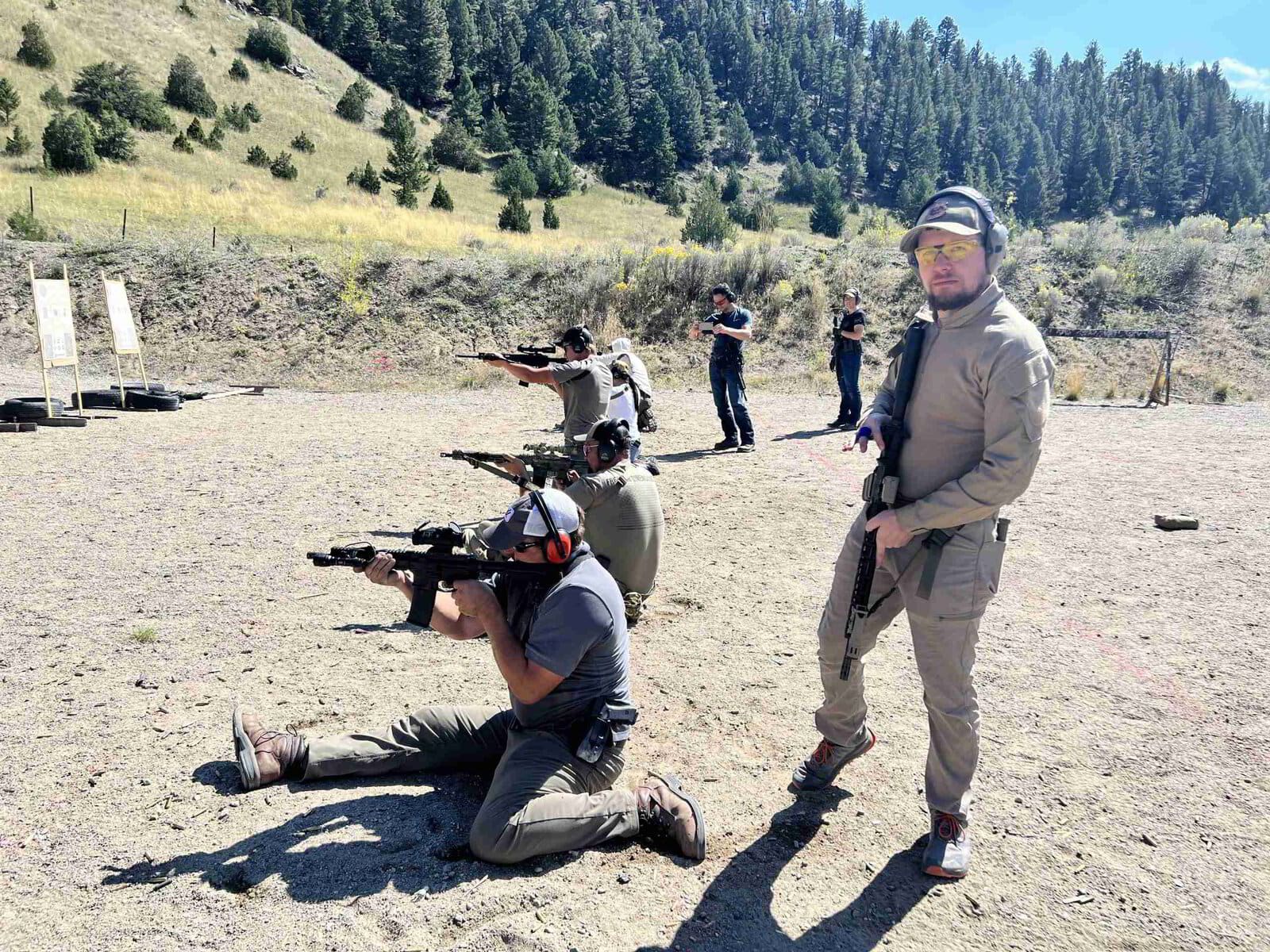
How to effectively navigate the world of firearm ownership and training in Colorado can seem
daunting, especially for newcomers. With diverse landscapes and a rich shooting culture,
Colorado is a state where both recreational shooting and responsible firearm ownership thrive.
According to the Colorado Division of Criminal Justice, firearm ownership rates are among the
highest in the nation, underscoring the importance of education and safety. Whether you are
considering purchasing your first firearm, seeking training to enhance your skills, or aiming to
understand the laws governing ownership, arming yourself with knowledge is essential. This
guide will provide you with valuable insights and resources, helping you become a responsible
and informed firearm owner in the Centennial State.
Understanding Firearm Ownership in Colorado
Overview of Colorado Firearm Laws
To effectively navigate the world of firearm ownership and training in Colorado, it is crucial to
familiarize yourself with the state's firearm laws. Colorado has specific regulations regarding the
purchase, possession, and carrying of firearms, designed to promote safety and responsibility
among gun owners. Key points include:
- Background Checks: A background check is mandatory for firearms purchases from
licensed dealers.
- Waiting Periods: Colorado does not impose a waiting period for purchasing firearms.
- Concealed Carry: Individuals must obtain a concealed carry permit to legally carry a
concealed weapon.
Types of Firearms Permitted in Colorado
Colorado allows a variety of firearms, which includes handguns, shotguns, and rifles. However,
there are restrictions on certain types of firearms such as assault weapons and large-capacity
magazines. Understanding these distinctions can help you make informed decisions on your
firearm purchases and training needs.
Responsibilities of Firearm Owners
Owning a firearm comes with significant responsibilities. It’s vital for gun owners to ensure that
they:
- Understand how to securely store their firearms to prevent unauthorized access,
especially from children.
- Regularly check and maintain their firearms for safety and reliability.
- Stay informed about any changes in local and state laws regarding firearm ownership.
The Importance of Firearm Training
Benefits of Professional Firearm Training
Professional training not only enhances your shooting skills but also instills key safety practices
that are essential for all gun owners. Benefits include:
- Skill Development: Gain proficiency in handling, aiming, and firing a firearm.
- Safety Awareness: Learn vital safety protocols that can prevent accidents.
- Confidence Building: Increase your comfort level with firearms, leading to responsible ownership.
Understanding the Basics of Shooting
Firearms training typically begins with mastering the fundamentals of shooting. This includes:
- Stance: Learning the proper stance can significantly improve accuracy.
- Grip: Proper hand positioning is crucial for control and safety.
- Sight Alignment: Understanding how to align the front and rear sights ensures effective
aiming.
The Role of Safety in Firearm Handling
Safety cannot be overstated when discussing firearm ownership. Training programs emphasize
the following principles:
- Always treat every firearm as if it is loaded.
- Keep your finger off the trigger until you are ready to fire.
- Be aware of your target and what's beyond it.
For more information on firearm safety and training resources, visit the NRA Training website.
Finding Reputable Firearm Training Programs
Criteria for Selecting a Training Academy
When searching for firearm training programs, consider the following criteria to ensure you
receive quality instruction:
- Instructor Qualifications: Check for certified trainers with appropriate credentials.
- Curriculum: Evaluate what topics are covered to ensure they align with your needs.
- Student Reviews: Look for testimonials or reviews from previous students to gauge
satisfaction.
Accreditation and Certification of Instructors
Choosing a training academy with accredited instructors can greatly enhance your learning
experience. Look for organizations that are recognized by reputable institutions such as the
NRA or local law enforcement agencies.
Different Types of Courses Offered
Firearm training programs in Colorado offer a range of courses, including:
- Basic handgun safety and shooting courses.
- Advanced tactical training for self-defense situations.
- Specialized courses focusing on concealed carry laws and techniques.
By understanding these aspects, you can significantly improve your journey in mastering firearm
ownership and training in Colorado.
Essential Skills to Master
Marksmanship Fundamentals
To truly excel in firearm ownership and training, mastering the fundamentals of marksmanship is
crucial. This includes:
- Breath Control: Learning how to control your breathing can significantly enhance your
accuracy.
- Trigger Control: Understanding how to smoothly pull the trigger without jerking will
improve your shot consistency.
- Sight Picture: Developing the ability to correctly align your sights and target is vital for
precision shooting.
Gun Handling Techniques
Proper gun handling is essential for safety and effectiveness. Key techniques to learn include:
- Loading and Unloading: Knowing how to safely load and unload a firearm reduces the
risk of accidental discharge.
- Malfunction Clearing: Familiarization with common malfunctions, such as jams, ensures
you can respond effectively in critical situations.
- Carrying Positions: Understanding different carrying positions enhances your comfort
and safety while transporting your firearm.
Self-Defense Scenarios
Training for real-life self-defense situations is vital for responsible firearm ownership. Essential
elements include:
- Situational Awareness: Being aware of your surroundings can help you avoid dangerous
confrontations.
- De-escalation Techniques: Learning how to diffuse potentially violent situations without
using your firearm is key to responsible ownership.
- Legal Considerations: Understand the legal implications of using a firearm in
self-defense situations in Colorado to make informed decisions.
By focusing on these essential skills, you can build a strong foundation that allows you to
effectively navigate the world of firearm ownership and training in Colorado. Additional
resources for developing these skills can be found at the National Shooting Sports Foundation.
Navigating Local Regulations and Resources
Overview of Local Firearm Regulations
Understanding local firearm regulations is essential for any gun owner in Colorado. These laws
can influence when and how you can carry your firearm, as well as the types of firearms
allowed. Key regulations include:
- Open Carry: Colorado law permits open carry without a permit, but some localities
impose restrictions.
- Concealed Carry: Obtaining a concealed carry permit involves training and a background
check. Be sure to familiarize yourself with the specific requirements in your county.
- Transportation Laws: Firearms must be transported in a safe manner, usually unloaded
and not easily accessible to passengers.
Accessing Colorado's Resources for Gun Owners
Colorado offers numerous resources for firearm owners to better understand their rights and
responsibilities. Some resources include:
- State Division of Criminal Justice: Provides comprehensive information on firearm laws
and regulations.
- Colorado Bureau of Investigation: Offers guidelines on obtaining firearm background
checks.
- Local Law Enforcement Agencies: Many local police departments have community
outreach programs that educate about firearm laws.
Understanding the State's Gun Ownership Culture
Colorado has a unique culture surrounding firearm ownership, characterized by a mix
of recreational shooting, hunting, and personal defense. Recognizing this culture can provide
valuable insights:
- Community Engagement: Participating in local shooting clubs and firearm training
courses can help foster a sense of community and responsible ownership.
- Advocacy Organizations: Joining organizations like the Colorado State Shooting
Association can keep you informed about legislative changes and advocacy efforts
surrounding the Second Amendment.
- Events and Workshops: Attend local firearm shows, safety events, and training
workshops to connect with other owners and stay updated on best practices.
By fully understanding these local regulations and resources, you can effectively navigate the
world of firearm ownership and training in Colorado. This knowledge empowers you to engage
as a responsible firearm owner, ensuring safety and compliance with the law.
Ongoing Training and Skill Development
Importance of Continued Education and Training
To maintain proficiency and foster responsible firearm ownership, ongoing training and
education are essential. Regular training helps reinforce skills and keeps firearm owners
updated on the latest safety practices and legal requirements. Key benefits include:
- Skill Retention: Regular practice ensures that shooting skills remain sharp and effective.
- Adaptability: As laws and technologies change, ongoing training allows owners to adapt
and respond to new developments.
- Confidence Building: Continued education enhances self-confidence, making firearm
owners feel more secure in their abilities.
Opportunities for Advanced Training
Once you have mastered the basics, consider pursuing advanced training options to further
your skill set. Some training opportunities include:
- Tactical Training Courses: Programs focused on self-defense scenarios and strategic
shooting techniques.
- Specialized Firearm Classes: Courses that cover specific topics, such as long-range
shooting or competition practices.
- Scenario-Based Training: Practical exercises that simulate real-life situations, improving
decision-making skills under pressure.
What to Look for in Skill Development Classes
Selecting the right training program is crucial for maximizing your growth as a firearm owner.
Consider these factors when evaluating skill development classes:
- Instructor Expertise: Look for instructors with a proven track record of teaching and
real-world experience in firearm-related situations.
- Course Curriculum: Ensure that the content aligns with your personal goals, whether it's
self-defense, competitive shooting, or recreational use.
- Student-to-Instructor Ratio: Smaller class sizes can provide more personalized
instruction and feedback.
By actively engaging with ongoing training and skill development, you can continue to build on
your knowledge and experience, ensuring you know how to effectively navigate the world of
firearm ownership and training in Colorado. For more information on training resources, visit the
Building a Responsible Firearm Owner Mindset
The Ethical Considerations of Firearm Ownership
Understanding the ethical implications of firearm ownership is paramount for anyone looking to
responsibly navigate the world of firearm ownership and training in Colorado. Key ethical
considerations include:
- Respect for Life: Recognizing that firearms are tools that can cause harm necessitates a
strong commitment to safety and responsible usage.
- Accountability: Owning a firearm means being accountable for your actions and
ensuring that those around you are safe from potential harm.
- Community Responsibility: Engaging with your community to promote safe firearm
practices can help foster a responsible ownership culture.
Engaging with the Community and Advocacy Groups
Building a positive relationship with your community can enhance your experience as a firearm
owner. Consider the following ways to get involved:
- Join Local Shooting Clubs: Becoming a member can connect you with like-minded
individuals who share an interest in safe and responsible shooting practices.
- Participate in Training Workshops: These events often bring together experts and
enthusiasts, allowing you to learn new skills and contribute to safer communities.
- Support Advocacy Organizations: Organizations such as the National Rifle Association
(NRA) work to protect your rights and educate the public on responsible firearm
ownership.
Preparing for Legal Responsibilities
Awareness of the legal aspects of firearm ownership is crucial in maintaining responsible
practices. Here’s what to focus on:
- Know Your Rights: Familiarize yourself with the Second Amendment and state laws to
understand your legal standing as a gun owner.
- Stay Informed: Keep abreast of any legal changes regarding firearm laws in Colorado, as
they can impact your rights and responsibilities.
- Legal Representation: Consider consulting with a lawyer who specializes in firearm law
to ensure you understand your obligations and rights fully.
By cultivating a responsible firearm owner mindset through ethical considerations, community
engagement, and legal awareness, you enhance your ability to how to effectively navigate the
world of firearm ownership and training in Colorado. This approach will not only ensure your
safety but also the safety of those around you.
Conclusion: Embracing Responsible Firearm
Ownership and Training
Recap of Key Points
Navigating the world of firearm ownership and training in Colorado requires a well-rounded
understanding of various elements. As we've explored, the journey includes:
- Gaining a thorough understanding of firearm laws and responsibilities in Colorado.
- Recognizing the importance of professional training and ongoing skill development.
- Engaging with the community and advocacy groups to enhance responsible ownership.
- Being aware of ethical considerations and legal responsibilities associated with firearms.
Encouraging a Culture of Safety and Respect
As responsible firearm owners, it is crucial to foster a culture that values safety, respect, and
accountability. This can be achieved through:
- Promoting safe storage practices to prevent unauthorized access.
- Advocating for proper training and education in firearm handling.
- Supporting community initiatives that focus on responsible shooting sports and
self-defense practices.
Taking the Next Step in Your Firearm Journey
Now that you have a comprehensive understanding of the key components of firearm ownership
and training, you are better equipped to make informed decisions. Here are actionable steps
you can take:
- Enroll in a professional training course that aligns with your goals.
- Join local organizations or clubs to connect with fellow firearm enthusiasts.
- Stay informed by reading about the latest developments in firearm legislation and training
opportunities.
Embracing the responsibilities of firearm ownership and training not only enhances your skills
but also contributes positively to your community. By effectively navigating this world, you
ensure your safety and the safety of those around you. For more resources and information
about firearm safety and ownership, visit the National Safety Council.
Understanding How to Effectively Navigate the World
of Firearm Ownership and Training in Colorado
The Journey to Becoming a Responsible Gun Owner
Becoming a responsible firearm owner in Colorado is a journey that demands
commitment to education, training, and ethical practices. Here’s how you can proceed:
- Start with Research: Familiarize yourself with federal, state, and local laws
governing firearm ownership. Resources such as the Colorado Division of Criminal
Justice can provide valuable information.
- Choose the Right Training Courses: Opt for classes that cater to both beginners
and advanced users. Look for programs that emphasize safety, handling, and legal
considerations.
- Invest in Quality Equipment: Invest in firearms and safety gear that suit your
specific needs. Whether for sport, hunting, or self-defense, make sure your
equipment is reliable and well-maintained.
Leveraging Resources and Community Support
Connecting with local resources and the community can greatly enhance your
experience as a firearm owner:
- Join Shooting Clubs and Organizations: Getting involved with local clubs like
the Colorado State Shooting Association can expose you to a community of
ethical gun owners and provide a wealth of learning opportunities.
- Participate in Workshops and Seminars: Look for workshops that focus on
advanced skills, legal responsibilities, and ethical considerations in firearm use.
- Utilize Online Resources: Websites like the National Shooting Sports Foundation
(NSSF) offer a variety of resources that can help you stay informed about best
practices and new training options.
Promoting Safe and Responsible Firearm Practices
To ensure a positive impact on your community and promote responsible firearm
ownership:
- Engage in Safety Education: Advocate for firearm safety education within your
community, sharing the importance of proper handling, storage, and training.
- Be a Mentor: If you're an experienced firearm owner, consider mentoring less
experienced individuals, helping to instill safety and responsible ownership.
- Stay Updated with Legislation: Regularly review local laws and regulations to
remain compliant and advocate for responsible legislation within your community.
By taking these steps, you will be well-prepared to effectively navigate the world of
firearm ownership and training in Colorado. Embracing knowledge and community better
equips you to handle the responsibilities of being a mindful gun owner, benefiting both
yourself and those around you.
Taking Action Towards Responsible Firearm Ownership
Understanding Your Responsibilities
As you learn how to effectively navigate the world of firearm ownership and training in
Colorado, it's crucial to recognize the responsibilities that come with it. These
responsibilities include:
- Safe Storage: Firearms must be stored securely, ideally in a locked safe or
cabinet, to prevent unauthorized access, especially by children.
- Regular Maintenance: Make it a habit to regularly clean and maintain your
firearms to ensure their functionality and safety.
- Understanding Legal Ownership: Stay updated on state and federal laws
regarding ownership, transfer, and use of firearms, ensuring full compliance.
Choosing the Right Firearm for Your Needs
Selecting the appropriate firearm is an integral part of responsible ownership. Here’s
how to make an informed choice:
- Identify Your Purpose: Determine if the firearm will be used for self-defense,
hunting, target shooting, or a combination of these.
- Research Firearm Types: Different firearms serve different purposes. Familiarize
yourself with handguns, shotguns, and rifles to understand their functionalities and
classifications.
- Consult Experts: Don't hesitate to seek advice from professional trainers or
knowledgeable staff at local gun shops who can help match a firearm to your
specific needs.
Importance of Ongoing Training and Practice
Firearm ownership comes with the imperative of continuous learning and practice. Key
points to consider include:
- Enroll in Advanced Training: Seek out advanced courses that focus on specific
skills such as tactical training or advanced marksmanship.
- Regular Practice: Make time for practice at shooting ranges to refine your skills
and build muscle memory.
- Stay Engaged: Join drills and community events, where you can learn from peers
and further enhance your capabilities.
By acknowledging your responsibilities, making informed choices, and committing to
ongoing training, you pave the way towards effective and responsible firearm ownership
in Colorado. For more information and resources on safe firearm practices, visit the
National Association of Sporting Goods Wholesalers (NASGW).
What are the requirements for purchasing a firearm in Colorado?
To purchase a firearm in Colorado, you must be at least 18 years old for long guns and
21 years old for handguns. Additionally, you must undergo a background check
conducted by a licensed dealer, which assesses your eligibility based on mental health
and criminal history. Some localities also require a waiting period for certain firearm
purchases, so it's essential to familiarize yourself with both state and local regulations.
Do I need a permit to carry a concealed weapon in Colorado?
Yes, in Colorado, you need a permit to carry a concealed weapon. To obtain this permit,
you must complete a background check and take a certified training course that covers
firearm safety, laws related to self-defense, and practical shooting skills. Once you have
completed the requirements, you can apply through your local sheriff's office.
What kind of training should I pursue as a new firearm owner?
As a new firearm owner, it's crucial to pursue professional training that covers the basics
of firearm safety, handling, and shooting techniques. Look for courses that include
instruction on safe storage practices, maintenance, and understanding the laws
surrounding firearm ownership. Many training academies offer beginner classes tailored
specifically for new owners.
How often should I practice shooting my firearm?
Regular practice is vital for maintaining your skills and ensuring safe handling of your
firearm. It's recommended that you practice at least once a month, but more frequent
practice—such as weekly or bi-weekly sessions—can significantly enhance your
proficiency and comfort level. Participating in organized events or drills can also provide
valuable experience.
What should I know about storing my firearm safely?
Safe storage is a critical aspect of responsible firearm ownership. Firearms should be
stored unloaded in a locked safe or secure storage case, separate from ammunition. It's
essential to ensure that the storage solution is out of reach of children or unauthorized
individuals. Additionally, consider using cable locks or trigger locks as extra safety
measures to prevent accidental discharges.
Tags: Firearm Ownership, Colorado Firearm Training, Gun Safety & Training
Latest Blog & Articles
The Ultimate Guide to Defensive Handgun Training in Colorado
In an increasingly uncertain world, mastering defensive handgun training is essential for responsible gun ownership and personal safety. Co…
Read more →
Best Practices for Defensive Handgun Training: A Comprehensive Guide
In a world where personal safety is increasingly vital, mastering defensive handgun training is essential for anyone considering firearm ow…
Read more →
The Ultimate Guide to Firearm Training Courses in El Paso County, Colorado
In an age where firearm safety and education are paramount, Colorado Boots is proud to provide the definitive guide to firearm training cou…
Read more →