
Mastering Defensive Firearm Techniques: A Comprehensive Guide for Colorado Residents
March 10, 2026 · Defensive Firearms Training / Self-Defense & Personal Safety / Firearms Education & Safety
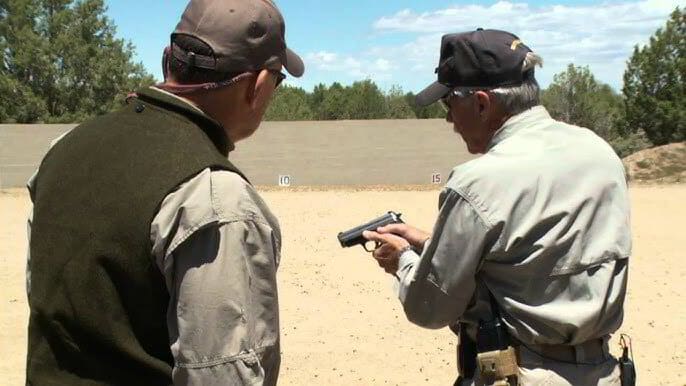
In today's uncertain world, the ability to protect yourself and your loved ones has become
increasingly important. For Colorado residents, learning defensive firearm techniques
represents a crucial skill set that combines personal safety, legal responsibility, and technical
proficiency. Whether you're a complete beginner feeling intimidated by firearms or an experienced
shooter seeking to refine your defensive capabilities, mastering these techniques requires proper
training, dedication, and understanding of both the mechanical and legal aspects of firearm use.
Colorado's unique legal landscape provides residents with significant rights regarding firearm
ownership and concealed carry, but with these rights come substantial responsibilities. The
state's "Make My Day" law and concealed carry provisions offer legal protections for those
who use firearms defensively, yet understanding when and how to apply these laws requires
comprehensive education. This is where professional training becomes invaluable.
Defensive firearm techniques extend far beyond simply pulling a trigger. They encompass
situational awareness, threat assessment, proper firearm selection, mechanical proficiency,
and split-second decision-making under extreme stress. When you learn defensive firearm
techniques Colorado-style, you're not just acquiring shooting skills – you're developing a
comprehensive mindset that prioritizes de-escalation while preparing for worst-case scenarios
when no other options remain available.
Understanding Your Firearm Options
Selecting the appropriate firearm for defensive purposes requires careful consideration of
multiple factors, including your experience level, physical capabilities, intended use, and
legal requirements. In Colorado, residents have access to various firearm types, each offering
distinct advantages for self-defense scenarios.
Handguns remain the most popular choice for personal protection due to their portability
and ease of concealment. Semi-automatic pistols offer higher capacity and faster reloading
capabilities, making them ideal for situations requiring multiple shots. Popular calibers include
9mm, .40 S&W, and .45 ACP, each providing different balances between stopping power and
manageable recoil. Revolvers, while offering lower capacity, provide exceptional reliability and
simplicity, making them excellent choices for beginners or those who prefer mechanical simplicity
over complexity.
For home defense, shotguns present compelling advantages. Their wide spread pattern
increases hit probability under stress, while various ammunition types allow users to select
appropriate loads for their specific situations. Rifles, particularly those chambered in intermediate
cartridges, offer superior accuracy and stopping power but require more training to use effectively
in close-quarters scenarios.
Your experience level significantly influences firearm selection. Beginners benefit from simpler
mechanisms with fewer controls, while experienced shooters can handle more complex systems
with additional features. Physical considerations include hand size, strength, and any mobility
limitations that might affect your ability to operate specific firearms effectively.
Colorado's concealed carry training Colorado programs emphasize matching firearms to individual
needs rather than following generic recommendations. Professional instruction helps identify the
optimal balance between effectiveness, reliability, and your ability to operate the chosen firearm
competently under stress.
Key Principles of Defensive Shooting
Defensive shooting fundamentally differs from recreational target shooting, requiring a completely
different mindset and skill set. The primary principles focus on rapid threat neutralization while
maintaining safety awareness and legal compliance throughout the encounter.
Situational awareness forms the foundation of all defensive techniques. This involves constantly
scanning your environment, identifying potential threats, recognizing escape routes, and positioning
yourself advantageously. Effective situational awareness often prevents dangerous encounters
entirely, making it your first and most important line of defense. Training develops your ability to
recognize pre-attack indicators, unusual behavior patterns, and environmental factors that might
signal impending danger.
Threat assessment requires split-second evaluation of whether a situation truly justifies defensive
force. Colorado law requires imminent threat of death or serious bodily injury before defensive firearm
use becomes legally justified. This assessment must consider the attacker's ability, opportunity, and
intent to cause harm, while simultaneously evaluating whether lesser force options might resolve
the situation safely.
Proper positioning and aim acquisition under stress demand extensive practice. Unlike precision
shooting, defensive shooting prioritizes speed and acceptable accuracy over perfect shot placement.
The goal is placing effective shots on target quickly enough to stop the threat before they can harm
you or others. This requires developing muscle memory through repetitive training that simulates
stress conditions as closely as possible.
Trigger control remains critical even in defensive situations. Jerking or slapping the trigger
causes missed shots, potentially allowing threats to continue their attack or endangering
innocent bystanders. Smooth, straight-back trigger manipulation ensures shots go where
intended, maximizing effectiveness while minimizing collateral damage risks. Advanced training
incorporates stress-inducing exercises that test your ability to maintain proper trigger control
under pressure.
Essential Defensive Shooting Techniques
Mastering fundamental defensive shooting techniques provides the mechanical foundation
upon which all advanced skills build. These techniques must become second nature through
consistent practice until they function automatically under extreme stress.
Stance and grip fundamentals establish the platform from which all shots originate. The modern
isosceles stance positions your body square to the target with feet shoulder-width apart, providing
stability while allowing natural movement. The Weaver stance angles your body with the strong-side
foot back, offering a smaller profile to threats while maintaining control. Both stances have advantages,
and training should include proficiency with multiple positions.
Grip technique significantly impacts accuracy and recoil management. A proper grip involves
approximately 60% pressure from the support hand and 40% from the strong hand, creating a
firm, consistent platform. The support hand thumb should point forward alongside the frame,
never behind the slide where it could be injured during cycling. Consistent grip pressure and
hand placement ensure predictable shot placement regardless of stress levels.
Quick draw techniques enable rapid firearm deployment when seconds matter. Proper draw
stroke involves four distinct steps: establishing a firing grip while clearing the holster, rotating
the muzzle toward the target, meeting the hands at chest level, and extending to full presentation.
Each step must flow smoothly into the next without wasted motion or hesitation.
Multiple target engagement strategies prepare you for scenarios involving several threats
simultaneously. This requires prioritizing targets based on proximity, weapon capability, and
immediate threat level. Proper technique involves engaging the most dangerous threat first,
then transitioning smoothly to secondary targets without losing awareness of previously engaged
threats who might still pose danger.
When you learn defensive firearm techniques Colorado instructors emphasize, you'll discover
these fundamentals require thousands of repetitions to master completely.
Safety Protocols and Legal Considerations
Firearm safety forms the absolute foundation of all defensive training, with violations potentially
resulting in tragic accidents or legal consequences. The four fundamental safety rules apply
universally, regardless of experience level or training context.
First, treat every firearm as if it were loaded, even when you believe otherwise. This mindset
prevents complacency that leads to accidents during handling, cleaning, or storage. Second,
never point the muzzle at anything you're not willing to destroy. Proper muzzle discipline becomes
automatic through consistent practice and conscious attention to firearm direction at all times.
Third, keep your finger off the trigger until ready to shoot. The trigger finger should rest along
the frame above the trigger guard until the decision to fire has been made. This prevents
accidental discharges during high-stress situations when fine motor control deteriorates. Fourth,
be sure of your target and what lies beyond it. Bullets can penetrate walls, windows, and othe
r barriers, potentially injuring innocent people in adjacent rooms or buildings.
Colorado's legal framework governing defensive firearm use requires thorough understanding
before carrying or storing firearms for protection. The state's "Make My Day" law provides strong
protections for homeowners defending against intruders, but these protections don't extend to all
locations or circumstances. Understanding the legal requirements for justified defensive force
prevents criminal charges and civil liability.
Concealed carry permit holders must understand where carry is prohibited, including schools,
government buildings, and private properties with posted restrictions. Additionally, Colorado law
requires permit holders to inform law enforcement officers of their armed status during official
contacts, following specific protocols to ensure everyone's safety.
Self-defense firearm training Colorado programs emphasize that legal defensive force must be
proportional to the threat faced, immediately necessary, and cease once the threat ends.
Advanced Techniques for Experienced Shooters
Experienced shooters seeking to enhance their defensive capabilities can benefit from advanced
techniques that address complex scenarios and equipment malfunctions. These skills require
solid fundamental proficiency before attempting to master more sophisticated applications.
Dynamic shooting drills simulate real-world conditions where threats and defenders move
simultaneously. These exercises develop the ability to engage targets while advancing,
retreating, or moving laterally to cover. Moving while shooting requires modified stance and
grip techniques that maintain accuracy despite the instability created by movement. Training
includes shooting from unconventional positions such as prone, kneeling, or around barriers
.
Malfunction clearance techniques ensure your firearm remains functional when mechanical
failures occur. Common malfunctions include failure to fire, failure to extract, and double feeds.
Each requires specific procedures to restore function quickly and safely. Type 1 malfunctions
(failure to fire) require immediate action drills involving tapping the magazine, racking the slide,
and attempting to fire again. More complex malfunctions demand detailed knowledge of your
firearm's operating system.
Tactical movement and cover utilization teach proper techniques for using available protection
while maintaining the ability to observe and engage threats. Cover provides ballistic protection
from incoming fire, while concealment only hides your position without stopping bullets.
Understanding the difference and using each appropriately can mean the difference between
survival and tragedy.
Advanced firearm techniques Colorado training incorporates low-light shooting skills, as most
defensive encounters occur during darkness. This includes proper flashlight techniques, sight
alignment with limited visibility, and target identification procedures that prevent mistaking
innocent people for threats.
Stress inoculation training gradually introduces controlled stress elements that simulate the
physiological and psychological effects of life-threatening encounters, helping develop the
mental resilience necessary for effective defensive action.
Resources for Further Learning
Colorado offers numerous opportunities for residents seeking to develop or enhance their
defensive firearm skills through professional instruction and ongoing education. Selecting
appropriate training requires understanding your current skill level and specific learning
objectives.
Colorado Boots Firearms Instruction provides comprehensive training programs designed for
all experience levels. Their Colorado Concealed Carry License Training meets state requirements
while providing practical skills beyond minimum legal standards. The Handgun Fundamentals
Course offers beginners a solid foundation in safe firearm handling, while the Advanced Handgun
Shooting Techniques course challenges experienced shooters with complex scenarios and
precision requirements.
Specialized courses address specific needs and interests. The Selecting a Handgun Course
helps prospective buyers choose appropriate firearms for their intended purposes, while the
Choosing the Holster Course ensures proper equipment selection for safe concealed carry.
The Kids Firearm Safety Class introduces young people to firearm safety principles in an age
-appropriate manner.
NRA certified training Colorado programs provide nationally recognized instruction following
established curricula. The NRA Basic Pistol Course covers fundamental knowledge and skills,
while more advanced NRA programs address specific applications and techniques. These
certifications are widely recognized and often required for certain employment or volunteer
positions.
Personalized coaching sessions offer individualized instruction tailored to specific needs and
learning styles. One-on-one training allows instructors to focus on particular weaknesses or
advanced techniques that might not receive adequate attention in group settings.
Online resources supplement formal training but cannot replace hands-on instruction and live
-fire practice. Reputable websites, training videos, and educational materials provide valuable
information about techniques, equipment, and legal considerations. However, always verify
online information through qualified instructors and official sources.
Colorado shooting courses continue throughout the year, providing ongoing opportunities for
skill development and maintenance.
Conclusion
Mastering defensive firearm techniques represents a serious commitment to personal safety,
legal responsibility, and ongoing skill development. Colorado residents have access to excellent
training resources and legal protections that support responsible firearm ownership and defensive
use. However, these rights come with significant responsibilities that require proper education,
regular practice, and continuous learning. Whether you're just beginning to learn defensive
firearm techniques Colorado-style or seeking advanced training to refine existing skills,
professional instruction provides the foundation for safe, effective, and legal defensive firearm
use.
Ready to begin your defensive firearm training journey? Colorado Boots Firearms Instruction
offers comprehensive programs designed for all experience levels, from complete beginners
to advanced shooters. Our professional instructors provide the knowledge, skills, and confidence
you need to protect yourself and your loved ones effectively and legally. Contact us today at
719-782-8793 or visit https://coloradobootsfirearmsinstruction.com/ to enroll in our defensive
firearm training courses and take the first step toward mastering these essential life-saving skills.
Tags: Defensive Firearm Training Colorado, Firearms Self-Defense Techniques, Gun Safety for Colorado Residents
Latest Blog & Articles
The Ultimate Guide to Defensive Handgun Training in Colorado
In an increasingly uncertain world, mastering defensive handgun training is essential for responsible gun ownership and personal safety. Co…
Read more →
Best Practices for Defensive Handgun Training: A Comprehensive Guide
In a world where personal safety is increasingly vital, mastering defensive handgun training is essential for anyone considering firearm ow…
Read more →
The Ultimate Guide to Firearm Training Courses in El Paso County, Colorado
In an age where firearm safety and education are paramount, Colorado Boots is proud to provide the definitive guide to firearm training cou…
Read more →