
Mastering Advanced Handgun Training Techniques: A Comprehensive Guide
August 18, 2026 · Firearm Training / Personal Protection / Marksmanship Skills
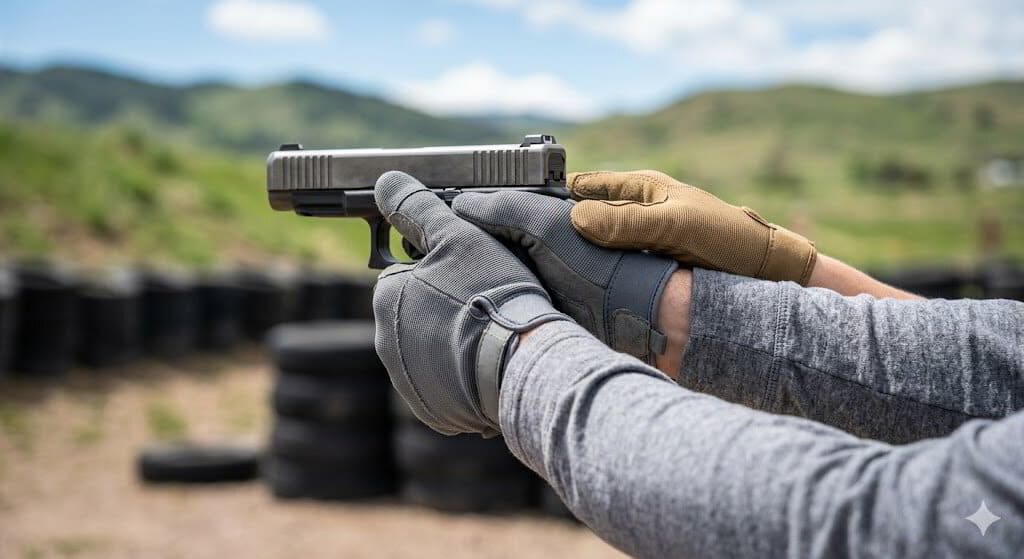
In the realm of firearms proficiency, the journey from basic competency to advanced mastery requires dedication, proper instruction, and consistent practice. Whether you're a Colorado resident seeking to enhance your concealed carry skills or an experienced shooter looking to refine your techniques, understanding advanced handgun training techniques is essential for developing superior marksmanship and tactical proficiency.
The landscape of modern firearms training has evolved significantly, incorporating scientific principles of human performance, biomechanics, and cognitive psychology to create more effective learning methodologies. Today's advanced training programs go far beyond simple target shooting, encompassing dynamic scenarios, stress inoculation, and real-world application of shooting skills.
This comprehensive guide will explore the fundamental components of advanced handgun training, providing you with actionable insights and professional techniques used by law enforcement, military personnel, and competitive shooters. From perfecting your shooting stance to mastering complex reload procedures, each section builds upon the previous to create a complete framework for firearms excellence. By understanding these principles and applying them consistently, you'll develop the confidence and competence necessary for any shooting scenario you may encounter.
Understanding the Basics Before Advancing
Before delving into advanced handgun training techniques, it's crucial to establish a solid foundation built on fundamental principles of firearm safety and basic marksmanship. The four cardinal rules of firearm safety remain paramount regardless of skill level: treat every firearm as if it's loaded, never point the muzzle at anything you don't intend to destroy, keep your finger off the trigger until ready to shoot, and be certain of your target and what lies beyond it.
Basic marksmanship fundamentals form the cornerstone of all advanced techniques. These include proper grip, consistent sight alignment, smooth trigger control, and appropriate follow-through. Many experienced shooters make the mistake of rushing into advanced training without fully mastering these basics, which inevitably leads to performance plateaus and ingrained bad habits that become increasingly difficult to correct.
The transition from basic to advanced training requires honest self-assessment of current capabilities. Professional firearm training courses typically begin with a skills assessment to identify areas requiring improvement before introducing advanced concepts. This approach ensures that students can safely and effectively participate in more challenging training scenarios. The progression from basic to advanced should be gradual and systematic, with each new skill thoroughly practiced and integrated before moving to the next level.
Understanding your current proficiency level also helps in selecting appropriate training goals and courses. Whether you're interested in competitive shooting, self-defense applications, or professional development, having a clear picture of your starting point enables more effective training planning and measurable progress tracking throughout your advanced handgun training journey.
Developing a Strong Shooting Stance and Grip
A proper shooting stance serves as the foundation for all advanced handgun training techniques, providing stability, recoil management, and consistent shot placement. The three primary shooting stances each offer distinct advantages depending on the shooting scenario and individual physical characteristics.
The Isosceles stance positions the shooter squarely facing the target with feet shoulder-width apart and weight evenly distributed. Both arms extend equally toward the target, creating the triangular shape that gives this stance its name. The Weaver stance, developed by Los Angeles County Deputy Sheriff Jack Weaver, involves blading the body at approximately 45 degrees to the target. The Modified Weaver or Chapman stance combines elements of both previous stances. The shooter maintains the bladed body position of the Weaver but extends both arms more fully, similar to the Isosceles.
Grip technique significantly impacts shooting performance and must be optimized for each individual shooter. The strong hand should achieve maximum contact with the pistol grip, with the web of the hand positioned as high as possible on the backstrap. Proper grip pressure involves approximately 60% pressure from the support hand and 40% from the strong hand, creating a stable shooting platform while maintaining trigger finger independence.
Advanced Aiming Techniques and Sight Alignment
Precision aiming represents one of the most critical aspects of advanced handgun training techniques, requiring perfect coordination between visual focus, sight alignment, and sight picture. Sight alignment refers to the precise positioning of the front sight within the rear sight notch. The front sight should appear centered horizontally within the rear sight, with equal light gaps on both sides. Vertically, the top of the front sight should align perfectly with the top of the rear sight, creating a level sight picture.
Sight picture involves the relationship between properly aligned sights and the intended point of impact on the target. Visual focus represents perhaps the most challenging aspect of advanced aiming techniques. Proper technique requires maintaining sharp focus on the front sight while allowing the rear sight and target to appear slightly blurred. Advanced shooters develop the ability to use different aiming techniques based on shooting distance and time constraints.
Trigger Control and Reset Techniques
Mastering trigger control represents the pinnacle of advanced handgun training techniques, as it directly determines shot placement regardless of other factors. Proper trigger finger placement positions the pad of the index finger on the trigger face, typically at the first joint. The trigger press itself should be smooth and consistent, building pressure gradually until the shot breaks. Advanced shooters learn to "prep" the trigger by taking up initial slack, then applying final pressure when the sight picture is perfect.
Trigger reset represents an often-overlooked aspect of advanced shooting technique. After the shot fires, the trigger must be allowed to move forward just far enough to reset the firing mechanism before applying pressure for the next shot. Follow-through involves maintaining trigger pressure and sight alignment momentarily after the shot fires. This prevents the common error of jerking the trigger or disturbing the sight picture during the critical moment when the bullet is still in the barrel.
Advanced Reloading Techniques
Efficient reloading techniques are essential components of advanced handgun training techniques, enabling shooters to maintain continuous engagement capability during extended shooting scenarios. Emergency reloads occur when the pistol runs empty during active engagement, requiring immediate magazine replacement. Tactical reloads are performed when there's a lull in action but ammunition may be needed soon, retaining the partially empty magazine for potential later use while installing a full magazine.
Speed reload techniques focus on minimizing the time required to get the pistol back into action. Advanced shooters develop economy of motion, eliminating unnecessary movements and optimizing hand positioning. Reload positioning and body mechanics significantly impact speed and reliability. The pistol should be brought to a consistent workspace near the chest, allowing visual confirmation of magazine insertion while maintaining situational awareness. Malfunction clearance procedures often incorporate reloading techniques when addressing feeding or extraction failures.
Shooting on the Move and Tactical Shooting
Dynamic shooting techniques represent advanced handgun training techniques that prepare shooters for real-world scenarios where static shooting positions may not be available. Lateral movement provides the foundation for most dynamic shooting techniques. Forward and rearward movement present additional challenges due to the natural bobbing motion created by normal walking gait. Advanced shooters learn to modify their gait, keeping the head and upper body level while moving.
Tactical shooting scenarios incorporate cover utilization, multiple target engagements, and decision-making under pressure. Shooters learn to use available cover effectively, minimizing exposure while maintaining the ability to engage targets. "Slicing the pie" techniques allow gradual exposure around cover while maintaining maximum protection. Cover versus concealment distinction becomes critical; cover provides ballistic protection, while concealment only hides the shooter from view.
Mindset and Decision-Making in Firearm Training
The mental aspects of advanced handgun training techniques often receive insufficient attention despite their critical importance. Combat mindset involves the mental preparation necessary to effectively employ firearms under extreme stress. Situational awareness represents the foundation of tactical decision-making, utilizing frameworks like the Cooper Color Code system. Decision-making under stress requires pre-planning and mental rehearsal of various scenarios, often following the OODA Loop (Observe, Orient, Decide, Act).
Stress management techniques help maintain performance under pressure. Controlled breathing exercises and visualization techniques can help manage physiological effects. Mental rehearsal allows shooters to practice scenarios mentally when live-fire training isn't possible. Legal and ethical considerations form an essential component, as understanding state laws regarding firearms use informs decision-making processes.
Choosing the Right Training Course for Further Development
Selecting appropriate firearm training courses requires careful consideration of current skill levels. Colorado Boots Firearms Instruction offers a comprehensive range of courses designed for advanced practitioners. Our Advanced Handgun Shooting Techniques course specifically addresses the concepts covered in this guide. For shooters seeking formal credentials, the NRA Basic Pistol Course provides nationally recognized certification.
Colorado residents interested in concealed carry should consider our Colorado Concealed Carry License Training, which covers legal requirements and practical shooting skills. For the most efficient path to mastery, our Personalized Coaching and One-on-One Sessions offer customized training programs and immediate feedback.
Conclusion and Next Steps
Mastering advanced handgun training techniques represents a continuous journey of skill development, mental preparation, and practical application. Consistent practice, quality instruction, and gradual skill progression remain essential for achieving advanced proficiency. Seeking out qualified instructors and structured training programs accelerates skill development while ensuring proper technique development from the beginning. The investment in quality training pays dividends in improved performance, increased confidence, and enhanced safety throughout your firearms journey.
Ready to take your shooting skills to the next level?
Colorado Boots Firearms Instruction offers expert-led courses designed for shooters at every level.
Contact us today at 719-782-8793 or visit coloradobootsfirearmsinstruction.com to learn more.
Tags: Advanced Handgun Training, Defensive Shooting Skills, Colorado CCW Mastery
Latest Blog & Articles
The Ultimate Guide to Defensive Handgun Training in Colorado
In an increasingly uncertain world, mastering defensive handgun training is essential for responsible gun ownership and personal safety. Co…
Read more →
Best Practices for Defensive Handgun Training: A Comprehensive Guide
In a world where personal safety is increasingly vital, mastering defensive handgun training is essential for anyone considering firearm ow…
Read more →
The Ultimate Guide to Firearm Training Courses in El Paso County, Colorado
In an age where firearm safety and education are paramount, Colorado Boots is proud to provide the definitive guide to firearm training cou…
Read more →