
Mastering Advanced Handgun Safety Techniques: A Comprehensive Guide
June 23, 2026 · Firearm Training / Safety & Education / Personal Protection
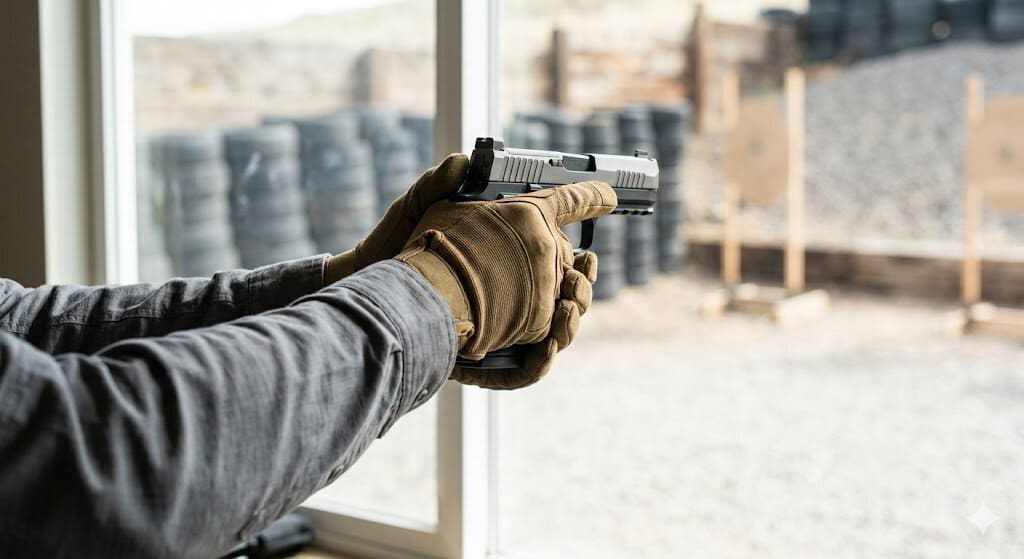
Introduction to Advanced Handgun Safety Techniques
Firearm safety represents the cornerstone of responsible gun ownership and operation. While basic safety rules provide the foundation for safe handling, advanced handgun safety techniques elevate your skills to a professional level, ensuring not only your protection but also the safety of those around you. These sophisticated methods go beyond simple memorization of rules, incorporating muscle memory, situational awareness, and tactical decision-making into a comprehensive safety framework.
Advanced handgun safety techniques serve multiple purposes in today's complex environment. They prepare experienced shooters for high-stress situations where basic safety protocols must become second nature. These techniques also bridge the gap between recreational shooting and practical applications such as concealed carry or self-defense scenarios. Whether you're a law enforcement professional, security personnel, or a civilian seeking enhanced personal protection capabilities, mastering these advanced methods significantly improves your overall firearm proficiency.
This comprehensive guide addresses the needs of intermediate and advanced shooters who understand fundamental safety principles but seek to refine their skills further. The techniques discussed here apply to various contexts, from competitive shooting environments to concealed carry situations. By implementing these advanced practices, shooters develop the confidence and competence necessary to handle firearms safely under diverse and challenging conditions, ultimately contributing to the broader firearms community's commitment to responsible gun ownership and operation.
Understanding Handgun Safety Fundamentals
Before advancing to sophisticated techniques, a thorough review of fundamental handgun safety principles ensures a solid foundation for more complex applications. The four cardinal rules of firearm safety remain paramount: treat every firearm as if it's loaded, never point the muzzle at anything you don't intend to destroy, keep your finger off the trigger until ready to shoot, and be certain of your target and what lies beyond it. These principles form the bedrock upon which all advanced handgun safety techniques are built.
Proper firearm handling extends beyond memorizing rules to developing instinctive responses that prioritize safety in all circumstances. This includes maintaining consistent muzzle discipline regardless of environmental distractions, implementing proper loading and unloading procedures that account for mechanical failures, and establishing clear communication protocols when multiple individuals are present during training or practice sessions. Advanced practitioners understand that safety protocols must become so ingrained that they function automatically, even under stress or fatigue.
Situational awareness represents a critical component of fundamental safety that directly impacts advanced techniques. This involves continuously monitoring your environment for potential hazards, understanding the mechanical condition of your firearm, and maintaining awareness of other individuals in your vicinity. Effective situational awareness also includes recognizing when conditions are unsuitable for firearm handling, such as during periods of emotional distress, physical impairment, or environmental hazards that could compromise safe operation.
The development of consistent safety habits requires deliberate practice and constant reinforcement. Every interaction with a handgun presents an opportunity to strengthen these fundamental skills. This includes dry-fire practice sessions where safety protocols are rehearsed without ammunition, regular inspection and maintenance routines that familiarize you with your firearm's mechanical systems, and ongoing education through reputable training programs. Professional instruction through our Handgun Fundamentals Course helps identify and correct unsafe habits before they become ingrained, while also introducing new safety concepts that enhance overall proficiency. Understanding these fundamentals creates the necessary foundation for implementing more sophisticated safety techniques effectively.
Advanced Handgun Safety Techniques
Advanced handgun safety techniques encompass sophisticated practices that enhance protection beyond basic safety rules. Safe storage represents a critical advanced technique that goes beyond simple lock-and-key solutions. Professional-grade storage systems incorporate multiple security layers, including biometric access controls, tamper-evident seals, and environmental monitoring for humidity and temperature. Advanced practitioners implement staged storage strategies where firearms and ammunition are stored separately with different access requirements, reducing unauthorized access risks while maintaining reasonable accessibility for legitimate use.
Proper grip and stance development significantly impacts both safety and performance. Advanced grip techniques focus on consistent hand placement that provides maximum control while minimizing the risk of mechanical malfunctions or accidental discharges. The modified Weaver stance and isosceles stance each offer distinct advantages depending on the situation, and advanced practitioners master both approaches. Proper stance also incorporates balance principles that allow for rapid movement while maintaining firearm control, essential for dynamic shooting scenarios where safety must be maintained despite changing conditions.
Trigger control represents perhaps the most critical advanced safety technique, as it directly impacts when and how the firearm discharges. Advanced trigger discipline involves understanding the mechanical characteristics of your specific firearm, including trigger weight, reset point, and overtravel. Professional-level trigger control incorporates breathing techniques, follow-through procedures, and reset management that ensures precise shot placement while maintaining safety throughout the firing sequence. This includes developing the ability to stop trigger pressure immediately if the situation changes, preventing unintended discharges during dynamic scenarios.
Understanding and managing the perceptual process during high-stress situations forms another crucial component of advanced handgun safety techniques. Under stress, normal perception can become distorted, affecting judgment, reaction time, and decision-making capabilities. Advanced training includes stress inoculation exercises that simulate high-pressure scenarios while maintaining strict safety protocols. This preparation helps shooters recognize and compensate for perceptual changes, ensuring that safety remains paramount even when adrenaline and stress are elevated. These techniques also include developing pre-planned responses to common scenarios, reducing the cognitive load during actual emergencies and allowing safety protocols to function automatically even under extreme pressure.
Situational Awareness and Risk Management
Effective threat assessment forms the foundation of advanced situational awareness, requiring continuous environmental monitoring and rapid risk evaluation. Professional-level awareness involves developing a systematic approach to identifying potential threats while maintaining normal daily activities. This includes understanding pre-incident indicators that suggest developing problems, recognizing environmental factors that could complicate defensive actions, and maintaining awareness of escape routes and cover options. Advanced practitioners develop the ability to process multiple information streams simultaneously, allowing them to detect subtle changes in their environment that might indicate emerging threats.
De-escalation strategies represent a critical component of risk management that often prevents the need for defensive firearm use entirely. These techniques include verbal de-escalation methods, body language awareness, and positioning strategies that reduce tension while maintaining tactical advantages. Professional de-escalation training teaches practitioners to recognize when situations can be resolved without force, how to communicate effectively under stress, and when withdrawal represents the safest option for all parties involved. Understanding these strategies is essential for concealed carry training participants who may encounter confrontational situations in public settings.
Legal considerations in self-defense situations require thorough understanding of applicable laws, use-of-force standards, and post-incident procedures. Advanced practitioners study relevant state and federal regulations, including duty to retreat laws, castle doctrine provisions, and stand-your-ground statutes that vary significantly between jurisdictions. This knowledge directly impacts tactical decision-making, as legal constraints often determine appropriate responses to threatening situations. Understanding these legal frameworks helps ensure that defensive actions remain within lawful boundaries while still providing effective protection.
Risk management also involves developing comprehensive emergency response plans that address various scenarios while prioritizing safety for all involved parties. This includes establishing communication protocols with law enforcement, understanding medical emergency procedures, and developing family safety plans that account for different threat types. Advanced risk management recognizes that firearm use represents only one option within a broader spectrum of protective measures, and often the best safety outcome involves avoiding confrontation entirely through superior planning and awareness.
Selecting the Right Equipment for Safety
Choosing appropriate handgun platforms requires careful consideration of multiple factors that directly impact safety and effectiveness. Advanced selection criteria include ergonomic compatibility with your hand size and strength, mechanical reliability under various environmental conditions, and ammunition availability for consistent training. Professional-grade handguns incorporate safety features such as firing pin blocks, trigger safeties, and drop safeties that prevent accidental discharges while maintaining operational reliability. Understanding these mechanical safety systems helps inform equipment selection and proper handling procedures.
Holster selection for safety and accessibility represents a critical decision that affects daily carry safety and defensive effectiveness. Quality holsters provide complete trigger guard coverage, secure retention that prevents accidental loss, and consistent presentation that supports rapid deployment when necessary. Advanced holster selection considers factors such as clothing compatibility, concealment requirements, and retention levels appropriate for your training and experience. Professional holster systems also incorporate safety features such as audible retention clicks and positive retention mechanisms that prevent unauthorized access while allowing authorized users to deploy quickly.
Safety gear extends beyond holsters to include hearing protection, eye protection, and training aids that enhance safe practice sessions. Advanced hearing protection systems provide electronic amplification of normal sounds while protecting against harmful noise levels from gunfire. Quality eye protection incorporates impact resistance, optical clarity, and wrap-around designs that provide comprehensive protection during training activities. Additional safety equipment includes shot timers for training feedback, laser training systems for safe dry-fire practice, and dummy ammunition for malfunction clearance training.
Equipment maintenance and inspection protocols ensure continued safe operation throughout the firearm's service life. This includes regular cleaning schedules, parts inspection procedures, and ammunition storage practices that prevent mechanical failures. Advanced practitioners maintain detailed maintenance logs, understand their firearm's parts replacement schedules, and recognize early warning signs of mechanical problems. Professional maintenance also includes periodic inspection by qualified gunsmiths, particularly for firearms used extensively in training or defensive applications where reliability is paramount.
Training for Advanced Techniques
Continuous training represents the cornerstone of maintaining and improving advanced handgun safety techniques throughout your shooting career. Professional development requires structured practice sessions that challenge existing skills while reinforcing fundamental safety principles. Advanced training incorporates stress inoculation exercises, low-light shooting scenarios, and malfunction clearance drills that prepare shooters for real-world conditions. Regular training also includes performance measurement and objective assessment that identifies areas requiring additional development while tracking overall progress.
Personalized coaching provides individualized instruction that addresses specific needs and goals while maintaining the highest safety standards. Professional instructors assess individual skill levels, identify areas for improvement, and develop customized training plans that accelerate skill development. One-on-one coaching allows for immediate feedback and correction of unsafe practices before they become ingrained habits. This personalized approach also accommodates different learning styles and physical capabilities, ensuring that all students can develop advanced skills safely and effectively.
Colorado Boots Firearms Instruction offers comprehensive courses designed to develop advanced handgun safety techniques through structured curricula and professional instruction. Our Advanced Handgun Shooting Techniques course provides intensive training in sophisticated shooting methods while emphasizing safety throughout all exercises. The Advanced Pistol Course builds upon fundamental skills to develop professional-level capabilities in various shooting scenarios. These courses incorporate NRA handgun courses standards while adding specialized instruction tailored to Colorado's specific legal and environmental conditions.
Ongoing education through advanced courses ensures that skills remain current with evolving best practices and technological developments. The firearms industry continuously develops new safety technologies, training methodologies, and equipment options that enhance overall safety and effectiveness. Regular participation in advanced training courses provides exposure to these developments while maintaining proficiency in established techniques. Professional instruction also provides opportunities to practice advanced scenarios that would be impossible to replicate safely without proper supervision and controlled environments, making formal training essential for continued skill development.
Conclusion and Key Takeaways
Mastering advanced handgun safety techniques requires dedication, professional instruction, and continuous practice that prioritizes safety above all other considerations. The techniques discussed throughout this guide represent proven methods for enhancing firearm safety while developing professional-level skills applicable to various shooting scenarios. From sophisticated storage solutions and advanced grip techniques to comprehensive risk management and equipment selection, these methods provide the foundation for safe and effective handgun operation under diverse conditions.
The integration of these advanced techniques into your regular practice routine creates a comprehensive safety framework that protects both you and others while enhancing your overall shooting capabilities. Remember that advanced handgun safety techniques build upon fundamental principles rather than replacing them, and consistent application of basic safety rules remains essential regardless of skill level. Professional instruction plays a crucial role in developing these skills safely and effectively, providing expert guidance and immediate feedback that accelerates learning while preventing the development of unsafe habits.
Ongoing education and regular practice ensure that these advanced techniques remain sharp and readily available when needed most. The investment in professional training and quality equipment pays dividends in enhanced safety, improved confidence, and greater shooting proficiency. Whether your goals include concealed carry training, competitive shooting, or personal protection, mastering these advanced handgun safety techniques provides the foundation for achieving those objectives safely and responsibly.
Ready to elevate your handgun safety skills to a professional level?
Colorado Boots Firearms Instruction offers comprehensive Advanced training. Contact us today at 719-782-8793 or visit coloradobootsfirearmsinstruction.com to enroll.
Tags: Advanced Firearms Training, Handgun Safety, Concealed Carry Colorado
Latest Blog & Articles
The Ultimate Guide to Defensive Handgun Training in Colorado
In an increasingly uncertain world, mastering defensive handgun training is essential for responsible gun ownership and personal safety. Co…
Read more →
Best Practices for Defensive Handgun Training: A Comprehensive Guide
In a world where personal safety is increasingly vital, mastering defensive handgun training is essential for anyone considering firearm ow…
Read more →
The Ultimate Guide to Firearm Training Courses in El Paso County, Colorado
In an age where firearm safety and education are paramount, Colorado Boots is proud to provide the definitive guide to firearm training cou…
Read more →