
Mastering Advanced Defensive Shooting Techniques: A Comprehensive Guide
December 1, 2026 · Firearm Training / Shooting Education / Defensive Skills
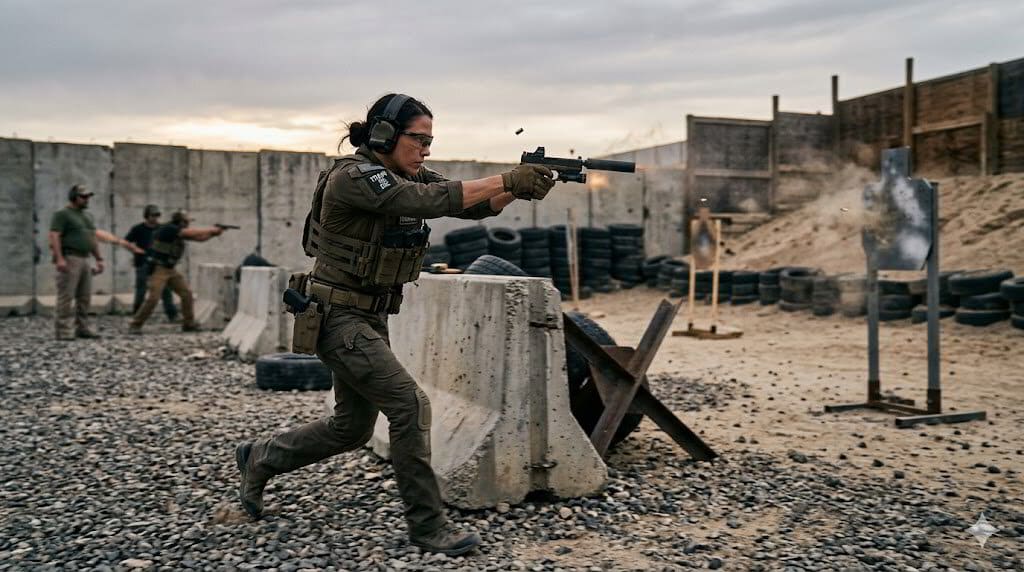
In today's uncertain world, the ability to protect yourself and your loved ones has never been more crucial. While basic firearms training provides a solid foundation, mastering advanced defensive shooting techniques elevates your capabilities to an entirely new level of proficiency and confidence. These specialized skills go far beyond simple marksmanship, encompassing tactical movement, threat assessment, and split-second decision-making under extreme stress.
Advanced defensive shooting represents the pinnacle of personal protection training, combining precision shooting with real-world tactical applications. Unlike recreational or competitive shooting, defensive techniques prioritize survival over scores, emphasizing speed, accuracy, and adaptability in life-threatening situations. Whether you're a concealed carry permit holder, security professional, or responsible citizen seeking enhanced self-defense capabilities, understanding these advanced methodologies can mean the difference between becoming a victim and successfully protecting yourself.
This comprehensive guide explores the essential elements of advanced defensive shooting, from fundamental principles to sophisticated tactical maneuvers, providing you with the knowledge and framework necessary to excel in defensive firearms applications.
Understanding Defensive Shooting
Defensive shooting represents a specialized discipline within the firearms community, designed specifically for real-world self-defense scenarios rather than recreational or competitive purposes. At its core, defensive shooting focuses on neutralizing immediate threats to personal safety through precise, controlled firearm use while maintaining strict adherence to legal and ethical guidelines. This discipline emphasizes rapid target acquisition, accurate shot placement under stress, and tactical decision-making in high-pressure situations.
The primary objective of defensive shooting extends beyond simple marksmanship to encompass comprehensive threat management. Practitioners learn to assess dangerous situations quickly, determine appropriate responses, and execute defensive actions while minimizing risk to innocent bystanders. This holistic approach integrates physical skills with mental preparation, creating well-rounded defensive capabilities that serve individuals in various threatening scenarios.
Differences Between Defensive and Competitive Shooting
While both defensive and competitive shooting require accuracy and precision, their fundamental approaches differ significantly. Competitive shooting prioritizes consistent performance under controlled conditions, focusing on achieving the highest possible scores within predetermined time limits and standardized environments. Competitors typically engage static targets at known distances, using specialized equipment optimized for accuracy and consistency.
Conversely, defensive shooting emphasizes adaptability and effectiveness in unpredictable, dynamic situations. Defensive scenarios involve moving targets, varying distances, poor lighting conditions, and extreme stress levels that competitive environments rarely replicate. Equipment selection for defensive purposes prioritizes reliability, concealability, and rapid deployment over precision-tuned competitive gear.
Training methodologies also diverge considerably between these disciplines. Competitive shooters practice repetitive drills designed to perfect specific techniques for known courses of fire, while defensive training incorporates scenario-based exercises that simulate real-world threats. Advanced defensive shooting techniques specifically address the chaotic nature of actual confrontations, preparing practitioners for situations where traditional competitive skills may prove inadequate.
Legal Considerations for Defensive Shooting
Understanding the legal framework surrounding defensive firearm use remains absolutely critical for anyone pursuing advanced defensive shooting training. Self-defense laws vary significantly between jurisdictions, and Colorado residents must thoroughly understand state-specific regulations governing justified use of force. The legal standard for defensive shooting typically requires immediate threat of death or serious bodily harm to yourself or others, with no reasonable means of escape or alternative response.
Colorado's "Make My Day" law and Castle Doctrine provisions provide specific protections for defensive firearm use within homes and occupied vehicles, but these protections don't extend to all situations. Public confrontations involving defensive shooting face much stricter legal scrutiny, requiring clear justification and proportional response to the perceived threat level.
Proper documentation and post-incident procedures also play crucial roles in legal protection following defensive shooting incidents. Understanding when to contact law enforcement, what information to provide, and how to preserve evidence can significantly impact legal outcomes. Advanced defensive shooting training should always include comprehensive legal education, ensuring practitioners understand both their rights and responsibilities when employing firearms for protection.
Core Principles of Defensive Shooting Techniques
Safety First: The Four Universal Rules
Defensive shooting excellence begins with unwavering commitment to fundamental firearms safety principles. The four universal rules of firearm safety form the foundation upon which all advanced techniques build, creating habits that prevent accidents even under extreme stress. These rules include treating every firearm as loaded, never pointing the muzzle at anything you don't intend to destroy, keeping your finger off the trigger until ready to shoot, and being certain of your target and what lies beyond it.
In defensive situations, these safety principles become even more critical due to heightened stress levels and reduced decision-making time. Advanced practitioners develop automatic adherence to safety protocols through consistent training, ensuring that proper habits override natural stress responses during actual confrontations. This disciplined approach prevents tragic accidents while maintaining tactical effectiveness.
Situational Awareness and Threat Assessment
Developing superior situational awareness represents perhaps the most important aspect of defensive shooting preparation. This skill involves constantly monitoring your environment for potential threats, escape routes, and tactical advantages while maintaining normal daily activities. Advanced practitioners learn to identify pre-attack indicators, unusual behavioral patterns, and environmental factors that might signal impending danger.
Effective threat assessment requires rapid evaluation of multiple factors including threat capability, opportunity, and intent. Practitioners must quickly determine whether observed behaviors constitute legitimate threats requiring defensive response or misunderstandings that can be resolved through de-escalation. This assessment process happens within seconds during actual encounters, making proper training essential for accurate decision-making.
Shooting Stance and Grip Fundamentals
Advanced defensive shooting techniques build upon solid foundational shooting stances and grip configurations optimized for combat effectiveness rather than precision shooting. The modern isosceles stance provides excellent stability and natural body mechanics while allowing rapid movement in multiple directions. This stance positions the shooter square to the target with feet shoulder-width apart and weight evenly distributed.
Proper grip technique ensures consistent firearm control during rapid-fire sequences and recoil management. The support hand should provide approximately sixty percent of total grip pressure while the strong hand maintains trigger control and overall weapon manipulation. This grip configuration allows for faster follow-up shots and improved accuracy during high-stress engagements when fine motor skills deteriorate significantly.
Advanced Defensive Shooting Techniques
Shooting on the Move: Advantages and Techniques
Mastering movement during defensive shooting scenarios provides significant tactical advantages by making you a more difficult target while maintaining offensive capabilities. Static shooting positions leave defenders vulnerable to flanking maneuvers and concentrated fire, while controlled movement disrupts attacker targeting and creates opportunities for better positioning. Advanced defensive shooting techniques emphasize smooth, deliberate movement that maintains shooting accuracy while improving survivability.
The key to effective shooting on the move lies in proper footwork and upper body stability. Practitioners learn to move with bent knees and controlled steps that minimize vertical displacement of the firearm, maintaining sight alignment throughout the movement sequence. This technique requires extensive practice to coordinate lower body movement with upper body shooting platform stability, particularly during lateral movement patterns.
Forward and backward movement present different challenges and applications in defensive scenarios. Forward movement, or "pressing the fight," allows aggressive engagement of threats while closing distance for more accurate shots. However, this technique requires careful consideration of cover availability and escape routes. Backward movement provides tactical withdrawal while maintaining defensive fire capability, though it limits mobility and may lead to obstacles or terrain hazards.
Lateral movement often provides the most significant tactical advantage by moving off the attacker's initial line of fire while maintaining optimal shooting positions. Side-stepping techniques allow defenders to gain angular advantage on threats while presenting more difficult targets. Advanced practitioners incorporate diagonal movement patterns that combine forward or backward motion with lateral displacement, creating complex movement signatures that further complicate attacker targeting.
Engaging Multiple Targets Effectively
Real-world defensive scenarios frequently involve multiple attackers, requiring specialized techniques for engaging several threats in rapid succession. Advanced defensive shooting techniques for multiple target engagement prioritize threat assessment, target prioritization, and efficient transition between targets. These skills demand exceptional situational awareness and split-second decision-making capabilities developed through intensive training.
Target prioritization follows established threat assessment criteria including proximity, weapon capability, and aggressive behavior indicators. The most immediate threat typically receives initial engagement, followed by secondary threats based on their relative danger levels. However, this prioritization must remain flexible as tactical situations evolve rapidly during actual encounters.
Efficient target transitions require smooth weapon movement between engagement zones while maintaining proper sight alignment and trigger control. Advanced practitioners develop muscle memory for consistent transition techniques that minimize time between shots while ensuring accuracy on each target. This involves controlled pivot movements that keep the firearm in optimal shooting position throughout the transition sequence.
Ammunition management becomes critical during multiple target engagements, as defensive situations rarely allow for leisurely reloading procedures. Advanced techniques include tactical reloading during brief lulls in engagement and retention reloading when ammunition runs low but threats remain active. These skills require extensive practice to execute smoothly under stress while maintaining awareness of ongoing threats.
Cover and Concealment Strategies
Understanding and utilizing cover and concealment represents fundamental aspects of advanced defensive shooting that can dramatically improve survival odds. Cover provides physical protection from incoming fire, while concealment merely hides your position without stopping projectiles. Advanced practitioners learn to quickly identify and utilize both types of protection while maintaining offensive capabilities against threats.
Effective use of cover requires understanding proper positioning relative to protective barriers. Standing too close to cover limits mobility and creates ricochet hazards, while positioning too far away reduces protection effectiveness. The optimal distance typically ranges from arm's length to several feet, depending on cover size and threat direction. Advanced techniques include using cover edges for shooting positions while minimizing exposure to return fire.
Concealment strategies focus on breaking up visual signatures and making accurate targeting more difficult for attackers. This includes using shadows, vegetation, and architectural features to mask movement and position. While concealment doesn't provide physical protection, it significantly complicates attacker decision-making and target acquisition, buying valuable time for defensive responses or tactical repositioning.
Training for Advanced Defensive Shooting
Professional instruction forms the cornerstone of effective advanced defensive shooting development, providing structured learning environments that safely introduce complex tactical concepts. Qualified instructors bring extensive experience and proven methodologies that accelerate skill development while preventing dangerous training habits. Their expertise helps students understand not just the "how" but the "why" behind each technique, creating deeper comprehension that translates to better performance under stress.
Colorado's diverse training landscape offers numerous opportunities for advanced defensive shooting instruction, with specialized courses covering everything from basic concealed carry training to sophisticated tactical applications. Professional instructors provide immediate feedback and correction, ensuring students develop proper techniques from the beginning rather than reinforcing bad habits through unsupervised practice.
Benefits of Professional Instruction
Structured professional training programs offer several advantages over self-directed learning approaches. Experienced instructors can identify and correct technical deficiencies that students might not recognize independently, preventing the development of counterproductive habits that become difficult to overcome later. They also provide safe training environments with proper safety protocols and emergency procedures, minimizing risk during advanced training exercises.
Professional instruction also exposes students to diverse training scenarios and techniques they might not encounter through independent practice. Instructors draw from extensive experience and continuing education to present current best practices and emerging tactical concepts. This exposure broadens student understanding and provides multiple approaches to common defensive challenges.
Integrating Live-fire Practice and Simulations
Effective advanced defensive shooting training combines live-fire exercises with simulation-based scenarios to develop comprehensive skills. Live-fire practice develops fundamental marksmanship and weapon manipulation skills under controlled conditions, while simulations introduce decision-making elements and stress inoculation without live ammunition risks. This integrated approach creates well-rounded training programs that address both physical and mental aspects of defensive shooting.
Modern training simulators offer realistic scenarios with interactive decision-making requirements, allowing students to practice threat assessment and response selection in safe environments. These systems can replicate various lighting conditions, distances, and threat behaviors that would be difficult or dangerous to recreate with live ammunition. However, simulation training must be balanced with sufficient live-fire practice to maintain proficiency with actual firearms and ammunition.
Drills and Exercises for Skill Development
Progressive drill sequences form the foundation of systematic skill development in advanced defensive shooting techniques. Basic drills focus on fundamental skills like draw stroke, sight alignment, and trigger control, gradually building complexity as students demonstrate proficiency. Advanced drills incorporate movement, multiple targets, and time pressure to simulate realistic defensive scenarios.
Dry-fire practice provides valuable training opportunities without ammunition costs or range requirements, allowing frequent skill maintenance between live-fire sessions. Students can practice draw techniques, trigger control, and weapon manipulation in their homes using unloaded firearms and proper safety procedures. This regular practice maintains muscle memory and reinforces proper techniques between formal training sessions.
Choosing the Right Equipment
Selecting an Appropriate Firearm for Defensive Use
Choosing the optimal firearm for defensive applications requires careful consideration of multiple factors including reliability, accuracy, capacity, and concealability. Unlike sporting or competitive firearms, defensive weapons must function flawlessly under adverse conditions while providing sufficient stopping power to neutralize threats effectively. The firearm must also match the user's physical capabilities and skill level to ensure confident, accurate employment during high-stress situations.
Handguns represent the most common choice for personal defense due to their portability and concealability, though they require significant training to master effectively. Semi-automatic pistols offer higher capacity and faster reloading compared to revolvers, while revolvers provide mechanical simplicity and reliability. The choice between these platforms often depends on individual preferences, hand size, and intended carry methods.
Caliber selection involves balancing stopping power with controllability and capacity considerations. Larger calibers generally provide greater stopping power but produce more recoil and reduce magazine capacity. Modern ammunition technology has somewhat reduced these trade-offs, with premium defensive loads offering excellent performance across various caliber ranges. The key lies in selecting ammunition that the shooter can control accurately under stress while providing adequate terminal performance.
Understanding Ammunition Types and Ballistics
Advanced defensive shooting requires thorough understanding of ammunition characteristics and terminal ballistics to make informed equipment choices. Defensive ammunition differs significantly from target or hunting loads, prioritizing controlled expansion, penetration depth, and weight retention over accuracy or cost considerations. Premium defensive loads undergo extensive testing to ensure consistent performance in various barrier materials and conditions.
Hollow point ammunition represents the gold standard for defensive applications due to its expansion characteristics and reduced over-penetration risks. These projectiles expand upon impact with soft tissue, creating larger wound channels while typically remaining within the target. This expansion also helps dissipate energy more effectively, reducing the likelihood of dangerous over-penetration that might endanger innocent bystanders.
Holster Selection for Defensive Situations
Proper holster selection significantly impacts both safety and tactical effectiveness in defensive scenarios. Quality holsters provide secure weapon retention while allowing rapid, consistent access when needed. The holster must completely cover the trigger guard to prevent accidental discharges while providing adequate retention to prevent weapon loss during physical activity or confrontations.
Carry position affects both concealment and accessibility, with various options offering different advantages and limitations. Inside-the-waistband holsters provide excellent concealment for everyday carry but may require more practice to master smooth draw techniques. Outside-the-waistband positions offer faster access but present greater concealment challenges. Advanced practitioners often train with multiple carry positions to adapt to different clothing and environmental requirements.
Mental Preparation for Defensive Situations
Developing a Defensive Mindset
Mental preparation represents an often-overlooked aspect of advanced defensive shooting that can prove as important as physical skills during actual encounters. Developing a defensive mindset involves accepting the reality that violent encounters can occur and preparing mentally to respond appropriately when faced with life-threatening situations. This mindset shift helps individuals recognize threats earlier and respond more decisively when defensive action becomes necessary.
The defensive mindset includes understanding the legal and moral implications of defensive firearm use while maintaining the psychological readiness to act when justified. This balance requires careful consideration of personal values and legal requirements, ensuring that defensive responses align with both legal standards and individual ethical frameworks.
Stress Inoculation Training
Realistic training scenarios that induce controlled stress help prepare individuals for the physiological and psychological effects of actual defensive encounters. Stress inoculation training gradually exposes students to increasingly challenging scenarios while teaching stress management techniques and maintaining performance under pressure. This preparation helps prevent performance degradation during real confrontations when stress levels spike dramatically.
Advanced training programs incorporate various stress-inducing elements including time pressure, physical exertion, loud noises, and decision-making requirements that simulate real-world conditions. Students learn to recognize their stress responses and develop coping mechanisms that maintain tactical effectiveness even under extreme pressure.
Dealing with Aftermath of Defensive Encounters
Understanding the potential psychological aftermath of defensive shooting incidents helps individuals prepare for the emotional and legal challenges that may follow justified defensive actions. Even clearly justified defensive uses of firearms can result in significant psychological impact, legal proceedings, and lifestyle disruptions that require preparation and support systems.
Advanced training should include information about post-incident procedures, legal representation, and counseling resources available to individuals involved in defensive shooting incidents. This preparation helps ensure that individuals can navigate the complex aftermath while protecting their legal rights and psychological well-being.
Resources for Continued Learning and Training
Classes Offered by Colorado Boots
Colorado Boots Firearms Instruction provides comprehensive training programs designed to develop advanced defensive shooting techniques through progressive skill-building courses. Their Advanced Handgun Shooting Techniques course specifically addresses the tactical skills covered in this guide, while the Advanced Pistol Course delves deeper into precision shooting and weapon manipulation under stress. These programs combine classroom instruction with extensive hands-on training to ensure students develop both theoretical understanding and practical competency.
The Personalized Coaching and One-on-One Sessions offered by Colorado Boots provide customized instruction tailored to individual needs and skill levels. This personalized approach allows for focused attention on specific weaknesses while accelerating overall skill development through intensive, individualized training programs.
Recommended Books and Online Resources
Continuing education through quality books and online resources supplements formal training and provides ongoing skill development opportunities. Classic texts on defensive shooting tactics and mindset provide foundational knowledge, while current publications address evolving techniques and equipment. Online training videos and courses offer convenient access to expert instruction, though they should supplement rather than replace hands-on training with qualified instructors.
Professional firearms training organizations maintain websites with current information on training opportunities, equipment reviews, and tactical developments. These resources help students stay informed about best practices and emerging trends in defensive shooting techniques.
Joining Firearm Training Communities
Active participation in firearms training communities provides ongoing learning opportunities and peer support for skill development. Local shooting clubs often host defensive shooting competitions and training events that challenge skills in realistic scenarios. These communities also provide valuable networking opportunities with experienced practitioners who can share knowledge and training recommendations.
Online forums and social media groups dedicated to defensive shooting offer platforms for discussing techniques, equipment, and training experiences with practitioners worldwide. However, students should verify information through reputable sources and qualified instruction rather than relying solely on online discussions for critical tactical knowledge.
Conclusion and Next Steps
Mastering advanced defensive shooting techniques represents a significant commitment to personal protection and public safety that extends far beyond basic marksmanship skills. The techniques and principles outlined in this comprehensive guide provide the framework for developing sophisticated defensive capabilities, but true mastery requires dedicated practice under qualified instruction and ongoing commitment to skill maintenance.
The journey toward advanced defensive shooting proficiency begins with solid fundamentals and progresses through increasingly complex tactical applications. Each element – from basic safety protocols to sophisticated movement techniques – builds upon previous skills to create comprehensive defensive capabilities. However, this development process never truly ends, as evolving threats and improving techniques require continuous learning and adaptation.
Professional training provides the safest and most effective path to developing these critical skills, offering structured learning environments with immediate feedback and correction. The investment in quality instruction pays dividends in improved confidence, enhanced safety, and greater tactical effectiveness when facing real-world threats.
Your safety and the protection of your loved ones deserve the highest level of preparation and training. Don't leave your defensive capabilities to chance or rely on basic skills when advanced techniques could make the difference in a life-threatening situation.
Ready to elevate your defensive shooting skills to the professional level? Colorado Boots Firearms Instruction offers comprehensive advanced defensive shooting courses designed to transform your capabilities and confidence. Our experienced instructors provide personalized attention and proven methodologies that develop real-world tactical skills in safe, controlled environments. Contact Colorado Boots Firearms Instruction today at 719-782-8793 or visit https://coloradobootsfirearmsinstruction.com/ to explore our Advanced Handgun Shooting Techniques course and Personalized Coaching sessions. Take the next step in your defensive training journey and join the ranks of prepared, confident defenders who refuse to be victims.
Tags: defensive shooting techniques, advanced firearm training, tactical shooting skills
Latest Blog & Articles
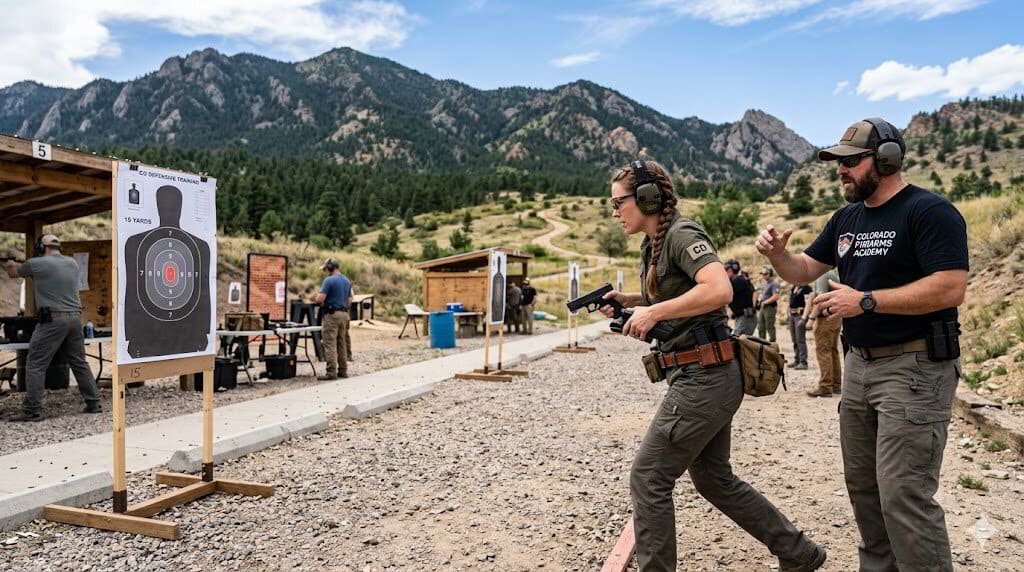
The Ultimate Guide to Defensive Handgun Training in Colorado
In an increasingly uncertain world, mastering defensive handgun training is essential for responsible gun ownership and personal safety. Co…
Read more →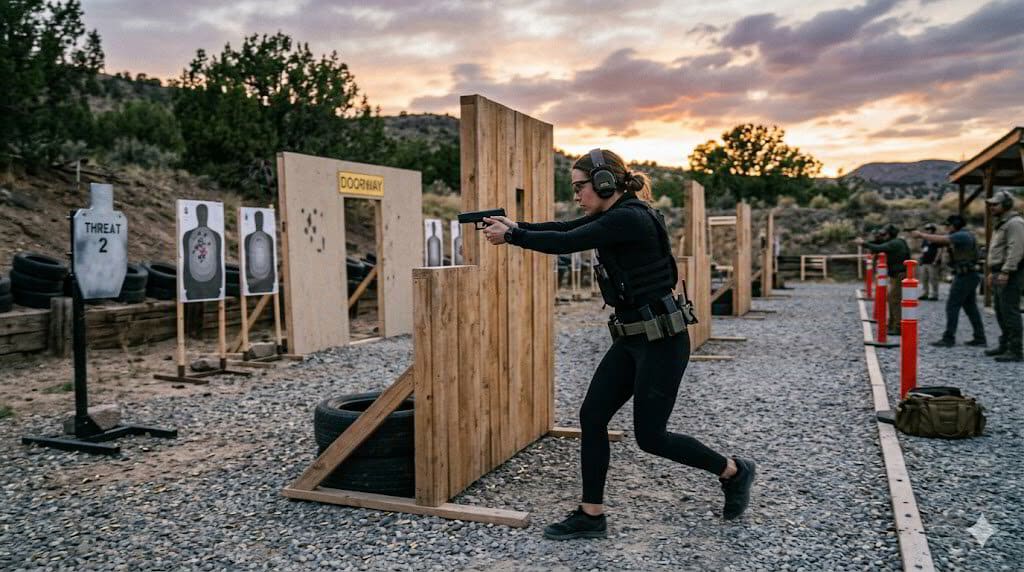
Best Practices for Defensive Handgun Training: A Comprehensive Guide
In a world where personal safety is increasingly vital, mastering defensive handgun training is essential for anyone considering firearm ow…
Read more →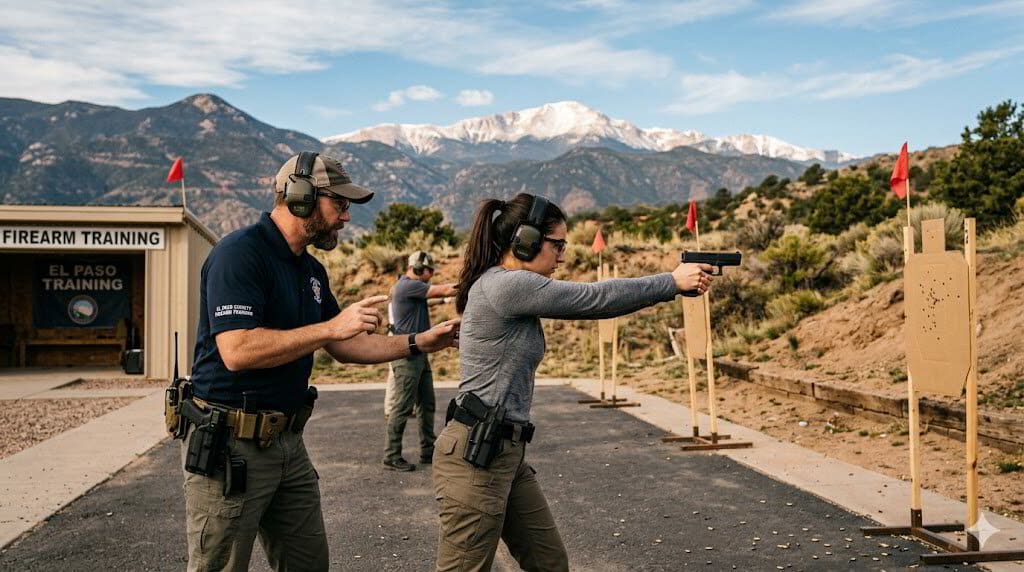
The Ultimate Guide to Firearm Training Courses in El Paso County, Colorado
In an age where firearm safety and education are paramount, Colorado Boots is proud to provide the definitive guide to firearm training cou…
Read more →