
Master Your Skills: Advanced Shooting Techniques Classes in Colorado
October 27, 2026 · Firearm Training / Shooting Education / Advanced Skills
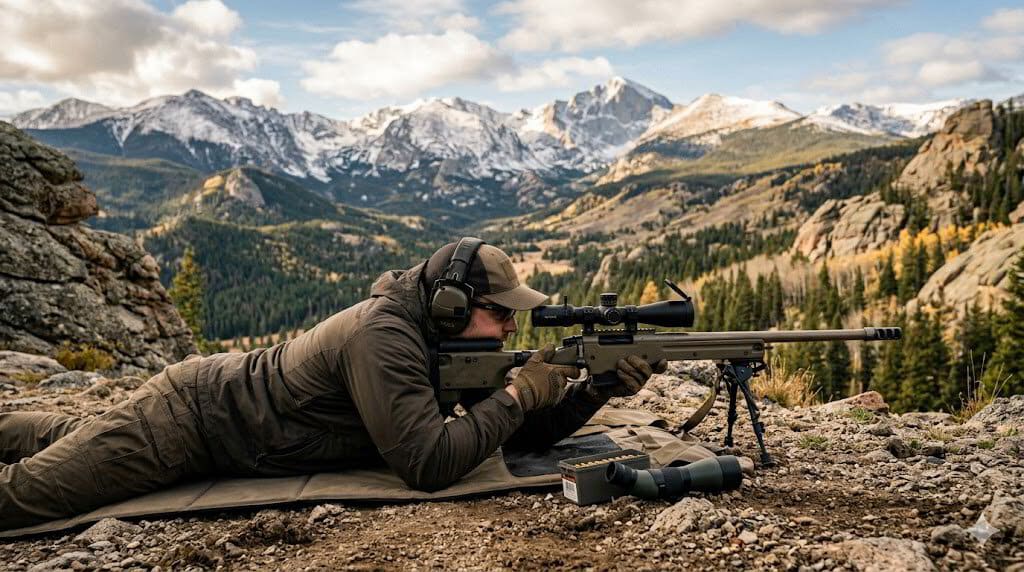
Whether you're a seasoned marksman or someone who's recently discovered an interest in firearms, the journey toward mastering shooting skills never truly ends. In Colorado's diverse landscape of mountains, plains, and urban environments, the ability to handle firearms with precision and confidence carries both practical and recreational value. Advanced shooting techniques classes in Colorado offer structured pathways for individuals at every skill level to enhance their capabilities, from fundamental accuracy improvements to tactical proficiency development.
The state's rich hunting tradition, outdoor recreation culture, and commitment to Second Amendment rights have fostered a robust community of firearms enthusiasts and professionals. This environment has created exceptional opportunities for quality firearms training Colorado residents can access, ranging from basic safety courses to specialized tactical instruction. Advanced shooting techniques represent the pinnacle of this educational spectrum, where students move beyond basic marksmanship to develop sophisticated skills in weapon handling, situational awareness, and precision shooting under various conditions.
Introduction to Advanced Shooting Techniques
Advanced shooting techniques encompass a comprehensive range of skills that extend far beyond basic marksmanship fundamentals. These sophisticated methods include precision shooting under stress, rapid target acquisition, shooting from unconventional positions, advanced grip and stance variations, and tactical reloading procedures. Unlike introductory courses that focus primarily on safety protocols and basic accuracy, advanced instruction delves into the nuanced aspects of firearms proficiency that separate competent shooters from true experts.
The importance of ongoing training cannot be overstated, regardless of your current skill level. Firearms proficiency is a perishable skill that requires consistent practice and continuous learning to maintain and improve. Even experienced shooters benefit tremendously from structured advanced instruction, as professional instructors can identify subtle technique flaws that may have developed over time and introduce new methodologies that enhance overall performance.
Advanced shooting techniques classes in Colorado typically incorporate dynamic training scenarios that simulate real-world applications. Students learn to maintain accuracy while moving, engage multiple targets efficiently, and make split-second decisions under pressure. These classes also emphasize the mental aspects of shooting, including stress management, focus techniques, and situational awareness development. The curriculum often includes ballistics theory, ammunition selection principles, and equipment optimization strategies that contribute to overall shooting effectiveness.
What sets advanced classes apart is their emphasis on adaptability and problem-solving. Rather than simply repeating static drills, students encounter varied challenges that require creative application of fundamental principles. This approach develops the critical thinking skills necessary for real-world scenarios, whether in competitive shooting, hunting situations, or self-defense applications. The instruction methodology focuses on understanding the "why" behind each technique, enabling students to adapt their skills to new situations confidently.
Understanding the Benefits of Advanced Classes
Enhancing precision and accuracy represents one of the most immediate and measurable benefits of advanced shooting instruction. Through systematic analysis of shooting mechanics, students learn to identify and correct subtle errors that limit their accuracy potential. Advanced classes employ diagnostic techniques that pinpoint specific areas for improvement, whether related to trigger control, sight alignment, breathing patterns, or follow-through consistency. Professional instructors utilize both live-fire exercises and dry-fire training methods to reinforce proper technique and develop muscle memory.
Developing confidence in handling firearms extends beyond mere familiarity with basic operations. Advanced instruction builds deep-seated confidence through comprehensive understanding of weapon systems, ammunition characteristics, and performance capabilities under various conditions. Students learn to operate their firearms instinctively, even under stress or in challenging environments. This confidence translates into improved decision-making abilities and reduced anxiety when handling firearms in any context, from recreational shooting to serious defensive situations.
Understanding tactical decision-making represents a crucial component of advanced firearms training that distinguishes professional-level instruction from basic courses. Students learn to assess situations rapidly, prioritize threats effectively, and select appropriate responses based on environmental factors and legal considerations. This training includes scenario-based exercises that challenge students to apply shooting skills within the context of sound tactical principles. The instruction covers concepts such as cover versus concealment, angles of engagement, and movement strategies that enhance both safety and effectiveness.
Improving reaction times and situational awareness forms the foundation of advanced shooting proficiency. Through specialized drills and training exercises, students develop the ability to recognize and respond to changing conditions quickly and appropriately. This training includes target identification exercises, threat assessment protocols, and rapid engagement techniques that prepare students for dynamic situations. The instruction emphasizes the importance of maintaining awareness of surroundings while focusing on immediate shooting tasks, a skill that proves invaluable in both competitive and practical applications.
Advanced classes also address the psychological aspects of firearms use, helping students understand and manage stress responses that can negatively impact performance. Through controlled exposure to challenging scenarios, students learn to maintain composure and execute proper techniques even when experiencing elevated stress levels. This mental conditioning proves invaluable for anyone who may need to rely on their firearms skills in high-pressure situations.
Types of Advanced Shooting Techniques Classes Offered in Colorado
The Advanced Handgun Shooting Techniques course represents the cornerstone of sophisticated pistol instruction, designed for shooters who have mastered basic fundamentals and seek to elevate their skills to professional levels. This comprehensive program covers advanced grip techniques that maximize recoil control and enable faster follow-up shots, stance variations optimized for different shooting scenarios, and trigger control methods that enhance accuracy under time pressure. Students learn precision shooting techniques for extended ranges, rapid-fire accuracy maintenance, and shooting from unconventional positions such as barricades, vehicles, and confined spaces.
The curriculum includes advanced reload procedures, malfunction clearance techniques, and weapon retention skills that prove essential for serious practitioners. Instruction covers both strong-hand and weak-hand shooting proficiency, ensuring students can maintain effectiveness even when operating under physical limitations. The course incorporates stress inoculation exercises that simulate real-world pressure while maintaining strict safety protocols, preparing students for scenarios where advanced skills become critically important.
The NRA Basic Pistol Course, while foundational in nature, serves as an essential stepping stone toward advanced proficiency and provides the standardized knowledge base required for more sophisticated instruction. This nationally recognized program covers fundamental safety principles, basic shooting techniques, and proper pistol handling procedures that form the foundation for all advanced training. Students receive comprehensive instruction in ammunition types, pistol operation, and maintenance procedures that ensure safe and reliable weapon performance.
The Advanced Pistol Course builds upon fundamental skills to develop sophisticated shooting capabilities that distinguish expert-level practitioners. This intensive program focuses on precision marksmanship techniques, advanced shooting positions, and complex target engagement scenarios that challenge even experienced shooters. Students learn to maintain accuracy while incorporating movement, engage multiple targets efficiently, and adapt their techniques to various environmental conditions and equipment configurations.
The Intro to Rifle Course expands students' capabilities beyond handgun proficiency to include long-gun fundamentals that open new opportunities for hunting, sport shooting, and tactical applications. This program covers rifle-specific techniques including proper shouldering methods, scope utilization, range estimation, and ballistics considerations that affect accuracy at extended distances. Students learn the fundamental differences between rifle and pistol shooting techniques, developing skills that complement their handgun proficiency.
Personalized Coaching Options provide customized instruction tailored to individual needs, goals, and skill levels, ensuring maximum learning efficiency and skill development. These one-on-one sessions allow instructors to focus intensively on specific areas requiring improvement, whether addressing fundamental technique flaws or developing specialized skills for particular applications. Personal coaching proves especially valuable for competitive shooters, law enforcement personnel, and individuals with specific training objectives that may not align perfectly with group class curricula. The individualized attention enables rapid progress and ensures that instruction addresses each student's unique learning style and physical characteristics.
Who Should Enroll in Advanced Classes?
Beginners looking to build confidence often benefit tremendously from advanced shooting techniques classes in Colorado, even when they might initially assume such instruction exceeds their current capabilities. Many new shooters find that structured advanced training actually accelerates their learning process by establishing proper techniques from the beginning, rather than developing bad habits that require correction later. Advanced classes provide comprehensive safety instruction that builds deep understanding of firearms handling principles, creating a solid foundation for continued skill development.
The supportive environment of professional instruction helps nervous or timid beginners overcome anxiety about firearms handling through systematic exposure to proper techniques and safety protocols. Instructors skilled in working with new shooters understand how to present advanced concepts in accessible ways that build confidence gradually while maintaining appropriate challenge levels. This approach often proves more effective than attempting to self-teach or relying on informal instruction that may lack proper structure and safety emphasis.
Intermediate shooters wanting to polish skills represent the ideal candidates for advanced instruction, as they possess sufficient fundamental knowledge to appreciate sophisticated techniques while still having substantial room for improvement. These students often experience the most dramatic improvements from advanced training, as professional instruction helps them identify and correct subtle technique flaws that limit their progress. Advanced classes introduce intermediate shooters to new concepts and methods that reinvigorate their interest and provide clear pathways for continued development.
Intermediate students benefit particularly from the diagnostic capabilities of professional instructors who can analyze their shooting performance and prescribe specific exercises to address identified weaknesses. The structured curriculum of advanced classes ensures comprehensive skill development rather than the random improvement that often characterizes self-directed practice. This systematic approach accelerates progress and provides clear benchmarks for measuring improvement over time.
Advanced shooters aiming for tactical proficiency find that professional instruction introduces new perspectives and techniques that enhance their already considerable skills. Even highly experienced shooters discover that formal advanced training exposes them to methods and concepts they may not have encountered through independent practice or informal instruction. The challenging scenarios and sophisticated techniques presented in advanced classes push expert-level students beyond their comfort zones, fostering continued growth and skill refinement.
Residents preparing for concealed carry permits benefit enormously from advanced instruction that goes beyond basic legal requirements to develop practical skills necessary for responsible concealed carry. While concealed carry classes Colorado requires focus primarily on legal aspects and basic safety, advanced training develops the proficiency necessary to carry firearms confidently and effectively. This additional preparation proves invaluable for individuals who recognize the serious responsibility that accompanies concealed carry privileges and want to ensure they possess adequate skills to handle their firearms safely and effectively in any situation that might arise.
What to Look for in a Class Provider
Qualified instructors and their credentials form the foundation of quality firearms instruction, making careful evaluation of instructor qualifications essential when selecting advanced shooting techniques classes in Colorado. Look for instructors who possess relevant certifications from recognized organizations such as the NRA, law enforcement agencies, or military training commands. Professional instructors should demonstrate extensive practical experience in the techniques they teach, whether through competitive shooting, law enforcement service, military background, or professional training careers.
The best instructors combine technical expertise with effective teaching abilities, understanding how to communicate complex concepts clearly and adapt their instruction methods to accommodate different learning styles. Qualified instructors maintain current knowledge of evolving techniques and safety protocols through continuing education and professional development activities. They should be able to provide references from previous students and demonstrate a track record of successful instruction across various skill levels and student backgrounds.
Safety record and reputation represent non-negotiable factors when evaluating potential training providers, as firearms instruction inherently involves significant risks that require expert management. Research the provider's safety history, looking for any reported incidents or safety violations that might indicate inadequate safety protocols or instructor oversight. Reputable providers maintain comprehensive safety procedures, enforce strict safety rules, and demonstrate zero tolerance for unsafe behavior during instruction.
The provider's reputation within the firearms community often reflects the quality and effectiveness of their instruction programs. Seek recommendations from other shooters, firearms dealers, and shooting ranges to gather insights about different providers' strengths and weaknesses. Online reviews and testimonials provide additional perspectives, though they should be evaluated carefully to distinguish between legitimate feedback and potentially biased or uninformed opinions.
Class size and personalized attention significantly impact the quality of instruction students receive, making these factors important considerations when selecting advanced training. Smaller class sizes enable instructors to provide more individualized attention, identify and correct technique problems more effectively, and ensure that all students receive adequate practice time and feedback. Advanced shooting instruction requires hands-on guidance that becomes difficult or impossible to provide effectively in oversized classes.
Curriculum and course structure should align with your specific goals and current skill level, ensuring that the instruction provides appropriate challenge without overwhelming students with concepts beyond their current capabilities. Well-designed curricula progress logically from fundamental concepts to advanced applications, building skills systematically rather than jumping randomly between topics. The course structure should include both theoretical instruction and practical application, with sufficient practice time to reinforce new concepts and techniques. Quality programs provide clear learning objectives, measurable performance standards, and systematic assessment methods that enable students to track their progress throughout the course.
Success Stories: Transformations from our Classes
Testimonials from past students consistently highlight the transformative impact of professional advanced shooting instruction on their confidence, accuracy, and overall firearms proficiency. Sarah M., a Denver resident who completed our Advanced Handgun Shooting Techniques course, reported improving her accuracy from 60% hits at 15 yards to 95% hits at the same distance within just two training sessions. She particularly appreciated the instructor's ability to identify and correct a subtle grip issue that had limited her accuracy for years despite extensive self-practice.
John R., a Colorado Springs police officer, enrolled in our Advanced Pistol Course to enhance his duty performance and tactical capabilities. Following completion of the program, he achieved the highest qualification scores in his department and reported feeling significantly more confident in his ability to handle complex tactical situations. His supervisor noted marked improvements in his shooting performance during department training exercises and commended the enhanced tactical awareness he demonstrated during scenario-based training.
Maria L., initially intimidated by firearms, enrolled in our personalized coaching program after struggling with basic marksmanship in a group setting. Through individualized instruction tailored to her specific needs and learning style, she progressed from barely hitting a target at seven yards to consistently achieving tight groupings at 25 yards. Her transformation from fearful beginner to confident shooter exemplifies the power of proper instruction and patient, professional guidance.
Before and after skill assessments provide objective measures of student improvement that demonstrate the effectiveness of structured advanced training. Our assessment protocols include accuracy measurements at various distances, speed and accuracy combinations, shooting from different positions, and performance under time pressure. Students typically show 40-60% improvement in overall shooting scores following completion of advanced courses, with many achieving even more dramatic improvements in specific skill areas.
Examples of practical applications showcase how advanced training translates into real-world benefits beyond mere range performance. Several students have reported using skills learned in our courses during hunting situations, competitive shooting events, and even defensive scenarios. One student credited his advanced training with enabling him to harvest a trophy elk during a challenging hunting situation that required a precise shot from an awkward position under time pressure. Another student achieved master classification in competitive shooting within six months of completing our advanced handgun course, attributing his rapid improvement to the solid foundation provided by professional instruction.
The confidence transformation proves particularly significant for students who initially felt overwhelmed by firearms or doubted their ability to develop meaningful proficiency. Many students report that advanced training not only improved their shooting skills but also enhanced their overall confidence in handling challenging situations both related and unrelated to firearms use.
How to Prepare for Your Advanced Class Experience
Recommended gear and equipment preparation ensures that students arrive ready to maximize their learning opportunities without equipment-related distractions or limitations. Essential items include a reliable handgun appropriate for the course requirements, adequate ammunition supplies as specified by the instructor, eye and ear protection that meets safety standards, and comfortable clothing suitable for active shooting exercises. Students should verify that their firearms are in proper working condition and that they possess sufficient familiarity with basic operation to participate safely in advanced instruction.
Quality holsters designed for the specific firearm being used enable students to practice advanced techniques safely and effectively. The holster should provide secure retention while allowing smooth, consistent draws that support skill development rather than hindering progress. Additional magazines or speed loaders facilitate continuous practice during reload exercises and ensure adequate ammunition capacity for extended training sessions.
Mental preparation tips help students approach advanced instruction with appropriate mindset and expectations that enhance learning effectiveness. Students should review basic safety principles before attending class to ensure automatic compliance with fundamental safety protocols. Understanding that advanced instruction involves challenging exercises designed to push current skill limits helps students maintain positive attitudes when encountering initial difficulties with new techniques.
Setting realistic expectations prevents frustration and disappointment while encouraging persistent effort toward skill development goals. Advanced techniques require time and practice to master, and students should expect gradual improvement rather than immediate perfection. The learning process often involves temporary performance decreases as students modify established techniques, making patience and persistence essential for long-term success.
Understanding class objectives enables students to focus their attention and effort on the most important learning goals rather than becoming distracted by peripheral concerns. Students should clarify their personal goals with instructors to ensure that instruction addresses their specific needs and interests. Whether seeking improved accuracy, enhanced speed, tactical proficiency, or competitive shooting capabilities, clear objective identification helps both student and instructor optimize the training experience.
Physical preparation, while often overlooked, contributes significantly to training effectiveness and student safety. Advanced shooting instruction can be physically demanding, involving extended periods of standing, movement exercises, and repetitive motions that may challenge students unaccustomed to intensive firearms training. Basic physical conditioning and flexibility help students maintain proper form throughout training sessions and reduce the risk of fatigue-related performance degradation or injury.
Conclusion and Next Steps
The journey toward mastering advanced shooting techniques represents a commitment to excellence that extends far beyond basic firearms proficiency. Throughout this comprehensive exploration of advanced shooting techniques classes in Colorado, we have examined the multifaceted benefits of professional instruction, from enhanced accuracy and confidence to tactical proficiency and situational awareness. The investment in advanced training pays dividends not only in improved shooting performance but also in the deep understanding and respect for firearms that characterizes truly skilled practitioners.
Advanced instruction provides structure, expertise, and safety protocols that enable students to push beyond their current limitations while maintaining appropriate risk management. The variety of courses available ensures that every shooter, regardless of current skill level or specific interests, can find instruction tailored to their needs and goals. From comprehensive handgun techniques to specialized rifle instruction and personalized coaching options, quality training programs provide pathways for continued growth and skill development.
The transformative potential of professional instruction becomes evident through the success stories and measurable improvements achieved by dedicated students. Whether seeking enhanced personal protection capabilities, competitive shooting success, hunting proficiency, or simply the satisfaction of mastering challenging skills, advanced training provides the foundation for achieving these goals safely and effectively.
Colorado Boots Firearms Instruction stands ready to guide you through this exciting journey of skill development and personal growth. Our comprehensive range of advanced shooting techniques classes in Colorado, combined with our commitment to safety, professionalism, and individual student success, creates the ideal environment for achieving your firearms training goals. Contact Colorado Boots today at 719-782-8793 or visit https://coloradobootsfirearmsinstruction.com/ to explore our course offerings and take the next step toward mastering your shooting skills. Your journey toward advanced firearms proficiency begins with a single decision to invest in quality instruction – make that decision today and discover the confidence and capability that comes with true firearms mastery.
Tags: advanced shooting techniques, firearm training Colorado, shooting skills improvement
Latest Blog & Articles
The Ultimate Guide to Defensive Handgun Training in Colorado
In an increasingly uncertain world, mastering defensive handgun training is essential for responsible gun ownership and personal safety. Co…
Read more →
Best Practices for Defensive Handgun Training: A Comprehensive Guide
In a world where personal safety is increasingly vital, mastering defensive handgun training is essential for anyone considering firearm ow…
Read more →
The Ultimate Guide to Firearm Training Courses in El Paso County, Colorado
In an age where firearm safety and education are paramount, Colorado Boots is proud to provide the definitive guide to firearm training cou…
Read more →