
Master Shooting Sports Training Today
October 14, 2025 · Shooting Sports Techniques / Competitive Shooting Training / Skill Development for Shooters
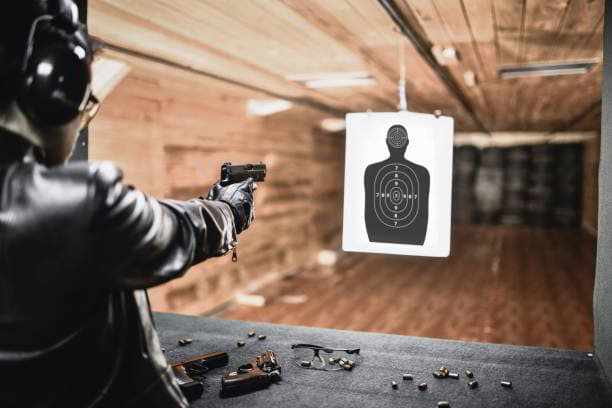
Shooting sports training is an exhilarating way to enhance your skills while immersing yourself in
a community that values safety, discipline, and camaraderie. Did you know that nearly 25 million
people in the United States participate in shooting sports each year? Whether you’re a novice
looking to learn the basics or a seasoned shooter aiming to refine your techniques, effective
training programs can accelerate your growth and transform your appreciation for firearms. In
this blog post, we will explore various aspects of shooting sports training, from understanding
different disciplines to selecting the right program for your specific goals. Get ready to unlock
your potential and discover the incredible benefits of becoming a skilled marksman or
markswoman.
Understanding Shooting Sports Training
Shooting sports training refers to structured practice that aims to enhance an individual's skills,
knowledge, and appreciation for various shooting disciplines. This type of training is essential
for anyone looking to improve their proficiency in firearms, whether for sport, recreation, or
Definition of Shooting Sports
Shooting sports encompass a wide range of competitive activities that involve firearms. Popular
shooting sports include:
- Rifle Shooting: Involves precision aiming and shooting at stationary or moving targets.
- Pistol Shooting: Focuses on accuracy with handguns, often featuring timed challenges.
- Shotgun Sports: Includes clay pigeon shooting and hunting scenarios.
- Archery: Though not a firearm sport, it often overlaps in terms of skill development.
Importance of Training in Shooting Sports
Engaging in specialized shooting sports training is invaluable for several reasons:
- Safety First: Training educates participants about safe handling and operating of
firearms, reducing the risk of accidents.
- Skill Enhancement: Instructors teach techniques that improve accuracy, speed, and
overall performance.
- Mental Preparedness: Training focuses not only on physical skills but also on mental
discipline, essential for competitive shooting or self-defense scenarios.
Overview of Different Shooting Sports Disciplines
Different disciplines require unique techniques and approaches. Here's a brief overview:
- Static Shooting: Focuses on hitting stationary targets.
- Dynamic Shooting: Involves moving targets and requires quick decision-making under
pressure.
- Long Range Shooting: Challenges shooters to engage targets at much greater
distances, honing their precision skills.
By understanding the nuances of each discipline, participants can choose a shooting sports
training program that aligns with their interests and goals. For comprehensive resources on
shooting sports and training, consider checking out National Shooting Sports Foundation.
Benefits of Shooting Sports Training
Participating in shooting sports training offers a multitude of benefits that go beyond just
improving marksmanship. These advantages can enhance personal development, contribute to
social interactions, and even bolster personal safety skills.
Improved Accuracy and Precision
One of the primary benefits of shooting sports training is the significant improvement in
accuracy and precision. Through consistent practice, participants can expect to achieve:
- Better Aim: Focus on techniques that enhance shooting accuracy.
- Consistent Performance: Develop muscle memory that leads to reliable shooting habits.
- Target Recovery: Learn strategies to quickly reacquire targets after firing.
Enhanced Self-Defense Skills
Shooting sports training also prepares individuals for self-defense situations. Key takeaways
include:
- Situational Awareness: Improve the ability to assess risks in different environments.
- Quick Decision Making: Train to respond effectively in high-pressure situations.
- Control and Discipline: Learn to manage stress and maintain composure during a crisis.
Building Confidence and Mental Focus
Engaging in shooting sports training helps individuals build confidence and mental fortitude.
Participants benefit from:
- Boosted Self-Esteem: As skills improve, so does confidence.
- Mental Toughness: Overcoming challenges in training fosters a resilient mindset.
- Focus: Training sharpens concentration, a skill that translates to various aspects of life.
Fostering Community and Camaraderie
Finally, shooting sports training provides an opportunity to connect with others who share similar
interests. The community aspect can lead to:
- Friendship: Building relationships with fellow enthusiasts.
- Support Networks: Gaining encouragement from peers during training or competitions.
- Shared Knowledge: Learning from the experiences of others in the community.
Whether for sport, self-defense, or personal growth, the advantages of engaging in shooting
sports training are substantial. To explore more about the benefits and techniques involved in
shooting sports, visit the National Rifle Association.
Key Components of Effective Shooting Sports Training
To maximize the benefits of shooting sports training, certain key components must be integrated
into any program. These elements ensure comprehensive skill development, safety, and
improvement in performance.
Safety Protocols and Best Practices
Safety is the cornerstone of any shooting sports training program. Adhering to established
safety protocols is essential for preventing accidents and ensuring a responsible shooting
environment. Important safety practices include:
- Always Treat Firearms as Loaded: This principle keeps shooters mindful and alert.
- Proper Handling Techniques: Learn how to safely load, unload, and handle firearms.
- Range Etiquette: Understanding the rules of the shooting range fosters a respectful
atmosphere.
Essential Equipment for Training
Using the right equipment is crucial for effective shooting sports training. Key items to consider
include:
- Firearm Selection: Choose firearms appropriate for your training goals (e.g., handgun,
rifle).
- Protective Gear: Safety glasses and ear protection are vital for preventing injuries.
- Ammunition: Use the correct type of ammunition for the firearm being utilized.
Techniques for Effective Shooting
Mastering various techniques significantly improves performance in shooting sports training.
Core techniques include:
- Stance and Grip: Developing a stable shooting stance and a proper grip enhances
control and accuracy.
- Breath Control: Learning to manage breathing can improve shot consistency.
- Trigger Control: Practicing smooth and controlled trigger pulls reduces flinching and
improves precision.
Physical Conditioning and Fitness for Shooters
Physical conditioning plays an important role in shooting sports. Specific fitness elements to
incorporate include:
- Strength Training: Builds muscle and endurance necessary for handling firearms
effectively.
- Flexibility Exercises: Improves mobility, contributing to better shooting positions.
- Cardiovascular Health: Enhances overall stamina, ensuring that shooters remain sharp
during lengthy training sessions or competitions.
By focusing on these key components, individuals can optimize their shooting sports training
experience. For more insights into techniques and best practices, consider visiting the Civilian
Types of Training Programs Available
When it comes to shooting sports training, various programs cater to different skill levels,
preferences, and objectives. Understanding these options can help individuals select the right
path to improve their shooting skills.
Beginner vs. Advanced Training Sessions
Training sessions are often tailored to accommodate various experience levels:
- Beginner Programs: Designed for those new to firearms, these classes focus on the
fundamentals, including safety, basic handling, and introductory shooting techniques.
- Advanced Programs: Aimed at experienced shooters, these sessions concentrate on
refining skills, enhancing speed, and mastering complex shooting scenarios.
Individual vs. Group Classes
Participants can choose between personalized instruction and group settings, each with its own
advantages:
- Individual Classes: Provide tailored instruction that addresses specific needs and skill
gaps, allowing for unique feedback and a personalized learning pace.
- Group Classes: Offer a sense of camaraderie and shared learning, where participants
can observe and learn from one another while also building strong relationships within the
shooting community.
Online Resources vs. In-Person Training
With technology evolving, shooters can access a wealth of resources:
- Online Courses: Offers flexibility and convenience, allowing shooters to learn at their
own pace through video tutorials, instructional articles, and virtual practice.
- In-Person Training: Provides hands-on experience and immediate feedback from
qualified instructors, crucial for mastering complex techniques.
Specialty Programs
In addition to basic training, there are specialty programs that offer focused instruction on
specific topics, such as:
- Competitive Shooting: Training aimed at those interested in participating in
competitions, focusing on speed, accuracy, and advanced shooting strategies.
- Self-Defense Training: Courses that cover techniques and principles crucial for personal
protection and situational awareness.
By exploring various training options within shooting sports training, individuals can better align
their training with their personal goals and interests. For more information on specialized
courses, check out the US Practical Shooting Association.
Choosing the Right Shooting Sports Training Program
Selecting the appropriate shooting sports training program is crucial for achieving your individual
goals and enhancing your skills. With various options available, considering the following factors
can help streamline your decision-making process.
Assessing Your Goals and Interests
Before committing to any program, it’s important to evaluate what you hope to achieve through
shooting sports training. Consider:
- Skill Level: Are you a beginner seeking basics or an advanced shooter looking to refine
specific skills?
- Type of Shooting: Do you prefer rifle, pistol, or shotgun shooting?
- Purpose: Are you training for competition, self-defense, or simply recreational
enjoyment?
Researching Qualified Instructors
The quality of instruction significantly impacts your training experience. Here are some tips for
finding qualified instructors:
- Credentials: Look for certified instructors who have experience in shooting sports
training.
- Reputation: Research reviews and testimonials from previous students about their
training effectiveness.
- Teaching Style: Ensure the instructor's teaching style aligns with your learning
preferences, whether you benefit from structured lessons or a more free-form approach.
Evaluating Location and Facilities
The training environment plays a vital role. Consider:
- Proximity: Is the training facility conveniently located, allowing for regular attendance?
- Safety Standards: Ensure the establishment maintains high safety standards in facility
management and training practices.
- Range Quality: A well-maintained shooting range with adequate resources is essential
for effective training.
Considering Costs and Commitment
Understanding the financial and time commitments associated with a shooting sports training
program is crucial. Keep in mind:
- Tuition Fees: Compare costs of different programs to find one that fits your budget.
- Equipment Rental: Some facilities may offer rental equipment, which could save you
initial costs if you’re new to the sport.
- Training Duration: Evaluate how long the program lasts and the frequency of classes to
ensure it aligns with your schedule.
By carefully considering these factors, you can choose a shooting sports training program that
best suits your needs and aspirations. For a comprehensive list of available shooting sports
training programs, visit the National Shooting Sports Foundation.
Tips for Maximizing Your Shooting Sports Training Experience
To get the most out of your shooting sports training, it’s essential to adopt effective strategies
and practices that enhance both your learning and enjoyment. Here are some tips to help you
maximize your training experience.
Setting Realistic Goals and Expectations
Establishing clear and achievable goals is fundamental to your training journey. Consider the
following:
- Short-term Goals: Focus on immediate improvements, such as mastering a specific
shooting technique or enhancing safety practices.
- Long-term Goals: Aim for milestones, like participating in a competition or achieving a
particular level of proficiency.
- Progress Tracking: Keep a log of your training sessions to monitor progress and adjust
your goals as necessary.
Consistency and Regular Practice
Consistent practice is vital for skill development in shooting sports training. Incorporate these
habits:
- Training Schedule: Set a regular training schedule that allows for frequent practice
without overwhelming yourself.
- Dry Firing: Practice without live ammunition to reinforce techniques and enhance muscle
memory.
- Focused Practice: Concentrate on specific skills during each session, such as aiming or
trigger control, rather than trying to cover everything at once.
Seeking Feedback and Continuous Improvement
Feedback plays a crucial role in enhancing your shooting skills. Implement the following:
Instructor Guidance: Actively seek feedback from your instructor after training sessions
to identify areas for improvement.
- Self-Assessment: Record and review your performance to identify strengths and
weaknesses.
- Peer Review: Train with a partner or in group classes to gain insights and encouragement
from fellow shooters.
Engaging with the Shooting Sports Community
Joining the shooting sports community can enrich your training experience and provide support.
Consider these options:
- Clubs and Associations: Join local shooting clubs where you can network with fellow
enthusiasts and participate in events.
- Workshops and Seminars: Attend workshops to learn from established shooters and
sharpen your skills.
- Online Forums: Engage in online discussion platforms to share experiences, seek
advice, and stay informed about trends in shooting sports.
By incorporating these tips into your shooting sports training routine, you can cultivate a
rewarding and effective learning experience. For additional resources and training tools, check
out the Shooting Sports USA website.
Conclusion
Shooting sports training is not only about improving your marksmanship; it is a holistic approach
to developing essential skills, building confidence, and fostering a strong sense of community.
By understanding the various elements of effective training, participants can enhance their
experiences and achieve their personal goals.
Recap of the Importance of Shooting Sports Training
Throughout this blog post, we've explored several facets of shooting sports training, including:
- Understanding Different Disciplines: Recognizing the variety of shooting sports
available and their unique requirements.
- Identifying Benefits: Appreciating how training improves accuracy, self-defense skills,
and mental focus.
- Key Components: Implementing safety protocols, utilizing proper equipment, and
focusing on essential techniques.
- Choosing the Right Program: Assessing goals, researching instructors, and evaluating
options to find the best fit.
- Maximizing Training Experience: Setting realistic goals, practicing consistently, and
engaging with the shooting community.
Encouragement to Start or Continue Training
Whether you're a beginner curious about the world of firearms or an experienced shooter aiming
to sharpen your skills, there is always room for growth within shooting sports. Embrace the
learning process, stay committed, and seek instruction tailored to your needs.
Final Thoughts on the Enjoyment of Shooting Sports
Shooting sports training not only equips individuals with vital skills but also delivers a fulfilling
and enjoyable experience. The bonds formed within the shooting community, combined with the
rewards of mastering techniques, make it a rewarding pursuit. Remember, the journey is as
important as the destination. For more information and to stay updated on shooting sports, visit
the USA Shooting website.
What is shooting sports training?
Shooting sports training refers to structured programs designed to improve an individual's
shooting skills, knowledge, and overall performance in various shooting disciplines. This training
can include a focus on safety, techniques, equipment handling, and mental preparation, making
it an essential aspect for both beginners and experienced shooters.
Who can participate in shooting sports training?
Shooting sports training is accessible to individuals of all ages and experience levels. Whether
you are a complete beginner eager to learn the basics or an advanced shooter looking to refine
specific techniques, there are programs tailored to fit your needs. Many facilities offer
specialized classes that cater to youth, adults, and even women-specific training sessions.
What equipment do I need for shooting sports training?
The equipment needed for shooting sports training varies depending on the type of firearms
being used and the specific training program. Generally, you will need a suitable firearm,
appropriate ammunition, and personal protective gear such as safety glasses and ear
protection. Some training facilities may provide equipment rentals, while others may require
participants to bring their own gear.
How can I find a reputable shooting sports training program?
Finding a reputable shooting sports training program involves researching local shooting
ranges, clubs, or academies. Look for instructors with proper certifications and positive reviews
from previous students. Additionally, consider visiting the facility before enrolling to assess the
safety standards, available equipment, and overall atmosphere to ensure it aligns with your
goals.
What are the benefits of shooting sports training beyond improving accuracy?
Beyond enhancing accuracy, shooting sports training offers various benefits, including increased
self-confidence, improved focus, and better decision-making skills under pressure. It also
fosters a sense of community and belonging among participants, many of whom form strong
bonds through shared experiences. Furthermore, shooting sports training can enhance physical
fitness, as it often requires a blend of strength, stamina, and coordination.
Tags: Shooting Sports, Sports Shooting Training, Marksmanship Skills
Latest Blog & Articles
The Ultimate Guide to Defensive Handgun Training in Colorado
In an increasingly uncertain world, mastering defensive handgun training is essential for responsible gun ownership and personal safety. Co…
Read more →
Best Practices for Defensive Handgun Training: A Comprehensive Guide
In a world where personal safety is increasingly vital, mastering defensive handgun training is essential for anyone considering firearm ow…
Read more →
The Ultimate Guide to Firearm Training Courses in El Paso County, Colorado
In an age where firearm safety and education are paramount, Colorado Boots is proud to provide the definitive guide to firearm training cou…
Read more →