
Gun Ownership Best Practices For Safety And Skills
August 26, 2025 · Gun Ownership Tips / Firearm Safety Education / Skills Development for Gun Owners
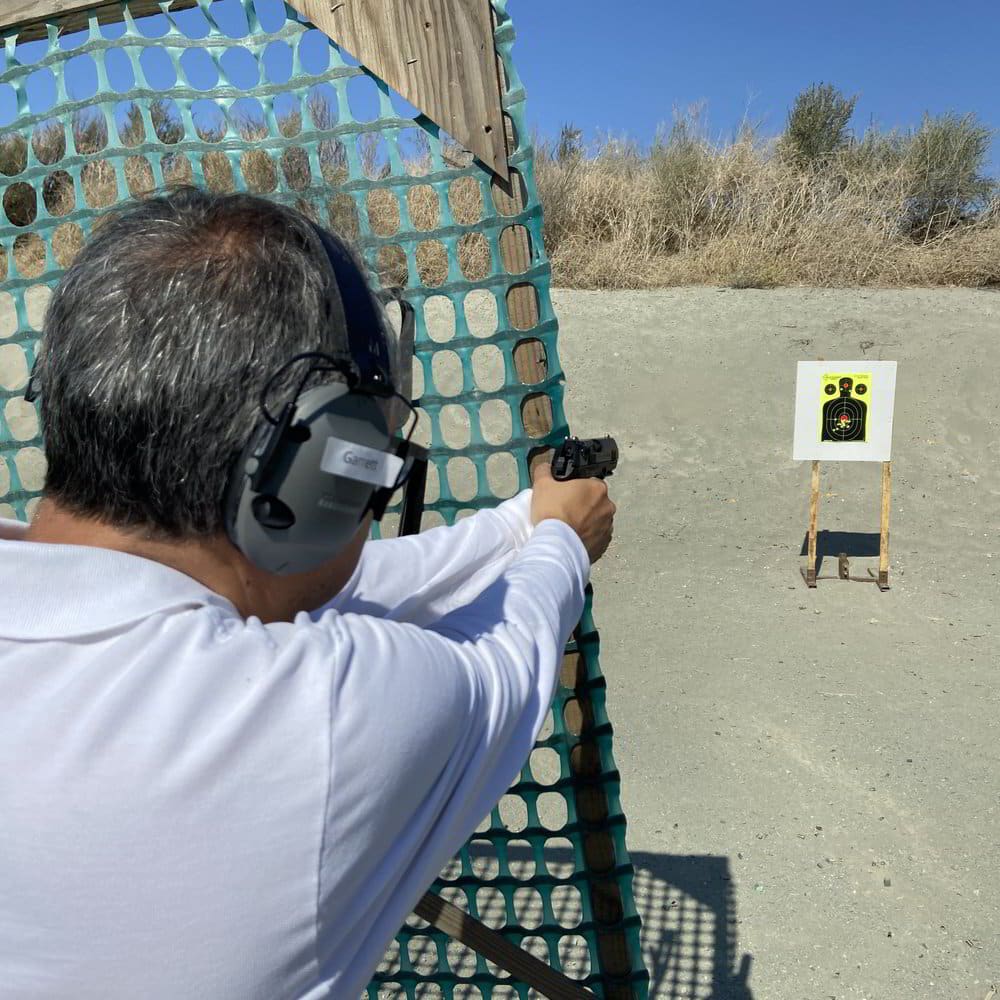
Gun ownership best practices are crucial for anyone who values the rights bestowed by the
Second Amendment. Did you know that over 30,000 gun-related deaths occur in the United
States each year, and many of these tragedies could be prevented through proper education
and responsible practices? Whether you're a seasoned owner or a newcomer to the shooting
sports, understanding the essential principles of gun safety, storage, and community
engagement can make all the difference. This guide will explore fundamental practices that not
only protect you and your loved ones but also contribute to a culture of responsible gun
ownership that benefits society as a whole.
Understanding Gun Ownership Responsibilities
The responsibility that comes with gun ownership is paramount. Owning a firearm requires a
deep understanding of not only the legal aspects but also the ethical and safety considerations
involved. This awareness is crucial to enjoying the freedom that the Second Amendment
provides.
The Importance of Safety in Firearm Handling
One of the gun ownership best practices is to prioritize safety at all times. A few key points to
consider include:
- Always assume every firearm is loaded until verified otherwise.
- Maintain awareness of your surroundings and who is around you when handling a gun.
- Never engage in reckless behavior with firearms, such as playing or displaying them in
unsafe conditions.
Legal Obligations of Gun Owners
Understanding your legal responsibilities as a gun owner can prevent legal repercussions and
promote community safety. Key obligations may include:
- Knowing the laws regarding firearm possession in your state.
- Ensuring that firearms are registered if required by law.
- Being aware of the regulations surrounding the use of firearms in public areas.
The Ethical Dimension of Gun Ownership
Gun ownership also presents ethical responsibilities. This involves recognizing the potential
risks involved and promotes a culture of responsible use. Consider the following:
- Promoting safe shooting practices within your community.
- Engaging in discussions about responsible gun ownership with peers.
- Supporting initiatives that aim to reduce gun violence and promote safe practices.
By integrating these fundamental aspects of responsibility into your life as a gun owner, you are demonstrating a commitment to the gun ownership best practices that ensure safety, legality,
and ethics in firearm use.
For further reading on national regulations and best practices, you may refer to resources
provided by reliable organizations such as the National Rifle Association NRA.
Fundamental Safety Practices
Implementing fundamental safety practices is essential to responsible gun ownership. These
practices not only protect you but also those around you, helping to cultivate a safe environment
for all.
Always Treat Every Gun as if It’s Loaded
One of the cornerstones of gun ownership best practices is to always treat every firearm as if it
were loaded. This mindset fosters a culture of caution and diligence. Key actions to take
include:
- Regularly remind yourself and others of this principle.
- Encourage discussions about this safety rule in training sessions and shooting ranges.
- Avoid shortcuts or complacency when handling firearms.
Keep the Muzzle Pointed in a Safe Direction
Ensuring that the muzzle is consistently pointed in a safe direction can significantly reduce the
risk of accidental discharges. Here’s how to maintain this practice:
- Establish a clear understanding of what a "safe direction" means in various scenarios.
- Regularly keep the gun pointed away from people, animals, and any potential hazards.
- Make it a habit to check the orientation of your firearm before handling it.
Finger Off the Trigger Until Ready to Shoot
Another vital rule within the gun ownership best practices includes keeping your finger off the
trigger until you’re ready to fire. This practice minimizes the chances of unintentional
discharges. Consider these steps:
- Use the index finger to rest alongside the frame until you are prepared to shoot.
- Repeat this practice until it becomes second nature.
- Provide guidance to beginners on why this practice is crucial.
Know Your Target and What’s Beyond It
Understanding what you are shooting at and what lies beyond the target is pivotal for
responsible shooting. Important strategies include:
- Always ensure that your target is clearly identified before firing.
- Assess what could lie beyond your intended target, including bystanders or property.
- Learn to recognize safe backdrops for shooting.
In summary, applying these fundamental safety practices is an essential part of gun ownership
best practices, fostering a secure shooting culture.
For additional resources on safe gun handling techniques, you may visit the website of the
National Shooting Sports Foundation NSSF.
Storage and Securing Firearms
A critical aspect of gun ownership best practices is ensuring that firearms are stored and
secured properly. Safe storage minimizes the risks associated with unauthorized access and
accidental discharges, particularly in households with children or inexperienced individuals.
Best Practices for Safe Gun Storage
Implementing best practices for safe storage can help prevent unauthorized access and
potential accidents. Here are effective strategies:
- Use Gun Safes: Invest in a quality gun safe or a lockable cabinet specifically designed for
firearms. Look for features like biometric access, electronic locks, or combination locks for
enhanced security.
- Store Ammunition Separately: Keep ammunition stored in a separate location from your
firearms. This adds an extra layer of safety and control.
- Regularly Check Storage: Periodically inspect your storage solutions to ensure they
remain secure and functional. Replace locks if necessary, and ensure safes are in good
condition.
Importance of Keeping Guns Out of Reach of Children
Gun ownership best practices strongly advocate for keeping firearms out of reach of children.
Consider these steps:
- Educate Children: Teach children about the dangers of firearms and the importance of
not touching them without adult supervision.
- bUse trigger locks on firearms to prevent them from being fired
unintentionally.
- Establish Rules: Create clear household rules that prohibit access to firearms without
permission from a responsible adult.
Additional Safeguards for Responsible Gun Owners
Beyond safe storage, additional precautions can be helpful in promoting responsible gun
ownership. Consider the following:
- Installation of Security Systems: Install a security system that includes surveillance
cameras and alarms to deter unauthorized access.
- Secure Transportation: When traveling with firearms, ensure they are stored in secured
cases that are locked and cannot be easily accessed by unauthorized persons.
Incorporating these safe storage practices into your routine exemplifies a commitment to gun
ownership best practices, contributing to a safer environment for everyone.
For further information on safe firearm storage options, check out the resources provided by the
Regular Training and Skills Development
Continuous training and skills development are essential components of gun ownership best
practices. As a responsible gun owner, committing to ongoing education ensures that you
remain proficient in firearm handling, safety, and operational skills.
Importance of Ongoing Firearm Training
Regular training is crucial not just for enhancing your shooting skills but also for reinforcing
safety protocols. Here are several benefits of ongoing training:
- Improved Proficiency: Consistent practice enhances your shooting accuracy and overall
comfort with firearms.
- Stay Updated on Regulations: Training often incorporates new laws and best practices,
ensuring that you remain compliant with local regulations.
- Emergency Preparedness: Regular training prepares you to respond effectively in
emergency situations, fostering confidence in your abilities.
Types of Training Classes Available
Various types of training classes can cater to your specific needs, from beginner to advanced
levels:
- Basic Firearm Safety Courses: Ideal for novices to learn the fundamentals of handling
and storage.
- Advanced Tactical Training: Focuses on high-stress scenarios, defensive shooting
techniques, and situational awareness.
- Women’s Self-Defense Classes: Tailored training aimed at empowering women in their
self-defense capabilities.
- Personalized One-on-One Coaching: Provides targeted training to address your
individual skills and goals.
Developing Shooting Skills Through Practice
In addition to formal training, practicing your shooting skills regularly is vital. Consider the
following practice strategies:
- Set a Regular Schedule: Commit to visiting the shooting range on a regular basis,
whether weekly or monthly.
- Utilize Different Scenarios: Practice shooting at various distances and under different
lighting conditions to build versatility.
- Engage in Dry Fire Practice: Practice handling your firearm in a safe environment
without live ammunition to improve muscle memory and technique.
In summary, integrating regular training and skill development into your routine is a cornerstone
of gun ownership best practices, ensuring that you remain safe and effective in your firearm use.
For additional training resources, you can visit the website of the National Shooting Sports
Understanding Different Types of Firearms
To effectively adhere to gun ownership best practices, it is essential to understand the various
types of firearms available and their respective characteristics. This knowledge empowers gun
owners to choose the right firearm for their needs and ensures that they can operate them
safely and effectively.
Overview of Handguns, Rifles, and Shotguns
Each category of firearm serves distinct purposes and has unique features. A brief overview is
as follows:
- Handguns:
○ Compact and easy to conceal, making them ideal for personal protection.
○ Available in revolver and semi-automatic designs.
○ Generally suitable for self-defense and sport shooting.
- Rifles:
○ Longer barrel length that provides greater accuracy and range.
○ Commonly used for hunting and target shooting.
○ Available in various calibers and designs such as bolt-action, semi-automatic, and
lever-action.
- Shotguns:
○ Primarily designed for shooting a spread of pellets, making them effective for
hunting birds and self-defense.
○ Available in pump-action and semi-automatic models.
○ Versatile in ammunition options, including birdshot and slugs.
Choosing the Right Firearm for Your Needs
Selecting the appropriate firearm is crucial for effective use and safety. Consider the following
factors when making your choice:
- Purpose: Define the primary use for your firearm (self-defense, sport shooting, hunting).
- Comfort: Handle various firearms to ascertain which feels most comfortable in your
hands.
- Training: Assess your level of experience and seek firearms that align with your skill set.
Regular Maintenance and Care for Your Firearm
To ensure safety and functionality, it is essential to regularly maintain and care for your firearm.
Here are some maintenance best practices:
- Clean Your Firearm After Use: Dirt and residue can accumulate after shooting practices,
impacting performance.
- Inspect for Damage: Regularly check your firearm for any signs of wear or damage and
address any issues immediately.
- Store Properly: Ensure that your firearm is stored in a safe and secure location that
minimizes exposure to elements like moisture.
Understanding the various types of firearms and committing to regular maintenance are crucial
elements of gun ownership best practices, ensuring both effective use and safety.
For further information on firearm types and maintenance, check out the resources available
through the National Shooting Sports Foundation NSSF.
Community Engagement and Support
Engaging with your community is a vital aspect of gun ownership best practices. Building
connections with fellow gun owners and participating in local initiatives can enhance your skills,
promote safety, and foster a supportive environment for responsible firearm use.
Joining Local Shooting Clubs and Associations
Becoming a member of local shooting clubs and associations provides numerous benefits,
including:
- Networking Opportunities: Meet like-minded individuals who share your passion for
shooting sports and firearm safety.
- Access to Resources: Clubs often provide access to training resources, facilities,
equipment, and events.
- Participation in Competitions: Joining clubs allows you to participate in shooting
competitions, enhancing your skills in a supportive environment.
Networking with Other Responsible Gun Owners
Networking with other gun owners can lead to valuable exchanges of knowledge and
experience. Consider the following:
- Attend Workshops and Seminars: Many organizations hold events that focus on
responsible gun ownership, safety training, and legal updates.
- Online Forums and Social Media Groups: Engage in discussions with fellow
enthusiasts to share tips, techniques, and experiences.
- Volunteer for Events: Participating in shooting sports events or community outreach
programs can help promote responsible gun ownership and safety awareness.
Participating in Community Safety Programs
Engaging in community safety programs showcases your commitment to responsible gun
ownership. Your involvement can help:
- Educate Others: Share knowledge about firearm safety and legal responsibilities with
others, particularly new gun owners.
- Advocate for Safe Practices: Participate in initiatives that promote safe firearm storage
and handling in your community.
- Support Local Law Enforcement: Collaborate with local law enforcement agencies on
safety programs that benefit the community as a whole.
By actively engaging in community initiatives and networking with fellow gun owners, you
reinforce the principles of gun ownership best practices, contributing to a safer environment for
everyone.
For more community resources and support, consider visiting the National Shooting Sports
Foundation NSSF for guidance.
Conclusion: Commit to Lifelong Learning in Gun Ownership
In the realm of firearms, knowledge and responsibility go hand in hand. As you engage with the
vital principles of gun ownership best practices, it’s essential to commit to lifelong learning and
continuous improvement. This commitment not only enhances your skills but also cultivates a
safe and responsible gun ownership culture within your community.
The Ongoing Journey of Responsible Gun Ownership
Gun ownership is not a static endeavor; it is an ongoing journey that requires vigilance and
dedication. Here are some key points to consider:
- Stay Informed: Regularly update your knowledge about changes in laws and regulations
as well as advancements in firearm safety.
- Adapt Your Practices: Be open to evolving your safety and handling practices as new
information and techniques become available.
- Encourage Others: Advocate for responsible gun ownership within your community,
helping others understand the importance of safety, training, and education.
Encouragement to Stay Informed and Engaged
As a responsible gun owner, you hold a valuable position in promoting a culture of safety and
respect for firearms. To further this mission:
- Participate in Workshops: Attend regular workshops to enhance your skills and stay
current with the latest best practices.
- Engage with Experts: Seek out opportunities to learn from certified instructors and
experienced individuals within the firearms community.
- Support Local Initiatives: Join or initiate community outreach programs that educate
others about gun safety and responsible ownership.
By embracing lifelong learning and engaging with the principles of gun ownership best
practices, you not only protect yourself and your loved ones but also contribute to a safer
environment for all.
For more resources on gun safety and education, visit the National Rifle Association NRA.
What are gun ownership best practices?
Gun ownership best practices refer to the established guidelines and principles that promote
responsible firearm use, safety, and legal compliance. These practices include safe handling,
secure storage, ongoing training, and community engagement, all aimed at reducing the risks
associated with firearms while respecting the rights granted by the Second Amendment.
How can I ensure my firearm is stored safely?
To ensure safe firearm storage, invest in a quality gun safe that is secured and inaccessible to
unauthorized users, especially children. Store firearms and ammunition separately to reduce
risks further. Regularly inspect your storage solutions and educate family members about the
importance of firearm safety and proper handling.
What kind of training should I pursue as a gun owner?
As a gun owner, you should prioritize training that covers both safety and operational skills.
Consider starting with basic firearm safety courses, and then progress to more advanced
tactical training. Additionally, seek out specialized training, such as self-defense classes or
courses tailored to specific types of firearms, to further enhance your skills.
Why is community engagement important for gun owners?
Community engagement is essential for fostering a culture of responsible gun ownership. By
connecting with fellow gun owners, participating in local safety initiatives, and advocating for
responsible practices, you contribute to a safer environment and help educate others about gun
safety. This collaborative approach strengthens community ties and promotes mutual
understanding.
What should I do if I see unsafe gun handling practices?
If you observe unsafe gun handling practices, it’s important to address the situation with
sensitivity and care. Politely inform the individual about proper safety protocols and the
importance of responsible gun ownership. If you are uncomfortable approaching them directly,
you can report the behavior to relevant authorities or organizations that can take appropriate
action.
Tags: Gun Safety, Responsible Gun Ownership, Shooting Skills
Latest Blog & Articles
The Ultimate Guide to Defensive Handgun Training in Colorado
In an increasingly uncertain world, mastering defensive handgun training is essential for responsible gun ownership and personal safety. Co…
Read more →
Best Practices for Defensive Handgun Training: A Comprehensive Guide
In a world where personal safety is increasingly vital, mastering defensive handgun training is essential for anyone considering firearm ow…
Read more →
The Ultimate Guide to Firearm Training Courses in El Paso County, Colorado
In an age where firearm safety and education are paramount, Colorado Boots is proud to provide the definitive guide to firearm training cou…
Read more →