
Finding Credible Firearm Training Resources (3)
August 12, 2025 · Concealed Carry Training / Firearm Skills Development / Professional Firearm Trainers
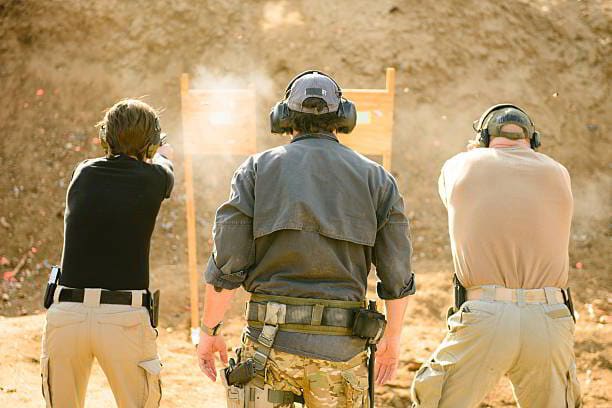
Finding credible firearm training resources is paramount for anyone looking to enhance their
skills responsibly. Did you know that nearly 40% of firearm owners report feeling unprepared or
unsure about safe handling practices? This statistic highlights a significant gap in knowledge
that can only be addressed through proper training. As more individuals embrace their rights
under the Second Amendment, the demand for effective and trustworthy firearm instruction has
never been greater. However, with so many options available, discerning the best programs can
be overwhelming. This guide is designed to walk you through the essential steps needed to
identify high-quality training resources that not only promote safety but also cultivate a deeper
appreciation for responsible firearm ownership.
Understanding the Importance of Credible Firearm Training Resources
In today's world, the responsibility of firearm ownership carries significant weight. Proper training
is crucial not only for personal safety but also for the safety of those around us. Finding credible
firearm training resources ensures that individuals become well-acquainted with firearm
handling, safety protocols, and self-defense techniques.
The role of training in responsible firearm ownership cannot be overstated. Here are a few
reasons why credible training matters:
- Safety Awareness: Understanding how to handle firearms safely prevents accidents and
promotes responsible usage.
- Skill Development: Quality training enhances shooting proficiency and confidence.
- Legal Knowledge: Credible resources include information about local laws and
regulations regarding firearm ownership and usage.
Identifying What Makes Training Resources Credible
When searching for firearm training, it’s essential to know what constitutes a credible resource.
Consider evaluating the following aspects:
- Qualifications of Instructors: Instructors should have relevant certifications and
experience in firearm training.
- Accreditations of Training Programs: Accreditation from recognized organizations adds
credibility.
- Insurance and Liability Coverage: Ensures that the training facility is professional and
responsible.
Types of Firearm Training Resources
There are various options available when it comes to firearm training, including:
- In-person Training Classes: Hands-on instruction in a controlled setting.
- Online Training Courses: Flexible learning options that can be completed at home.
- Local Shooting Ranges and Academies: Opportunities for practice under professional
supervision.
- Workshops and Seminars: Short, focused sessions on specific topics related to
firearms.
Researching Firearm Training Options
To ensure you are finding credible firearm training resources, thorough research is key. Here
are some effective methods:
1. Utilizing Online Searches: Use search engines to find lists of reputable training facilities.
2. Checking Local Listings: Websites like Yelp or Google Maps can provide user reviews
and ratings.
3. Exploring Social Media and Forums: Engage with communities on platforms like Reddit
for personal recommendations.
Evaluating Training Programs and Instructors
Once you have a list of potential training providers, it's crucial to evaluate them based on:
- Course content and structure
- Student-to-instructor ratios
- Peer reviews and ratings
For more information about reputable firearm training programs, you can visit well-known
organizations, such as the National Rifle Association (NRA).
By taking a strategic approach to finding credible firearm training resources, you can ensure an
informative and beneficial learning experience. Remember, the ultimate goal is to foster a safe
environment for yourself and your community while developing your skills.
Questions to Ask Potential Training Providers
When evaluating different training programs, it's essential to ask the right questions to ensure
that you are finding credible firearm training resources. Knowing what to inquire about can help
clarify the quality and reliability of the training offered. Here are some crucial questions to
consider:
- What qualifications do the instructors have?
Understanding the background and expertise of the instructors can provide insights into
the quality of training you'll receive.
- What is the curriculum and teaching methodology?
A comprehensive curriculum that covers both theoretical knowledge and practical skills is
vital for effective learning.
- Are safety protocols in place during training?
Safety should always be a priority in firearm training, so inquire about the measures in
place to protect students during sessions.
- What resources are available for ongoing learning?
A commitment to continuous education can enhance your knowledge and skill level over
time.
- Can you provide references or testimonials?
Speaking to past students can offer valuable perspectives on the training experience.
By posing these questions, you will be in a better position to evaluate whether a training
provider aligns with your needs and goals in finding credible firearm training resources.
Tips for Finding Credible Firearm Training Resources
Successful research can make all the difference in securing effective firearm training. Here
are some practical tips to assist you in your search:
1. Network with Experienced Firearm Enthusiasts
Engaging with knowledgeable individuals can lead you to reputable training providers that
may not be easily found online.
2. Visit Training Facilities Before Enrolling
A personal visit allows you to observe the environment and ask additional questions to
gauge the professionalism of the facility.
3. Check References and Endorsements
Look for endorsements from recognized organizations in the firearm community, as this
can indicate a level of credibility.
4. Read Online Reviews and Ratings
Use platforms like Google Reviews and Facebook to gather insights from other students
regarding their training experiences.
5. Stay Updated on Local Events and Workshops
Attending local firearm-related events can provide additional opportunities to discover
credible trainers and resources.
By implementing these tips, you'll be better equipped to make informed decisions when finding
credible firearm training resources, ultimately leading to improved safety and proficiency in
firearm ownership.
Red Flags to Watch Out For
As you navigate the search for credible firearm training resources, it's equally important to be
aware of potential warning signs that may indicate a less-reliable training provider. By
recognizing these red flags, you can protect yourself from poor-quality instruction and ensure a
safer learning environment. Here are some key indicators to watch for:
- Lack of Transparency in Pricing and Policies
If a training provider is not upfront about costs, cancellation policies, or additional fees, it
may signal unprofessionalism.
- Insufficient Information About Instructors
A credible training resource should readily provide details about their instructors’
credentials. If you cannot find this information, it's a cause for concern.
- Poor Online Presence or Lack of Reviews
A reputable training provider should have a solid online presence, including reviews and
testimonials. If you can't find any feedback or they have overwhelmingly negative reviews,
it’s best to proceed with caution.
- Inconsistent Communication
If a provider is slow to respond to inquiries or provides unclear answers, it may indicate an
unreliable organization.
- Overly Aggressive Marketing Tactics
Be wary of training programs that heavily rely on high-pressure sales tactics rather than
focusing on the quality of their training.
By staying vigilant and recognizing these red flags, you can significantly increase your chances
of finding credible firearm training resources that prioritize safety and effective education.
Conclusion and Next Steps
Now that you are equipped with the knowledge to identify credible firearm training resources,
the next step is to commit to your training journey. Whether you’re a beginner or looking to
enhance your existing skills, responsible firearm training is essential. Take the time to research
and evaluate different options, engage in discussions with others, and trust your instincts.
Remember, investing in a quality training experience not only heightens your shooting
proficiency but also fosters a strong sense of responsibility and safety.
Types of Firearm Training Resources
Finding credible firearm training resources involves understanding the various training options
available. By familiarizing yourself with the different types of training resources, you can make
an informed decision about which method best suits your learning style and needs. Below are
some common types of firearm training resources:
- In-Person Training Classes
These classes typically take place in various locations, such as shooting ranges or
specialized training centers. In-person training allows for hands-on experience with direct
instructor feedback, fostering a more immersive learning environment.
- Online Training Courses
Online programs offer flexibility, allowing you to learn at your own pace from the comfort
of your home. These courses often cover theoretical aspects of firearm safety and
regulations, along with video instruction for practical skills. However, ensure that the
online course you choose is recognized by reputable organizations.
- Local Shooting Ranges and Academies
Many shooting ranges offer courses designed to introduce beginners to firearm handling,
as well as more advanced training. These places often facilitate live-fire practice under
the guidance of experienced instructors, making them excellent resources for foundational
skills.
- Workshops and Seminars
Workshops typically focus on specific topics, such as self-defense or advanced shooting
techniques. These short, intensive sessions can be beneficial for those looking to
enhance particular skills. Seminars often include discussions on firearm laws, safety
regulations, and responsible ownership.
- Books and Manuals
For those who prefer self-study, there are numerous books and manuals available
covering firearm safety, proper handling techniques, and legal considerations. While not a
substitute for hands-on training, these resources can complement your learning.
When evaluating these different options, consider your personal preferences, goals, and levels
of experience. Each resource offers unique benefits that can contribute to your overall
understanding and proficiency with firearms. By carefully selecting from these types of training
resources, you’ll be well on your way to finding credible firearm training resources that maximize
your safety and skill development.
For a comprehensive guide on finding classes and training providers, consider visiting the
National Shooting Sports Foundation (NSSF), which offers valuable insights and connections to
educational opportunities in firearms training.
Researching Firearm Training Options
Finding credible firearm training resources requires thorough research to identify the most
reputable and effective training programs available. Here are some effective strategies to help
you research your options:
1. Utilizing Online Searches
A good starting point is conducting online searches using key phrases like "firearm
training near me" or "best firearm training resources." This can yield numerous results,
including websites, forums, and reviews from past students.
2. Checking Local Listings
Websites such as Yelp, Google Maps, or local business directories can provide listings of
firearm training facilities in your area. Each listing often includes customer reviews and
ratings, which are valuable for assessing credibility.
3. Exploring Social Media and Forums
Engaging with firearm communities on platforms like Facebook, Twitter, or dedicated
Reddit forums can provide insights from experienced shooters and trainers. Look for
discussions about recommended training resources or instructors.
4. Contacting Local Law Enforcement or Shooting Clubs
Your local law enforcement agency may have recommendations for reputable firearm
training resources. Similarly, shooting clubs often have connections to certified instructors
and programs that have proven effective for their members.
5. Reading Research and White Papers
Investigate scholarly articles, studies, or white papers on firearm safety and training
effectiveness. These documents can help you understand best practices in firearm
training and how to evaluate different programs.
By employing these strategies, you can gather enough information to make informed decisions
when finding credible firearm training resources. Remember to compare various providers and
look for those with positive reputations backed by verifiable experience.
For comprehensive resources and articles on firearm training and safety, you can also check out
the United States Concealed Carry Association (USCCA), which provides extensive information
on training and education for firearm owners.
Evaluating Training Programs and Instructors
When it comes to finding credible firearm training resources, evaluating the training programs
and instructors is a critical part of the decision-making process. The quality of training can vary
significantly between providers, so it’s essential to dig deeper into what each training option
offers. Here are some important factors to consider:
- Review Course Content and Structure
Look for programs that provide a clear overview of what they offer, including the topics
covered in the curriculum. A well-structured course should address both theoretical
knowledge and practical skills, ensuring a comprehensive learning experience.
- Asses Student-to-Instructor Ratios
Small class sizes often lead to more personalized attention. Having a lower
student-to-instructor ratio can enhance the learning environment, allowing for more
hands-on training and individual feedback.
- Check Instructor Qualifications
Investigate the background and credentials of the instructors. They should possess
relevant teaching certifications, experience in firearms training, and a strong
understanding of firearm safety protocols. Look for instructors who are active members of
recognized firearm training organizations.
- Look for Accreditation
Programs accredited by established organizations lend credibility to the training offered.
Accreditation ensures that a program meets specific industry standards and delivers
quality instruction.
- Read Student Reviews and Ratings
Online reviews can provide insights into other students' experiences. Look for consistent
feedback regarding the instructors, training effectiveness, and overall satisfaction with the
program.
- Ask About Safety Measures
Ensure that safety is a top priority in the training environment. Inquire about the protocols
in place to promote safe handling, storage, and usage of firearms during the course.
By effectively evaluating these aspects when finding credible firearm training resources, you’re
better positioned to select a training program that meets your needs and expectations.
For further guidance on selecting firearm training courses, consider visiting the National Rifle
Association (NRA), where you can find a wealth of information about various training options
and resources available for firearm enthusiasts.
Identifying What Makes Training Resources Credible
Finding credible firearm training resources can be challenging, especially with the plethora of
options available. To ensure you're selecting a reputable program, it’s essential to know the
specific characteristics that define credible training resources. Here are key factors to look for:
- Instructor Qualifications and Experience
A credible training provider should have instructors who not only hold relevant
certifications but also possess substantial experience in firearms training. Look for
instructors with backgrounds in law enforcement, military service, or extensive shooting
sports involvement, as they are likely to have a comprehensive understanding of firearm
safety.
- Accreditation and Certifications
Training programs accredited by established organizations indicate that they adhere to
industry standards. Accreditation provides reassurance that the training will be effective
and safe. Check if the training program is recognized by organizations like the National
Rifle Association (NRA) or the Defensive Shooting Academy.
- Feedback from Previous Students
Customer reviews and testimonials can offer valuable insights into the quality of the
training program. Look for patterns in feedback about instructor effectiveness, course
materials, and overall training experience. Consistently positive reviews can be a good
indicator of reliability.
- Safety Protocols and Insurance
A trustworthy training provider prioritizes safety. Inquire about the safety protocols they
have in place during training sessions. Additionally, check if they have insurance and
liability coverage, signaling their professionalism and commitment to a safe training
environment.
- Transparent Pricing and Policies
Clear communication regarding pricing, class structures, and policies is essential. Avoid
programs that are vague about costs or seem to apply arbitrary fees. Transparency not
only builds trust but is also a hallmark of a credible training resource.
By focusing on these elements, you can effectively narrow down your search and make
informed decisions when looking for credible firearm training resources. Your choice will
ultimately lead to a safer and more enriching learning experience.
For additional information and resources related to firearm training, consider visiting the U.S.
Concealed Carry Association (USCCA), which offers guidance and educational content for
firearm owners.
Tips for Finding Credible Firearm Training Resources
When it comes to finding credible firearm training resources, having a strategic approach can
significantly enhance your research process. Here are practical tips to help you locate effective
and reputable training programs:
1. Network with Experienced Firearm Enthusiasts
Engaging with individuals who have gone through various training programs can provide
personal insights and recommendations. Use local gun shops, shooting ranges, and
firearm clubs to connect with experienced shooters who can share their experiences and
point you towards credible trainers.
2. Visit Training Facilities Before Committing
If possible, take the time to visit potential training venues. This will give you a firsthand
look at the environment where training occurs. Observe the facilities, ask about their
safety practices, and interact with the instructors to gauge their professionalism.
3. Verify Online Presence and Reputation
Explore the websites and social media pages of training providers. A strong online
presence often reflects a credible and established program. Look for engaging content,
updates on training courses, and interaction with the community. Be sure to read online
reviews from multiple sources to get an overall sense of the provider’s reputation.
4. Seek Recommendations from Trusted Organizations
Organizations such as the National Rifle Association (NRA) or local shooting clubs often
have lists of certified trainers and training courses. Consulting these resources can direct
you towards reliable options that align with your needs.
5. Check Referrals and Endorsements
Look for training programs that have endorsements from recognized experts in the firearm
community. Referrals from industry leaders can indicate that the training provider has a
solid reputation and is committed to high standards.
By implementing these tips, you increase your chances of finding credible firearm training
resources that meet your expectations for quality and safety. A thorough and strategic approach
to your research can lead to a more fruitful training experience, ensuring you develop the
necessary skills and knowledge responsibly.
For additional resources on firearm training and safety, visit the National Shooting Sports
Foundation (NSSF), which provides extensive educational materials and guidance for firearm
owners.
Red Flags to Watch Out For
When seeking credible firearm training resources, it’s essential to stay vigilant and aware of
potential red flags that could indicate a less reliable provider. Recognizing these warning signs
can help you avoid subpar training experiences that may jeopardize your safety and proficiency.
Here are key red flags to consider:
- Lack of Transparency
If a training provider is unclear about their pricing structure, policies, and course details,
this should raise concerns. Credible instructors will provide detailed information upfront
without hidden fees.
- Poor Online Reviews
A quick search may reveal reviews from previous students. If you notice a consistent
pattern of negative feedback regarding the instructors, course content, or overall
experiences, it may be best to seek alternatives.
- Insufficient Instructor Qualifications
If the instructors cannot provide verifiable credentials or experience in firearms training,
consider it a red flag. Proper qualifications are crucial for ensuring that you receive
effective and safe instruction.
- Neglect of Safety Standards
A reputable training facility should prioritize safety by having clear protocols in place. If
you observe a lack of safety measures during your visit or hear that safety protocols aren't
followed during training, look for a different provider.
- High-Pressure Sales Tactics
Be wary of training providers that utilize aggressive marketing or pressure you into signing
up for courses immediately. Credible instructors understand the importance of allowing
potential students to make informed decisions.
- Inconsistent Communication
If you find it challenging to get in touch with the training provider or receive inconsistent
information, it could indicate unprofessionalism. A reliable provider will maintain open
lines of communication and promptly address any inquiries.
By staying alert to these red flags during your search, you can more effectively navigate the
process of finding credible firearm training resources. Trust your instincts; if something feels off,
don’t hesitate to explore other options.
For further guidance on training quality and standards, consider visiting the U.S. Concealed
Carry Association (USCCA), which offers a wealth of information on training and education for
responsible firearm owners.
What should I look for in a firearm training program?
When searching for a firearm training program, prioritize instructor qualifications, course
content, safety measures, and student-to-instructor ratios. Ensure the program has positive
reviews and is accredited by recognized organizations to confirm its credibility.
Are online firearm training courses effective?
Yes, online firearm training courses can be effective, especially for theoretical knowledge and
concepts. However, it is important to complement online learning with practical, hands-on
training to ensure proficiency in real-life scenarios.
How do I know if a training provider is reputable?
To determine the reputation of a training provider, check their online reviews, ask for references,
and verify their instructor qualifications. Additionally, look for accreditations from established
organizations, which can further validate their credibility.
What safety measures should be in place during training?
A credible firearm training provider should implement strict safety protocols, including using
proper safety gear, maintaining safe distances during shooting exercises, and having clear
emergency procedures. Instructors should also emphasize safety practices throughout the
training process.
How can I find local firearm training resources near me?
To find local firearm training resources, utilize online searches and local business listings like
Google Maps or Yelp. You can also visit nearby shooting ranges, gun stores, or firearm clubs to
inquire about recommended training programs in your area.
Tags: Shooting Techniques, Concealed Carry, Professional Training
Latest Blog & Articles
The Ultimate Guide to Defensive Handgun Training in Colorado
In an increasingly uncertain world, mastering defensive handgun training is essential for responsible gun ownership and personal safety. Co…
Read more →
Best Practices for Defensive Handgun Training: A Comprehensive Guide
In a world where personal safety is increasingly vital, mastering defensive handgun training is essential for anyone considering firearm ow…
Read more →
The Ultimate Guide to Firearm Training Courses in El Paso County, Colorado
In an age where firearm safety and education are paramount, Colorado Boots is proud to provide the definitive guide to firearm training cou…
Read more →