
Finding Credible Firearm Training Resources (2)
August 5, 2025 · Self-Defense & Protection / Training Resources / Expert Firearm Instruction
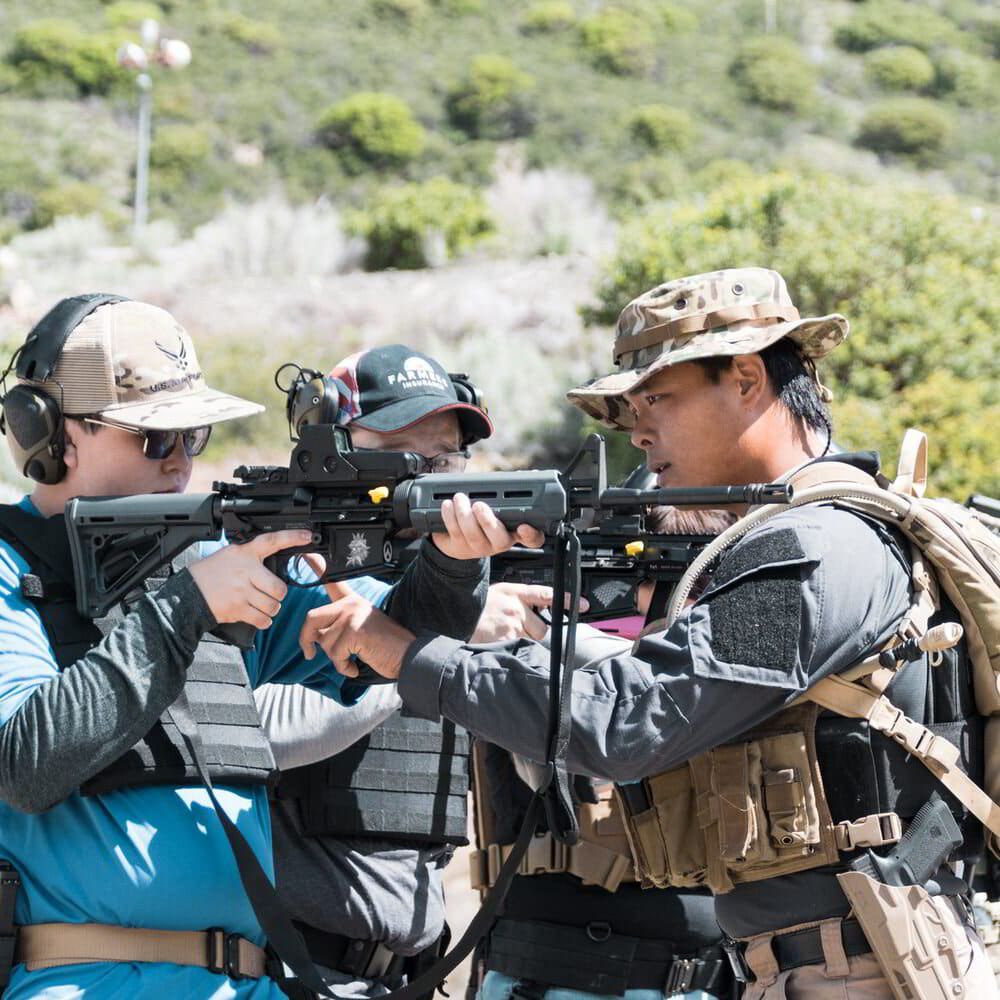
Finding credible firearm training resources can feel overwhelming, especially in a landscape
filled with various options and opinions. Did you know that proper training and education can
reduce firearm-related accidents by nearly 30%? Whether you're a novice looking to handle a
firearm safely for the first time or a seasoned shooter aiming to refine your skills, the foundation
of responsible gun ownership starts with quality training. As the importance of firearm safety
continues to rise, ensuring that you connect with reputable training programs becomes crucial.
This blog post will guide you through the essential steps of discovering reliable firearm training
resources that not only enhance your skills but also promote a culture of safety and
responsibility.
Understanding the Importance of Reliable Firearm Training
When it comes to firearms, proper training is crucial for ensuring safety and gaining confidence
in handling weapons. Finding credible firearm training resources is essential, regardless of
whether you are a beginner or an experienced shooter. The right training helps foster a
responsible attitude towards firearm use and emphasizes the significance of the Second
Amendment.
Benefits of Proper Training
- Enhanced Safety: Proper training significantly reduces the risk of accidents.
- Improved Skills: Regular practice and professional instruction lead to better shooting
accuracy and handling.
- Legal Knowledge: Understanding local laws and regulations surrounding firearms can
prevent legal issues.
The Role of Credible Resources in Firearm Safety
Finding credible firearm training resources involves evaluating various platforms and instructors.
Here are some key elements to consider:
- Criteria for Evaluating Firearm Training Resources
- Instructor Qualifications
A qualified instructor is paramount for effective learning. Look for instructors who possess
certifications from recognized organizations, such as the National Rifle Association (NRA) or
similar accredited bodies. These qualifications not only demonstrate expertise but also a
commitment to teaching firearm safety.
Accreditation and Certifications
Ensure that the training program is accredited by reputable organizations. Accreditation often
serves as a stamp of approval for the quality and effectiveness of the training offered.
Reviews and Recommendations
Word of mouth can be a powerful tool in your search. Look for reviews and recommendations
from previous students. Websites like Yelp or Google Reviews can provide insights into the
experiences of others who have taken the class.
Where to Find Credible Firearm Training Resources
Local Firearms Academies
Many communities offer firearms training through local academies. These academies often have
in-person classes, allowing for hands-on experience with certified instructors.
Online Training Platforms
In today's digital age, online training programs have gained popularity. Websites such as the
NRA's Online Training platform provide resources that can supplement live classes.
Community Programs and Workshops
Don't overlook local community programs, which may offer workshops or courses at a reduced
cost. These programs often promote firearm safety and responsible ownership.
By following these guidelines and using the criteria outlined above, you can find credible firearm
training resources that best suit your needs and help you become a more skilled, responsible
firearm owner.
Assessing the Content of Training Programs
Once you’ve identified potential training resources, it’s vital to assess the content of their
programs to ensure they meet your needs. A quality firearms training program will offer a
well-rounded curriculum that balances practical skills and theoretical knowledge. Here are key
aspects to consider:
Curriculum Overview
A comprehensive curriculum should cover various topics related to firearm safety and handling.
Look for programs that include:
- Basic firearm safety rules
- Understanding different types of firearms
- Proper handling and storage of firearms
- Legal considerations around firearm use
Hands-On vs. Theoretical Training
Finding credible firearm training resources often involves determining the right balance between
hands-on practice and theoretical knowledge. A good program should:
- Offer hands-on shooting experience under professional supervision
- Include classroom instruction to reinforce safety concepts
- Facilitate scenario-based training to apply skills in realistic situations
Safety Protocols and Compliance
Safety should be the cornerstone of any firearms training program. Ensure that the training
adheres to:
- Industry safety standards
- Local laws and regulations
- Comprehensive emergency protocols
Considering Costs and Accessibility
After evaluating the content of various programs, the next step is to consider the financial and
logistical aspects of your training options. Here are some factors to weigh:
Budgeting for Training
Firearm training costs can vary widely. When budgeting, keep these points in mind:
- Instructor fees
- Range fees or equipment rental costs
- Additional materials or resources required for the course
Availability of Classes and Scheduling Flexibility
Consider the convenience of classes. Look for programs that offer:
- Multiple time slots to accommodate your schedule
- Shorter courses or workshops for beginners
- Advanced classes for ongoing training
By thoroughly assessing the content and financial implications of training programs, you'll be
better equipped to make informed decisions on finding credible firearm training resources that
align with your goals and lifestyle.
Staying Informed About Changes in Firearm Training Standards
The landscape of firearm training is continually evolving, influenced by advancements in
technology, changes in legislation, and emerging best practices. This dynamic environment
underscores the importance of staying informed as part of your commitment to safety and
responsible ownership. Finding credible firearm training resources entails not just initial training,
but also ongoing education.
Importance of Ongoing Education
Continuous improvement in your firearms knowledge and skills is essential for several reasons:
- Adapting to New Laws: Firearm laws can change, and staying informed ensures
compliance.
- Enhancing Skills: Advanced training can improve your handling and shooting proficiency.
- Building Confidence: Ongoing education helps develop a deeper understanding,
boosting your confidence in various situations.
Resources for Continued Learning
There are numerous ways to stay updated and engaged in firearm training. Some of these
include:
- Professional Associations: Organizations such as the National Shooting Sports
Foundation (NSSF) offer resources, training updates, and relevant information for firearm
owners.
- Workshops and Seminars: Regularly check local training centers for workshops that
cover new techniques or legal updates.
- Online Forums and Communities: Engage with other firearm enthusiasts through
forums or social media groups to share knowledge and experiences.
- Books and Publications: Invest in books or subscriptions to reputable firearm-related
magazines for ongoing knowledge enhancement.
By prioritizing education and remaining aware of changes in firearm training standards, you
position yourself to not only improve your skills but also to uphold the highest standards of
safety. Finding credible firearm training resources is an investment in both your personal
development and the well-being of your community.
Conclusion: Making an Informed Choice
As you embark on the journey of finding credible firearm training resources, it’s essential to
remember that the quality of your training can significantly impact your safety, confidence, and
competence as a firearm owner. Taking the time to thoroughly evaluate your options will help
you make informed decisions that suit your personal needs and goals.
Recap of Key Points
- Evaluate Instructor Qualifications: Ensure your instructor has reputable credentials and
experience.
- Assess Curriculum Content: Look for a balance between theoretical knowledge and
hands-on training.
- Stay Updated: Keep abreast of changes in firearm laws and ongoing training
opportunities.
- Consider Costs and Accessibility: Make sure the chosen training fits within your budget
and schedule.
Encouragement to Pursue Credible Firearm Training
Investing in quality firearm training is not just about meeting a legal requirement; it's about
cultivating a responsible attitude towards firearm ownership. Engage in the learning process,
foster your skills, and develop a strong understanding of the responsibilities that come with
owning a firearm. With the right resources and mindset, you can become a well-informed,
confident, and safe firearm owner.
For further reading on firearm safety and best practices, consider visiting the National Rifle
Association (NRA) which offers a wealth of training resources and information.
The Importance of Networking in Firearm Training
When it comes to finding credible firearm training resources, networking can play an essential
role in enhancing your learning experience. Building a supportive community around firearm
training allows you to share insights, experiences, and recommendations that can aid
newcomers and seasoned shooters alike.
Building Connections with Other Enthusiasts
Connecting with fellow firearm enthusiasts can provide you with valuable perspectives and
recommendations. Here are some effective ways to network:
- Join Local Shooting Clubs: Many shooting ranges and clubs offer membership
opportunities that foster camaraderie and skill development.
- Attend Firearm Expos and Shows: These events are great for meeting industry
professionals and other enthusiasts who can share their training experiences.
- Engage in Online Communities: Websites and forums dedicated to firearms can help
you find mentors and learn from others' journeys.
The Benefits of Networking
Establishing a network can enhance your training experience in numerous ways:
- Access to Recommendations: Your network can provide firsthand accounts of credible
trainers and courses that may not be listed elsewhere.
- Shared Experiences: Learning from others' mistakes and successes can guide you
toward making better training choices.
- Support for Growth: Having a community to encourage ongoing education can motivate
you to pursue advanced training opportunities.
Using Online Resources
In addition to personal connections, online resources such as forums and social media can
facilitate networking. Websites like Reddit have active discussions on firearms training, where
you can gather insights and recommendations from a diverse group of individuals.
By recognizing the importance of networking in finding credible firearm training resources, you
can significantly enrich your learning journey. Engaging with others who share your passion will
not only provide you with the necessary knowledge and resources but also foster a strong
sense of community among firearm owners.
How to Verify the Credibility of Firearm Training Programs
Finding credible firearm training resources requires diligence and research to ensure you are
receiving quality education from reputable sources. Verifying the credibility of firearm training
programs involves a few key steps that will help you make informed decisions.
Researching Instructors and Programs
Start by gathering information about the instructors and the programs they offer. Here’s how to
verify credibility:
- Check Credentials: Look for instructors who hold relevant certifications from well-known
organizations such as the NRA or the National Shooting Sports Foundation (NSSF).
- Research Program History: Find out how long the training program has been in
operation. Established programs often have a track record of success and satisfied
students.
- Look for Reviews: Online platforms like Google and Yelp can provide insights into the
experiences of past participants. Pay attention to both positive and negative feedback.
Visiting Training Facilities
If possible, visit the training facilities to assess their environment and practices. Consider the
following:
- Safety Standards: Observe whether the range maintains strict safety protocols. Proper
signage, supervision, and rules should be evident.
- Equipment Quality: Check the condition of the firearms and equipment used during
training. Well-maintained gear is a good indicator of a credible program.
- Instructor Interaction: Spend time observing how instructors interact with students.
Qualified instructors should demonstrate professionalism and effectiveness in their
teaching methods.
Engaging with Alumni and Current Students
Reaching out to previous students can provide additional insights into the training's quality and
effectiveness. Here are ways to connect:
- Social Media Groups: Join local or national firearm training groups on platforms like
Facebook to seek recommendations and gather testimonials.
- Attend Alumni Events: If the training program has alumni gatherings, consider attending
to meet former students and hear about their experiences.
By taking the necessary steps to verify the credibility of firearm training programs, you can
confidently choose resources that will provide valuable and safe learning experiences. Investing
time in research will ultimately enhance your skills and knowledge as a responsible firearm
owner. For more information on training standards, you may also refer to the NSSF's
educational resources.
Understanding the Benefits of Quality Firearm Training
When it comes to finding credible firearm training resources, understanding the benefits of
quality training can help reinforce the value of investing time and effort into the right programs. A
strong foundation in firearm training provides a myriad of advantages that extend beyond mere
proficiency with a weapon.
Enhanced Safety Awareness
One of the primary benefits of attending credible training programs is an increase in safety
awareness. Participants learn essential safety protocols that help prevent accidents. Key points
include:
- Proper Handling Techniques: Participants are trained in safe handling practices,
reducing the risk of negligent discharges.
- Situational Awareness: Training teaches students to be aware of their surroundings,
promoting responsible firearm ownership.
- Emergency Response: Quality training often includes discussions on how to respond in
emergencies, enhancing overall preparedness.
Improved Skills and Competence
Finding credible firearm training resources can vastly improve your skills and competence with
firearms. Benefits include:
- Fundamental Skills Development: Training provides a solid foundation in
marksmanship, handling, and maintenance.
- Attention to Detail: Instructors emphasize the importance of precision, helping students
improve their aim and control.
- Advanced Techniques: For more experienced shooters, quality training opens doors to
advanced techniques and competitive shooting skills.
Boosted Confidence
Participating in well-structured training programs can also increase a shooter's confidence.
Some aspects contributing to this include:
- Practice under Supervision: Hands-on practice in a controlled environment builds
confidence in real-world scenarios.
- Positive Reinforcement: Constructive feedback from trained instructors helps students
recognize their progress.
- Peer Support: Connecting with fellow students fosters a sense of community and
encouragement.
Long-term Responsibility
Attending credible firearm training not only boosts individual skills but also nurtures a
responsible mindset regarding firearm ownership. This includes:
- Understanding Legal Responsibilities: Training often covers local laws and regulations
surrounding firearms.
- Promoting Community Safety: Well-trained individuals contribute positively to
community safety by upholding responsible firearm practices.
To further explore the benefits of firearm training and find quality educational resources,
consider visiting the American Firearms Institute, which offers a wealth of programs designed to
foster responsible firearm ownership and training.
What should I look for in a credible firearm training program?
When searching for a credible firearm training program, look for experienced instructors with
valid certifications from reputable organizations. Additionally, assess the program’s curriculum to
ensure it covers essential topics such as safety, handling techniques, and legal responsibilities.
Reviews and testimonials from past students can also provide valuable insights into the
program's effectiveness.
How can I verify an instructor's qualifications?
To verify an instructor's qualifications, check their certifications from recognized organizations
like the NRA or similar credentialing bodies. Many instructors will also provide their training
history and specializations upon request. Additionally, researching reviews or asking for
references from former students can help confirm their expertise.
Are online firearm training courses effective?
Online firearm training courses can be effective, especially for theoretical knowledge and
understanding firearm safety and laws. However, it's essential to complement online learning
with practical, hands-on training at local gun ranges. A blend of both methods can ensure
comprehensive skill development and reinforce safety practices.
How often should I refresh my firearm training?
It is often recommended to refresh your firearm training at least once a year or after a significant
change, such as acquiring a new firearm or moving to a different state with updated laws.
Engaging in ongoing training helps maintain your skills, stay updated on best practices, and
adapt to any changes in regulations.
What is the importance of community in firearm training?
Community plays a crucial role in firearm training as it fosters support, knowledge sharing, and
collaboration among firearm enthusiasts. Engaging with other responsible gun owners through
clubs, forums, or local events can enhance your learning experience, provide valuable insights,
and promote a culture of safety and responsibility.
Tags: Firearm Instruction, Self-Defense Training, Expert Instructors
Latest Blog & Articles
The Ultimate Guide to Defensive Handgun Training in Colorado
In an increasingly uncertain world, mastering defensive handgun training is essential for responsible gun ownership and personal safety. Co…
Read more →
Best Practices for Defensive Handgun Training: A Comprehensive Guide
In a world where personal safety is increasingly vital, mastering defensive handgun training is essential for anyone considering firearm ow…
Read more →
The Ultimate Guide to Firearm Training Courses in El Paso County, Colorado
In an age where firearm safety and education are paramount, Colorado Boots is proud to provide the definitive guide to firearm training cou…
Read more →