
Finding Credible Firearm Training Resources (1)
July 29, 2025 · Firearm Education / Training Tips / Safety and Security
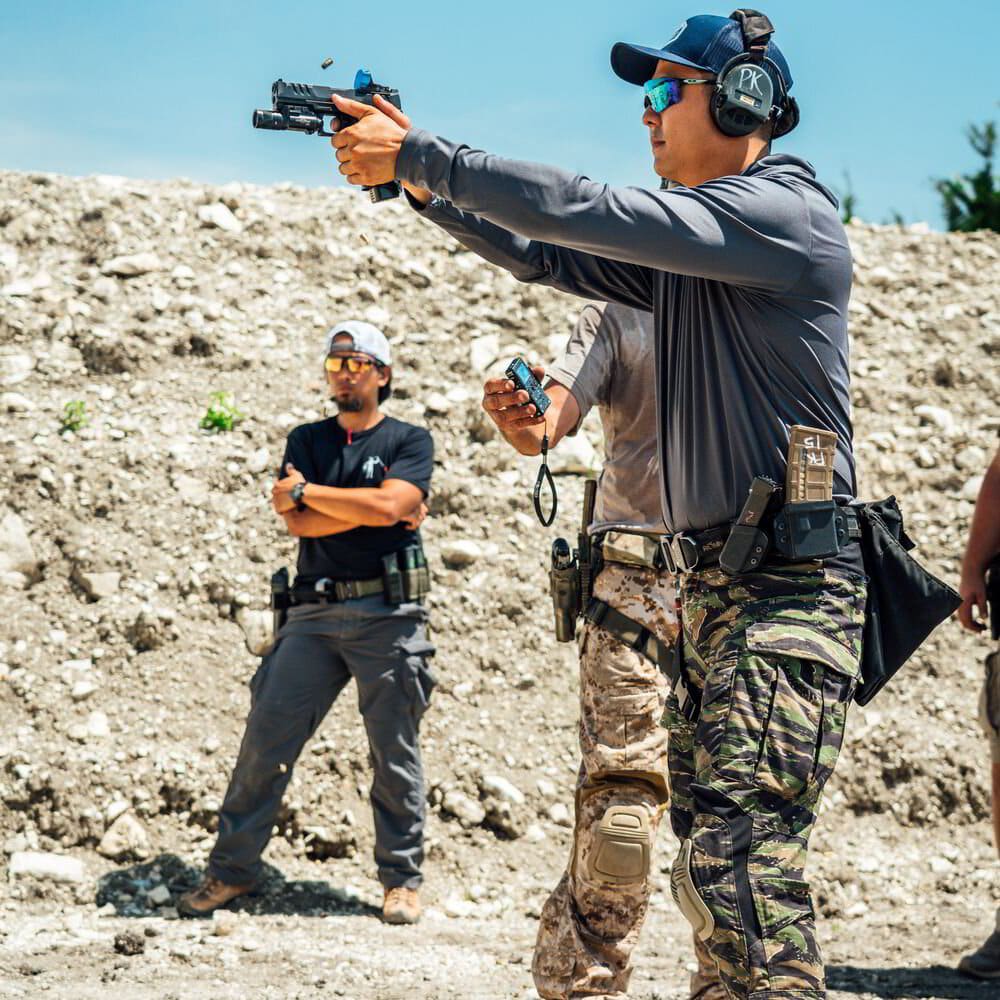
Finding credible firearm training resources can be a daunting task for both new and seasoned
gun owners alike. With the abundance of information available online and various training
facilities promising top-notch instruction, how can you ensure that you're making the right
choice? Understanding the importance of proper training is not just a matter of skill; it's
fundamental to promoting firearm safety and responsible ownership. Whether you're looking to
enhance your shooting skills, understand the legal ramifications of firearm use, or simply gain
confidence in handling your weapon, securing credible training is essential. This guide will walk
you through the characteristics of reputable resources, where to find them, and why they matter
so much in your journey as a firearm owner.
Understanding the Importance of Credible Firearm Training
The role of education in responsible firearm ownership
As a firearm owner, understanding the importance of credible firearm training resources cannot
be overstated. Proper education helps owners not only to handle firearms safely but also to
appreciate the responsibility that comes with gun ownership.
Benefits of proper training for safety and confidence
Training fosters:
- Enhanced shooting skills
- Improved safety awareness
- Greater legal knowledge regarding firearm usage
- Development of a respectful attitude towards firearms
Characteristics of Credible Firearm Training Resources
Professional qualifications and certifications
When searching for credible firearm training resources, it is crucial to assess the qualifications
of the instruction providers. Look for:
- NRA certified instructors
- State-recognized training programs
- Military or law enforcement experience
Curriculum comprehensiveness and relevance
The syllabus of any training program should cover various aspects of firearm handling,
including:
- Basic safety procedures
- Shooting techniques and practices
- Legal implications of firearm ownership
- Maintenance and storage of firearms
Instructors’ experience and teaching methods
A knowledgeable instructor can make a significant difference in the overall quality of your
training. Gauge the instructor’s experience by:
- Asking about their teaching history
- Inquiring about their approach to hands-on training
- Seeking feedback from previous students
- Where to Find Credible Firearm Training Resources
Online platforms and websites
Utilize the internet to find reputable training resources. Consider resources such as:
- National Rifle Association (NRA)
- Websites dedicated to firearm education and safety
- Online review platforms to gauge feedback and ratings
Local firearm academies and training centers
Check local listings for firearm training academies in your area. Make a list of centers that:
- Offer a range of courses based on skill level
- Provide access to practice facilities
- Have experienced staff and instructors
Community workshops and events
Attend community events or workshops offered by local law enforcement or shooting clubs,
which may provide additional information and resources for education on firearm safety and
use.
Assessing the Quality of Training Resources
Key questions to ask potential instructors
To ensure you are receiving quality training, ask potential instructors key questions regarding
their methodology, course material, and safety protocols. Consider asking about:
- Student-to-instructor ratios
- Types of firearms used during training
- Safety measures implemented during instruction
Reviews and recommendations from other shooters
Investigate reviews from past students to understand their experiences. Websites, social media
groups, and local forums can be excellent resources for finding credible firearm training
recommendations.
Importance of hands-on experience and practical training
Experiential learning is essential in firearm training. Look for programs that provide a balance of
theoretical instruction and practical, hands-on experience, ensuring you feel confident when
handling a firearm in real-world situations.
Utilizing Online Research to Enhance Training Decisions
Google searches for credible firearm training
The internet is a powerful tool for finding credible firearm training resources. Begin your search
with specific queries that incorporate relevant keywords. Consider using terms such as:
- "Certified firearm training near me"
- "Best online firearm courses"
- "Local shooting ranges offering training"
By narrowing your search this way, you can filter results to find high-quality resources tailored to
your needs.
Social media groups and forums for recommendations
Social platforms can be incredibly helpful for finding credible firearm training resources. Engage
in communities dedicated to firearm education and safety, such as:
- Facebook groups focused on firearm safety
- Reddit threads discussing training experiences
- Instagram and YouTube channels featuring firearm instructors
These platforms often provide access to valuable insights from fellow firearm enthusiasts and
recommendations for credible instructors.
Comparing resources and finding the best fit
Once you have identified several training options, it is essential to compare them based on
various criteria. Consider the following when making your selection:
- Course content and structure
- Instructor credentials and reviews
- Flexibility in scheduling and training formats
This thorough comparison can help you choose a program that aligns with your learning style
and goals.
The Role of State and Federal Regulations
Understanding legal requirements for firearm training
When navigating the landscape of firearm training resources, it's critical to recognize the legal
regulations governing firearm education. Each state may have different laws regarding
mandated training for firearm owners, which can affect your training choices.
Resources provided by government and law enforcement agencies
Federal and state agencies offer various resources to ensure that firearm education meets
specific legal standards. Explore websites such as the Bureau of Alcohol, Tobacco, Firearms
and Explosives (ATF) for guidance on training laws and recommendations.
By staying informed about legal requirements and responsible training practices, you can
ensure that your journey in finding credible firearm training resources is both effective and
compliant with regulations.
Continuous Learning in Firearm Training
Benefits of refresher courses and advanced training
In the world of firearms, continuous learning is vital for both safety and skill development. As
you become more comfortable with your firearm, consider the following benefits of taking
refresher courses and seeking advanced training:
- Enhanced shooting accuracy and speed
- Updated knowledge on laws and regulations
- Opportunities to learn new techniques and skills
- Increased confidence in various shooting scenarios
By engaging in ongoing education, you ensure that your skills remain sharp and your knowledge
stays current.
Keeping up with new legislation and industry standards
Legislation regarding firearms and self-defense rights is continually evolving. Staying informed
about these changes is integral to responsible firearm ownership and training. Regularly check
credible news sources and industry publications for updates on:
- Local and national firearm laws
- Safety protocols and best practices
- New training methodologies and technologies
Utilizing resources like the National Shooting Sports Foundation (NSSF) can help you stay in
the loop regarding industry standards and best practices for firearm training.
Conclusion: Investing in Your Firearm Training
The long-term value of finding credible resources
Investing time and effort in finding credible firearm training resources not only enhances your
skills but also promotes responsible and safe firearm ownership. A strong foundation in training
helps you build a better relationship with firearms and strengthens your appreciation for the
rights and responsibilities that come with them.
Encouraging community engagement and responsible ownership
As the firearm community grows, so too does the importance of responsible engagement
among its members. Participating in local shooting clubs, attending seminars, and sharing
knowledge with fellow enthusiasts can foster a culture of safety and mutual respect.
In conclusion, prioritize your education and continuously seek out credible firearm training
resources to make informed decisions as a responsible firearm owner.
Assessing the Quality of Training Resources
Key questions to ask potential instructors
When you are in the process of finding credible firearm training resources, it is essential to pose
important questions to potential instructors. This not only helps you gauge their qualifications
but also clarifies what you can expect from the training. Consider asking:
- What certifications and experience do you have in firearm instruction?
- Can you detail the curriculum of your training program?
- How do you incorporate safety measures during training sessions?
- What is the instructor-to-student ratio in your classes?
These questions can reveal the instructor’s commitment to quality training and their approach to
engaging with students.
Reviews and recommendations from other shooters
Finding credible firearm training resources is easier when you have the benefit of hindsight from
others. Check various review platforms and ask fellow firearm enthusiasts about their
experiences with specific trainers or courses. Remember to look for:
- Consistency in positive feedback across multiple reviews
- Any red flags mentioned about safety practices
- Recommendations for instructors with relevant expertise
Utilizing platforms like Google Reviews or specific firearm-related forums can assist you in
gathering comprehensive feedback.
Importance of hands-on experience and practical training
To truly assess the quality of training resources, prioritize programs that emphasize hands-on
experience. Practical training not only solidifies theoretical knowledge but also helps build
muscle memory for safe firearm handling. Look for:
- Courses that offer live-fire practice sessions
- Opportunities to train with various firearms types
- Simulated scenarios that prepare you for real-life situations
Combining theory with practical application is vital in finding credible firearm training resources
that effectively equip you for responsible firearm ownership.
Characteristics of Credible Firearm Training Resources
Professional qualifications and certifications
When it comes to finding credible firearm training resources, the qualifications of instructors play
a pivotal role. Look for organizations and programs that require their trainers to have specific
certifications. Important qualifications may include:
- NRA Certification
- State-recognized instructor credentials
- Military or law enforcement training backgrounds
Instructors with these credentials are often well-versed in safety protocols and best practices,
laying a solid foundation for your training.
Curriculum comprehensiveness and relevance
A robust training curriculum is critical to ensure that you receive well-rounded education. When
evaluating firearm training options, consider whether the curriculum covers essential topics such
as:
- Basic firearm safety and handling
- Legal aspects of firearm ownership and use
- Techniques for accurate shooting and marksmanship
- Maintenance and care of firearms
Programs that include a diverse and comprehensive curriculum provide you with a better
understanding of firearms and their responsibilities.
Instructors’ experience and teaching methods
The teaching style and experience of instructors can significantly impact your learning. In
addition to their formal qualifications, it’s helpful to consider their approach to instruction. Look
for instructors who:
- Utilize a mix of theoretical and hands-on training
- Are responsive to students’ questions and concerns
- Offer personalized feedback and coaching during sessions
Instructors with strong communication skills and teaching methodologies enhance your ability to
grasp complex concepts while ensuring a positive training experience.
By evaluating these characteristics when seeking credible firearm training resources, you
position yourself to choose an educational program that promotes both skill development and
lawful ownership.
Where to Find Credible Firearm Training Resources
Online platforms and websites
One of the most effective ways to start finding credible firearm training resources is to utilize
online platforms. Many organizations host comprehensive lists of certified instructors and
training programs. Key resources to explore include:
- National Rifle Association (NRA) NRA Training
- U.S. Concealed Carry Association (USCCA)
- Local shooting range websites
These sites often provide directories or course offerings where you can find reputable trainers in
your area.
Local firearm academies and training centers
Another excellent option is to seek out local firearm academies and training centers. These
facilities typically offer structured programs that cater to a variety of skill levels. When evaluating
local options, look for:
- Accreditation from recognized national organizations
- A variety of courses from beginner to advanced levels
- Access to modern training facilities
Visiting the academies or attending open house events can give you a better sense of their
environment and the quality of training they provide.
Community workshops and events
Many communities host workshops and events that focus on firearm safety and education.
These settings offer invaluable opportunities to gain insights into responsible firearm ownership
while also pinpointing credible training resources. Benefits include:
- Networking with local gun owners and instructors
- Learning about available classes and training options
- Engaging directly with experienced trainers in a low-pressure environment
By participating in these events, you can further enhance your understanding of finding credible
firearm training resources while fostering connections within the firearm community.
Understanding the Importance of Credible Firearm Training
The role of education in responsible firearm ownership
Finding credible firearm training resources is essential for anyone who wishes to own or operate
a firearm responsibly. Proper education forms the foundation for safe handling, ensuring you
understand both the mechanics of your firearm and the legal implications of ownership.
Benefits of proper training for safety and confidence
Investing in credible firearm training resources yields numerous benefits for both novice and
experienced gun owners. Key advantages include:
- Enhanced Safety: Training programs focus heavily on safety protocols, reducing the
likelihood of accidents.
- Improved Skills: Hands-on experience and expert instruction lead to better
marksmanship and handling techniques.
- Legal Knowledge: Many training programs incorporate legal education, ensuring you are
aware of firearm laws in your area.
- Increased Confidence: With adequate training, you will feel more confident and
competent in your abilities to handle firearms safely in various situations.
Understanding these factors highlights why seeking reputable training programs is vital to
responsible firearm ownership.
The Role of State and Federal Regulations
Understanding legal requirements for firearm training
When it comes to finding credible firearm training resources, being aware of legal requirements
is crucial. Many states have laws that mandate a certain level of training before a person can
legally own or carry a firearm. These regulations aim to enhance safety and accountability
among firearm owners. Here’s what you should consider:
- State Laws: Each state may have different requirements regarding firearm training
courses. Understanding your state's specific regulations is essential for compliance.
- Permit Requirements: Some states require a permit for concealed carry, which usually
necessitates completion of a certified training course.
- Recertification: Many jurisdictions mandate periodic recertification to ensure that firearm
owners stay updated on safety practices and local laws.
Resources provided by government and law enforcement agencies
Government and law enforcement agencies often provide valuable information on firearm
training requirements. Reliable sources include:
- State Department of Public Safety: Many states publish guidelines on firearm training
requirements on their websites.
- National Shooting Sports Foundation (NSSF): The NSSF offers various resource
s regarding firearm safety and training recommendations.
- Local Police Departments: Contacting your local law enforcement can provide insights
into what is legally required for firearm ownership and the recommended training
resources.
By understanding the role of regulations in finding credible firearm training resources, you can
ensure that your training not only improves your skills but also adheres to legal standards.
What should I look for in a credible firearm training program?
When searching for a credible firearm training program, consider factors such as the instructor's
qualifications, the comprehensiveness of the curriculum, and the facility's safety standards. Look
for programs that are certified by recognized organizations, have positive reviews, and offer a
balanced mix of theoretical and practical training.
Are online firearm training courses effective?
Yes, online firearm training courses can be effective, especially for theoretical knowledge such
as firearm laws, safety practices, and basic handling techniques. However, it is essential to
complement online training with practical, hands-on experience, which may require attending
in-person classes or workshops.
How do I know if an instructor is qualified?
To determine if an instructor is qualified, check their credentials, certifications, and relevant
experience in firearm training. Reputable instructors will often display their certifications from
recognized organizations like the NRA and may also provide testimonials or references from
previous students.
What are the legal requirements for firearm training in my state?
Legal requirements for firearm training vary by state. It is crucial to research your state's specific
laws regarding firearm ownership, training mandates, and concealed carry permits. Reliable
sources include government websites, local law enforcement agencies, and organizations like
the National Shooting Sports Foundation (NSSF).
How often should I pursue additional firearm training?
Continued education in firearm training is recommended at least every few years, or whenever
new legislation or technologies are introduced. Regular refresher courses not only help you
maintain your skills but also ensure you stay informed about the latest safety practices and legal
obligations.
Tags: Gun Safety, Firearm Training, Credible Resources
Latest Blog & Articles
The Ultimate Guide to Defensive Handgun Training in Colorado
In an increasingly uncertain world, mastering defensive handgun training is essential for responsible gun ownership and personal safety. Co…
Read more →
Best Practices for Defensive Handgun Training: A Comprehensive Guide
In a world where personal safety is increasingly vital, mastering defensive handgun training is essential for anyone considering firearm ow…
Read more →
The Ultimate Guide to Firearm Training Courses in El Paso County, Colorado
In an age where firearm safety and education are paramount, Colorado Boots is proud to provide the definitive guide to firearm training cou…
Read more →