
Finding Credible Firearm Training Resources
August 19, 2025 · Tactical & Defensive Training / Firearm Safety Education / Reviews & Recommendations
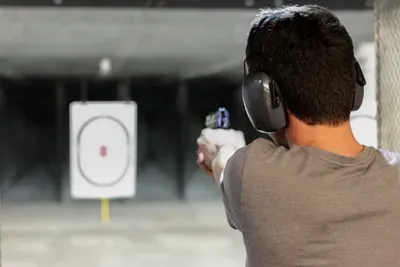
Finding credible firearm training resources is more important now than ever, as responsible
firearm ownership requires knowledge, skill, and a commitment to safety. With approximately
400 million firearms owned by American citizens, the need for proper education and training
cannot be overstated. Whether you are a first-time gun owner eager to understand the basics or
a seasoned enthusiast looking to refine your skills, selecting the right training resource is
crucial. In an era filled with countless options—from local academies to online
courses—navigating the vast landscape of training opportunities can be overwhelming. This
guide aims to equip you with the insights and tools necessary to choose a training program that
not only meets your unique needs but also fosters a culture of safety and respect for our
Second Amendment rights.
Understanding the Importance of Reliable Firearm
Training
When it comes to firearm ownership, proper training is not just a recommendation; it's essential.
Reliable firearm training equips individuals with the necessary skills and understanding to
handle firearms safely and responsibly. Here are key reasons why training is vital:
- Safety First: Understanding how to handle and operate firearms safely can prevent
accidents and injuries.
- Legal Knowledge: Training often includes education about local laws and regulations
regarding firearm use and ownership, ensuring compliance.
- Enhanced Skills: Professional training helps sharpen shooting skills, improving accuracy
and confidence.
Characteristics of Credible Firearm Training Resources
Identifying credible firearm training resources is crucial for effective learning. Here are essential characteristics to consider when evaluating training options:
- Qualified Instructors: Look for programs led by certified professionals with teaching
credentials and relevant experience.
- Institutional Reputation: Research the academy's standing within the community.
Positive reviews and word-of-mouth recommendations can indicate quality.
- Clear Curriculum: A good training program should provide a transparent outline of what
topics and skills will be addressed.
Types of Firearm Training Resources
Various resources are available to individuals seeking firearm training, each with its own
advantages:
- Local Firearm Academies: Many cities have specialized academies that offer hands-on
classes. These sessions ensure personal instruction and a supportive environment.
- Online Courses: For those with busy schedules, flexible online training options can be
a great alternative. However, make sure they offer live components or practical
assessments.
- Community Workshops: Gun clubs and local organizations often host workshops,
providing a platform for low-cost training and community engagement.
How to Evaluate Firearm Training Resources
Finding credible firearm training resources involves careful evaluation. Consider the following
steps:
1. Contact Potential Trainers: Don’t hesitate to ask questions about their experience,
teaching style, and curriculum.
2. Check Credentials: Verify the instructors’ certifications and backgrounds to ensure they
are qualified.
3. Seek Affiliations: Look for connections to recognized organizations such as the National
Rifle Association (NRA) or other reputable firearm training institutions.
For more comprehensive information about firearm training, you can explore the NRA's training
resources which provide a wealth of knowledge and opportunities to enhance your skills
responsibly.
Common Pitfalls in Firearm Training Resource Selection
Identifying and avoiding common pitfalls can protect you from poor training choices:
- Unqualified Instructors: Beware of trainers without proper credentials or certifications.
- Negative Reviews: Keep an eye out for consistently negative feedback from former
students.
- Too Good to Be True Offers: If a training option seems excessively cheap or promises
rapid expertise without a solid foundation, exercise caution.
By prioritizing reliable firearm training resources, you can not only enhance your skills but also
foster a responsible approach to firearm ownership, underscoring the value of our Second
Amendment rights.
Resources for Finding Credible Firearm Training
When embarking on the journey of finding credible firearm training resources, leveraging
various tools and communities can greatly enhance your options. Here are some effective
methods to consider:
- Online Directories: Websites that specialize in firearm training, such as industry directories,
can help you find local instructors and schools.
- Firearm Forums and Communities: Engaging with online forums dedicated to firearm
enthusiasts can yield valuable recommendations. Members often share personal
experiences and insights about different training resources.
- Local Gun Shops and Ranges: Many gun shops and shooting ranges offer training
programs or can direct you to reputable instructors in your area. Building relationships in
these spaces can also lead to networking opportunities for training.
Evaluating Available Resources
Not all training resources are created equal, so careful evaluation is necessary. Here are some
factors to help you assess potential training options:
- Instructor Background: Look for instructors with a strong background in military or law
enforcement, as they typically provide high-quality training.
- Curriculum Depth: Check if the curriculum covers a wide range of topics, including
safety, maintenance, and defensive shooting techniques.
- Student Feedback: Take time to read reviews and testimonials. Positive feedback from
previous students is a solid indicator of the resource's quality.
Networking and Getting Recommendations
Seeking recommendations from trusted sources can significantly enhance your chances of
finding credible firearm training resources. Consider these strategies:
- Ask Friends and Family: If you know others who are experienced in firearms, ask for
their recommendations based on their training experiences.
- Join Local Clubs: Becoming a member of a shooting or hunting club can expose you to
community knowledge and respected instructors.
- Social Media Groups: Consider joining Facebook groups or other social media platforms
where firearm enthusiasts congregate. These communities frequently discuss and
recommend training programs.
By utilizing these strategies for finding credible firearm training resources, you can ensure that
you receive quality education that not only enhances your skills but also promotes safety and
responsibility. For further guidance on recommended instructors and training paths, check out
the US Concealed Carry Association, which offers information and resources tailored to
responsible firearm ownership.
Common Pitfalls in Firearm Training Resource
Selection
When searching for credible firearm training resources, it's vital to be aware of common pitfalls
that can lead you astray. Understanding these potential pitfalls can help you make informed
decisions and choose quality training options.
Warning Signs of Unreliable Training
Be vigilant about the following red flags when assessing firearm training resources:
- Lack of Credentials: Ensure that instructors possess necessary certifications and
qualifications. If they are vague about their credentials, it’s a warning sign.
- Negative Feedback: Always check online reviews and ratings. A pattern of negative
experiences from past students can indicate a lack of professionalism or reliability.
- No Structured Curriculum: Credible training programs should provide clear outlines of
what you'll learn. If the curriculum appears disorganized or non-existent, consider looking
elsewhere.
Importance of Choosing a Reputable Source
Selecting a reputable source for firearm training not only enhances your skills but also
emphasizes safe practices. A reliable training instructor will:
- Promote Safety: Understanding safety measures is foundational to responsible firearm
ownership. Reputable training emphasizes this aspect throughout the course.
- Provide Comprehensive Knowledge: Effective training covers a well-rounded set of
topics, including legal considerations, firearm operation, and maintenance.
- Encourage Respect for Firearms: Quality resources instill a sense of respect for
firearms and their potential, creating a responsible mindset among students.
Avoiding Quick Fixes
While it may be tempting to choose courses that promise quick results or low prices, workouts
on your skills should not be rushed. Here are a few tips to avoid quick fix pitfalls:
- Take Your Time: Invest the necessary time in learning to ensure thorough understanding
and skill development.
- Do Your Research: Don’t settle for the first option you find. Take the time to compare
multiple resources and their offerings.
Finding credible firearm training resources is an investment in your safety and proficiency. By
avoiding common pitfalls and carefully evaluating your options, you can select training that not
only meets your needs but also fosters a culture of safety in firearm ownership. For more
insights into responsible firearm training, visit the National Shooting Sports Foundation, which
offers extensive resources for both beginners and experienced owners alike.
Conclusion: Prioritizing Quality in Firearm Training
Resources
In your pursuit of finding credible firearm training resources, the emphasis should always be on
quality, safety, and a holistic understanding of firearm ownership. Engaging in responsible
training not only empowers you with practical skills but also fosters a greater appreciation for the
responsibility that comes with handling firearms.
Key Takeaways
- Safety is Paramount: The primary goal of any training should be to promote safe firearm
handling practices. This protects not only you but everyone around you.
- Invest in Comprehensive Learning: Ensure that training encompasses not only
shooting techniques but also legal knowledge, maintenance, and safety protocols.
- Build a Support Network: Connect with fellow firearm enthusiasts and training
communities, as they can provide insight and recommendations for reputable resources.
Moving Forward
As you embark on your journey to become a proficient and responsible firearm owner,
remember that due diligence is crucial. Research thoroughly, ask questions, and don’t hesitate
to seek out multiple opinions when evaluating training resources. Ultimately, this will ensure that
you make an informed decision aligned with your personal safety goals and values.
For further information and resources to enhance your firearms training experience, consider
exploring the offerings from the American Shooting Sports Foundation, a reputable organization
dedicated to promoting safe shooting practices and education.
By taking the time to invest in credible firearm training resources, you are not just learning to
shoot; you are embracing a lifestyle that values safety, responsibility, and respect for the Second
Amendment.
Understanding the Training Landscape
As you delve into finding credible firearm training resources, it is essential to understand the
broader training landscape, which includes different types of training methods and philosophies.
This understanding not only helps you identify what aligns best with your learning style but also
ensures you receive comprehensive instruction.
Types of Firearm Training
There are several types of firearm training that cater to various needs and skill levels:
- Basic Firearm Safety Courses: Ideal for beginners, these courses focus on
understanding the fundamentals of firearm safety, handling, and storage practices.
- Intermediate and Advanced Courses: For those who already have some experience,
these classes delve deeper into techniques such as defensive shooting, competitive
shooting, and tactical scenarios.
- Specialized Training Programs: These might include training for law enforcement,
military-style tactical courses, or self-defense classes that integrate firearms into
scenarios.
Finding the Right Fit
Choosing the right training resource is crucial for maximizing your learning experience. Here are
a few tips to ensure you find a program that suits your needs:
1. Assess Skill Level: Understand your current skill level and look for courses specifically
designed for that stage to ensure you receive appropriate training.
2. Inquire About Class Size: Smaller class sizes often provide more personal attention,
which can be beneficial for hands-on training.
3. Evaluate the Training Environment: A supportive, well-maintained training environment
can enhance your learning experience. Take a tour, if possible, before committing.
The Impact of Quality Training
Quality training resources contribute significantly to your development as a responsible firearm
owner. They instill vital skills that affect:
- Competence: Training enhances your ability to operate firearms safely and effectively.
- Confidence: Knowledge gained from credible resources builds confidence, essential for
recreational shooting or self-defense.
- Community Engagement: Being part of a reputable program often connects you with
other responsible firearm owners, fostering a sense of community.
In your journey toward finding credible firearm training resources, remember that it’s a process
that requires careful consideration and research. For further information on credible training
pathways, you can visit the National Rifle Association's Training and Safety page, which
provides a wealth of resources tailored to various skill levels and interests.
Characteristics of Effective Firearm Training Programs
When you're in the process of finding credible firearm training resources, it’s essential to
recognize the characteristics that distinguish effective training programs. Understanding these
traits can help you make educated choices and ensure you are investing your time and
resources wisely.
Key Characteristics to Look For
1. Certified Instructors:
Quality programs feature instructors with relevant certifications and extensive experience.
Check whether they are certified by reputable organizations like the National Rifle
Association (NRA) or similar entities.
2. Well-Structured Curriculum:
A comprehensive curriculum should cover an array of subjects that include safety, legal
issues, technical skills, and marksmanship. A clear outline of what to expect aids in
setting personal learning objectives.
3. Positive Class Feedback:
Look for programs with positive testimonials and feedback from past participants. This
feedback can provide insights into the teaching style and the effectiveness of the
program.
4. Hands-On Training:
Effective training should prioritize practical experience alongside theoretical knowledge.
Simulated scenarios and live-fire exercises help build confidence and competence.
5. Continuous Evaluation:
A valuable training program frequently assesses participants' skills and knowledge
through drills, tests, or practical evaluations, allowing for personalized improvement plans.
Questions to Ask Potential Training Resources
Before committing to any program, consider asking the following questions:
- What certifications do the instructors hold?
- Can you provide a syllabus or overview of the curriculum?
- What is the average class size?
- Are there opportunities for one-on-one instruction?
- What kinds of feedback mechanisms are in place for ongoing improvement?
By focusing on these characteristics and inquiries, you are more likely to uncover credible
firearm training resources that truly meet your needs. For additional information about safe and
effective firearm training methods, visit the U.S. Concealed Carry Association, a trusted
organization that offers extensive resources on firearm safety and education tailored to
responsible ownership.
Types of Firearm Training Resources Available
When embarking on the journey of finding credible firearm training resources, it's vital to
understand the various types of programs available. Each type caters to different skill levels,
preferences, and training goals, allowing you to choose the best fit for your needs.
Different Training Formats
1. In-Person Training Courses:
○ Overview: These are traditional hands-on classes led by trained instructors. They
often take place at shooting ranges or specialized training facilities.
○ Benefits:
■ Immediate feedback from instructors
■ Structured learning environment
■ Networking opportunities with other participants
2. Online Courses:
○ Overview: Online training programs offer flexibility, allowing participants to learn at
their own pace. These can include video lessons, quizzes, and interactive modules.
○ Benefits:
■ Convenience and accessibility
■ Often less expensive than in-person courses
■ Ability to revisit materials as needed
3. Workshops and Seminars:
○ Overview: Short, focused sessions that dive into specific topics, such as
self-defense tactics or rifle marksmanship. These are typically conducted by
experienced trainers or expert shooters.
○ Benefits:
■ High-intensity learning in a compact timeframe
■ Opportunity to specialize in a particular area
■ Networking with experts in the field
4. Private Lessons:
○ Overview: One-on-one training sessions tailored to an individual’s specific needs,
skills, or concerns.
○ Benefits:
■ Highly personalized instruction
■ Flexibility in scheduling and content
■ Focused attention to address personal weaknesses
Choosing the Right Type for You
When considering which training resource to pursue, reflect on the following:
- Learning Style: Do you prefer hands-on instruction, or are you comfortable with online
modules?
- Time Commitment: How much time can you realistically dedicate to training?
- Skill Level: Are you a complete beginner, or do you have some experience that you want
to build upon?
By taking the time to evaluate the types of training resources available, you can make informed
decisions that support your journey in finding credible firearm training resources suited to your
objectives. For a comprehensive array of training options, check out the National Shooting
Sports Foundation, which provides valuable insights and resources tailored to varied firearm
training needs.
What should I look for in a firearm training instructor?
When selecting a firearm training instructor, it’s important to check their qualifications,
certifications, and experience. Look for instructors who are certified by reputable organizations,
have relevant teaching experience, and demonstrate a commitment to safety and responsible
firearm handling. Reading reviews or testimonials can also provide insights into their
effectiveness and teaching style.
How can I determine if a training resource is credible?
To assess the credibility of a firearm training resource, investigate the qualifications of the
instructors, read reviews from past participants, and look for affiliations with recognized
organizations in the firearms industry. Additionally, a credible program should have a clear,
well-structured curriculum that emphasizes safety and thorough education.
Are online firearm training courses effective?
Yes, online firearm training courses can be effective, particularly for theoretical knowledge and
foundational concepts. However, it’s essential that they include interactive components, practical
assessments, or opportunities for real-world application to enhance learning. Ensure the
platform offers thorough content and is led by qualified instructors to maximize effectiveness.
How often should I refresh my firearm training?
It is recommended to refresh your firearm training at least annually, especially regarding aspects
such as safety, legal changes, and new techniques. Regular practice and training not only
reinforce skills but also help you stay informed about evolving best practices and regulations in
firearm ownership.
Is firearm training necessary for new gun owners?
Absolutely. Firearm training is crucial for new gun owners to ensure they understand safe
handling, operation, and maintenance of their firearms. Comprehensive training helps build
confidence, promotes responsible ownership, and reduces the risk of accidents, making it
essential for anyone considering firearm ownership.
Tags: Tactical Training, Firearm Safety Courses, Gun Training Reviews
Latest Blog & Articles
The Ultimate Guide to Defensive Handgun Training in Colorado
In an increasingly uncertain world, mastering defensive handgun training is essential for responsible gun ownership and personal safety. Co…
Read more →
Best Practices for Defensive Handgun Training: A Comprehensive Guide
In a world where personal safety is increasingly vital, mastering defensive handgun training is essential for anyone considering firearm ow…
Read more →
The Ultimate Guide to Firearm Training Courses in El Paso County, Colorado
In an age where firearm safety and education are paramount, Colorado Boots is proud to provide the definitive guide to firearm training cou…
Read more →