
Expert Tips On How To Become Proficient In Firearm Usage
July 22, 2025 · Advanced Firearm Training / Shooting Skills / Firearm Safety and Proficiency
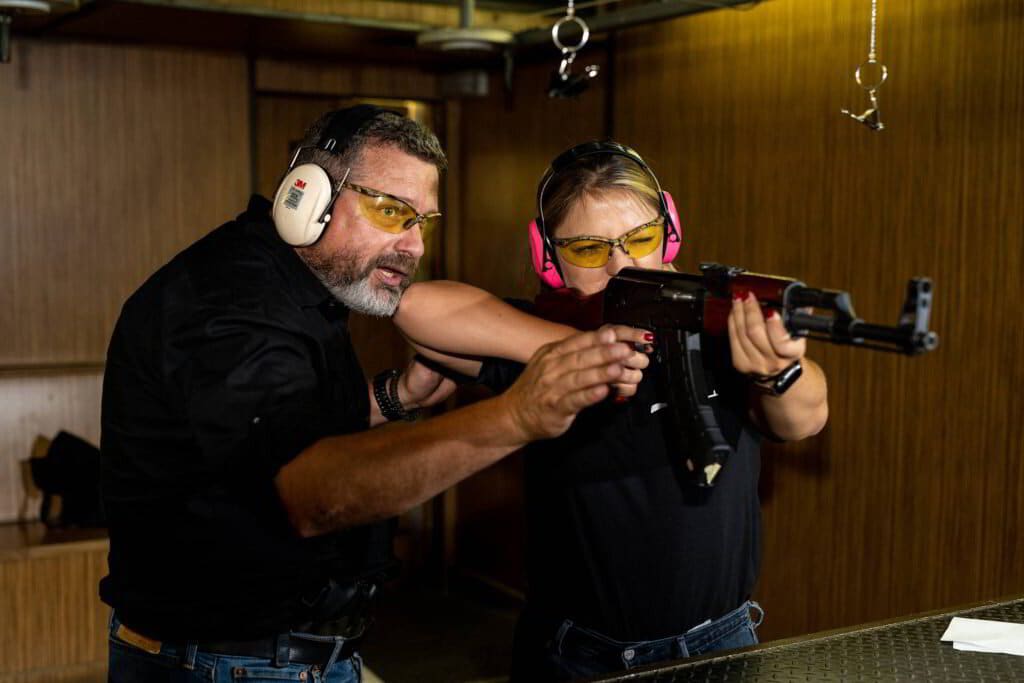
How to become proficient in firearm usage is a goal shared by many individuals, whether for
self-defense, sport, or hobby. With approximately 393 million civilian-owned firearms in the
United States, developing the skills to handle these tools safely and effectively is more crucial
than ever. But where do you start? Mastering firearm usage involves a commitment to
education, practice, and understanding the legalities and responsibilities that accompany gun
ownership. From choosing the right firearm to honing your marksmanship and mental
preparedness, this guide will explore the essential steps to elevate your shooting skills and
foster a deep appreciation for the rights that come with responsible firearm use.
Understanding Firearm Safety Principles
Firearm safety is the cornerstone of responsible gun ownership and usage. Before diving into
how to become proficient in firearm usage, it's essential to understand and implement
fundamental safety principles. These principles ensure the safety of the shooter, those around
them, and the community at large.
Importance of Safety in Firearm Usage
Safety should always be the top priority when handling firearms. Understanding the risks
associated with firearm use promotes a culture of responsibility among gun owners. Adhering to
safety guidelines minimizes accidents, ensuring that the right to bear arms is preserved and
respected.
Core Safety Rules to Follow
To establish a solid foundation in firearm safety, adhere to these core rules:
- Always Treat the Firearm as if it is Loaded: This principle encourages constant
vigilance, ensuring a safe approach to handling firearms.
- Never Point a Firearm at Anything You Do Not Intend to Shoot: Awareness of your
surroundings is crucial in preventing accidental discharges.
- Keep Your Finger Off the Trigger Until Ready to Shoot: Accidental discharges can
occur if fingers are placed on triggers unnecessarily.
- Know Your Target and What is Beyond It: Understanding what is behind your target
helps prevent injuries to unintended individuals.
Importance of Respecting Firearms
Treating firearms with respect is vital for becoming proficient in their usage. This respect fosters
a responsible mindset, which is critical in both training and real-world scenarios. A responsible
attitude includes being aware of the legalities surrounding firearm ownership and usage in your
location.
For additional resources on firearm safety, visit the National Shooting Sports Foundation at
nssf.org.
By grasping the importance of safety and adhering to these foundational principles, aspiring
shooters prepare themselves for a journey toward proficiency in firearm usage.
Selecting the Right Firearm
Choosing the right firearm is a critical step in how to become proficient in firearm usage. The
type of firearm you select directly impacts your learning experience and your ability to handle
the weapon safely and effectively. Whether you’re a beginner or have some experience,
understanding the options available can help you make an informed decision.
Factors to Consider When Choosing a Firearm
When selecting a firearm, keep these key factors in mind:
- bConsider whether you need the firearm for self-defense, sport shooting,
or hunting.
- Size and Weight: Find a firearm that feels comfortable and manageable in your hands.
Heavier guns may offer more stability, while lighter models may be easier to handle.
- Caliber: Different calibers affect recoil and shooting experience. Choose one that
matches your comfort level and intended use.
- Action Type: Familiarize yourself with different action types, such as semi-automatic,
revolver, and bolt-action, to determine what works best for you.
Types of Firearms for Beginners
For those just starting in the shooting sports, certain firearms are more beginner-friendly. Here
are a few recommendations:
- .22 LR Pistol or Rifle: This low-recoil option is excellent for practicing basic
marksmanship skills without the intimidation of larger calibers.
- 9mm Handgun: Widely recognized for blend of manageable recoil and availability, a 9mm
is a solid choice for self-defense and target shooting.
- Shotgun: Great for both home defense and sport shooting, shotguns offer versatility and
ease of use for new shooters.
Recommendations for Personal Defense
If your goal is personal defense, consider firearms that are specifically designed for this
purpose, such as:
- Compact Pistols: These are easier to conceal, facilitating effective personal defense
situations.
- Revolvers: Known for their reliability, revolvers are also easier to operate for those
unfamiliar with semi-automatic mechanisms.
To explore a wide range of firearms and get expert advice, check out Cabela's for a
comprehensive selection.
By carefully selecting the appropriate firearm, you lay the groundwork for achieving proficiency
and confidence in your shooting skills.
Essential Gear and Accessories
Having the right gear and accessories is essential for anyone looking to improve their skills. The
right equipment not only enhances your experience but also contributes to safety and efficiency
in how to become proficient in firearm usage.
Firearm Maintenance Tools
Proper maintenance of your firearm is crucial for reliable performance. Here are some essential
tools to keep your firearm in top condition:
- Cleaning Kit: A complete cleaning kit includes brushes, rods, and cleaning patches to
remove residue after shooting.
- Lubricants and Oils: Regular application of appropriate lubricants ensures smooth
operation of moving parts.
- Gun Case: A sturdy, protective case safeguards your firearm during transportation and
storage.
Recommended Safety Gear (Ear and Eye Protection)
When practicing or participating in training sessions, always use safety gear to protect yourself:
- Ear Protection: Options include earplugs and earmuffs to minimize noise exposure
during shooting.
- Safety Glasses: Impact-resistant glasses protect your eyes from flying debris and shell
casings.
Importance of Proper Storage Solutions
Safe storage of firearms is a non-negotiable aspect of responsible firearm ownership. Here are
several storage options:
- Gun Safes: Investing in a quality gun safe is the best way to ensure security and prevent
unauthorized access, especially in homes with children.
- Lockboxes: For those who require quick access while maintaining security, lockboxes
offer a more portable storage alternative.
- Trigger Locks: While not a substitute for proper storage, trigger locks add an extra layer
of safety by preventing accidental discharges.
For a comprehensive selection of firearm accessories and gear, you can explore MidwayUSA.
Equipping yourself with the right tools and safety gear will enhance your training experience and
significantly contribute to your journey in becoming proficient in firearm usage.
Enrolling in Structured Training
Structured training is one of the most effective ways to advance your skills in how to become
proficient in firearm usage. Professional instructors can provide valuable insights and create a
solid foundation for your shooting capabilities.
Benefits of Professional Firearm Instruction
Engaging with certified instructors offers numerous advantages:
- Expert Guidance: Instructors can tailor lessons based on your individual skill level,
ensuring a personalized learning experience.
- Safety Awareness: Professional training emphasizes safety, teaching you to handle
firearms responsibly.
- Structured Learning: Courses typically cover essential topics systematically, allowing for
a progressive buildup of skills.
Types of Courses Available
When looking for training, consider the various types of courses offered:
- Basic Firearm Safety Courses: Ideal for beginners, these courses cover the essentials
of gun safety and handling.
- Marksmanship Classes: Focused on precision shooting, these classes enhance your
accuracy and overall shooting technique.
- Defensive Shooting Courses: These classes prepare you for real-world scenarios,
emphasizing quick decision-making and situational awareness.
Finding the Right Academy or Instructor
Choosing the right training academy or instructor can significantly affect your learning
experience:
- Check Credentials: Look for instructors with recognized certifications and positive
reviews.
- Visit Local Ranges: Many shooting ranges offer training programs and can recommend
qualified instructors.
- Ask About Curriculum: Discuss the curriculum and ensure it aligns with your goals and
expectations.
To find a reputable training center, you might consider visiting Gander Outdoors for class
schedules and additional resources.
By enrolling in structured training, you will not only enhance your firearm handling skills but also
ensure a solid foundation for responsible gun ownership.
Practicing Regularly
Regular practice is the cornerstone of mastering any skill, and this holds true for how to become
proficient in firearm usage. Consistency in practice not only builds muscle memory but also
enhances confidence and familiarity with your firearm.
Importance of Consistency in Training
Consistent practice leads to improved performance in the following ways:
- Skill Reinforcement: Regular use helps reinforce necessary techniques, making them
more intuitive over time.
- Confidence Building: The more you practice, the more confident you become in your
abilities—both in handling the firearm and in situational situations.
- Performance Monitoring: Frequent practice allows you to monitor your progress and
make adjustments to your technique as needed.
Setting a Practice Schedule
Creating a structured practice schedule can help you achieve your training goals. Consider
these tips:
- Set Realistic Goals: Start with achievable short-term goals that progressively lead to
your long-term objectives.
- Frequency: Aim for a specific number of practice sessions per week, consistent with your
schedule and availability.
- Duration: Each session should have a set duration, balancing between adequate practice
and avoiding burnout. Even short sessions can be beneficial if focused.
Different Drills to Improve Skill Level
Incorporating various drills into your practice can accelerate your proficiency:
- Dry Fire Drills: Practicing trigger control and sight alignment without live ammunition
enhances muscle memory and reduces flinching.
- Target Shooting: Focus on accuracy by setting up different targets at varying distances.
- Timed Courses: Incorporate drills that simulate real-life scenarios, where you shoot
within a specific time frame to enhance speed and decision-making.
For comprehensive training aids and targets, check out Brownells for a wide range of shooting
supplies.
By establishing a regular practice routine and consistently engaging in different exercises, you
will significantly enhance your proficiency in firearm usage, ensuring both safety and skill
development.
Understanding Marksmanship Fundamentals
Marksmanship is a crucial aspect of how to become proficient in firearm usage. Mastering its
fundamentals not only improves accuracy but also enhances overall confidence when handling
a firearm. Understanding these key elements will form the foundation of your shooting skills.
Key Elements of Accurate Shooting
To become a skilled marksman, focus on the following fundamental components:
- Stance: A steady and balanced stance provides a solid foundation. Stand with your feet
shoulder-width apart, and angle your body slightly to the target.
- Grip: A firm yet relaxed grip on the firearm is essential. Ensure that your hands align
properly and avoid squeezing too tightly, as this can affect accuracy.
- Sight Alignment: Properly align your front and rear sights to acquire your target
accurately. This alignment is crucial for precision shooting.
- Trigger Control: Smoothly pulling the trigger without disturbing your aim is vital. Practice
a gentle squeeze to avoid flinching during the shot.
Common Mistakes to Avoid
Even experienced shooters can fall into traps that lead to inconsistent performance. Here
are some common mistakes to watch out for:
- Overgripping the Firearm: Excessive tension can lead to shakes and compromised
accuracy.
- Poor Breathing Techniques: Holding your breath can lead to muscle tightness—breathe
steadily to keep your body relaxed.
- Jerking the Trigger: Sudden movements can throw off your aim. Focus on a slow and
controlled pull when firing.
To further hone your marksmanship skills and receive expert tips, consider visiting Sig Sauer for
resources and instructional materials.
By concentrating on these marksmanship fundamentals, you will build the skills necessary to
progress toward becoming proficient in firearm usage, ensuring both safety and accuracy in
your shooting endeavors.
Learning Different Shooting Techniques
To truly excel in how to become proficient in firearm usage, it's essential to learn various
shooting techniques. Each technique has its benefits and is suited for different scenarios,
whether for self-defense, sport shooting, or competitive events. Understanding these techniques
allows for greater adaptability and confidence in various situations.
Overview of Shooting Styles
Here’s a breakdown of different shooting styles you should familiarize yourself with:
- Pistol Shooting: This involves using handguns and is popular for self-defense and sport
competitions. Key techniques include aiming, grip, and trigger pull.
- Rifle Shooting: Often used for hunting and sport shooting, rifle shooting emphasizes
long-range accuracy. Techniques involve breath control and focusing on sight alignment.
- Shotgun Shooting: Common in hunting and clay shooting, shotguns require different
aiming methods, such as leading moving targets and utilizing the shotgun's spread
pattern.
Importance of Adaptability in Shooting Situations
Each shooting scenario may require different skills and techniques. Here are a few reasons why
adaptability is crucial:
- Varied Environments: Situations can range from indoor ranges to outdoor settings,
requiring different levels of technique and precision.
- Dynamic Threats: Real-life encounters can unfold unexpectedly; being familiar with
various techniques allows for quick and effective responses.
- Personalized Goals: Whether you’re practicing for competition or self-defense, adaptable
techniques help meet specific needs when progressing.
Training for Different Scenarios
To become proficient, ensure your training includes various scenarios:
- Static Shooting Drills: Focus on accuracy from fixed positions, enhancing your
fundamental skills.
- Movement Drills: Incorporate moving targets or practice shooting while in motion, as real
situations often demand changes in position.
- Low-Light Shooting: Train under low-light conditions to prepare for nighttime scenarios,
where visibility differs markedly.
For resources on training equipment and techniques, consider checking out Academy Sports +
By embracing diverse shooting techniques and training in various scenarios, you will
significantly enhance your proficiency in firearm usage, preparing you for any situation you may
encounter.
Mental Preparedness and Situational Awareness
Mental preparedness and situational awareness are critical components of how to become
proficient in firearm usage. Being mentally equipped can greatly influence decision-making and
performance during high-pressure situations, such as self-defense or competitive events.
Building Mental Resilience for Firearm Usage
Mental resilience refers to the ability to cope with stress and remain calm under pressure. Here
are some strategies to strengthen your mental preparedness:
- Visualization Techniques: Imagine yourself successfully navigating various shooting
scenarios. Visualization helps build confidence and reduces anxiety.
- Breathing Exercises: Practicing deep-breathing techniques can help calm nerves before
shooting activities, improving focus and concentration.
- Stress Inoculation Training: Expose yourself to controlled stress situations during
training. This process helps you become accustomed to high-pressure environments.
Importance of Situational Awareness
Situational awareness involves recognizing and understanding your surroundings and potential
threats. It’s essential for safe and effective firearm usage. Focus on the following elements:
- Observation Skills: Train yourself to notice details and changes in your environment,
such as people’s movements or objects that may present hazards.
- Threat Assessment: Learn to evaluate situations quickly and accurately. This includes
recognizing potential dangers and determining appropriate responses.
- Decision-Making: Your ability to make quick and effective decisions can determine the
outcome of a potentially dangerous scenario. Practice scenarios regularly to hone this
skill.
Strategies to Stay Calm Under Pressure
Remaining composed is crucial when faced with unexpected situations. Consider these
strategies:
- Routine Practice: Regular training creates familiarity and builds confidence, making it
easier to remain calm during high-stress scenarios.
- Focus on Essentials: Concentrate on the fundamentals of shooting, such as stance,
grip, and trigger control, which can help guide your decisions when anxious.
- Reflective Debriefing: After each training session, take time to reflect on your
performance. Identify areas of improvement and acknowledge your successes.
For tools and resources to improve your mental preparedness, check out Mindful Shooting for
expert insights and techniques.
By enhancing your mental preparedness and developing situational awareness, you lay a solid
foundation for becoming proficient in firearm usage, empowering yourself to handle real-world
challenges effectively.
Joining a Community for Support
Engaging with a community of fellow firearm enthusiasts is a crucial factor in how to become
proficient in firearm usage. Joining a supportive network not only fosters growth but also
provides valuable resources and shared experiences that can enhance your skills and
knowledge.
Benefits of Connecting with Fellow Firearm Enthusiasts
Being part of a firearm community offers numerous advantages:
- Shared Knowledge: Benefit from the experiences and insights of others. Community
members often have different backgrounds and skills that can enrich your learning
process.
- Motivation and Encouragement: Surrounding yourself with like-minded individuals can
inspire you to practice more consistently and push your limits.
- Opportunities for Practice: Many communities organize shooting events, practice
sessions, and competitions, allowing for practical experience in a supportive environment.
Finding Local Shooting Clubs or Online Forums
To connect with others interested in firearm usage, consider these options:
- Local Shooting Ranges: Many ranges have memberships or clubs where firearms
enthusiasts meet regularly. This is a perfect opportunity to engage with fellow shooters.
- Online Forums: Websites such as Reddit and specialized firearm forums provide
platforms for discussion, sharing tips, and asking questions. Joining these can help you
learn from a larger audience.
- Social Media Groups: Platforms like Facebook often host groups focused on firearm
training and communities. Search for local or interest-specific groups to find people near
you.
Sharing Knowledge and Learning Together
Collaborative learning is an excellent way to improve your skills:
- Participate in Workshops: Attend workshops organized by community members to learn
specific skills or techniques from experienced instructors.
- Organize Practice Sessions: Collaborate with others to set up practice sessions where
you can work on drills together and get feedback.
- Mentorship Opportunities: Seek out experienced shooters willing to mentor you. Their
guidance can lead to accelerated learning and skill development.
For resources on finding clubs and community connections, visit NRA Instructors for listings of
classes and events.
By actively participating in a shooting community, you’ll enhance not only your firearm skills but
also your enthusiasm for responsible gun ownership, fostering a sense of camaraderie among
fellow enthusiasts on the journey to becoming proficient in firearm usage.
Continuing Education and Advanced Training
To truly master the art of firearm usage, ongoing education and advanced training are essential
components of how to become proficient in firearm usage. As you progress, seeking further
knowledge and specialized training can significantly enhance your skills and keep you informed
about the latest techniques and safety practices.
Importance of Lifelong Learning in Firearm Proficiency
Embracing a mindset of lifelong learning ensures that you stay updated and continually improve.
Here are some key reasons for prioritizing ongoing education:
- Adaptation to New Techniques: Firearm technology and training methods evolve.
Continuous education helps you adopt the latest strategies and tools.
- Increased Safety Awareness: Advanced training often includes updated safety protocols
and regulations, ensuring you are practicing responsibly.
- Enhanced Skill Development: Engaging in advanced classes or seminars allows for
deeper training in specific areas, such as tactical shooting or defensive firearm use.
Options for Advanced Skill Development
Consider the following avenues when seeking advanced training:
- Advanced Marksmanship Courses: These courses build on your foundational skills and
include more complex drills and scenarios.
- Tactical Shooting Classes: Focused on real-world applications, these classes teach
techniques for high-pressure situations, including movement and cover tactics.
- Specialized Training for Self-Defense: Courses geared toward self-defense survival ca
help you prepare for unpredictable situations that may require a quick response.
Staying Informed on Laws and Best Practices
Firearm laws and regulations vary greatly from one region to another, making it essential to stay
informed. Consider these steps:
- Regularly Check State and Local Regulations: Familiarize yourself with changing laws
regarding firearm usage and ownership in your area.
- Attend Seminars and Workshops: Many organizations offer workshops on legal aspects
and responsibilities surrounding firearms.
- Engage with Legal Experts: Consult with instructors or legal professionals who
specialize in firearm law to gain a comprehensive understanding of your rights and
responsibilities.
For access to a variety of training resources and courses, visit Active Self Protection for expert
content on defensive strategies and education.
By committing to continuing education and advanced training, you not only improve your
proficiency in firearm usage but also uphold the responsibilities of being a knowledgeable and
safe gun owner.
What are the basic safety rules for handling firearms?
When handling firearms, it’s vital to follow basic safety rules to ensure the safety of yourself and
others. These include treating every firearm as if it is loaded, keeping your finger off the trigger
until you're ready to shoot, never pointing the gun at anything you do not intend to shoot, and
being aware of your target and what lies beyond it. Practicing these safety rules consistently is
essential for responsible firearm usage.
How often should I practice to improve my firearm skills?
To improve your firearm skills, consistency is key. Ideally, you should aim to practice at least
once a week. Regular practice not only reinforces essential techniques but also helps build
muscle memory and confidence. If weekly visits to a range aren’t feasible, even short practice
sessions at home, such as dry firing, can be beneficial in maintaining your skills between trips to
the range.
What type of training should a beginner pursue?
Beginners should start with basic firearm safety courses that cover the fundamentals of handling
and operating a firearm. Once comfortable with the basics, pursuing marksmanship training or
attending a structured shooting class is recommended. These courses provide a solid
foundation in technique and safety, helping beginners develop confidence and proficiency in
firearm usage.
How can I enhance my mental preparedness for shooting?
Enhancing mental preparedness for shooting can be achieved through various techniques.
Visualization can help you mentally rehearse successful shooting scenarios, while breathing
exercises can calm nerves before shooting. Additionally, stress inoculation training, where you
simulate stressful situations during practice, can build resilience and help you respond more
effectively under pressure.
Why is ongoing education important in firearm training?
Ongoing education in firearm training is crucial because it ensures that you remain informed
about the latest techniques, safety practices, and legal regulations. As firearm technologies and
training methodologies evolve, continued education helps you adapt and improve your skills.
Moreover, staying updated promotes responsible gun ownership and reinforces a culture of
safety and accountability among firearm users.
Tags: Shooting Techniques, Gun Training, Firearm Proficiency
Latest Blog & Articles
The Ultimate Guide to Defensive Handgun Training in Colorado
In an increasingly uncertain world, mastering defensive handgun training is essential for responsible gun ownership and personal safety. Co…
Read more →
Best Practices for Defensive Handgun Training: A Comprehensive Guide
In a world where personal safety is increasingly vital, mastering defensive handgun training is essential for anyone considering firearm ow…
Read more →
The Ultimate Guide to Firearm Training Courses in El Paso County, Colorado
In an age where firearm safety and education are paramount, Colorado Boots is proud to provide the definitive guide to firearm training cou…
Read more →