
Essential Hunting Safety Courses For Every Outdoor Enthusiast
July 8, 2025 · Outdoor Safety / Hunting Training / Wildlife Education
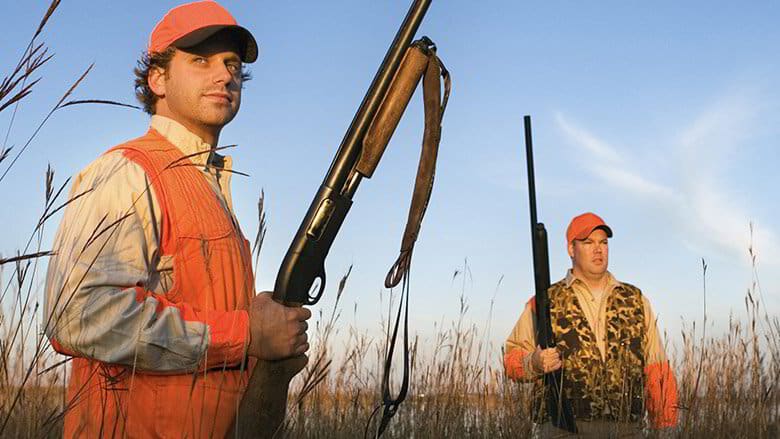
Hunting safety courses are essential for anyone looking to enjoy a safe and responsible outdoor
experience. Did you know that over 1,000 hunting-related accidents occur annually in the United
States, many of which could have been prevented with proper training? Whether you're a
seasoned hunter revisiting the fundamentals or a beginner eager to learn the ropes, these
courses provide invaluable knowledge that not only protects you but also helps preserve the
environment and wildlife. Understanding firearm safety, ethical hunting practices, and legal
regulations are vital components covered in these courses, ensuring that every hunt is not only
enjoyable but also responsible. In this blog post, we will explore the various aspects of hunting
safety courses, their benefits, and how they can enhance your hunting experience.
Understanding the Importance
of Hunting Safety Courses
Hunting is a cherished tradition for many outdoor enthusiasts, but safety must always be a
priority. Engaging in hunting without proper training can be dangerous not just for the hunter but
for those around them. This is where hunting safety courses come into play, emphasizing the
need for education and responsible practices.
The Role of Safety in Hunting
Safety courses provide a fundamental understanding of responsible hunting. Here's why they're
essential:
- Risk Reduction: Proper training reduces the likelihood of accidents, promoting a safer
hunting environment for everyone.
- Legal Compliance: Many states require completion of hunting safety courses before
issuing hunting licenses, ensuring that hunters are well-informed about laws and
regulations.
- Skill Development: These courses help hone essential skills that enhance a hunter's
ability to navigate the wilderness and operate firearms safely.
Legal Requirements and Regulations
Understanding the legal framework surrounding hunting is crucial for all hunters. Requirements
can vary by state, but typically include:
- Completion of State-Mandated Safety Courses: Most states require hunters, especially
those under a certain age, to complete certified hunting safety courses.
- Licensing: Some states will not issue a hunting license without proof of course
completion.
- Ethics and Conservation Education: Legal regulations often include components of
wildlife conservation, reinforcing responsible hunting practices and respect for nature.
By attending hunting safety courses, not only do hunters comply with legal requirements, but
they also equip themselves with the knowledge to respect the outdoors. For more information
on state-by-state requirements, you can visit the National Shooting Sports Foundation website.
Types of Hunting Safety Courses
When it comes to hunting safety courses, various options cater to different experience levels
and needs. Understanding these types ensures that every hunter can find a course that fits their
skills and goals.
Beginner Courses: Ideal for New Hunters
For those who are new to hunting, beginner courses play a vital role in laying the groundwork
for safe practices. These courses typically cover:
- Basic Firearm Operation: Introduction to the mechanics and handling of firearms.
- Safety Protocols: Understanding of essential safety rules, including how to handle guns
responsibly in the field.
- Wildlife Identification: Learning about local game and understanding their habitats and
behaviors.
Advanced Courses: Enhancing Skills for Experienced Hunters
Experienced hunters can benefit from advanced safety courses, which focus on refining skills
and knowledge. Key components include:
- Advanced Firearm Techniques: More detailed instruction on shooting accuracy,
marksmanship, and specialized firearms.
- Emergency Response Training: Planning for unforeseen circumstances, including first
aid and handling firearm malfunctions.
- Ethical Hunting Practices: Deepening understanding of conservation ethics and hunting
laws.
Specialized Courses: Focused Training for Specific Game
Specialized hunting safety courses address specific needs, such as hunting certain types of
game or operating specialized equipment. These may include:
- Bow Hunting Safety: Concentrating on unique aspects of bow hunting and its safety
concerns.
- Waterfowl Hunting Safety: Covering safety measures pertinent to waterfowl hunting,
including understanding water safety regulations.
Big Game Hunting: Focusing on protocols necessary for hunting larger game safely.
Taking the right hunting safety course not only enhances your skills and knowledge but also
ensures that you remain a responsible and ethical hunter. For additional course options and
details, check out the course offerings on the NRA's official website.
Key Topics Covered in Hunting
Safety Courses
Hunting safety courses are comprehensive educational programs that equip participants with
vital knowledge about safe and ethical hunting practices. Understanding the key topics covered
in these courses can help you appreciate their value and ensure that you are prepared for your
hunting adventures.
Firearm Safety Principles
A cornerstone of any hunting safety course is firearm safety. Participants learn essential
principles, including:
- Proper Handling: Techniques for safely handling and storing firearms.
- Range Safety Rules: Guidelines for maintaining a safe environment at shooting ranges
and in the field.
- Shooting Fundamentals: Basic marksmanship skills and techniques for shooting
accurately and safely.
Hunter Responsibility and Ethics
Courses emphasize the ethical responsibilities that come with being a hunter. This includes:
- Respect for Wildlife: Understanding the importance of conservation and sustainable
hunting practices.
- Fair Chase Principles: Ensuring that hunting methods promote fairness in hunting and
respect for the animals involved.
- Legal Compliance: Familiarization with hunting laws and regulations to ensure
compliance and support wildlife management efforts.
Wildlife Conservation and Preservation
Hunting safety courses often include a focus on conservation efforts, which is crucial for
responsible hunting. Topics covered may include:
- Ecosystem Impact: Educating hunters on the effects of hunting on local ecosystems.
- Sustainable Practices: Encouraging practices that support wildlife populations and
habitats.
- Conservation Laws: Information on laws protecting various species and their
environments.
By participating in hunting safety courses that cover these key topics, hunters not only ensure
their own safety but also contribute positively to the environment and hunting community. For a
more in-depth understanding of hunting practices, consider visiting the International Hunter
Education Association’s website.
How to Choose the Right
Hunting Safety Course
Selecting the appropriate hunting safety course is crucial to ensure that you receive the best
training tailored to your skill level and interests. Here's a guide to help you make an informed
decision when choosing hunting safety courses.
Evaluating Course Content and Focus
When looking for a hunting safety course, consider the content it covers:
- Basic vs. Advanced Topics: Ensure the course matches your current knowledge.
Beginners might need comprehensive courses, while experienced hunters might benefit
from advanced training.
- Specialization: If you’re interested in bow hunting or waterfowl hunting, look for courses
that specifically address these areas.
- Practical Skills: Check if the course includes hands-on training, which is invaluable for
building confidence in the field.
Instructor Qualifications and Experience
The quality of instruction can significantly impact your learning experience. Look for courses
with:
- Certified Instructors: Ensure the instructor has certifications from recognized
organizations.
- Experience Level: Instructors with field experience can provide real-world insights and
practical tips.
- Positive Reviews: Consider feedback from previous participants to gauge the
effectiveness of the instructor and course.
Course Format: In-Person vs. Online Options
Choose a format that fits your learning preferences and schedule:
- In-Person Courses: Benefit from hands-on training and immediate feedback from
instructors. These courses often include practical shooting exercises.
- Online Courses: Provide flexibility, allowing you to learn at your own pace. Ensure the
online course includes interactive elements, such as quizzes or discussion forums, to
enhance your learning experience.
By considering these factors, you can select hunting safety courses that best meet your needs
and help you become a more knowledgeable and responsible hunter. For a comprehensive list
of available courses, visit the National Association of State Fish and Wildlife Agencies website.
Benefits of Attending Hunting
Safety Courses
Participating in hunting safety courses offers a wide range of benefits, making them a
worthwhile investment for both novices and seasoned hunters. Understanding these
advantages can encourage more outdoor enthusiasts to prioritize safety in their hunting
practices.
Boosting Confidence in the Field
One of the primary benefits of these courses is the increased confidence they instill in
participants. Key aspects include:
- Skill Development: Learning proper techniques and safety measures helps hunters feel
more secure while handling firearms and navigating hunting environments.
- Preparedness: With thorough training, hunters are better equipped to make informed
decisions and act calmly in unexpected situations, enhancing overall safety.
Building a Community of Responsible Hunters
Hunting safety courses often bring together individuals who share a passion for the sport. This
connection can foster a sense of community and responsibility:
- Networking Opportunities: Attendees can meet fellow hunters to share experiences,
tips, and support.
- Promoting Safe Practices: Being part of a community encourages adherence to safe
and ethical hunting practices, leading to lower accident rates.
Reducing Accidents and Injury Rates
The overarching goal of hunting safety courses is to minimize accidents and injuries. Benefits in
this regard include:
- Knowledge of Safety Protocols: Participants learn life-saving tips and tactics that
significantly reduce the risk of accidents.
- Awareness of Surroundings: Courses emphasize situational awareness, helping
hunters recognize potential hazards in their environments.
By attending hunting safety courses, hunters not only enhance their skills and knowledge but
also contribute to a safer and more responsible hunting culture. For more information on the
importance of hunting safety, check out the Outdoor Foundation's website.
What to Expect from a Hunting
Safety Course
Enrolling in hunting safety courses can be a transformative experience for both novice and
experienced hunters. Knowing what to expect from these courses can help you approach them
with confidence and preparedness.
Course Duration and Structure
Hunting safety courses vary in length and structure, allowing participants to find options that fit
their schedules. Common formats include:
- Half-Day Workshops: Ideal for basic training and introductory information.
- Full-Day Courses: Provide more comprehensive coverage of safety measures and
practical skills.
- Multi-Session Programs: Allow for in-depth learning over several days or weeks, often
including both classroom instruction and field training.
Practical Exercises and Field Training
One of the distinguishing features of hunting safety courses is the hands-on training component.
Participants can expect to engage in:
- Live Fire Exercises: Close supervision while handling and shooting firearms to solidify
safe handling practices.
- Simulated Scenarios: Real-life scenarios that test decision-making and response in
potentially dangerous situations.
- Field Demonstrations: Field trips to test and apply learned skills in a controlled
environment, such as practicing wildlife tracking or understanding terrain.
Certification and Completion Requirements
Completing a hunting safety course typically leads to certification, which can be useful for
obtaining hunting licenses. Key points regarding this include:
- Knowledge Assessments: Many courses require passing a written test to ensure
participants grasp essential safety concepts.
- Practical Skills Evaluation: Participants often demonstrate their skills and understanding
in a practical environment to receive certification.
- Lifetime Certification: Some courses provide lifetime certifications, validating a hunter's
commitment to safety and education.
By understanding what to expect from hunting safety courses, participants can better prepare
themselves for learning and ultimately enhancing their hunting experience. For further details on
course offerings, check the Bowhunter Education website.
Resources for Finding Hunting
Safety Courses
Finding the right hunting safety courses is essential to ensure you receive quality training and
information relevant to your hunting practices. With numerous resources available, hunters can
easily locate suitable courses tailored to their needs.
National and State Organizations
Many national and state organizations offer hunting safety courses and information. Some key
resources include:
- National Rifle Association (NRA): The NRA provides a wealth of materials and course
offerings to help hunters understand firearm safety and ethics. Visit the NRA Education &
Training page for comprehensive options.
- Hunter Safety Education Programs: Most states have hunter safety programs run by
state wildlife agencies to educate new and seasoned hunters. Check your state’s fish and
wildlife department website for local courses and requirements.
Online Platforms and Local Schools
The digital age has made it easier to find and attend hunting safety courses online or at local
schools. Consider the following options:
- Online Course Providers: Websites like Hunter-Ed and Bowhunter-Ed offer online
courses that you can complete at your own pace, which may be ideal for busy schedules.
- Community Colleges and Vocational Schools: Often, local educational institutions host
hunting safety classes as part of their curriculum, providing both theoretical and hands-on
training.
Community Centers and Outdoor Clubs
Local community centers and outdoor clubs can also be excellent sources for finding hunting
safety courses:
- Outdoor Enthusiast Clubs: Many clubs and organizations focus on promoting outdoor
activities and provide their members with access to safety courses and training materials.
- Local Events and Workshops: Keep an eye out for community events, as local wildlife
agencies and outdoor retailers often host safety workshops to educate hunters.
By exploring these resources, you can find reputable hunting safety courses that enhance your
skills and support your commitment to safe hunting practices. For further guidance on hunting
safety, consider visiting the U.S. Fish and Wildlife Service website.
Conclusion: The Path to Safe
and Responsible Hunting
As you embark on your hunting journey, the significance of attending hunting safety courses
cannot be overstated. These courses not only equip you with essential skills and knowledge but
also instill a sense of responsibility toward wildlife and fellow hunters.
Emphasizing Lifelong Learning and Skill Development
Hunting is an evolving sport, and continuous education is vital for staying informed about the
latest safety practices and regulations. Consider these points:
- Stay Updated: Regularly attend refresher courses to keep abreast of new laws and
safety protocols.
- Learn from Experience: Engage with seasoned hunters and instructors to gain insights
and improve your techniques upon completing initial training.
Commitment to Enjoying Nature Responsibly
An essential aspect of hunting is respecting the environment and ethical hunting practices.
Here's how you can contribute:
- Practice Conservation: Participate in conservation efforts and educate others about
sustainable hunting practices.
- Hunt Ethically: Always follow legal hunting guidelines and promote fair chase principles
to ensure the longevity of wildlife populations.
By integrating the lessons learned from hunting safety courses into your hunting
practices, you play a crucial role in promoting safety, ethics, and conservation in the
hunting community. For more resources on responsible hunting and safety, visit the
National Shooting Sports Foundation, which provides a plethora of information for
hunters of all levels.
What are hunting safety courses?
Hunting safety courses are educational programs designed to teach participants
essential safety practices, firearm handling techniques, and ethical hunting
responsibilities. These courses often cover topics such as wildlife conservation, legal
regulations, and emergency preparedness to ensure that hunters can enjoy their outdoor
experiences safely and responsibly.
Who needs to take a hunting safety course?
Many states require new hunters, particularly those under a certain age, to complete a
hunting safety course before obtaining a hunting license. Additionally, experienced
hunters can benefit from these courses to refresh their knowledge, stay updated on
regulations, and improve their skills. Regardless of experience level, all hunters are
encouraged to participate in safety courses.
How long do hunting safety courses typically last?
The duration of hunting safety courses can vary significantly based on the provider and
the course structure. Some courses are half-day workshops, while others may take a full
day or even span several sessions over weeks. Online courses can also offer flexibility,
allowing you to learn at your own pace while still covering essential topics.
What topics are covered in hunting safety courses?
Hunting safety courses typically address a variety of critical topics, including firearm
safety principles, hunter ethics, wildlife identification, and conservation practices.
Participants can expect to learn essential handling techniques, safety protocols, and
legal requirements necessary for responsible hunting.
Can I find hunting safety courses online?
Yes, many organizations and platforms offer hunting safety courses online. These
courses allow participants to learn at their own pace while still covering essential safety
practices and regulations. Websites like Hunter-Ed and Bowhunter-Ed provide
comprehensive online course options that meet state requirements and ensure proper
education for hunters.
Master Hunting Safety with Colorado
Boots Firearms Instruction
At Colorado Boots Firearms Instruction, we are committed to equipping hunters with the essential skills and knowledge needed for safe and responsible hunting. Our comprehensive hunting safety courses go beyond the basics, providing hands-on training in firearm handling, ethical hunting practices, and real-world safety scenarios. Whether you're a beginner or an experienced hunter looking to sharpen your skills, our expert-led courses ensure you are prepared for any hunting adventure. Join us today and take the first step toward becoming a safer, more confident hunter!
Tags: Hunting Safety, Outdoor Education, Hunting Courses
Latest Blog & Articles
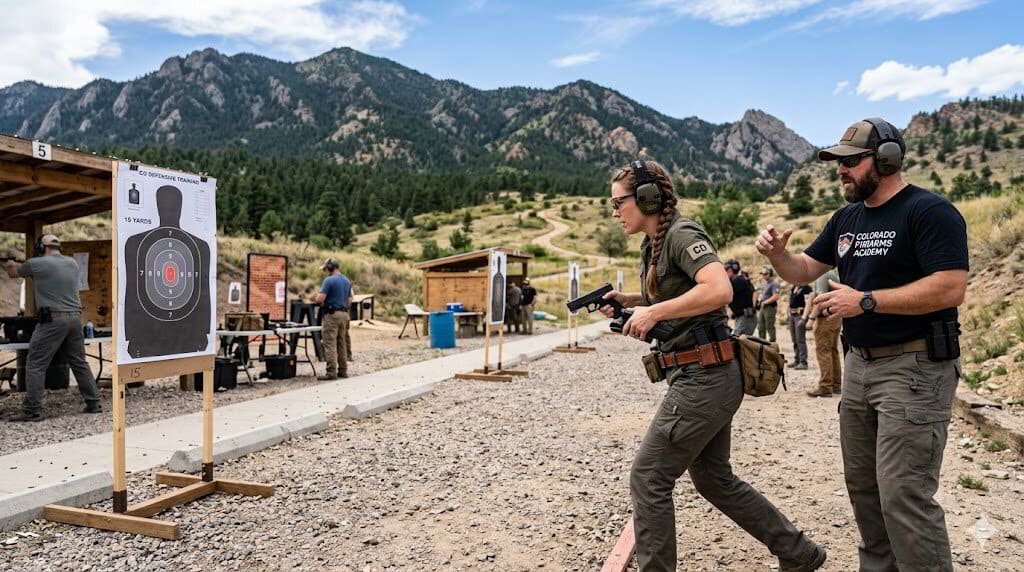
The Ultimate Guide to Defensive Handgun Training in Colorado
In an increasingly uncertain world, mastering defensive handgun training is essential for responsible gun ownership and personal safety. Co…
Read more →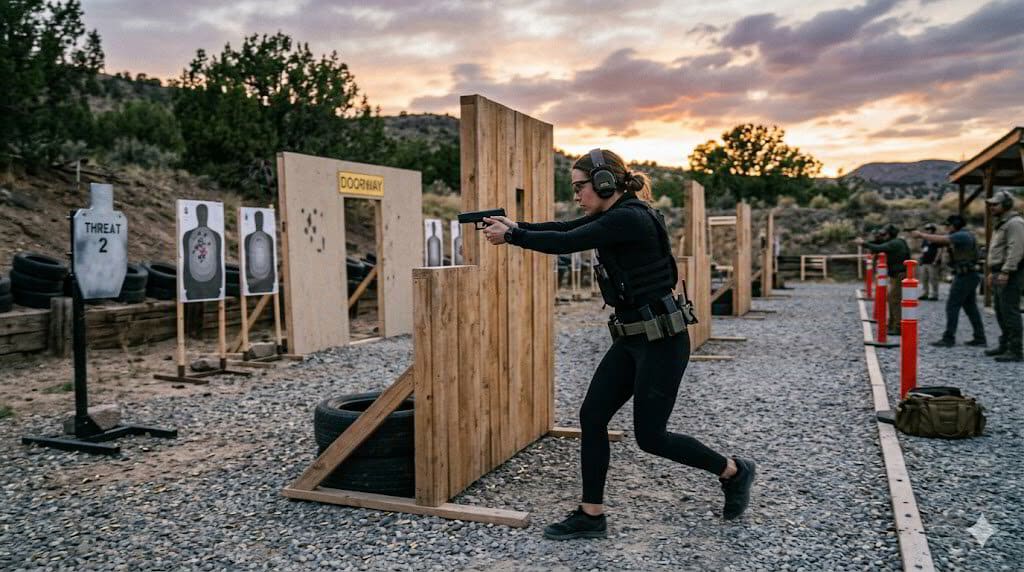
Best Practices for Defensive Handgun Training: A Comprehensive Guide
In a world where personal safety is increasingly vital, mastering defensive handgun training is essential for anyone considering firearm ow…
Read more →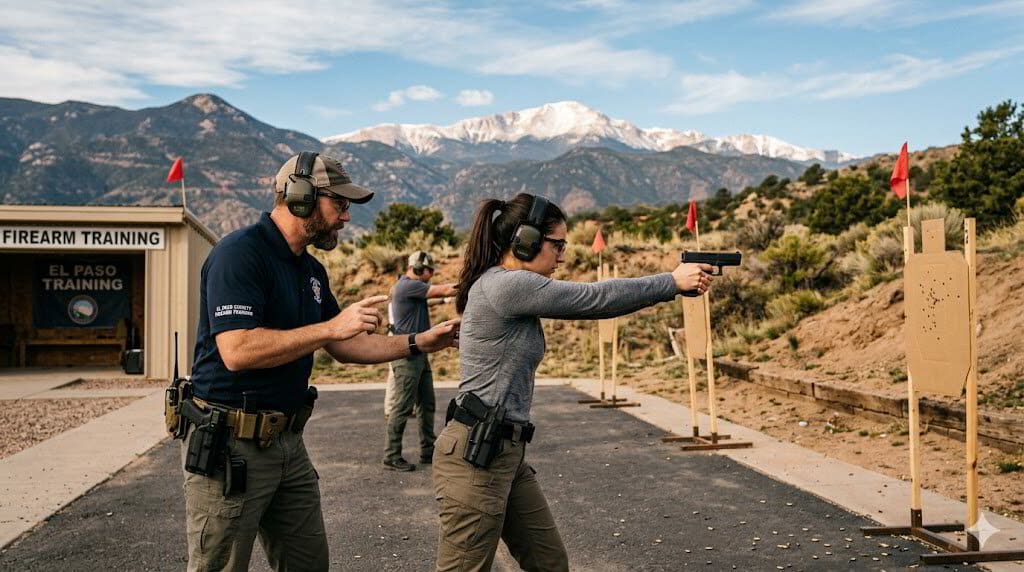
The Ultimate Guide to Firearm Training Courses in El Paso County, Colorado
In an age where firearm safety and education are paramount, Colorado Boots is proud to provide the definitive guide to firearm training cou…
Read more →