
Essential gun ownership tips for safety and confidence
December 17, 2024 · gun ownership tips
Gun ownership tips are essential for anyone looking to navigate the complexities of firearm
ownership responsibly and safely. With over 400 million guns in civilian hands in the United
States, understanding the significance of safe and informed gun practices has never been more
crucial. Whether you are a seasoned shooter or a newcomer to the world of firearms, equipping
yourself with knowledge is imperative to ensure not just your own safety, but that of your
community. In this blog post, we will explore fundamental gun ownership tips that emphasize
responsibilities, safety protocols, and the importance of ongoing education, helping you cultivate
a respectful and conscientious approach to gun ownership.
Understanding Gun Ownership Responsibilities
The journey of responsible gun ownership begins with recognizing the deep-rooted
responsibilities attached to it. To fully appreciate your Second Amendment rights, it's crucial to
understand what having a firearm entails.
The Significance of the Second Amendment
The Second Amendment of the United States Constitution allows citizens to keep and bear
arms. This right is not just about ownership; it's about understanding the societal implications
and responsibilities that come along with it. Fundamental to this is the recognition of the need
for safety, respect, and the legal obligations tied to owning a firearm.
Legal Considerations for Gun Owners
Before acquiring a firearm, it's essential to be informed about local, state, and federal laws
governing gun ownership. Here are some pertinent legal considerations:
- Obtain necessary permits or licenses
- Adhere to background check requirements
- Stay updated on firearm restrictions in your state
Essential Gun Safety Practices
Safety is paramount in gun ownership. The following gun ownership tips focus on best practices
to ensure your safety and that of those around you.
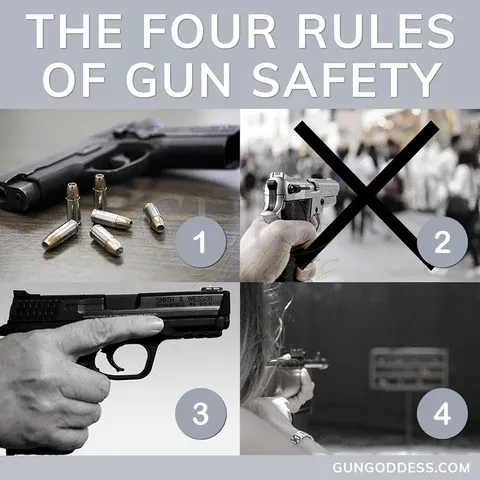
Always Treat Every Gun as If It's Loaded
A fundamental rule of gun safety is to treat every firearm as though it’s loaded, even if you
believe it isn't. This mindset fosters diligence and caution, preventing accidental discharges.
Keep Your Finger Off the Trigger
Never place your finger on the trigger until you're ready to shoot. This simple yet effective
practice minimizes the risk of unintentional firing.
Always Know Your Target and What’s Beyond It
It's critical to understand your shooting environment. Always identify your target and ensure
there's a safe backdrop before firing.
For more in-depth safety protocols, consider exploring resources from reputable organizations
such as the National Shooting Sports Foundation (NSSF).
By adhering to these gun ownership tips, you can ensure that your foray into firearms is marked
by responsibility and safety. Remember that vigilance and education are your best allies on this
journey.
Choosing the Right Firearm
Selecting the right firearm is one of the pivotal gun ownership tips that every new owner must
consider. The right choice not only enhances your shooting experience but also ensures greater
safety and efficiency.
Factors to Consider When Selecting a Gun
When choosing a firearm, several factors come into play:
- Purpose of Ownership: Determine if you want the gun for self-defense, recreational
shooting, or hunting.
- Experience Level: New shooters may benefit from more manageable firearms for
learning.
- Comfort and Fit: The gun should fit comfortably in your hands and be easy to handle.
Caliber Preference: Different calibers have varying recoil, which can influence comfort
levels.
- Budget: Consider total costs, including ammunition, accessories, and maintenance.
Popular Firearm Types for Beginners
For those new to the shooting sports, certain firearm types tend to be more user-friendly:
- Revolvers: Simple to operate, making them a great choice for beginners.
- Semi-Automatic Pistols: Offer greater magazine capacity and faster follow-up shots.
- .22 Caliber Rifles: Low recoil and affordable ammunition make them ideal for practice.
Taking the time to research and understand your options is essential for responsible gun
ownership. For further insights into firearms and their features, you can visit the official website
of Browning (Browning), a respected manufacturer in the firearms industry.
By considering these factors and recommendations, you can ensure that your choice of firearm
aligns with your needs and proficiency, elevating your overall experience in the shooting sports.
Proper Firearm Storage
One of the most important gun ownership tips revolves around the manner in which you store
your firearms. Proper storage not only protects your firearm from theft and damage but also
ensures the safety of everyone in your home, especially children.
Safe Storage Solutions
There are several effective methods for storing firearms securely:
- Gun Safes: A high-quality gun safe provides robust security and allows for controlled
access. Look for safes with biometric locks or combination dials for added protection.
- Trigger Locks: These devices prevent the trigger from being pulled, making accidental
firing less likely. Use them in conjunction with other storage methods for added safety.
- Lockable Cabinets: While not as secure as a safe, lockable cabinets can deter
unauthorized access while keeping your firearms organized.
- Hide-Away Solutions: Concealed storage options, such as wall safes or furniture with
hidden compartments, can provide both security and easy accessibility.
Importance of Secure Storage
The benefits of secure firearm storage cannot be overstated:
- Prevents Accidents: Proper storage reduces the risk of accidental discharge, especially
in homes with children or inexperienced individuals.
- Deters Theft: A well-secured firearm is less likely to be stolen, minimizing the chance of it
being used in crimes.
- Legal Compliance: Many states have laws that mandate secure storage practices;
understanding and adhering to these regulations is part of responsible gun ownership.
For more information on safe storage solutions, check out websites like Liberty Safe (Liberty
Safe), which offer a variety of options to suit different needs.
Taking the time to implement proper firearm storage is one of the best ways to promote safety
and responsibility in your journey as a gun owner.
Regular Maintenance and Care
Maintaining your firearm is a critical aspect of responsible gun ownership. Regular maintenance
not only ensures that your firearm operates optimally but also enhances safety and longevity.
Here are some essential gun ownership tips focused on upkeep and care.
Cleaning Your Firearm
Cleaning your firearm is an integral part of maintenance. Here are steps for effective cleaning:
- Disassemble the Firearm: Follow the manufacturer’s instructions to safely disassemble
your firearm.
- Use Proper Cleaning Supplies: Invest in quality cleaning kits that include brushes,
solvent, and patches specific to your firearm.
- Clean the Barrel: Run a cleaning rod through the barrel, using patches soaked in solvent
to eliminate fouling and debris.
- Lubricate Moving Parts: Apply a manufacturer-recommended lubricant to moving
components to prevent wear and corrosion.
- Reassemble and Function Check: After cleaning, carefully reassemble your firearm and
perform a function check to ensure everything works correctly.
Routine Inspections for Safety
In addition to regular cleaning, routine inspections are crucial. Consider the following:
- Check for Damage: Regularly inspect your firearm for any signs of wear, corrosion, or
physical damage that could affect performance.
- Test Mechanical Function: Ensure that all mechanical functions—like safeties, magazine
releases, and firing mechanisms—are operational.
- Monitor Ammunition: Check that your ammunition is stored correctly and is not expired,
damaged, or exposed to moisture.
For comprehensive guidance on firearm care, you can visit the National Rifle Association
(NRA), which provides resources for owners seeking to maintain their firearms effectively.
By committing to regular maintenance and care, you affirm your dedication to responsible gun
ownership, ultimately enhancing both performance and safety.
Educating Yourself on Local Laws
One of the most essential gun ownership tips is to be well-informed about your local laws and
regulations regarding firearms. Understanding these laws not only ensures compliance but also
fosters responsible ownership.
Understanding Gun Regulations in Your Area
Gun laws vary significantly from state to state, and even from city to city. It’s vital to familiarize
yourself with the specific regulations in your jurisdiction. Key areas to research include:
- Permitting Requirements: Many states require permits for gun ownership or carrying.
Investigate what’s necessary in your area.
- Background Check Rules: Know if background checks are mandatory for private sales
and what processes are involved.
- Storage Laws: Research whether your state has specific requirements for how firearms
must be stored, especially in homes with children.
- Transport Regulations: Understand the laws concerning how to safely transport your
firearm, particularly when traveling.
Staying Updated on Changes to Gun Laws
Gun laws can change frequently due to political shifts or legislative actions. Staying informed is
crucial. Here are some strategies:
- Follow Local News: Keep an eye on local news outlets that report on legislative changes
affecting gun ownership.
- Join Local Gun Organizations: Being part of organizations dedicated to responsible gun
ownership can provide you with valuable resources and alerts.
- Consult Government Websites: Use state or federal government websites for the most
accurate and up-to-date information. For federal regulations, visit the Bureau of Alcohol,
Tobacco, Firearms and Explosives (ATF).
By staying educated about local gun laws, you can confidently navigate your responsibilities as
a firearm owner while promoting safety and compliance in your community.
Training and Practice
One of the most valuable gun ownership tips is to commit to ongoing training and practice.
Developing proficiency with your firearm not only enhances your skills but also fosters a
responsible attitude towards gun ownership.
Importance of Professional Instruction
For beginners, professional training is essential. Here’s why:
- Learn Proper Techniques: Trained instructors can teach you the correct stance, grip,
and aiming techniques, minimizing the risk of developing bad habits.
- Safety First: Professional training emphasizes safety protocols that are crucial for
responsible gun handling.
- Understanding Your Firearm: Courses often include detailed breakdowns of your
specific firearm, covering its features, function, and maintenance.
Ways to Practice Safely and Effectively
Once you’ve received initial training, continued practice is vital. Consider the following methods:
- Visit Shooting Ranges: Local shooting ranges provide a controlled environment for
practice. Many also offer rental firearms, enabling you to try different models without
commitment.
- Set Up a Dry-Fire Practice: Use snap caps to practice trigger control and sight alignment
at home. Ensure you follow all safety measures and treat the firearm as if it is loaded
during dry fire sessions.
- Participate in Competitions: Joining shooting competitions can be a fun way to hone
your skills under pressure while also learning from other experienced shooters.
For more information on training resources, check out the United States Concealed Carry
Association (USCCA), which offers a variety of training programs and resources for gun owners
of all levels.
By prioritizing training and practice, you empower yourself to be a confident and responsible
firearm owner, which is a key aspect of the broader gun ownership tips discussed in this article.

Developing a Responsible Mindset
Beyond the practical aspects of firearm ownership, cultivating a responsible mindset is
essential. This mental framework can dramatically influence your actions and decisions as a
gun owner, aligning with important gun ownership tips.
Emotional Preparedness for Gun Ownership
Owning a firearm carries significant emotional responsibilities. Consider these points:
- Recognize the Weight of Responsibility: Understand that having a firearm requires a
commitment to safety and legality, particularly in stressful situations.
- Self-Reflection: Consider your motivations for owning a gun. Whether for self-defense,
sport, or collection, your intentions should align with responsible use.
- Focus on Control: Develop an understanding of your own emotional triggers and how
they may affect your judgment when it comes to firearm use.
Building Confidence Through Knowledge and Skills
Knowledge is power, especially when it comes to firearm ownership. Here’s how to build your
confidence:
- Educate Yourself Continuously: Stay informed about the latest laws, safety protocols,
and best practices by attending workshops, seminars, or reading reputable resources.
- Engage with the Community: Discussing gun ownership with experienced individuals
can provide valuable insights. Join local gun clubs or forums to expand your network.
- Practice Regularly: Regular practice enhances your shooting skills and reinforces safety
habits, thus boosting your confidence in various scenarios.
For a comprehensive approach to responsible gun ownership, you can refer to resources from
the National Shooting Sports Foundation (NSSF), which offers extensive information on building
knowledge and confidence in firearm usage.
By developing a responsible mindset, you can ensure that your approach to gun ownership
aligns with ethical standards and safety, further enhancing your commitment to responsible
firearm practices. These elements are crucial in the overarching framework of effective gun
ownership tips.
Community and Resources
Engaging with your community and leveraging available resources is a vital aspect of
responsible gun ownership. This not only reinforces your knowledge and skills but also connects
you with like-minded individuals who share an interest in safe and responsible firearm practices.
Joining Local Shooting Clubs or Organizations
Being part of a local shooting club or organization can provide numerous benefits:
- Structured Training Opportunities: Many clubs offer classes and workshops that can
enhance your shooting skills and safety knowledge.
- Regular Competitions: Participating in competitions allows you to apply what you’ve
learned in a controlled, competitive environment, sharpening your skills and confidence.
- Community Support: Building relationships with fellow enthusiasts can provide
motivation, mentorship, and advice on various aspects of gun ownership.
Utilizing Online Resources for Ongoing Education
In addition to local opportunities, the internet is a treasure trove of information. Here’s how to
make the most of online resources:
- Educational Websites: Use reputable firearms training websites for detailed information
on safety, training, and maintenance.
- YouTube Channels: There are many expert channels dedicated to providing tutorials on
firearm use and care. Just ensure they are from credible sources.
- Webinars and Online Courses: Several organizations offer virtual training sessions that
can fit into a busy lifestyle, allowing you to enhance your skills any time.
For a comprehensive resource on community involvement and learning, visit the National Rifle
Association (NRA), which offers a variety of training materials, courses, and access to local
clubs.
By actively participating in community resources and seeking ongoing education, you align
yourself with best practices in gun ownership. This dedication is a crucial element in the pursuit
of safe and responsible firearm handling, complementing the other important gun ownership tips
discussed.
Conclusion: Embracing Responsible Gun Ownership
As we conclude this exploration of essential gun ownership tips, it’s clear that responsible
firearm ownership goes beyond merely possessing a weapon. It encompasses a commitment to
safety, education, community, and legal adherence. By integrating these principles into your
journey, you can reflect your dedication to being a thoughtful and conscientious gun owner.
Summarizing Key Gun Ownership Tips
To recap, here are the key points discussed throughout this blog post:
- Understand Your Responsibilities: Acknowledge the weight of your Second
Amendment rights and the associated responsibilities.
- Prioritize Safety: Always adhere to safety protocols to prevent accidents.
- Choose Wisely: Selecting the right firearm is crucial for comfort and efficiency.
- Store Securely: Invest in proper storage solutions to protect your firearm from
unauthorized access.
- Maintenance Matters: Regularly clean and inspect your firearm to ensure it remains in
optimal condition.
- Stay Informed: Keep up with local gun laws to avoid potential legal pitfalls.
Engage in Training: Ongoing training and practice solidify your skills and confidence.
- Cultivate a Responsible Mindset: Approach ownership with the seriousness and
respect it deserves.
- Leverage Community Resources: Engage with local clubs and online resources for
continued growth and support.
Encouragement for Continued Learning and Safety
Embracing these gun ownership tips lays the foundation for a positive and responsible
relationship with firearms. Remember, the commitment to safety and education never ends.
Each step you take toward enhancing your knowledge and skills contributes not only to your
safety but also to the safety of those around you.
For more resources and continuing education, consider exploring the website of the National
Shooting Sports Foundation (NSSF), where you can find a wealth of information tailored to gun
owners.
By investing time and energy into responsible gun ownership practices, you declare your
commitment to safety, legality, and respect—a true hallmark of a responsible gun owner.
Additional Resources for Gun Owners
As you advance in your journey of responsible gun ownership, utilizing various resources can
enhance your education and practice. Here are some valuable tools and organizations that
provide guidance, training, and community support.
Online Training Platforms
Consider enrolling in online firearms training programs to refine your skills and knowledge:
- USCCA: The United States Concealed Carry Association offers courses that cover
various aspects of firearm safety, self-defense, and legal issues involved with gun
ownership. Their online platform is user-friendly and accessible (USCCA).
- NRA Training: The National Rifle Association provides a broad range of online and
in-person training classes tailored to different skill levels. Their certifications are widely
recognized within the firearm community.
Firearm Safety and Education Organizations
Engaging with well-respected organizations can provide access to valuable educational
materials:
- NSSF: The National Shooting Sports Foundation promotes safe, recreational shooting
and offers numerous educational resources tailored for gun owners (NSSF).
- Local Shooting Ranges: Many shooting ranges provide educational programs and
safety courses tailored to both beginners and experienced shooters. They are excellent
places to find community and learn in a supportive environment.
Books and Publications
Consider reading books and publications focused on firearms training and safety:
- “The Complete Guide to Gunsmithing”: This comprehensive book covers firearm
maintenance, repair, and safety precautions.
- Magazines like “Guns & Ammo”: They regularly publish articles on training, product
reviews, and tips for responsible ownership.
By tapping into these resources, you can deepen your understanding of gun ownership, refine
your skills, and ensure you are part of an informed community. Remember that continuous
learning is a core principle among impactful gun ownership tips, and it can significantly enhance
your confidence and competence as a responsible gun owner.
What are the basic safety rules for gun ownership?
The basic safety rules for gun ownership include treating every firearm as if it is loaded, keeping
your finger off the trigger until ready to shoot, never aiming at anything you are not willing to
destroy, and always being aware of your surroundings and what's beyond your target. These
fundamental rules are crucial for preventing accidents and ensuring responsible firearm use.
How can I choose the right firearm for my needs?
Choosing the right firearm depends on several factors, including your intended use
(self-defense, recreational shooting, hunting), your experience level, personal comfort, and your
budget. It’s important to handle various firearms at a local gun store or shooting range to find
one that feels right for you before making a purchase.
What are the legal requirements for gun ownership in my area?
Legal requirements for gun ownership can vary significantly by state and locality. Generally,
these laws may include background checks, permits, registration, and specific storage
requirements. It is essential to research your local laws thoroughly to ensure compliance and
avoid legal issues.
How often should I practice with my firearm?
Regular practice is vital to maintaining proficiency and confidence with your firearm. Ideally, you
should aim to practice at least once a month, but beginners may benefit from more frequent
sessions to build skills and reinforce safe handling practices. Additionally, participating in
training courses can further enhance your abilities.
Where can I find reliable resources for gun training and education?
Reliable resources for gun training and education include organizations like the National Rifle
Association (NRA), United States Concealed Carry Association (USCCA), and the National
Shooting Sports Foundation (NSSF). These organizations offer training programs, safety
courses, and educational materials that can significantly enhance your understanding and skills
in gun ownership.
Tags: gun ownership tips
Latest Blog & Articles
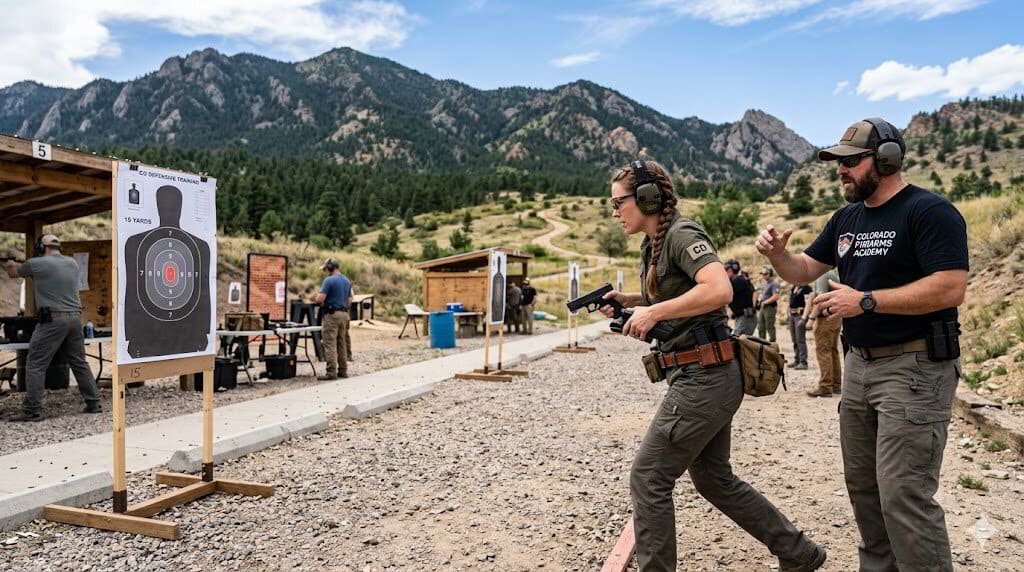
The Ultimate Guide to Defensive Handgun Training in Colorado
In an increasingly uncertain world, mastering defensive handgun training is essential for responsible gun ownership and personal safety. Co…
Read more →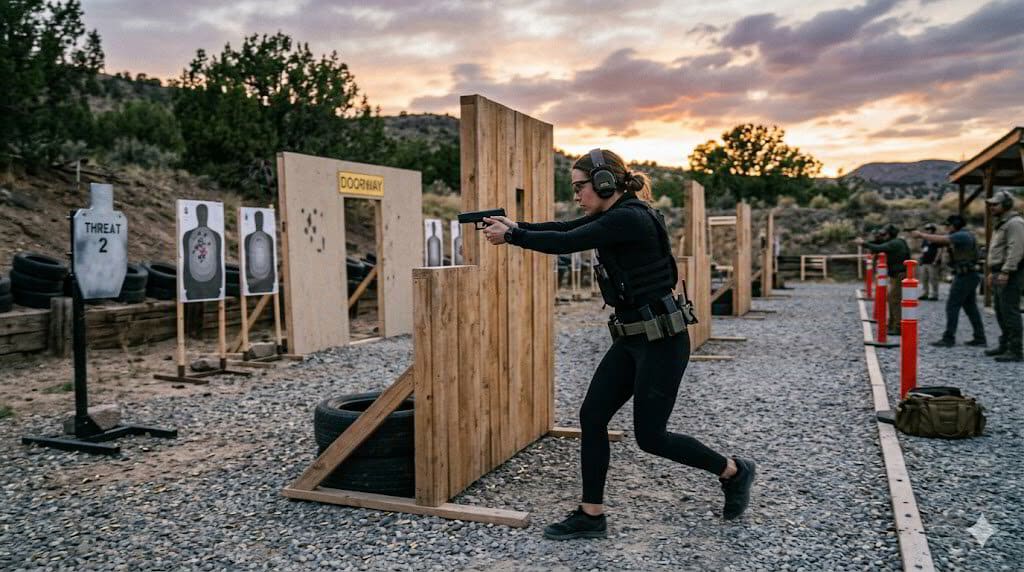
Best Practices for Defensive Handgun Training: A Comprehensive Guide
In a world where personal safety is increasingly vital, mastering defensive handgun training is essential for anyone considering firearm ow…
Read more →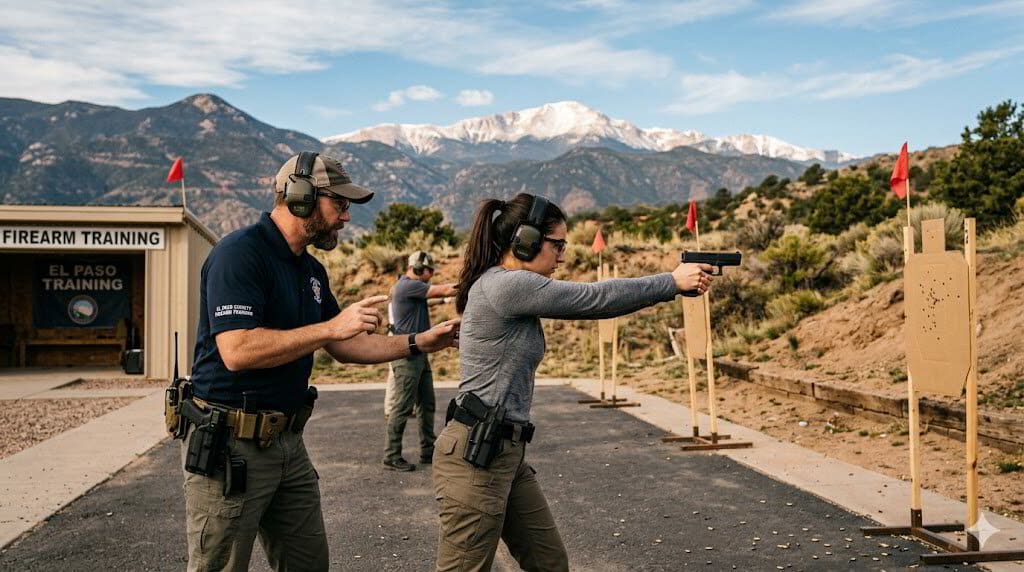
The Ultimate Guide to Firearm Training Courses in El Paso County, Colorado
In an age where firearm safety and education are paramount, Colorado Boots is proud to provide the definitive guide to firearm training cou…
Read more →