
Essential Gun Ownership Tips For Safety
August 14, 2024 · Gun Safety
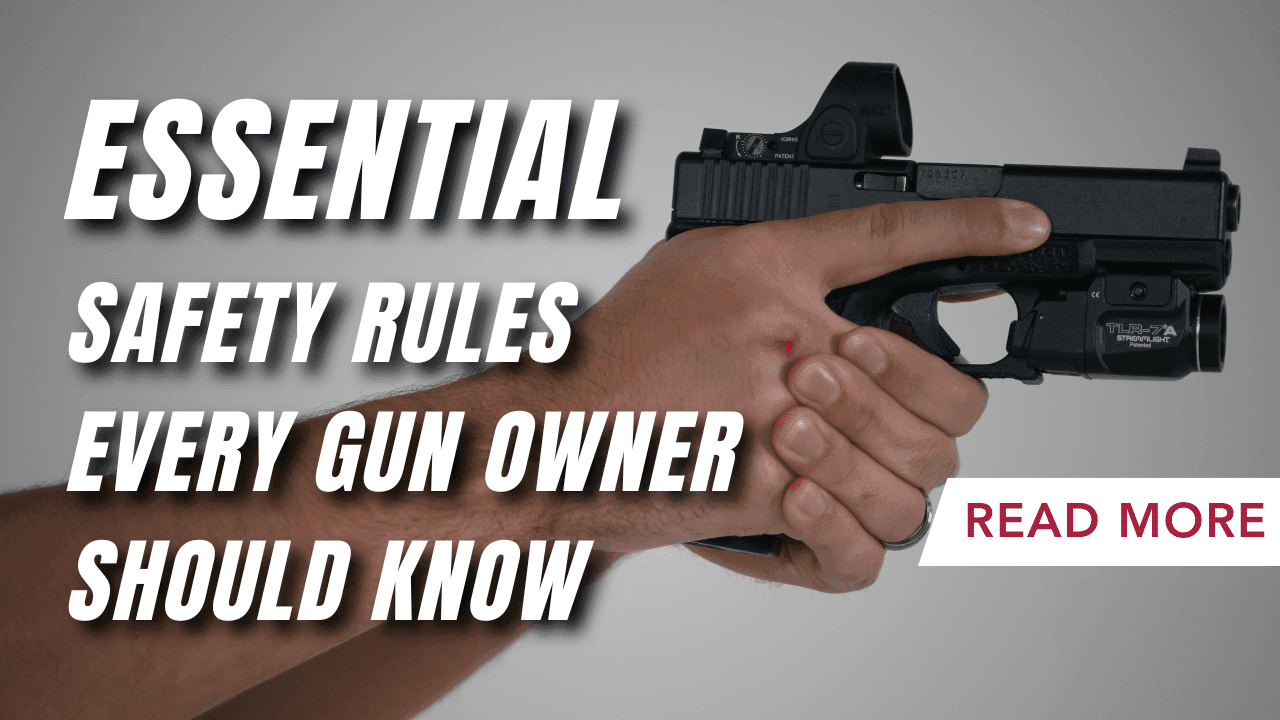
Gun ownership tips are crucial for anyone considering or currently owning a firearm, as they encompass not just safety and responsible handling but also a deeper understanding of the rights and responsibilities that come with it. Did you know that an estimated 30% of households in the United States own a gun? This statistic highlights the importance of fostering a culture of safety and education among gun owners. Whether you're a seasoned enthusiast or a beginner stepping into the world of firearms for the first time, knowing the best practices can enhance your experience and ensure the safety of yourself and those around you. In this blog post, we will explore essential gun ownership tips that every responsible firearm owner should follow to promote safety, education, and community engagement.
Understanding the Responsibility of Gun Ownership
The decision to own a firearm comes with significant responsibilities. Understanding the implications of gun ownership is crucial for ensuring personal safety and the wellbeing of those around you. Here are some key aspects to consider:
The Importance of Safety
Safety should always be the foremost priority for any gun owner. Properly understanding the risks associated with firearms can mitigate accidents and promote a secure environment. Regularly reviewing safety practices ensures that both experienced and new gun owners maintain a culture of responsibility.
Legal Responsibilities and Regulations
Every state in the U.S. has its own laws concerning gun ownership, including registration requirements, background checks, and carrying permits. Familiarizing yourself with local regulations is an essential component of responsible ownership.
Review state-specific laws regarding gun ownership
Understand the implications of self-defense laws in your area
Keep abreast of any changes in legislation
For detailed information on firearm laws, you can visit the National Rifle Association's official website NRA.
Choosing the Right Firearm
Selecting the right firearm is a critical step in responsible ownership. With various options available, it’s vital to consider your specific needs and preferences.
Factors to Consider
When choosing a firearm, consider the following elements:
- Purpose of Ownership: Will you be using the gun for self-defense, hunting, or target shooting?
- Size and Weight: Comfort is key; select a firearm that you can handle easily.
- Caliber and Action Type: Different calibers serve different purposes, and understanding them can influence your choice.
Seeking Professional Guidance
If you're unsure about which firearm is best, seeking assistance from professionals can provide valuable insight. Consider visiting a local gun shop or enrolling in a training class to gain firsthand experience and knowledge.
Essential Gun Ownership Tips for Safe Storage
Proper storage is paramount in ensuring that firearms do not fall into the wrong hands, especially in households with children. Here are effective storage solutions:
Proper Storage Solutions
- Locked Cabinets and Safes: Investing in a quality gun safe can significantly enhance security.
- Trigger Locks and Cable Locks: These provide an additional layer of protection when firearms are not in use.
Best Practices for Storing Ammunition
- Keep ammunition in a separate locked container
- Store ammunition in a cool, dry place
- Regularly check for any signs of damage before use
By implementing responsible storage practices and adhering to essential gun ownership tips, you contribute to a safer community and further embrace the values of firearms ownership.
Developing Safe Handling Habits
Establishing safe handling practices is essential for all gun owners, regardless of experience level. Understanding basic safety rules can significantly reduce the risks associated with firearms.
Basic Gun Safety Rules
Adhering to established gun safety principles will help prevent accidents and ensure responsible usage. Remember to follow these crucial rules:
- Always Treat Every Firearm as Loaded: This mindset will instill a sense of caution every time you handle a firearm.
- Keep Your Muzzle Pointed in a Safe Direction: Ensure that the firearm is never directed toward people or anything you do not intend to shoot.
- Identify Your Target and What’s Beyond It: Knowing where your bullet could travel is vital in preventing unintended injury.
Importance of Firearms Training and Education
Investing time in firearms training is one of the best gun ownership tips you can follow. Professional training provides practical skills and increases your confidence when handling firearms. Courses often cover:
- Safe handling practices
- Shooting techniques
- Maintenance procedures
By participating in training programs, you not only enhance your shooting abilities but also contribute to a culture of safety within the community.
For more information on available training programs and resources, consider visiting the site of the National Shooting Sports Foundation NSSF, which offers guidance on finding local training opportunities.
Regular Maintenance and Inspection
Keeping your firearm in good working condition is a fundamental aspect of responsible ownership. Routine maintenance ensures that your firearm operates safely and effectively.
Cleaning and Care for Firearms
Regular cleaning is essential to prevent malfunction and ensure longevity. Here are some tips for proper care:
- Clean your firearm after every use
- Use the appropriate cleaning supplies
- Inspect for wear and tear
Scheduling Routine Inspections
In addition to regular cleaning, scheduling periodic inspections can help identify any potential issues before they become significant problems. Consider checking the following:
- Functionality of all components
- Signs of rust or corrosion
- Proper operation of safety mechanisms
By making maintenance a priority and following these gun ownership tips, you can ensure that your firearms remain safe, reliable, and in optimal condition.
Educating Your Family on Gun Safety
Ensuring that your family understands the principles of gun safety is a critical aspect of responsible gun ownership. Teaching everyone in your household about firearms can help foster an environment of respect and caution.
Teaching Children About Firearms
Children are naturally curious, so it is vital to educate them about guns early on. Here are some key points to cover:
- What Guns Are: Explain what firearms are, how they work, and their potential dangers.
- Rules of Safety: Teach children the basic safety rules mentioned earlier, instilling a mindset of caution.
- What to Do If They Find a Gun: Instruct them to treat any unidentified firearm as loaded and to notify an adult immediately.
Creating a Family Safety Plan
Developing a family safety plan concerning firearms can further enhance security. Consider including the following elements:
- Designate a Safe Area: Establish areas in your home where firearms are stored securely.
- Emergency Procedures: Outline steps for what to do in case of an accidental discharge or if a child accesses a firearm.
- Regular Family Meetings: Review the safety plan frequently and adjust it as needed to ensure everyone remains informed.
By taking these steps, you not only empower your family with knowledge but also reinforce the values of responsible gun ownership. For more resources on educating families about firearms, you can explore the National Safety Council’s guidelines NSC.
Joining a Community for Ongoing Learning
Participating in a local firearms community can provide continual support and updates in your journey of responsible gun ownership. Engaging with others allows you to share experiences, gain new insights, and stay informed about best practices.
Benefits of Firearms Training Courses
- Structured Learning: Courses often provide detailed instruction on both safety and handling techniques.
- Access to Experts: Learn from seasoned instructors who can offer valuable advice tailored to your needs.
- Networking Opportunities: Build relationships with fellow gun owners who share your interests, making for a supportive community.
Connecting with Local Gun Owners
Finding others in your vicinity interested in firearms creates a welcoming atmosphere for learning and sharing. Consider joining local clubs or attending shooting events, which are excellent opportunities for:
- Sharing knowledge and ideas
- Participating in group training sessions
- Discussing recent changes in laws and safety practices
Engaging with a community is one of the most effective gun ownership tips for long-term growth and knowledge in responsible firearm practices.
Understanding Self-Defense Laws
As a responsible gun owner, it’s essential to have a solid understanding of self-defense laws in your area. These laws dictate when and how you can legally use your firearm for self-defense, making it crucial knowledge for every gun owner.
Researching Local and State Regulations
Self-defense laws can vary significantly between states. It's important to familiarize yourself with the specific regulations that apply to your location. Key areas to research include:
- Stand Your Ground Laws: Some states allow individuals to use force without a duty to retreat if they feel threatened.
- Castle Doctrine: This principle allows individuals to use force in their homes without retreating first.
- Concealed Carry Regulations: Understand what is required for obtaining a concealed carry permit in your state.
Make it a habit to periodically review these laws, as they can change over time.
Knowing When and How to Use a Firearm for Self-Defense
Proper knowledge of your rights and responsibilities when using a firearm for self-defense is vital. Here are some gun ownership tips to consider:
- Assess the Threat: Before using your firearm, ensure that the threat is imminent and poses a danger to you or others.
- De-Escalation: Whenever possible, consider non-lethal alternatives or methods to de-escalate a situation.
- Understand Legal Consequences: Be aware that using a firearm in self-defense could lead to legal scrutiny. Knowing the laws can help protect you should such a situation arise.
Having a practical understanding of self-defense laws not only prepares you for unexpected situations but also fosters a sense of responsibility in your approach to gun ownership.
For additional resources, including state-specific laws and guidelines, visit the National Association of Attorneys General NAAG.
Conclusion: Embracing Safe Gun Ownership Practices
Navigating the responsibilities that come with gun ownership can seem daunting, but following essential gun ownership tips can make a significant difference. Acknowledging the importance of safety, education, and legal understanding is vital for any gun owner.
Staying Informed and Proactive
The landscape of gun ownership is always evolving, which means that staying informed is crucial for responsible ownership. Here are actionable steps you can take:
- Continual Education: Enroll in workshops and training courses regularly to enhance your knowledge and skills.
- Share Knowledge: Engage with other gun owners to exchange best practices and insights.
- Follow Legislation: Keep an eye on local firearm laws and regulations to remain compliant.
Continual Improvement in Safety Measures
Gun safety should always be at the forefront of your ownership experience. To support a responsible approach, consider implementing the following measures:
- Regular Safety Drills: Conduct safety drills with your family to ensure everyone knows what to do in case of an emergency.
- Routine Checks: Make it a habit to inspect your firearms and storage regularly, ensuring they are in optimal condition.
- Community Engagement: Join local gun rights organizations or safety groups to share information and promote responsible practices.
By diligently following these gun ownership tips, you contribute to a safer environment for yourself and those around you. Remember, responsible gun ownership is not just about having the right tools; it's about understanding the responsibility that accompanies them. For more information on firearm safety and community resources, visit the U.S. Concealed Carry Association USCCA.
Understanding the Importance of Mental Preparedness
As a responsible gun owner, mental preparedness is as crucial as the physical handling of firearms. It's essential to cultivate the right mindset and emotional stability when it comes to gun ownership and potential self-defense situations.
The Role of Mental Awareness
Mental awareness can significantly influence decisions during high-stress scenarios. Consider the following aspects:
- Stay Calm Under Pressure: Training yourself to remain calm can help you make rational decisions in emergencies.
- Evaluate Situations Carefully: Always assess the situation from multiple angles before taking action.
- Practice Visualization: Mentally rehearsing various scenarios can help you prepare emotionally for real-life situations.
Training for the Mind
While practical skills are critical, mental training should not be overlooked. Here are some ways to enhance your mental preparedness:
- Stress Management Techniques: Learn strategies such as deep breathing or mindfulness to help maintain calmness.
- Scenario Training: Participate in training programs that incorporate decision-making under stress, simulating real-world situations.
- Focus on De-Escalation: Prioritize resolving conflicts without resorting to violence whenever possible.
By emphasizing mental preparedness in conjunction with physical skills and safety practices, you can further enrich your approach to responsible gun ownership.
For mental health resources and training programs, consider visiting the American Psychological Association APA, which offers valuable information related to stress and preparedness.
The Impact of Responsible Gun Ownership on Community Safety
Responsible gun ownership not only protects individuals and families but also contributes to the overall safety of the community. By embracing safety practices and promoting education, gun owners can positively influence the perception and reality of firearm usage.
Building Trust and Awareness
Enhancing community safety begins with fostering an environment of trust and responsibility among gun owners. Here are some strategies to consider:
- Promote Community Events: Participate in local events centered around gun safety, such as workshops and seminars, to raise awareness.
- Engage with Neighbors: Open dialogues with neighbors about firearms can demystify them and create a supportive network.
- Educate Others: Share gun ownership tips with friends and family to emphasize safe practices and responsible usage.
Encouraging Safe Gun Practices
Encouraging safe practices within the community goes a long way in enhancing overall safety. Here’s how you can actively contribute:
- Support Local Firearms Training: Advocate for or participate in local training sessions that teach safety and responsible handling.
- Community Gun Locks and Safety Devices Program: Work with local organizations to provide gun locks and safety devices at minimal or no cost to promote secure storage.
- Host Safety Discussions: Organize community forums to discuss firearm safety and the importance of responsible ownership.
By taking proactive measures and following these gun ownership tips, gun owners can foster a culture of safety that benefits everyone. For further insights into community safety initiatives and programs, consider visiting the National Shooting Sports Foundation NSSF.
The Benefits of Networking with Other Gun Owners
Building connections with fellow gun owners can greatly enhance your understanding and appreciation of responsible gun ownership. Networking offers numerous benefits that contribute to both personal safety and community education.
Sharing Knowledge and Experience
One of the greatest advantages of engaging with a community of gun owners is the opportunity to share valuable knowledge. Consider the following ways to gain insights:
- Exchange Tips and Techniques: Fellow gun enthusiasts can provide fresh perspectives on handling, maintenance, and safety protocols.
- Learn from Others’ Experiences: Hearing real-life stories can guide your understanding of what to expect in various situations and how to respond accordingly.
- Collaborate on Training: Working together with experienced individuals can offer you deeper insights into advanced techniques and practices.
Building a Supportive Community
Networking promotes a sense of camaraderie and support among gun owners. Here’s how to foster this environment:
- Join Local Firearms Clubs: These settings offer regular meetings, training sessions, and social events to connect with others who share your interests.
- Participate in Online Forums: Engage in discussions about best practices, safety, and legislation in dedicated online spaces.
- Attend Gun Shows and Events: Visiting local gun shows helps you meet like-minded individuals and stay up-to-date on the latest developments in firearm technology and techniques.
By actively networking and exchanging ideas, you not only enhance your own skills but also play a crucial role in promoting responsible gun ownership. For more resources on finding local clubs or events, visit the National Rifle Association NRA.
Contributing to Gun Safety Legislation
As an informed and responsible gun owner, participating in the legislative process is another significant aspect of gun ownership. Advocating for effective gun safety legislation can lead to a safer community while respecting the rights of responsible gun owners.
The Importance of Engagement
Understanding and influencing gun laws can empower you and your community. Here’s why engagement matters:
- Promote Responsible Ownership: Advocating for legislation that supports responsible gun ownership reinforces the values of safety and education.
- Improve Community Safety: Proposing laws that focus on safe storage, training, and education can help reduce accidents and misuse.
- Encourage Informative Dialogue: Engaging in discussions about gun laws fosters a deeper understanding of the complexities surrounding firearm regulations.
How to Get Involved
If you're interested in contributing to gun safety legislation, consider the following actions:
- Research Local Laws and Initiatives: Understanding current regulations and proposed changes can help you identify areas where you can advocate for improvement.
- Join Advocacy Groups: Organizations such as the Brady Campaign or the National Rifle Association provide resources for individuals interested in promoting gun safety legislation.
- Attend Town Hall Meetings: Participating in public forums allows you to voice your opinions on gun-related issues and connect with like-minded individuals.
- Contact Your Representatives: Reach out to local lawmakers to express your views on gun safety legislation, providing them with your insights as a responsible gun owner.
By actively participating in the legislative process and following these gun ownership tips, you can play a vital role in shaping the future of gun safety in your community. For further guidance on advocacy and legislative resources, check out the Giffords Law Center to Prevent Gun Violence Giffords.
What are the basic safety rules for gun ownership?
The basic safety rules for gun ownership include treating every firearm as if it is loaded, keeping the muzzle pointed in a safe direction, being aware of your target and what lies beyond it, and never placing your finger on the trigger until you are ready to shoot. Following these rules can significantly reduce the risk of accidents and promote safe handling.
How can I store my firearms safely?
To store firearms safely, always use a locked cabinet or safe and keep firearms unloaded when not in use. You can also utilize trigger locks and cable locks as additional safety measures. Additionally, store ammunition in a separate locked container and ensure that both firearms and ammunition are kept out of reach of children and unauthorized users.
What should I consider before purchasing a firearm?
Before purchasing a firearm, consider factors such as your intended use (self-defense, hunting, sport shooting), the size and weight of the firearm, and the different calibers available. It's also beneficial to seek professional advice from a qualified firearms instructor or shop to ensure you're making an informed choice.
How can I educate my family about gun safety?
Educating your family about gun safety involves discussing the basics of firearm handling and safety rules, teaching children what to do if they encounter a firearm, and creating a comprehensive family safety plan. Regular discussions and drills can reinforce these concepts and ensure everyone understands the importance of responsible gun ownership.
What resources are available for ongoing firearms training?
Numerous resources are available for ongoing firearms training, such as local shooting ranges that offer classes, online training programs, and instructional videos. Additionally, organizations like the National Rifle Association and the U.S. Concealed Carry Association provide various training courses and materials designed to enhance both practical skills and safety knowledge in gun ownership.
Tags: Gun Ownership
Latest Blog & Articles
The Ultimate Guide to Defensive Handgun Training in Colorado
In an increasingly uncertain world, mastering defensive handgun training is essential for responsible gun ownership and personal safety. Co…
Read more →
Best Practices for Defensive Handgun Training: A Comprehensive Guide
In a world where personal safety is increasingly vital, mastering defensive handgun training is essential for anyone considering firearm ow…
Read more →
The Ultimate Guide to Firearm Training Courses in El Paso County, Colorado
In an age where firearm safety and education are paramount, Colorado Boots is proud to provide the definitive guide to firearm training cou…
Read more →