
Essential Guide To Shooting Sports Training
June 24, 2025 · Firearm Training / Shooting Sports / Sports Education
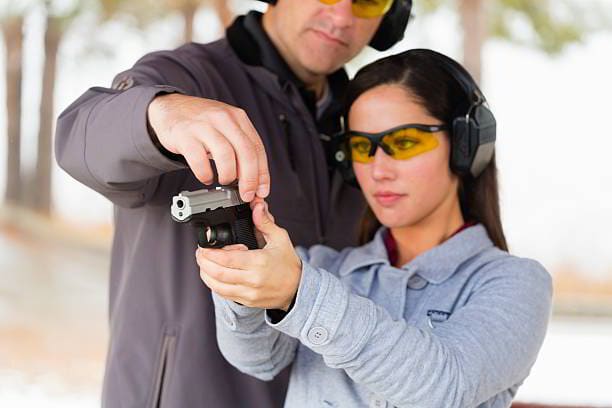
Shooting sports training is not just about hitting a target; it is an empowering journey that
cultivates skills, discipline, and a profound appreciation for firearm safety. Did you know that
more than 5 million Americans participated in shooting sports last year alone? Whether you're a
curious beginner looking to explore the world of firearms, an experienced shooter honing your
skills, or someone interested in self-defense, there is a valuable path waiting for you. This
essential guide will navigate you through the various aspects of shooting sports training, from
understanding its importance and types of courses available to the necessary skills and safety
considerations. Get ready to embark on an enriching experience that not only builds your
proficiency but also strengthens your connection to the community and the values of
responsible firearm use.
Understanding Shooting
Sports Training
Shooting sports training is a vital part of developing the skills needed for safe and effective
firearm use. This training encompasses various disciplines, including competitions, recreational
shooting, and self-defense applications. By participating in shooting sports training, individuals
not only enhance their shooting proficiency but also cultivate a deeper appreciation for firearms
and their responsible use.
Definition of Shooting Sports Training
Shooting sports training refers to structured programs designed to teach individuals how to
handle firearms accurately and safely. This training typically includes:
- Safety regulations and best practices
- Basic and advanced shooting techniques
- Equipment management and maintenance
- Mental preparation and focus strategies
Importance of Shooting Sports Training
The significance of shooting sports training cannot be overstated. Engaging in such training
offers numerous benefits, including:
- Improved marksmanship skills
- Increased confidence in handling firearms
- Understanding of firearm laws and regulations
- Development of discipline and responsibility
Overview of Different Shooting Sports
Various disciplines fall under the umbrella of shooting sports, each with its unique focus and
requirements. A few examples include:
- Competitive Shooting: Involves various formats, from precision shooting to
action-packed competitions.
- Practical Shooting: Focuses on speed and accuracy in dynamic scenarios, often
requiring quick decision-making.
- Hunting: Emphasizes skills necessary for tracking and safely shooting game.
For more insights into competitive shooting and training options, consider visiting NRA's
competitive shooting page.
Types of Shooting Sports
Training Programs
To accommodate individuals at different skill levels and with varying goals, shooting sports
training programs are typically divided into three categories: beginner, intermediate, and
advanced. Each offers tailored instruction to ensure learners can progress effectively.
Types of Shooting Sports Training Programs
Shooting sports training programs can be categorized based on the participant's experience and
goals. Understanding these different types of training can help individuals choose the best fit for
their needs.
Beginner Training
Beginner training is designed for individuals who are new to shooting sports. This foundational
course usually includes:
- Basic firearm safety and handling
- Introduction to different types of firearms
- Simple marksmanship skills
- Range etiquette and operation
Intermediate Training
For those who have some experience, intermediate training builds on the skills acquired during
the beginner phase. This level focuses on:
- Advanced marksmanship techniques
- Situational awareness during shooting
- Introduction to competitive shooting practices
- Refining shooting stances and positions
Advanced Training
Advanced training is tailored for experienced shooters looking to hone their skills further.
Programs may include:
- Tactical scenarios and decision-making
- Performance analytics and feedback
- Specialized training in specific disciplines, such as three-gun competitions or IDPA
(International Defensive Pistol Association)
- Training under stress to improve reaction times and accuracy
Choosing the right training program can greatly influence an individual's proficiency and
enjoyment in shooting sports. If you're interested in exploring additional training opportunities,
you might check resources from reputable organizations like the USPSA (United States
Practical Shooting Association) to find courses near you.
Essential Skills Covered in
Shooting Sports Training
A successful shooting sports training program should cover several essential skills that
contribute to overall proficiency and safety. Mastering these skills ensures that participants can
handle firearms responsibly and effectively.
Firearm Safety
The cornerstone of any shooting sports training program is firearm safety. Participants are
taught:
- Basic Safety Rules: Always treat a firearm as if it’s loaded, keep the muzzle pointed in a
safe direction, and never place your finger on the trigger until ready to shoot.
- Safe Handling Techniques: Proper methods for loading, unloading, and storing firearms.
- Emergency Procedures: How to respond to accidents or malfunctions.
Marksmanship Fundamentals
Marksmanship is the skill of accurately hitting a target. Key aspects include:
- Stance: Proper body positioning for stability and precision.
- Grip: How to hold the firearm consistently for improved aim.
- Sight Alignment and Trigger Control: Techniques for aiming and firing without
disturbing the shot.
Tactical Movement and Positioning
In many shooting disciplines, understanding movement is crucial. Training typically covers:
Effective Movement: How to move safely and quickly while maintaining accuracy.
- Cover and Concealment: Strategies to use surroundings to your advantage.
- Engaging Multiple Targets: Techniques for transitioning between targets smoothly.
Shooting Techniques and Styles
Different shooting sports require various techniques. Training focuses on:
- Different Shooting Positions: Prone, kneeling, and standing positions for various
scenarios.
- Support Techniques: Using equipment like bipods or slings to enhance stability.
- Dynamic Shooting: Incorporating movement while shooting under modification.
A comprehensive shooting sports training program will ensure that all participants are
well-equipped with these essential skills, which are foundational to their success and enjoyment
in the sport. For additional information on firearm safety and training resources, check out the
Choosing the Right
Training Course
Selecting the most suitable shooting sports training course is crucial for maximizing learning
outcomes and personal development. Here are some key considerations to guide your
decision-making process.
Assessing Your Skill Level
Understanding your current skill level is the first step in choosing the right course. Consider the
following:
- Beginner: If you are new to firearms, seek introductory courses that focus on safety and
basic techniques.
- Intermediate: For those with some experience, look for courses that refine skills and
introduce more complex techniques.
- Advanced: Experienced shooters should find specialized training that challenges their
skills and introduces advanced tactics.
Identifying Your Goals
It’s also important to have clear objectives for your training. Ask yourself:
- What do you hope to achieve?
○ Better accuracy?
○ Competition readiness?
○ Enhanced self-defense capabilities?
- Are you interested in specific shooting disciplines?
○ Precision shooting
○ Tactical scenarios
○ Recreational shooting
Evaluating Course Options
Once you understand your skills and objectives, explore available training programs by:
- Researching Accredited Trainers: Look for instructors with certifications and positive
reviews.
- Checking Curriculum: Ensure the course covers the topics relevant to your interests.
- Visiting Training Facilities: If possible, tour the location to assess safety protocols and
equipment used.
Choosing the right shooting sports training course not only enhances your skills but also
ensures a more enjoyable and fulfilling experience. To discover a variety of training options,
consider visiting Brownells, which offers a range of resources and courses for shooters of all
levels.
Preparing for Your Shooting
Sports Training
Getting ready for shooting sports training involves more than just showing up at the range.
Proper preparation can enhance your learning experience and ensure that you are equipped to
make the most of each training session.
Necessary Gear and Equipment
Having the right gear is essential for effective training. Key items to consider include:
- Firearms: Ensure your firearm is suited for your training discipline and is in good working
condition.
- Ammunition: Use the appropriate type and caliber for your firearm to avoid misfires or
malfunctions.
- Protective Gear: Eye and ear protection are essential for safety and comfort during
training sessions.
Mental Preparation Techniques
Shooting is as much a mental exercise as it is physical. Consider these techniques to enhance
focus:
- Visualization: Spend time visualizing successful shooting scenarios, which can help
improve performance under pressure.
- Mindfulness: Practice techniques such as deep breathing to remain calm and focused
during training.
- Goal Setting: Set clear, achievable goals for what you want to learn or improve during
each training session.
Physical Fitness and Conditioning
Physical conditioning plays a significant role in shooting sports training. A strong, agile body can
enhance your performance in various ways:
- Strength Training: Build upper body strength for better stability and control while
shooting.
- Cardiovascular Fitness: Incorporate cardio exercises to enhance endurance and
stamina during long training sessions.
- Flexibility: Engage in stretching routines that promote flexibility, enabling easier
movement and enhanced shooting positions.
Preparing thoroughly for shooting sports training ensures that you are ready both mentally and
physically to absorb the skills and knowledge provided by your instructors. For further resources
on equipment and preparation, consider visiting MidwayUSA, which offers a range of products
for shooters of all levels.
The Role of Instructors in Shooting
Sports Training
Instructors play a pivotal role in shooting sports training by imparting essential knowledge, skills,
and safety practices. Their expertise can significantly impact your learning experience and
shooting proficiency.
Qualifications of a Good Instructor
When selecting a training course, consider the qualifications of the instructors:
- Certifications: Look for instructors who have received training from reputable
organizations in the shooting sports community.
- Experience: Instructors should have hands-on experience in various shooting disciplines
to provide real-world insights.
- Teaching Skills: Assess their ability to communicate effectively and adapt their teaching
methods to different learning styles.
Teaching Styles and Approaches
Instructors may employ various teaching styles that influence how you absorb information.
Effective approaches include:
- Hands-on Training: This method encourages active participation, allowing students to
practice skills in real time.
- Demonstrations: Seeing an instructor model techniques helps learners visualize proper
form and execution.
- Grounded Theory: Instructors may combine theoretical instruction with actionable skills,
ensuring students understand the "why" behind techniques.
Importance of Individualized Instruction
Every student has unique needs and learning paces. Individualized instruction addresses these
differences by:
- Personalized Feedback: Instructors can provide tailored advice based on each student's
shooting style and skill level.
- Customized Learning Plans: Developing specific goals allows for focused progression
based on individual capabilities.
- Encouraging Growth: Instructors can motivate learners to overcome challenges and
make the most of their training experience.
Selecting a training program with skilled instructors enhances your overall shooting sports
training journey. For reliable instructor resources and training options, consider visiting Sig
Sauer Academy, a leader in firearms training and education.
Safety Considerations in Shooting
Sports Training
Safety is paramount in shooting sports training, as it directly impacts the well-being of
participants and the integrity of the sport. Understanding and implementing safety measures are fundamental to your training experience.
General Firearm Safety Rules
The foundation of safety in shooting sports revolves around a set of universal rules that all
participants should follow:
- Treat Every Firearm as If It’s Loaded: Always assume a firearm is loaded until you've
thoroughly checked it.
- Control the Muzzle: Keep the muzzle pointed in a safe direction at all times to minimize
risk.
- Keep Your Finger Off the Trigger: Only place your finger on the trigger when you are
ready to fire.
- Know Your Target and What’s Beyond It: Ensure that your intended target is safe and
that you understand what lies behind it.
Importance of Eye and Ear Protection
Shooting can be loud and potentially hazardous to your eyesight. To mitigate these risks, always
use the following protective gear:
- Eye Protection: Safety glasses should be worn to shield against debris and prevent eye
injuries.
- Ear Protection: Use earmuffs or earplugs to protect against the loud noise produced by
firearms.
Emergency Protocols and First Aid
Accidents can occur, so being prepared with emergency protocols is essential. Consider the
following:
- Know the Range’s Emergency Procedures: Familiarize yourself with the specific
procedures of the training range, including first aid resources and emergency contacts.
- Basic First Aid Skills: Taking a basic first aid course can prepare you to handle minor
injuries or accidents that may arise during training.
- Establish a Buddy System: Pairing up with a training partner allows for quick assistance
in the event of an emergency.
Incorporating these safety considerations into your shooting sports training not only protects you
but also reinforces a culture of responsibility within the shooting community. For more
information on firearm safety guidelines, you can visit the National Rifle Association (NRA),
which offers comprehensive resources and best practices.
Enhancing Your Training
Experience
To maximize the benefits of shooting sports training, it’s essential to engage actively and seek
opportunities for improvement. Here are several strategies to enhance your experience and
skills.
Utilizing Technology and Apps for Improvement
Technology can play a significant role in tracking your progress and sharpening your skills.
Consider the following tools:
- Shooting Apps: These can help monitor your performance by tracking scores, analyzing
techniques, and setting goals.
- Online Tutorials: Take advantage of online resources that offer instructional videos and
tips from experienced shooters.
- Ballistics Calculators: Use these to understand how different variables affect your
shooting accuracy, such as wind speed and bullet drop.
Joining Community Groups and Events
Being part of a shooting community can provide guidance, camaraderie, and additional learning opportunities.
- Local Clubs: Many areas have shooting clubs that host events, competitions, and
training sessions.
- Workshops and Seminars: Participating in workshops led by professionals can expose
you to different techniques and insights.
- Competitions: Engaging in friendly competition can motivate you to improve your skills
while meeting other enthusiasts.
Ongoing Learning and Development
Shooting sports training is a continuous journey. Embrace opportunities to learn beyond initial
training:
- Advanced Courses: As you progress, seek advanced classes that challenge your skills
and broaden your knowledge.
- Reading and Research: Stay informed by reading books and articles about shooting
techniques and advancements in equipment.
- Networking with Experienced Shooters: Connect with more experienced shooters who
can impart their knowledge and share best practices.
By implementing these strategies, participants can significantly enrich their shooting sports
training experience, leading to greater proficiency and enjoyment in the sport. For additional
resources and community engagement, visit Shooting Sports USA, which offers information on
upcoming events and training opportunities.
Conclusion: Embracing the Journey
of Shooting Sports Training
As you progress through your shooting sports training, it's essential to embrace the journey,
recognizing that each step contributes to your overall development as a shooter. This process
not only enhances your skills but also builds a deeper appreciation for firearms and self-defense
rights.
Building a Lifelong Skill
Shooting is a skill that can be developed over time, requiring patience, dedication, and continual
practice. With every training session, you’ll refine your techniques, improve your accuracy, and
grow more comfortable handling firearms. Remember to:
- Celebrate Progress: Acknowledge and appreciate the milestones you achieve, no matter
how small.
- Stay Committed: Consistency is key; regular practice will lead to incremental
improvements.
Fostering a Community Appreciation for Firearms
Engaging with the shooting sports community can enhance your experience and deepen your
understanding of the importance of responsible firearm ownership. Key benefits include:
- Shared Knowledge: Interacting with fellow shooters provides valuable insights and
techniques that can enhance your training.
- Supportive Environment: Being part of a community allows you to share challenges and
successes, fostering a sense of belonging.
In conclusion, shooting sports training is not just about improving your skills but also about
cultivating a culture of safety, responsibility, and respect for firearms. By committing to your
training and connecting with others in the shooting community, you can develop lifelong skills
that empower and inspire you. For more resources and to stay informed about shooting events,
consider visiting Cabelas, which offers a wealth of information for shooting sports enthusiasts.
What is shooting sports training?
Shooting sports training refers to structured educational programs designed to teach individuals
how to safely and effectively handle firearms. These programs cover essential skills such as
marksmanship, firearm safety, and situational awareness, tailored to various skill levels from
beginners to advanced shooters.
Do I need previous experience to participate in shooting sports training?
No previous experience is required to participate in shooting sports training. Many courses are
specifically designed for beginners, focusing on fundamental skills and safety practices. As you
progress, you can move on to more advanced courses that build on those basics.
What types of firearms can I train with?
In shooting sports training, you can typically train with a variety of firearms including handguns,
rifles, and shotguns. The type of firearm used often depends on the specific course and the
shooting discipline being taught, such as competitive shooting, tactical training, or recreational
shooting.
How do I choose the right shooting sports training course?
Choosing the right shooting sports training course involves assessing your skill level, identifying
your training goals, and researching available options. Look for courses that match your
interests, offer qualified instructors, and provide a curriculum that aligns with your desired
learning outcomes.
What should I bring to my first shooting sports training session?
For your first shooting sports training session, it's essential to bring the appropriate gear and
equipment. This typically includes a reliable firearm, ammunition, safety glasses, and hearing
protection. Additionally, wearing comfortable, suitable clothing and bringing any personal items
like a notepad for taking notes can enhance your training experience.
The Ultimate Guide to Shooting
Sports Training
At Colorado Boots Firearms Instruction, we provide expert training for shooting sports enthusiasts looking to enhance their skills and accuracy. Whether you’re interested in competitive shooting, hunting, or recreational target practice, our courses are designed to improve your precision, firearm handling, and overall performance. Our experienced instructors focus on essential techniques such as stance, grip, trigger control, and target acquisition, ensuring you develop the confidence and discipline needed for success. With a strong emphasis on safety and responsible firearm use, our training prepares you for real-world shooting scenarios. Join us today and take your shooting sports skills to the next level!
Tags: Training Programs, Shooting Techniques, Sports Shooting
Latest Blog & Articles
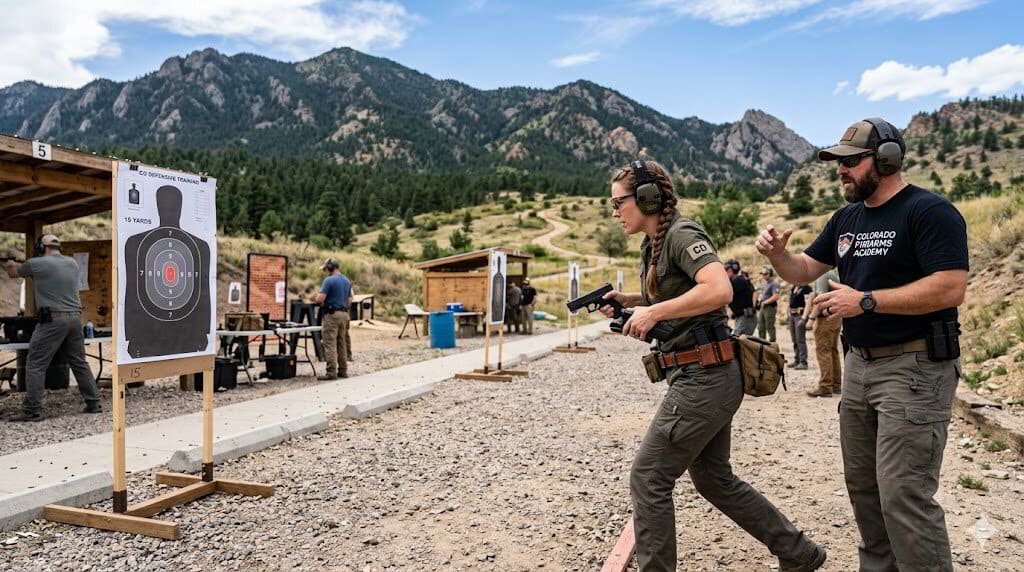
The Ultimate Guide to Defensive Handgun Training in Colorado
In an increasingly uncertain world, mastering defensive handgun training is essential for responsible gun ownership and personal safety. Co…
Read more →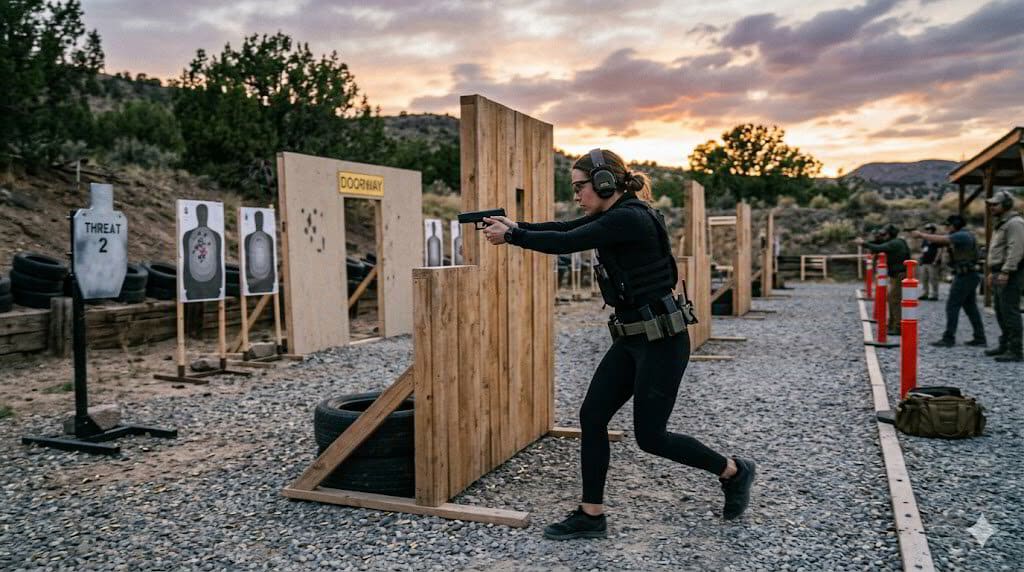
Best Practices for Defensive Handgun Training: A Comprehensive Guide
In a world where personal safety is increasingly vital, mastering defensive handgun training is essential for anyone considering firearm ow…
Read more →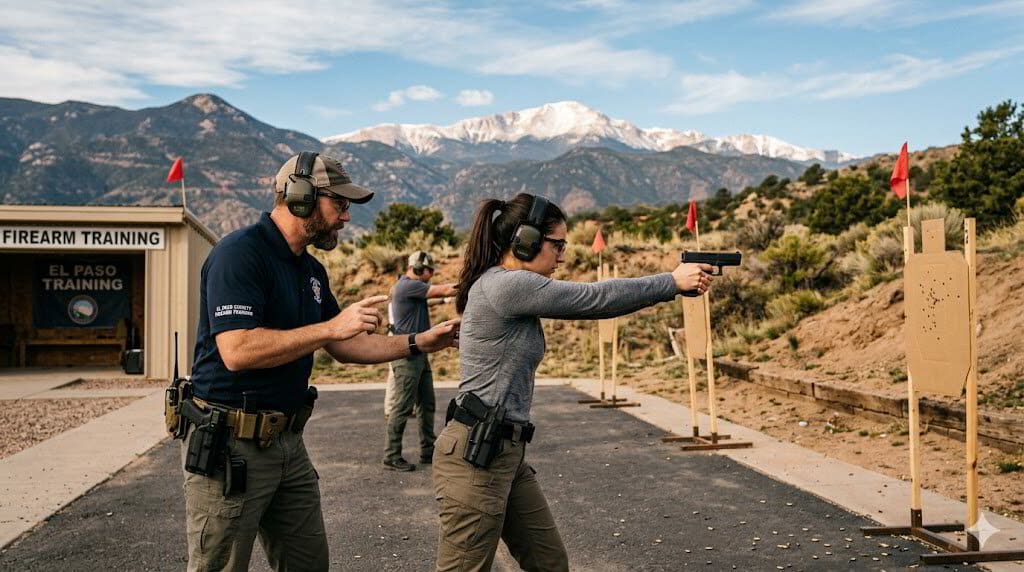
The Ultimate Guide to Firearm Training Courses in El Paso County, Colorado
In an age where firearm safety and education are paramount, Colorado Boots is proud to provide the definitive guide to firearm training cou…
Read more →