
Essential Firearms Training In Colorado
May 27, 2025 · Self-Defense and Concealed Carry / Advanced Firearms Skills / Firearm Maintenance and Safety Practices
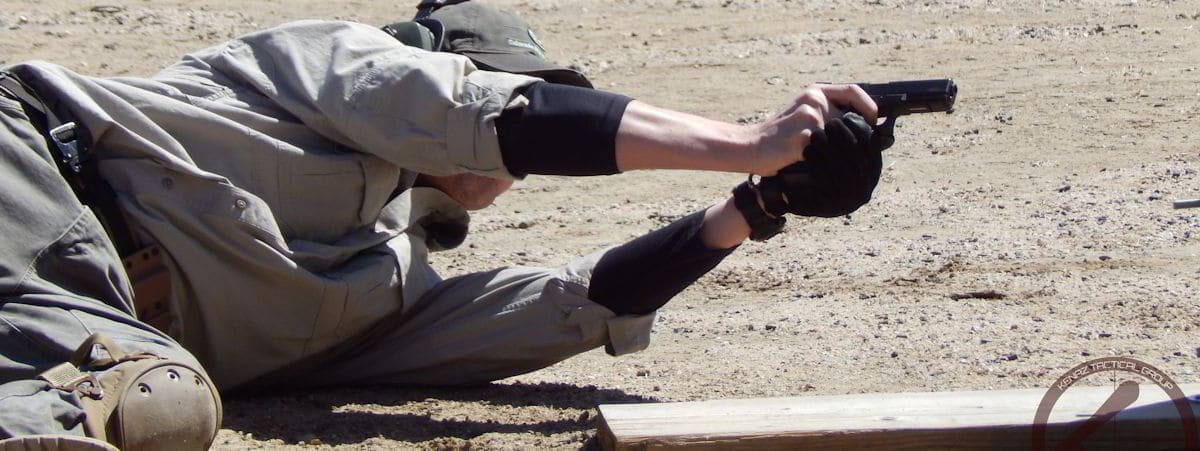
Firearms training in Colorado is not just a necessity for responsible gun ownership; it is an
essential part of understanding personal safety and the legal implications of firearm use. Did
you know that states with extensive firearm training programs have significantly lower accident
rates and a higher level of community safety? As outdoor enthusiasts often explore the
breathtaking Rockies or navigate urban environments in cities like Denver, comprehensively
understanding your firearm can make all the difference. Whether you're a beginner eager to
learn the basics or an experienced shooter looking to sharpen your skills, effective training will
cultivate not just proficiency, but also a profound respect for the powerful rights and
responsibilities that come with gun ownership. In this blog post, we will cover the various
aspects of firearms training in Colorado, including course offerings, safety practices, and the
vital role of community support in your training journey.
Understanding Firearms Training
in Colorado
Importance of Firearms Training
Firearms training in Colorado is critical for anyone looking to own, operate, or simply understand
firearms. It’s more than just learning to shoot; it's about fostering a comprehensive
understanding of safety, legal responsibilities, and the skills needed for effective operation. Here
are some pivotal reasons why firearms training is essential:
- Safety First: Proper training helps prevent accidents and ensures the safe handling of
firearms.
- Legal Awareness: Understanding the laws surrounding firearms can help you navigate
legal obligations and rights confidently.
- Skill Development: Training offers a controlled environment to develop shooting
proficiency and confidence.
Safety and Legal Considerations
Before beginning any firearms training in Colorado, it’s essential to be aware of the legal
landscape and personal safety protocols. Understanding your rights and responsibilities can
make a significant difference in both practice and mindset. Consider the following aspects:
- Colorado State Laws: Familiarize yourself with local regulations regarding firearm
usage, ownership, and concealed carry.
- Safety Protocols: Fundamental safety rules, like always treating a firearm as if it is
loaded, are critical to preventing mishaps.
- Community Standards: Engaging with others in firearms training can provide insights
into best practices and a culture of safety.
For more information on Colorado's firearm laws, you can visit the Colorado Department of
The Basics of Firearms Training
When embarking on your journey into firearms training in Colorado, you’ll encounter a variety of
program offerings designed to cater to every skill level. It usually encompasses the following:
- Types of Firearms Covered: Training may include handguns, rifles, shotguns, and even
specialized firearms.
- Key Skills Taught in Training: Programs typically focus on marksmanship, safe handling
practices, maintenance of firearms, and self-defense techniques.
Understanding this foundational structure can significantly enhance your learning experience
and prepare you for practical applications in both recreational shooting and self-defense
scenarios.
Choosing the Right Firearms
Academy in Colorado
Factors to Consider
Selecting the right firearms academy in Colorado is crucial for ensuring a safe and effective
learning experience. With numerous options available, it’s important to choose an institution that
meets your specific needs and expectations. Here are some key factors to keep in mind:
- Instructor Qualifications: Look for academies with certified instructors who have
extensive experience in firearms training and safety.
- Reputation: Research the academy's background, reviews, and overall reputation within
the local community.
- Curriculum Offered: Ensure the academy provides a comprehensive curriculum that
covers the necessary skills for your intended use (self-defense, recreational shooting,
etc.).
- Facilities and Equipment: Assess the quality of the training facilities and whether they
offer proper equipment for practice.
Credentials and Experience of Instructors
The effectiveness of firearms training in Colorado rests heavily on the instructors' expertise.
When evaluating an academy, inquire about:
- Certifications: Instructors should possess relevant certifications from recognized
organizations, ensuring they are trained in updated safety and handling practices.
- Background Checks: Verify that instructors have undergone background checks and
have no history of unsafe practices or violations.
- Teaching Methodology: Understand their approach to teaching and whether it aligns
with your learning style.
Training Facilities and Equipment
A well-equipped training environment can enhance the learning experience significantly.
Consider the following:
- Indoor and Outdoor Ranges: Availability of both indoor and outdoor shooting ranges
allows for a variety of training scenarios.
- Safety Features: Facilities should have safety measures in place, such as bullet traps
and emergency protocols.
- Equipment Availability: Ensure that the academy provides access to quality firearms
and safety gear during training sessions.
By taking the time to evaluate these factors, you can ensure that you choose the ideal firearms
academy for your training needs in Colorado.
Types of Firearms Courses
Offered
Beginner Courses
For those new to firearms or shooting sports, beginner courses are essential to build
foundational skills. These courses typically cover:
- Basic Firearm Safety: Understanding how to handle firearms safely, including storage
and transportation.
- Operation of Firearms: Learning the mechanics of different types of firearms, such as
handguns and rifles.
- Shooting Fundamentals: Instruction on grip, stance, aim, and breath control for accurate
shooting.
Intermediate and Advanced Training
Once basic skills are mastered, intermediate and advanced courses can help shooters refine
their abilities. These classes often focus on:
- Marksmanship Skills: Improving accuracy and consistency under varying conditions.
- Self-Defense Techniques: Practical applications for defensive shooting situations,
including movement and cover techniques.
- Scenario-Based Training: Engaging in simulations that mimic real-life situations to
develop decision-making skills.
Specialized Classes
For individuals seeking more focused training, specialized classes are available in various
areas, including:
- Self-Defense Courses: Emphasizing techniques and legal considerations for personal
defense scenarios.
- Hunting Safety and Techniques: Covering the necessary skills and ethics associated
with hunting.
- Tactical Training: Advanced strategies for law enforcement or security professionals,
focusing on team dynamics, weapons handling, and tactical movement.
Choosing the right type of course is essential for maximizing your learning experience and
ensuring proficiency in firearms training in Colorado. No matter your skill level, there’s a course
tailored to help you grow in confidence and capability.
Essential Safety Practices
During Training
Personal Safety Equipment
Ensuring safety during firearms training in Colorado is paramount. One of the first steps to
achieving this is by utilizing proper personal safety equipment, which includes:
- Eye Protection: Safety glasses with shatterproof lenses to shield against debris and
ricochet.
- Hearing Protection: Earplugs or noise-canceling headphones to protect against loud
gunfire.
- Appropriate Attire: Closed-toed shoes and clothing that covers the arms and legs
reduce the risk of injury.
Range Etiquette
Understanding range etiquette is vital for a safe and enjoyable training experience. Key
guidelines include:
- Follow All Range Commands: Always listen to and obey the range safety officer (RSO)
and their instructions.
- Keep Firearms Pointed Downrange: Ensure that firearms are always pointed towards
the designated shooting area when not in use.
- Maintain a Safe Distance: Give fellow shooters adequate space and avoid crowding.
Understanding Firearm Mechanics
A critical element of safety is to comprehend the mechanics of the firearm you are using. This
includes knowing:
- How to Load and Unload: Be proficient in the loading and unloading process specific to
your firearm.
- Malfunction Protocols: Understanding how to safely deal with firearm malfunctions,
such as misfires or jams.
- Basic Maintenance: Familiarity with basic cleaning and maintenance procedures to keep
your firearm in safe operating condition.
By adhering to these essential safety practices during firearms training, participants can foster a
more secure environment conducive to learning and skill development. Always prioritize safety
for yourself and others while engaging in firearms-related activities.
What to Expect During Your
Training Sessions
Class Structure and Curriculum
When participating in firearms training in Colorado, understanding the class structure and
curriculum can help set your expectations. Typically, training sessions include:
- Classroom Instruction: Begin with essential safety rules, legal knowledge, and the
fundamentals of firearm operation.
- Hands-On Training: Follow classroom time with practical exercises to apply knowledge,
focusing on shooting techniques and proper handling.
- Group Exercises: Collaborate with fellow participants to foster learning through peer
interaction and shared experiences.
Hands-On Training vs. Theoretical Knowledge
Effective firearms training balances theoretical knowledge with practical application:
- Theoretical Knowledge: Covers the essential principles of firearm safety, legal
obligations, and mechanics. Students learn the "why" behind each practice, reinforcing
the importance of safety.
- Hands-On Training: Allows students to put theory into action, developing skills through
supervised shooting drills. This experiential element solidifies the learning process and
builds confidence.
Duration and Frequency of Courses
The duration and frequency of firearms training courses may vary based on the academy and
individual programs:
- Course Length: Most basic courses range from a few hours to multiple days, while
advanced or specialized training might extend over several weeks.
- Scheduling Flexibility: Many academies offer daytime, evening, and weekend classes to
accommodate different schedules, making it easier to fit training into your lifestyle.
By knowing what to expect during your training sessions, you can approach your firearms
education with confidence and a clear understanding of the skills you will develop. Engaging
fully in both theory and practice ensures a well-rounded foundation for all your future firearms
endeavors.
Resources for Continuing
Education in Firearms
Online Courses and Certifications
In addition to in-person training, many platforms offer online courses and certifications related to
firearms training in Colorado. Some benefits of online courses include:
- Flexibility: Learn at your own pace and on your own schedule, making it easier to fit
training into your busy life.
- Variety of Topics: Online platforms often offer specialized courses on self-defense,
marksmanship, or specific firearms handling.
- Access to Expert Instructors: Learn from seasoned professionals without the need to
travel, broadening your access to high-quality education.
Local Workshops and Seminars
Many firearms academies and community centers host workshops and seminars that can
enhance your skills beyond regular training sessions, such as:
- Specialized Skills Development: These workshops may focus on areas like rapid-fire
techniques or advanced self-defense strategies.
- Legal Updates: Staying informed about changes in firearm laws is crucial; many
seminars provide these insights.
- Networking Opportunities: Meet fellow firearms enthusiasts, share experiences, and
build a supportive community.
Community Support and Discussion Groups
Engaging with others interested in firearms can greatly enhance your knowledge and skills.
Consider these community resources:
- Online Forums and Social Media Groups: Join discussions on platforms that focus on
firearms training, safety, and legal aspects.
- Local Clubs: Many areas have shooting clubs or associations that offer member training
sessions and events, providing hands-on experience in a group setting.
- Shooting Competitions: Participating in competitions can refine your skills, increase
your knowledge, and provide additional motivation for practice.
For comprehensive training resources, explore NRA's Education and Training website, which
offers a wealth of information on online and local training programs.
By taking advantage of these resources for continuing education, you can strengthen your
firearm skills and knowledge, ensuring a more profound appreciation for firearms and the rights
that come with them.
The Role of Firearms Training
in Self-Defense
Understanding the Legal Implications
A significant aspect of firearms training in Colorado is understanding the legalities involved in
self-defense situations. Key points to consider include:
- Self-Defense Laws: Familiarizing yourself with Colorado's specific laws regarding the
use of firearms for self-defense is critical. Know when and how you can legally use your
firearm in self-defense scenarios.
- Duty to Retreat: Understand whether you have a duty to retreat from a situation before
using a firearm, as this can vary by state.
- Force Continuum: Learn about the appropriate use of force and how it relates to the
level of threat faced, ensuring you make informed decisions during high-pressure
situations.
Techniques for Effective Self-Defense
Self-defense training goes beyond merely knowing how to operate a firearm. It emphasizes
various techniques, including:
- Situational Awareness: Learning to recognize potentially dangerous situations can help
you avoid them altogether.
- Defensive Shooting Skills: Training includes developing precise shooting techniques
under stress, focusing on accuracy and speed.
- Conflict De-escalation: Training programs often cover how to communicate and
de-escalate conflicts verbally before resorting to physical force.
Training for Real-Life Scenarios
Firearms training often incorporates realistic scenarios to prepare participants for actual
self-defense situations, such as:
- Role-Playing Exercises: Engaging in simulated encounters helps train your body and
mind to respond appropriately under pressure.
- Stress Inoculation Drills: Performing shooting exercises in a high-stress environment
helps build muscle memory and improve reactions during real incidents.
- Team-Based Training: Learning to work with others can be crucial in self-defense
situations, and training together enhances coordination and response strategies.
By recognizing the vital role that firearms training plays in effective self-defense, individuals can
ensure they are better prepared to protect themselves and navigate complex legal landscapes.
Always prioritize safety, legality, and proficiency through consistent training and education.
Conclusion
The Ongoing Journey of Firearms Education
Firearms training in Colorado is not just a one-time event; it is an ongoing journey that requires
continuous education and practice. Embracing this journey can profoundly enhance your skills,
safety awareness, and overall appreciation for firearms. Here's why it's important to stay
engaged:
- Skill Refinement: Regular training sessions help you refine your skills, ensuring that you
maintain a high level of proficiency.
- Knowledge Upkeep: Staying informed about the ever-evolving laws, techniques, and
safety protocols is essential for responsible firearm ownership.
- Community Involvement: Engaging with fellow enthusiasts provides continuous
motivation and support, enriching your firearms journey.
Encouragement to Seek Professional Training
For anyone interested in firearms, seeking professional training is crucial. Regardless of your
experience level, there’s always something new to learn. Professional trainers can provide
insights that self-taught methods simply cannot match.
- Access to Expertise: Benefit from the knowledge of trained professionals who
understand both the technical and psychological aspects of firearms handling.
- Tailored Instruction: Professional training often addresses individual needs, ensuring
that the instruction you receive is relevant and beneficial.
- Accountability and Safety: Structured training environments foster accountability and
adhere to rigorous safety protocols, creating a secure atmosphere for learning.
Commitment to Responsible Gun Ownership
In conclusion, committing to firearms training in Colorado is an essential step toward
responsible gun ownership. By continually seeking knowledge and honing your skills, you not
only protect yourself but also contribute to a culture of safety and responsibility in your
community. It’s vital to approach firearms ownership with respect and understanding, ensuring
that you uphold the values associated with the right to bear arms.
For further information about responsible gun ownership and training opportunities, refer to
Guns.com, which offers a variety of resources to support your firearms education journey.
The Importance of Community
in Firearms Training
Building a Supportive Network
Engaging with a community dedicated to firearms training in Colorado provides invaluable
resources and support. A strong network can help individuals grow in their skills and knowledge.
Here’s how community involvement enriches the firearms training experience:
- Shared Experiences: Learning from others' experiences helps to reinforce training
concepts and offers practical insights.
- Motivation and Accountability: A community encourages consistent practice and helps
set goals, fostering accountability among members.
- Diverse Perspectives: Different backgrounds lead to a wealth of knowledge, allowing
individuals to learn various techniques and viewpoints.
Participating in Local Events and Competitions
Local events and competitions can be an excellent way to immerse yourself in the firearms
community, offering both friendly competition and the chance to learn. Consider participating in:
- Shooting Competitions: These events allow you to put your skills to the test and gain
experience in a supportive environment.
- Workshops and Seminars: Attend workshops hosted by experienced trainers to learn
about new techniques, safety practices, and legislation updates.
- Community Meetings: Join local clubs or organizations that focus on firearms safety and
advocacy, providing a platform for education and collaboration.
Online Communities and Forums
In addition to in-person interactions, online communities can also be beneficial. Participating in
online forums and social media groups can offer opportunities to connect with others interested
in firearms training. Benefits include:
- Access to Information: Engage in discussions about the latest techniques, gear, and
training opportunities.
- Q&A Opportunities: Ask questions and receive advice from more experienced shooters
and trainers.
- Supportive Environment: Online communities often offer encouragement and support
for members' learning journeys.
By embracing the power of community, individuals can significantly enhance their firearms
training experience in Colorado, fostering a culture of safety, responsibility, and continuous
learning. Engaging with peers not only improves one's skills but strengthens the overall
commitment to safe and responsible gun ownership.
Resources for Finding Firearms
Training in Colorado
Online Resources
The internet is a valuable tool for researching and finding reputable firearms training programs
in Colorado. Here are some essential online resources:
- Training Academies: Websites like NRA Training provide a list of certified training
instructors and courses available in Colorado.
- Local Clubs: Many shooting clubs maintain websites that outline their training offerings,
schedules, and events open to the public.
- Review Platforms: Websites such as Yelp or Google Reviews help potential trainees
gauge the quality of training services from actual participant feedback.
Recommended Firearms Training Providers
While many options exist, some providers stand out for their comprehensive programs and
excellent reputations in firearms training in Colorado:
- Colorado Firearms Academy: Known for its diverse course offerings, including
concealed carry and self-defense training.
- Rocky Mountain Shooting Center: Offers both beginner and advanced courses,
featuring state-of-the-art facilities and experienced instructors.
- Front Range Armory: Provides a variety of training programs focused on safety, skills
development, and tactical training seminars.
Community-Based Resources
Local community centers and organizations often provide access to firearms training resources.
Look for:
- Community Workshops: Many cities offer workshops led by local law enforcement or
certified trainers focusing on firearm safety and handling.
- Non-Profit Organizations: Groups focused on safety and advocacy within the firearms
community can provide free or low-cost training sessions and information on responsible
ownership.
Conclusion
Finding the right firearms training in Colorado can greatly enhance your skills, safety knowledge,
and appreciation for responsible gun ownership. Utilize the variety of online and community
resources available to ensure you engage with reputable training programs and continue your
journey in firearms education.
What types of firearms training courses are available in Colorado?
In Colorado, you can find a variety of firearms training courses, ranging from beginner classes
that cover the fundamentals of safe handling and operation to advanced tactical training for
experienced shooters. Courses often include concealed carry certification, self-defense
strategies, and specialized training for different types of firearms such as handguns, rifles, and
shotguns.
Do I need prior experience to participate in firearms training?
No prior experience is needed to participate in firearms training courses in Colorado, as many
programs are designed specifically for beginners. Instructors will typically start with the basics,
ensuring that all participants gain a solid foundation in firearm safety and handling regardless of
heir experience level.
How long does firearms training typically take?
The duration of firearms training courses in Colorado can vary widely depending on the specific
program. Basic courses may last just a few hours, while more comprehensive training, such as
concealed carry or advanced tactical courses, can extend over multiple days or even weeks.
Are there age restrictions for firearms training in Colorado?
Yes, age restrictions do apply to firearms training in Colorado. Typically, participants must be at
least 18 years old to enroll in most training courses, particularly those related to concealed
carry. However, minors may participate in certain training programs or classes with parental
consent and supervision.
How can I find a reputable firearms training academy in Colorado?
To find a reputable firearms training academy in Colorado, consider researching online reviews,
asking for recommendations from local firearm clubs or gun shops, and checking the credentials
of instructors. Websites like the NRA Training site or local shooting ranges often provide listings
of certified instructors and accredited training programs.
Master Firearms Safety and
Skills in Colorado
At Colorado Boots Firearms Instruction, we provide expert firearms training tailored for all skill levels. Our courses emphasize safety, accuracy, and responsible gun ownership, ensuring you develop the confidence and skills needed to handle firearms effectively. Whether you're a beginner or an experienced shooter, our hands-on training prepares you for real-world scenarios. Join us today and train with the best in Colorado!
Tags: Self Defense Training, Advanced Firearm Skills, Firearm Maintenance Colorado
Latest Blog & Articles
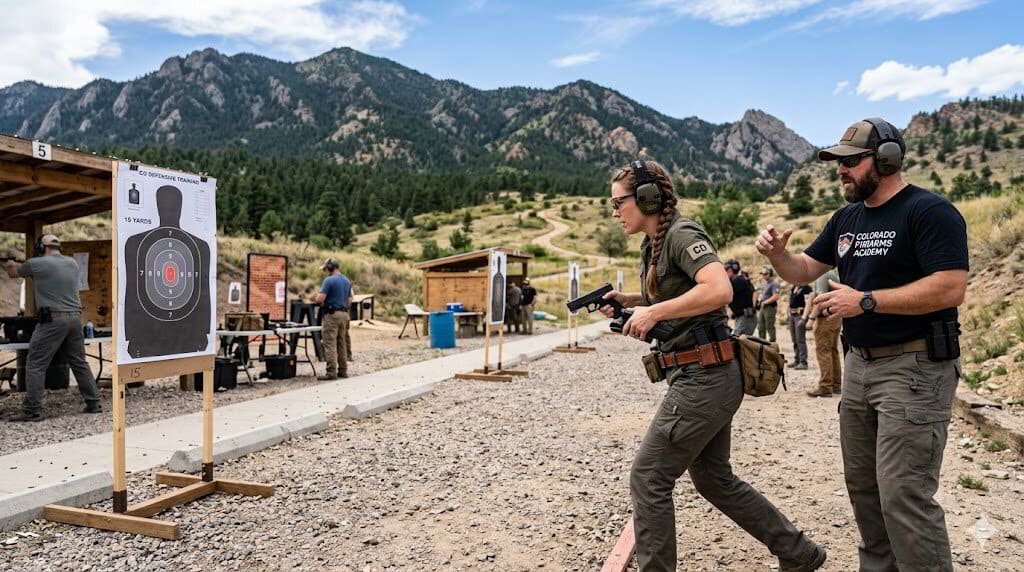
The Ultimate Guide to Defensive Handgun Training in Colorado
In an increasingly uncertain world, mastering defensive handgun training is essential for responsible gun ownership and personal safety. Co…
Read more →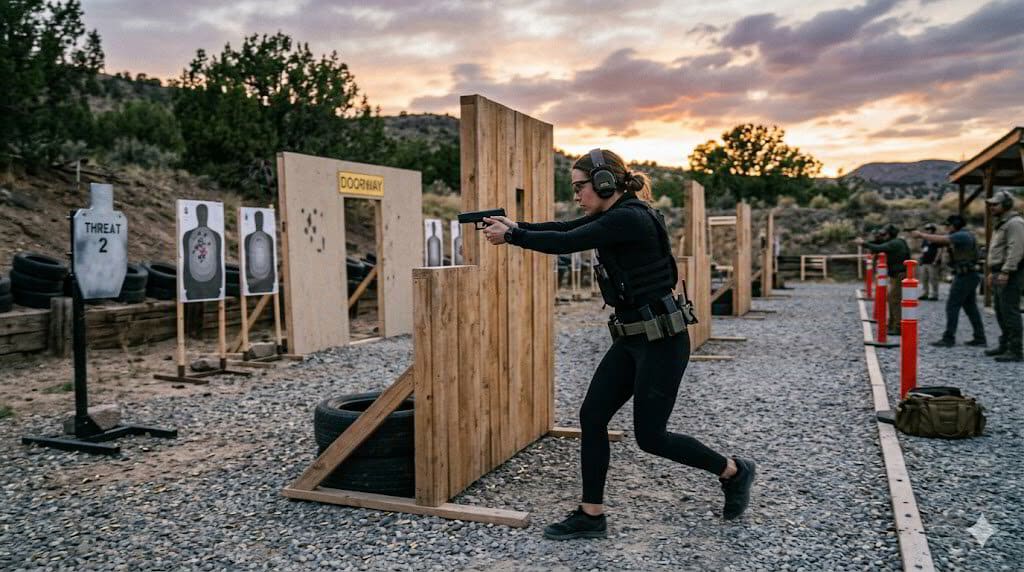
Best Practices for Defensive Handgun Training: A Comprehensive Guide
In a world where personal safety is increasingly vital, mastering defensive handgun training is essential for anyone considering firearm ow…
Read more →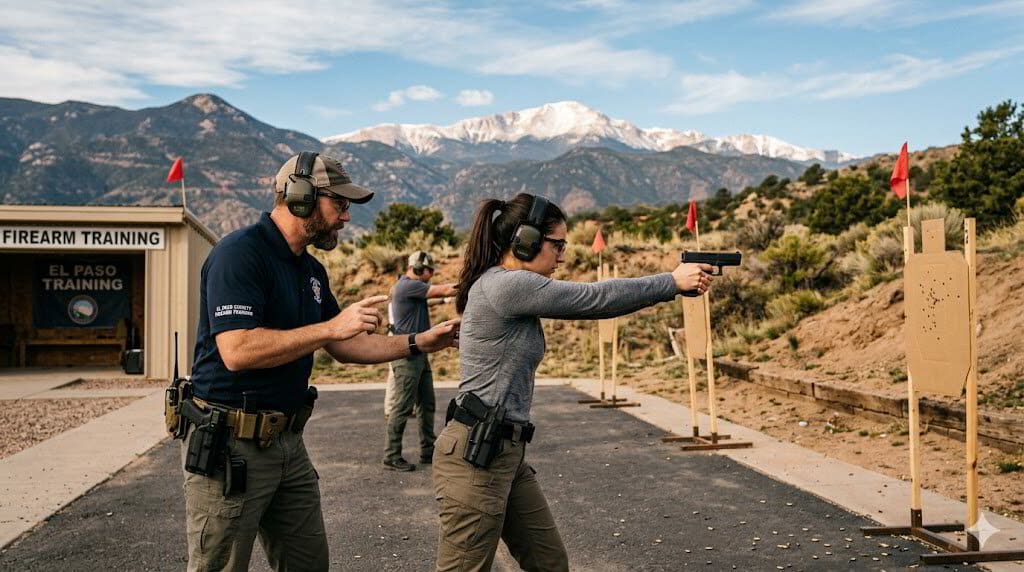
The Ultimate Guide to Firearm Training Courses in El Paso County, Colorado
In an age where firearm safety and education are paramount, Colorado Boots is proud to provide the definitive guide to firearm training cou…
Read more →