
Essential Firearms Training For Law Enforcement
May 6, 2025 · Training For Law Enforcement
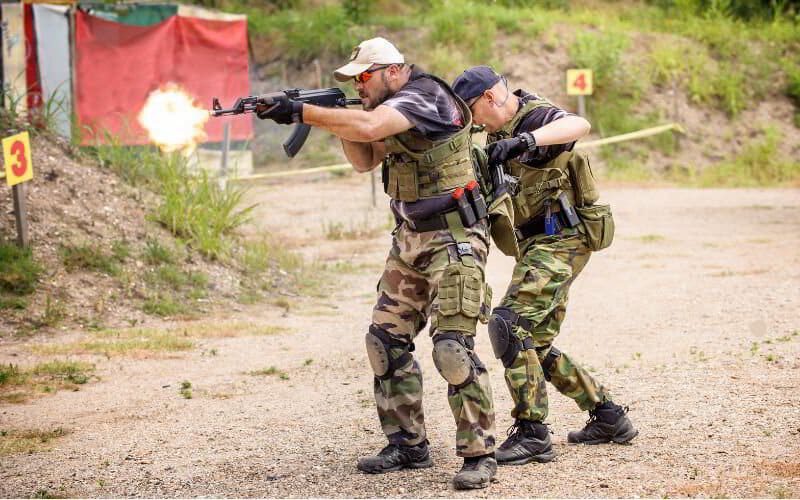
Firearm training for law enforcement professionals is not just a necessary skill; it is a critical
lifeline that can make the difference between life and death in high-pressure situations. Did you
know that according to the National Law Enforcement Officers Memorial Fund, an average of
144 law enforcement officers die in the line of duty each year? Many of these tragic instances
could potentially be mitigated through effective training and preparedness. As society evolves,
so do the complexities of crime and public safety, making comprehensive firearm training more
essential than ever. From mastering advanced shooting techniques to understanding mental
resilience, the components of a robust training program play a pivotal role in equipping officers
with the skills they need to protect themselves and their communities effectively.
Understanding the Importance of Firearm Training for Law Enforcement Professionals
The role of firearms in law enforcement is critical. Officers often find themselves in high-stakes
situations where the effective use of their weapon can mean the difference between life and
death. Therefore, comprehensive firearm training for law enforcement professionals is essential
to prepare them for these challenges.
Legal and Ethical Responsibilities
Law enforcement professionals are entrusted with significant responsibilities regarding the use
of firearms. They must:
- Understand state and federal laws governing firearm use.
- Make quick, informed decisions in the face of danger.
- Apply ethical considerations when deciding to use their weapon.
Effective firearm training not only enhances their technical abilities but also reinforces the
importance of adhering to legal and ethical standards.
Types of Firearm Training Programs
Various firearm training programs exist to cater to the diverse needs of law enforcement
professionals. These include:
- Basic Firearm Safety: Fundamental skills necessary for safe firearm handling.
- Advanced Marksmanship: Improving accuracy and shooting proficiency under various
conditions.
- Tactical Firearm Training: Focused on using firearms in high-pressure scenarios to
ensure officer safety.
- Scenario-Based Training: Realistic training exercises that simulate potential incidents
officers may encounter in the field.
Each type of training program helps develop specific skills essential for performance and safety
in real-world situations.
The Impact of Ongoing Training and Assessment
As threats evolve, the need for ongoing training and assessment becomes paramount. Regular
skills assessments ensure that law enforcement professionals:
- Maintain a high level of proficiency with their firearms.
- Stay informed about new tactics and techniques.
- Adapt to changing laws and community expectations.
By prioritizing continuous education and practice, law enforcement agencies demonstrate their
commitment to public safety and officer readiness.
For more information on training standards and best practices, visit the National Tactical Officers
Association (NTOA) at ntoa.org.
Key Skills Developed Through Training
Effective firearm training for law enforcement professionals encompasses a range of vital skills
that are critical for success in the field. Through rigorous training programs, officers develop the
following competencies:
Accuracy and Precision
The ability to hit targets accurately is paramount in high-pressure situations. Training
emphasizes:
- Controlled breathing: Helps improve shooting precision.
- Proper stance: Ensures stability and support while firing.
- Focus on the target: Enhances concentration and aim.
Law enforcement officers must remain vigilant and aware of their surroundings. Training often
includes:
- Environmental scanning: Constantly assessing potential threats.
- Observational skills: Noticing unusual behaviors or actions.
- Understanding dynamics: Recognizing how situations may escalate or de-escalate.
De-escalation Techniques
Part of firearm training involves learning to avoid the need for firearms. This includes:
- Verbal de-escalation: Using communication to calm potentially violent situations.
- Non-threatening body language: Exhibiting a non-aggressive posture to diffuse tension.
- Conflict resolution skills: Techniques for resolving disputes without resorting to force.
Decision-Making Under Pressure
In critical moments, officers must make rapid, informed decisions. Training fosters:
- Scenario simulations: Practicing decisions in controlled high-stress environments.
- Critical thinking: Developing the ability to assess situations and formulate responses
quickly.
- Risk assessment: Learning to evaluate the immediate environment and make choices
that prioritize safety.
Firearm training for law enforcement professionals is not only about the mechanics of shooting
but also understanding how to navigate complex situations effectively. Ongoing training ensures
these skills are continually honed and adapted to meet evolving community and law
enforcement needs.
To explore more about effective training practices, you can visit the International Association of
Chiefs of Police (IACP) at theiacp.org.
Training Techniques and Methods
Comprehensive firearm training for law enforcement professionals involves a variety of
techniques and methods designed to ensure officers are prepared for any scenario they may
face. These training techniques not only enhance shooting skills but also foster critical
decision-making capabilities.
Live Fire Drills
Live fire drills are an essential component of any firearms training program. They provide
officers with the opportunity to:
- Practice under real-life conditions.
- Familiarize themselves with the feel and response of their firearm.
- Hone their accuracy while handling live ammunition.
These drills can take place at controlled ranges with certified instructors monitoring safety and
performance.
Simulations and Role-Playing
Simulations offer a dynamic training environment where officers can engage in realistic
scenarios without the stress of real bullets. Key benefits include:
- Experiencing high-pressure situations in a safe setting.
- Learning how to apply tactical skills effectively.
- Enhancing decision-making and communication abilities with team members.
Role-playing various scenarios, from traffic stops to confrontations with suspects, prepares
officers for critical moments in their careers.
Classroom Instruction
Classroom instruction complements physical training by providing essential knowledge on topics
such as:
- Firearm laws and regulations: Understanding legal implications tied to their actions.
- Tactical strategies: Learning effective approaches for different situations.
- Mental conditioning: Preparing mentally for the challenges faced in law enforcement.
Integrating classroom instruction with hands-on practice ensures that officers are well-rounded
in their skills and knowledge.
Continuing Education and Refresher Courses
Ongoing education is vital in a constantly changing field. Refresher courses and training
updates help law enforcement professionals:
- Stay current with new firearms technology and techniques.
- Reinforce previously learned skills.
- Address any identified weaknesses in their training.
By prioritizing continuous learning, law enforcement agencies ensure their officers remain
effective and vigilant.
For additional information on best practices in training methodologies, check out Smith &
Wesson, a leader in firearm education and safety training.
The Role of Physical Fitness in
Firearm Training
Physical fitness plays a crucial role in the effectiveness of firearm training for law enforcement
professionals. An officer's physical condition directly influences their ability to respond to threats
and execute tactics efficiently.
The Connection Between Fitness and Shooting Ability
A well-rounded fitness regimen enhances several aspects of firearm proficiency, including:
- Stamina: Officers often face physically demanding situations that require endurance.
- Strength: Improved upper-body strength allows for better control and handling of
firearms.
- Coordination: Enhanced coordination contributes to overall shooting accuracy and quick
reflexes.
Training for fitness can substantially impact an officer's shooting performance during critical
situations.
Recommended Fitness Regimens for Officers
To maximize the benefits of physical fitness, law enforcement professionals should focus on a
comprehensive training program that includes:
- Cardiovascular Training: Activities like running, cycling, or swimming improve overall
stamina.
- Strength Training: Weight lifting and bodyweight exercises target necessary muscle
groups for shooting.
- Flexibility and Mobility Work: Stretching and yoga can enhance an officer’s range of
motion and reduce the risk of injury.
Integrating these elements into a regular workout routine can lead to significant improvements in performance during firearms training and real-life encounters.
Nutrition also plays a vital role in overall fitness. A well-balanced diet can enhance energy
levels, recovery times, and overall physical health.
By prioritizing physical fitness alongside their firearm training, law enforcement professionals
can enhance their overall readiness to face any challenge they may encounter on the job.
For more expert advice on fitness for law enforcement, explore resources offered by the
National Police Athletic/Activities League (PAL) at palnational.org.
Choosing the Right Training Academy
Selecting an appropriate training academy is crucial for law enforcement professionals seeking
effective firearm training. The right academy not only enhances their shooting skills but also
instills confidence and competence in high-stress situations.
Accreditation and Certification
Ensure the training academy is accredited and recognized by relevant law enforcement
organizations. Accreditation signifies that the academy meets industry standards for quality and
safety. Look for:
- Certification from organizations such as the International Association of Chiefs of Police
- Compliance with state and federal training requirements.
- Recognition by local law enforcement agencies.
Instructor Qualifications
The expertise of the instructors is a pivotal factor in the quality of firearm training. When
evaluating an academy, consider:
- Experience: Instructors should have extensive backgrounds in law enforcement and
firearms training.
- Certification: Look for instructors who are certified by recognized training organizations.
- Reputation: Research the academy's and instructors’ track records for success and
efficacy in training law enforcement professionals.
Evaluating Training Facilities
The quality of the training facilities can significantly impact the effectiveness of firearm training
for law enforcement professionals. When assessing facilities, pay attention to:
- Range conditions: Ensure ranges are well-maintained, safe, and equipped for various
training scenarios.
- Equipment availability: Confirm that modern firearms and safety equipment are provided
for training.
- Classroom resources: Verify that classrooms are equipped with instructional materials
and technology to support learning.
Investing time in thorough research enables law enforcement professionals to find reputable
academies that align with their training goals.
For a comprehensive list of approved law enforcement training academies, visit the Federal Law
Enforcement Training Centers (FLETC) at fletc.gov.
The Impact of Ongoing Training
and Assessment
In the field of law enforcement, ongoing training and assessment are fundamental to
maintaining proficiency in firearm handling and decision-making. Regular training not only keeps
skills sharp but also equips officers to adapt to emerging threats and evolving technologies.
Importance of Regular Skills Assessment
Frequent skills assessments are crucial for ensuring that law enforcement professionals remain
proficient in their firearm training. These assessments can include:
- Practical shooting tests: Officers demonstrate their shooting skills under various
conditions.
- Tactical scenario evaluations: Officers are assessed in simulated environments that
mimic real-life situations.
- Fitness evaluations: Regular physical assessments ensure that officers maintain the
necessary fitness levels for operational effectiveness.
Identifying strengths and weaknesses through such assessments allows agencies to tailor
training programs to meet each officer's needs.
Updating Training to Meet Emerging Threats
The landscape of law enforcement is continuously changing, influenced by advancements in
technology, tactics, and community expectations. Ongoing training must address these changes
by incorporating:
- New firearm technologies: Training on updated weapon systems and advancements in
firearm safety.
- Evolving threats: Preparing officers for emerging types of criminal behavior and public
safety risks.
- Advanced tactical procedures: Integrating lessons learned from past incidents into
training protocols.
By keeping training programs current and relevant, law enforcement agencies enhance the
readiness and effectiveness of their professionals.
Ultimately, the commitment to ongoing firearm training for law enforcement professionals
ensures that officers are well-prepared, confident, and capable in the field. This dedication not
only improves individual performance but fosters a safer community.
For additional guidelines and resources on ongoing training standards, visit the National
Institute of Justice at nij.ojp.gov.
Conclusion: Committing to Excellence in Firearm Training for Law Enforcement Professionals
In conclusion, committing to excellence in firearm training for law enforcement professionals is
essential not only for the safety of officers but also for the communities they serve. By investing
in robust training programs and prioritizing continuous development, law enforcement agencies
can effectively prepare their personnel for the complex challenges of modern policing.
The Paths of Continuous Learning
Firearm training is not a one-time event; it involves persistent effort and adaptation. Law
enforcement professionals should embrace various avenues for continual learning, including:
- Advanced courses: Pursuing specialized training in areas such as tactical response, crisis
negotiation, or advanced marksmanship.
- Peer learning: Engaging with colleagues to share experiences and techniques that have
proven effective in the field.
- Self-assessment: Regularly evaluating personal skills and identifying areas for
improvement.
A culture of continuous learning fosters resilience and adaptability among officers, ensuring they
are always at the forefront of law enforcement practices.
A Call to Invest in Training and Education
Law enforcement agencies play a critical role in prioritizing and funding ongoing training
initiatives. By providing access to high-quality firearm training for law enforcement professionals,
agencies can achieve:
- Enhanced officer safety: Better-prepared officers are less likely to find themselves in
dangerous situations.
- Improved community relations: Officers who are well-trained can respond more
effectively to the needs of their communities, enhancing public trust.
- Higher operational effectiveness: Skilled officers are more likely to diffuse
confrontational situations peacefully, leading to better outcomes all around.
Ultimately, the commitment to excellence in firearm training serves as a foundation for a
successful law enforcement career and contributes to safer communities for all.
For more information on investing in law enforcement training resources, we recommend visiting
Glock, a leading provider of firearm education and training resources.
The Future of Firearm Training for
Law Enforcement Professionals
As the landscape of law enforcement continues to evolve, so too must the approaches to
firearm training for law enforcement professionals. Emerging technologies, modern tactics, and
changing societal expectations are reshaping how agencies prepare their personnel for the
challenges they face on the job.
Incorporating Technology into Training
With advancements in technology, training methodologies are becoming more sophisticated.
Key areas of focus include:
- Virtual Reality (VR) Training: Utilizing VR simulations to create immersive training
environments where officers can practice decision-making and shooting skills in real-time
scenarios.
- Mobile Training Apps: Leveraging apps that provide access to training videos,
exercises, and assessments on-the-go, allowing officers to practice and learn at their
convenience.
- Data-Driven Training: Using analytics to track performance metrics and pinpoint areas
requiring improvement, enabling more personalized feedback and adjustments to training
programs.
Emphasizing Mental Health and Resilience
Understanding the mental challenges faced by law enforcement professionals is crucial for
effective training. Upcoming programs are likely to incorporate:
- Mental Resilience Training: Courses designed to teach officers how to manage stress,
anxiety, and the emotional toll that comes with their duties.
- Crisis Intervention Techniques: Training officers in mental health awareness to better
handle situations involving individuals in crisis, thereby reducing the likelihood of violent
confrontations.
Focus on Community Engagement
Increasingly, agencies are recognizing the importance of community relationships as part of
firearm training. Future developments may include:
- Community-Based Scenarios: Training that incorporates community members to
simulate real-life interactions, emphasizing communication and conflict resolution.
- Cultural Sensitivity Training: Programs aimed at improving understanding and
interaction between officers and the diverse communities they serve.
By focusing on these key areas, law enforcement agencies can enhance the effectiveness of
firearm training for law enforcement professionals, ensuring that officers are not only skilled in
shooting but also equipped to handle the complexities of modern policing.
For insights on the future of training and education, visit SIG SAUER, a leading provider of
firearms and training solutions tailored to law enforcement.
What is the importance of firearm training for law enforcement
professionals?
Firearm training for law enforcement professionals is crucial as it equips officers with the skills
necessary to handle weapons safely and effectively in dangerous situations. Proper training
helps reduce the likelihood of accidents and enhances the ability to respond appropriately
during critical incidents, ultimately protecting both officers and the public.
How often should law enforcement professionals undergo firearm
training?
Law enforcement professionals should participate in ongoing firearm training regularly, typically
including annual qualifications and additional sessions throughout the year. Consistent training
is vital to maintaining proficiency, adapting to new methods, and addressing evolving threats in
law enforcement.
What types of training methods are used in firearm training for law
enforcement?
Various training methods are employed, including live fire drills, simulation exercises,
scenario-based training, and classroom instruction. These combined approaches ensure that
officers can practice their skills in safe environments while also learning theoretical concepts
essential for effective law enforcement.
Are there physical fitness requirements for law enforcement officers
related to firearm training?
Yes, physical fitness is an important aspect of firearm training for law enforcement
professionals. Officers are often required to meet specific fitness standards to ensure they can
effectively handle physical demands during training and real-world situations, such as
high-stress encounters or pursuing suspects.
How can law enforcement agencies improve their firearm training
programs?
Law enforcement agencies can improve their firearm training programs by incorporating the
latest technologies, providing continuous education opportunities, and regularly assessing the
effectiveness of their training plans. Engaging community input and focusing on mental health
resilience can also enhance the overall training experience for officers.
Advanced Firearms Training for Law Enforcement Professionals
At Colorado Boots Firearms Instruction, we provide specialized firearms training tailored for law enforcement professionals. Our courses focus on advanced marksmanship, tactical shooting techniques, situational awareness, and real-world defense strategies to ensure officers are fully prepared for high-pressure scenarios. With expert instructors and hands-on drills, we enhance accuracy, decision-making, and firearm proficiency, equipping law enforcement personnel with the skills needed to protect and serve effectively. Train with us today and sharpen your tactical edge!
Tags: Firearm, Training, Enforcement
Latest Blog & Articles
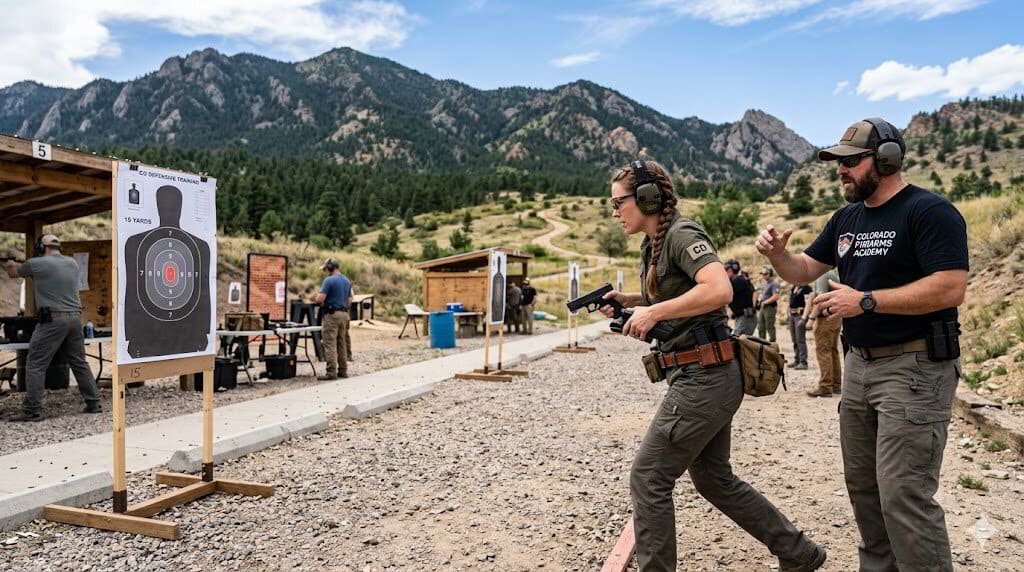
The Ultimate Guide to Defensive Handgun Training in Colorado
In an increasingly uncertain world, mastering defensive handgun training is essential for responsible gun ownership and personal safety. Co…
Read more →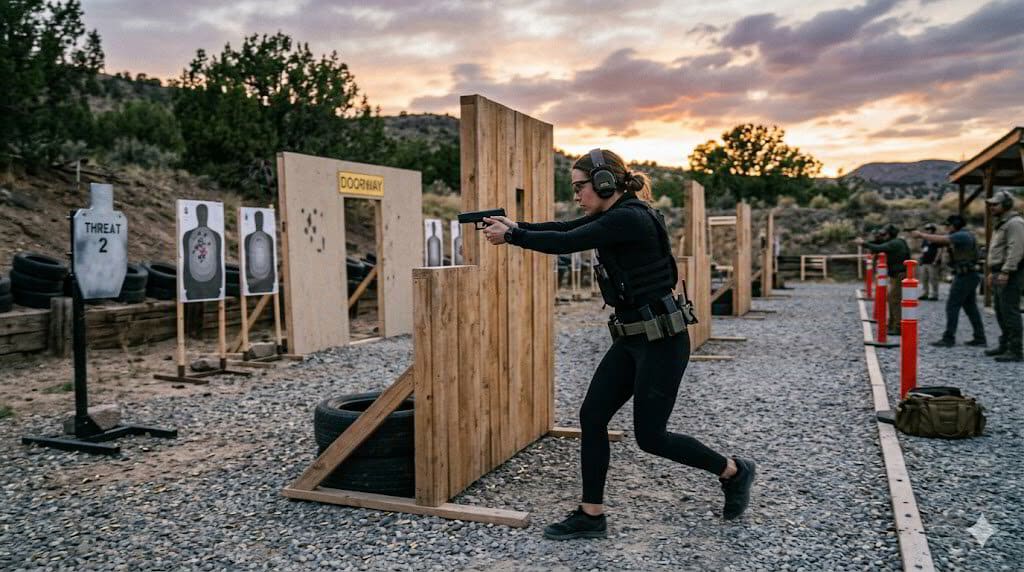
Best Practices for Defensive Handgun Training: A Comprehensive Guide
In a world where personal safety is increasingly vital, mastering defensive handgun training is essential for anyone considering firearm ow…
Read more →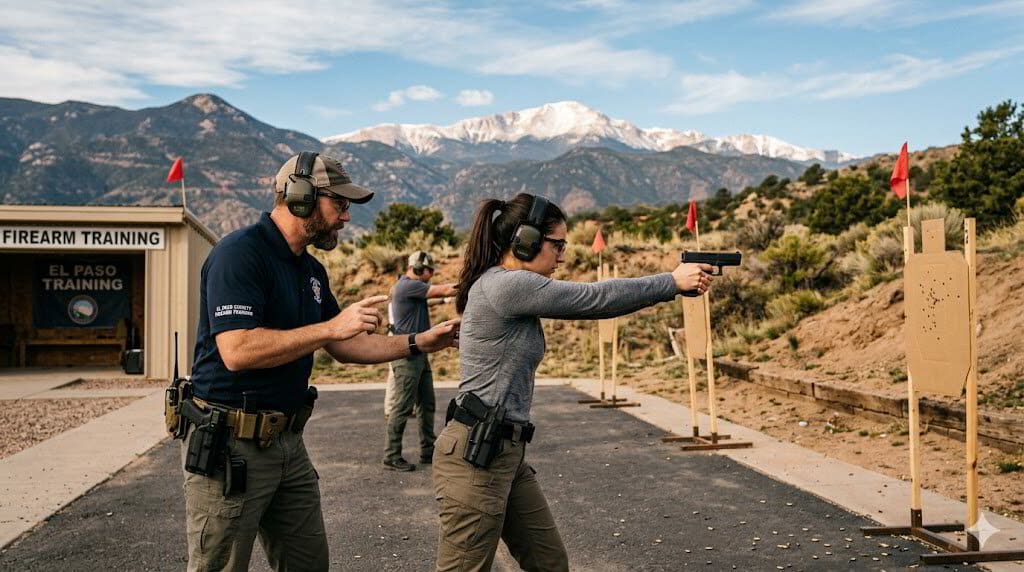
The Ultimate Guide to Firearm Training Courses in El Paso County, Colorado
In an age where firearm safety and education are paramount, Colorado Boots is proud to provide the definitive guide to firearm training cou…
Read more →