
Essential Firearms Education For Responsible Owners
May 13, 2025 · Firearm Safety and Handling / Legal and Ethical Responsibilities / Training and Education for Competency
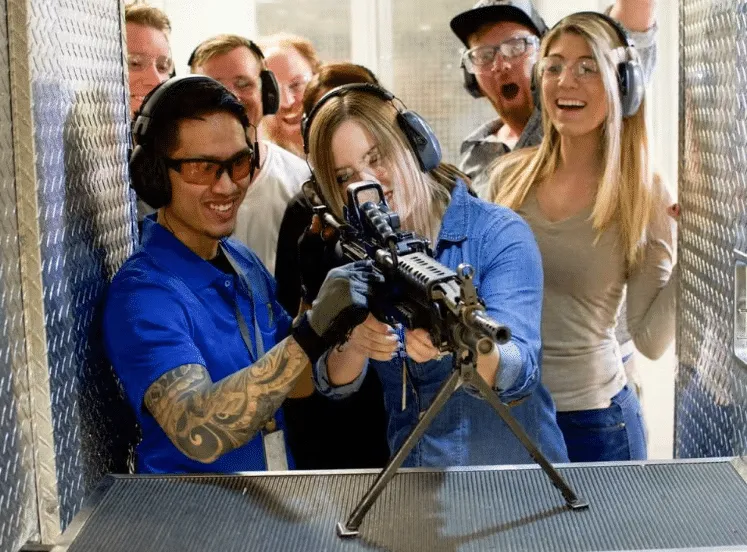
Firearms education is a critical component of responsible gun ownership, shaping how
individuals engage with their rights and responsibilities. Did you know that nearly 60% of
gun-related accidents could be prevented with proper training and awareness? As discussions
around firearms and the Second Amendment become increasingly prevalent, it’s essential for
current and aspiring gun owners to understand the weight of this responsibility. By investing in
comprehensive firearms education, individuals can equip themselves with the knowledge and
skills needed to handle firearms safely, navigate legal complexities, and foster a culture of safety
within their communities. This blog post will explore the various facets of firearms education,
highlighting its importance for everyone who values their right to bear arms.
The Importance of Firearms
Education
Understanding the Second Amendment
The Second Amendment of the United States Constitution is often at the center of discussions
surrounding firearms ownership. It grants individuals the right to keep and bear arms, but with
that right comes the responsibility of understanding how to use firearms safely and effectively.
Firearms education is crucial in fostering a culture of respect and responsibility among gun
owners.
The Role of Education in Responsible Ownership
Firearms education serves multiple purposes:
- Promoting Safety: With the right education, firearm owners can learn safe handling
practices, reducing the risk of accidents.
- Legal Awareness: Understanding local laws and regulations around firearm use and
ownership is essential to ensure compliance.
- Building Skills: Education helps shooters develop necessary skills, from basic handling
to advanced shooting techniques.
Types of Firearms Education
Basic Firearm Safety Courses
Basic courses typically cover essential topics such as:
- Safe firearm handling techniques
- Proper storage practices
- Understanding of different types of firearms and their mechanics
Advanced Training for Experienced Owners
After mastering the basics, many enthusiasts pursue advanced training, which might include:
- Self-defense tactics
- Tactical shooting courses
- Courses focused on specific firearms types, like handguns or rifles
Legal Aspects of Firearm Ownership
Knowledge of firearms laws is vital. Courses often include:
- Local and federal legislation
- The implications of concealed carry permits
- Adhering to restrictions on use in public spaces
Finding the Right Firearms Training Academy
When seeking firearms education, it’s important to find a reputable academy. Here are a few
factors to consider:
- Accreditation and Certification: Look for academies that are certified by recognized
national organizations.
- Curriculum and Training Methods: Make sure they offer a comprehensive curriculum
tailored to various skill levels.
- Instructors’ Qualifications: Research the experience and qualifications of instructors to
ensure quality education.
For more detail on finding reputable firearms training, visit National Rifle Association (NRA).
They offer a wealth of resources for training and safety.
The Benefits of Continuous
Firearms Education
Firearms education shouldn’t stop after the initial course. There are several benefits to lifelong
learning in this area:
- Staying Updated with Laws and Regulations: Laws can change, and it’s important to
stay informed.
- Skill Refreshers and Advanced Techniques: Regular training helps maintain skills and
introduces new techniques.
- Building a Supportive Community of Responsible Owners: Continuing education can
help gun owners connect with like-minded individuals, fostering a supportive network.
Engaging with Fellow Firearms Enthusiasts
Participating in firearms education can also lead to broader community engagement:
- Workshops and Seminars: Attend events to learn from experts and discuss emerging
topics in firearms safety and ownership.
- Joining Local Shooting Clubs or Organizations: These provide not only camaraderie
but practical experience and networking opportunities.
- Sharing Knowledge and Experiences: Engaging with others further enhances personal
learning and encourages safe practices.
Conclusion: Commitment to Lifelong
Learning in Firearms Education
The journey of responsible firearm ownership is ongoing. As laws evolve and technology
advances, it’s crucial for owners to commit to lifelong education. By advocating for and
participating in firearms education, we can promote safety, knowledge, and respect for our rights
as gun owners.
Key Components of Effective
Firearms Education
Safe Handling Practices
One of the primary focuses of firearms education is to instill safe handling practices among
owners. Learning how to handle firearms safely can significantly reduce the risk of accidents
and injuries. Essential principles include:
- Always treating a firearm as if it is loaded: This mindset encourages constant
awareness and caution.
- Keeping the muzzle pointed in a safe direction: This helps prevent accidental
discharges from causing harm.
- Finger off the trigger until ready to shoot: This promotes self-control and prevents
unintentional firing.
Understanding Ammunition and Its Uses
A critical aspect of firearms education is understanding ammunition types and their proper use.
Key points include:
- Different calibers and types of ammunition: It’s essential to know which ammo is
appropriate for your firearm and purposes (e.g., target shooting vs. self-defense).
- Understanding ballistics: Knowing how bullets behave can enhance accuracy and
safety.
- Proper storage and handling: Safe storage practices extend to ammunition, protecting it
from unauthorized access and deterioration.
Maintenance and Storage Best Practices
Educating firearm owners on proper maintenance and storage helps ensure the longevity and
efficacy of their firearms. Consider these best practices:
- Regular cleaning and maintenance: Keeping weapons clean not only optimizes
performance but also reduces the chance of malfunctions.
- Secure storage solutions: Utilizing gun safes and locks can prevent unauthorized
access, particularly in households with children.
- Temperature and humidity control: Ensuring that firearms are stored in appropriate
conditions can prevent rust and other damage.
The Importance of In-Person Training
While online resources can provide valuable information, hands-on training plays a vital role in
effective firearms education. Benefits of in-person training include:
- Practical demonstrations: Learning how to operate firearms safely requires practice that
online education cannot replicate.
- Immediate feedback: Instructors can provide guidance and real-time corrections to
improve skills effectively.
- Simulated scenarios: Real-life simulations can prepare owners for situations requiring
quick decision-making.
For more comprehensive resources on proper firearm maintenance and operation, visit
Brownells. They offer a variety of tools and guides to help owners become proficient and
responsible.
By focusing on these key components of firearms education, owners can develop a solid
foundation for responsible firearm ownership. Becoming well-versed in safe practices,
ammunition knowledge, and maintenance can foster a safe environment for all gun owners.
Finding the Right Firearms
Training Academy
When it comes to firearms education, selecting the right training academy is essential for
building a solid foundation of knowledge and skills. Here are key factors to consider when
choosing the right academy:
Accreditation and Certification
Ensuring that an academy is accredited and certified by recognized national organizations is
crucial. Accreditation signifies that the institution meets specific standards in education quality
and safety. Look for:
- NRA certifications: Organizations that offer training directly under the National Rifle
Association guidelines are generally reputable.
- State and local certifications: Check if the academy complies with your local regulations
and is recognized by local law enforcement.
Curriculum and Training Methods
A comprehensive curriculum tailored to various experience levels is vital in firearms education.
Investigate the following aspects:
- Course variety: Look for a range of courses, from basic safety to advanced tactical
training.
- Hands-on instruction: Practical training should be prioritized, enabling students to
practice in real-life scenarios.
- Educational materials: Quality training providers should offer up-to-date resources that
reflect current laws and best practices.
Instructors' Qualifications
The expertise of instructors plays a significant role in the effectiveness of firearms education.
Consider the following points when assessing instructors:
- Real-world experience: Instructors with backgrounds in law enforcement or military
service can provide valuable insight and practical knowledge.
- Teaching credentials: Look for instructors certified in firearms education and who have
experience teaching diverse groups.
- Student feedback: Research reviews and testimonials from former students to gauge the
quality of instruction offered.
Building Connections in the Firearms Community
Choosing the right training academy can also foster connections within the firearms community,
leading to ongoing support and resources:
- Networking opportunities: Engaging with fellow students and instructors can create
lasting relationships and mentorships.
- Knowledge sharing: Discussing experiences with others promotes an environment of
learning and safe practices.
For a reliable resource in finding accredited firearms training courses, consider visiting SIG
Sauer Academy. They offer a robust range of training classes designed to accommodate
various skill levels and objectives.
In conclusion, investing time in researching and selecting the right firearms training academy is
a crucial step in the journey of responsible ownership. A strong foundation in firearms education
equips individuals with the knowledge and skills necessary to handle firearms safely and
confidently.
The Benefits of Continuous
Firearms Education
Firearms education is not a one-time event; rather, it is a lifelong learning process that adapts to
changes in regulations, technology, and skills. Here are several compelling reasons why
continuous firearms education is essential for responsible gun owners:
Staying Updated with Laws and Regulations
Laws surrounding firearms can change frequently, and being aware of these changes is vital.
Continuous firearms education allows owners to:
- Understand state and federal law updates: This ensures compliance and allows
owners to make informed decisions.
- Adjust to changing safety standards: Being updated on safety protocols helps reduce
risks and liabilities.
- Prepare for potential legislative changes: Remaining informed enables proactive
advocacy for responsible ownership.
Skill Refreshers and Advanced Techniques
Regularly revisiting training helps ensure gun owners maintain their skills and incorporate new
techniques. Benefits of continued education in this area include:
- Enhanced shooting accuracy: Consistent practice and training can lead to significant
improvements in marksmanship.
- Development of new skills: Advancing education allows owners to learn and master
new techniques, such as tactical shooting or self-defense maneuvers.
- Confidence building: Regular training helps instill a sense of confidence in handling
firearms, especially in high-pressure situations.
Building a Supportive Community of Responsible Owners
Engaging in continuous firearms education can connect you with a broader network of
responsible firearm owners. This community aspect can yield several advantages:
- Networking opportunities: Connecting with like-minded individuals provides a support
system for sharing experiences and insights.
- Mentorship possibilities: More experienced shooters can guide and educate newer
ones, fostering growth and safety in the community.
- Access to events and workshops: Many training academies offer ongoing events that
further enhance skills and knowledge.
Engaging with Fellow Firearms Enthusiasts
Participation in advanced courses, workshops, and seminars fosters community engagement
among gun owners. Some activities to consider include:
- Participating in local competitions: This not only hones skills but also builds
relationships with fellow enthusiasts.
- Attending firearm safety workshops: Opportunities to discuss safety protocols and
techniques with professionals can lead to deeper understanding and practice.
- Joining forums or online groups: Engaging with others virtually can complement
in-person training, enhancing the breadth of knowledge.
For a wide array of ongoing training and educational resources, visit MidwayUSA. They offer
various tools and materials aimed at enhancing firearms education and skills.
In summary, the benefits of continuous firearms education extend beyond mere
compliance—they foster a culture of responsibility, safety, and community among gun owners.
By committing to lifelong learning, firearm owners equip themselves with the skills and
knowledge necessary to navigate the complexities of ownership responsibly.
Engaging with Fellow Firearms
Enthusiasts
Engaging with other firearms enthusiasts is an integral part of the broader firearms education
experience. Building connections within this community not only enriches your knowledge but
also strengthens the culture of responsible ownership. Here are several ways to actively engage
with fellow enthusiasts:
Participating in Workshops and Seminars
Attending workshops and seminars is a fantastic way to expand your understanding of firearms
and related topics. Benefits include:
- Expert presentations: Leading experts often share valuable insights on safety,
techniques, and legal considerations.
- Hands-on experiences: Many workshops include practical sessions that allow
participants to practice skills in a controlled environment.
- Networking opportunities: Meeting new people who share your interests can lead to
long-lasting friendships and mentorships.
Joining Local Shooting Clubs or Organizations
Local shooting clubs provide a sense of community and a platform for ongoing learning. Joining
such organizations can offer:
- Regular practice sessions: Clubs often organize events that allow members to practice
and refine their shooting skills.
- Access to resources: Members can typically access equipment, ranges, and educational
materials.
- Supportive environment: Clubs foster a friendly atmosphere where owners can ask
questions and share experiences without judgment.
Sharing Knowledge and Experiences
One of the richest aspects of firearms education is the exchange of knowledge among peers.
Here’s how you can engage effectively:
- Organize study groups: Gather a few like-minded individuals for discussions on safety,
techniques, and the latest industry news.
- Participate in online forums: Social media groups and dedicated forums provide
platforms for discussion, advice, and resource sharing.
- Contribute to community events: Volunteering at local charity shoots or educational
events can help promote responsible ownership and spread accurate information.
Connecting Online
For those unable to attend local events, online resources can still provide valuable avenues for
engagement. Options include:
- Webinars: Many organizations offer live or recorded webinars discussing various aspects
of firearms education.
- YouTube channels: Following reputable channels can help you stay current on best
practices and innovative techniques.
- Online courses: Consider enrolling in online courses for in-depth knowledge without
geographic limitations.
For more information on workshops and resources, visit Brownells, which offers a myriad of
training materials and course options for enthusiasts.
In conclusion, engaging with fellow firearms enthusiasts through various channels enhances
your firearms education journey. By participating in community activities, sharing experiences,
and learning from one another, you contribute to a culture of responsible ownership and safety.
Conclusion: Commitment to Lifelong
Learning in Firearms Education
As the landscape of firearms ownership continues to evolve, maintaining a commitment to
lifelong education in firearms is more crucial than ever. This ongoing journey not only enhances
personal safety but also fosters responsible citizenship within the firearms community.
Understanding the significance of continuous firearms education encompasses several key
elements:
Recognizing the Ongoing Responsibility of Firearm Ownership
Owning a firearm is not just a privilege; it comes with substantial responsibility. This includes:
- Understanding legal obligations: Staying informed about state and federal laws can
help owners navigate potential legal pitfalls and remain compliant.
- Promoting safety: A commitment to lifelong education assists in keeping oneself and
others safe through continuous learning about proper handling and storage practices.
- Encouraging informed decisions: Ongoing education empowers owners to make
knowledgeable choices regarding their firearms and their usage.
Encouraging Others to Embrace Firearms Education
An essential part of becoming a responsible firearm owner is to advocate for education within
your community. Ways to do this include:
- Sharing resources: Distributing information such as brochures, websites, or even
initiating conversations about trustworthy training academies can help others begin their
own journeys.
- Leading by example: Engaging in training and educational events can inspire others to
prioritize safety and knowledge, creating a ripple effect throughout the community.
- Starting or participating in group discussions: Engaging others in conversations about
the importance of firearms education helps raise awareness and promotes responsible
practices.
The Role of Community in Ongoing Education
Building supportive connections with like-minded individuals enhances the learning experience.
Here's how to leverage these relationships:
- Participating in organizations: Joining shooting clubs or local organizations fosters a
supportive environment that encourages ongoing training and discussions.
- Engaging in community events: Actively participating in community events provides
opportunities to learn from experienced instructors while sharing knowledge with others.
- Online engagement: Utilizing social media and online forums to discuss firearms
education topics allows for diverse insights and broadens perspectives.
For more resources and to find educational opportunities, visit NRA-ILA, where you can find a
wealth of information on firearms training and education.
In summary, the path to responsible firearm ownership is paved with continuous education. By
investing time in learning, connecting with others, and advocating for firearms education, we can
help create a safer environment for everyone.
The Role of Education in
Responsible Ownership
Education plays a pivotal role in cultivating responsible firearm owners. Through comprehensive
firearms education, individuals can make informed decisions about their ownership, usage, and
the legalities surrounding firearms. Here’s a detailed look at how education contributes to
responsible ownership:
Understanding the Legal Framework
Knowledge of the laws governing firearm ownership is crucial for every gun owner. Effective
firearms education includes:
- Local and federal laws: Owners must familiarize themselves with the specific laws
applicable in their area, including regulations on purchase, carry, and storage.
- Permit requirements: Many jurisdictions require permits for ownership or concealed
carry; understanding these requirements is essential.
- Consequences of violations: Education provides insights into the repercussions of
illegal firearm usage, enabling owners to avoid unintentional infractions.
Developing Safe Handling Skills
Safety is paramount in firearms education. Training teaches essential handling techniques,
including:
- Safe loading and unloading practices: Understanding how to safely handle ammunition
can prevent many accidents.
- Muzzle awareness: Training emphasizes keeping the firearm pointed in a safe direction
at all times to mitigate risks.
- Situational awareness: Education encourages owners to be mindful of their
surroundings, instinctively assessing potential hazards.
Fostering a Culture of Responsibility
Firearms education extends beyond individual knowledge; it helps cultivate a culture of
responsibility among gun owners, which includes:
- Advocacy for safety: Educated gun owners are more likely to promote firearm safety
and responsible practices in their communities.
- Mentorship: Experienced owners can guide newcomers, ensuring that safety standards
are upheld across the community.
- Community engagement: Participating in educational events helps spread awareness,
encouraging others to prioritize firearms education.
Accessing Quality Resources
To facilitate effective firearms education, seek out reputable training programs and resources.
Consider the following options:
- Accredited training academies: Look for programs that are certified by national
organizations such as the NRA or similar bodies.
- Online courses: Numerous platforms offer e-learning opportunities that cater to various
skill levels and learning preferences.
- Books and literature: Investing in well-regarded firearms manuals can provide
foundational knowledge and insights.
For additional resources and info on comprehensive firearms training, visit USCCA, which offers
extensive educational materials tailored for responsible gun owners.
In conclusion, the role of firearms education is indispensable in promoting safe and responsible
ownership. By understanding legal frameworks, developing safe practices, and fostering a
culture of responsibility, individuals can contribute to a safer community for all.
What is firearms education?
Firearms education refers to the knowledge and training individuals receive regarding the safe
handling, usage, and legal considerations related to firearms. It encompasses various topics,
including firearm safety, understanding local laws, maintenance, and proper shooting
techniques, aiming to promote responsible ownership and usage of guns.
Why is firearms education important?
Firearms education is crucial because it equips individuals with the skills and knowledge
necessary to handle firearms safely and responsibly. By understanding the legal framework,
safe practices, and maintenance requirements, gun owners can significantly reduce the risk of
accidents and ensure that they are compliant with local laws.
Who should participate in firearms education?
Everyone who owns or plans to own a firearm should participate in firearms education,
regardless of their skill level. This includes first-time gun owners, experienced shooters seeking
to refresh their skills, and even individuals who handle firearms in a professional context, such
as law enforcement or security personnel.
How can I find reliable firearms education resources?
To find reliable firearms education resources, start by looking for accredited training academies
or organizations that focus on firearms training, such as the NRA or USCCA. Online courses,
local shooting clubs, and community workshops are also excellent avenues to explore for
comprehensive training and educational resources.
What topics are typically covered in firearms education courses?
Firearms education courses typically cover a range of important topics, including firearm safety
protocols, proper handling techniques, legal aspects of ownership, ammunition knowledge, and
maintenance practices. Many courses also include practical training sessions to help reinforce
these concepts through hands-on experience.
Comprehensive Firearms Education
for Responsible Gun Owners
At Colorado Boots Firearms Instruction, we believe that responsible gun ownership starts with proper education. Our firearms training courses provide in-depth instruction on safe handling, secure storage, situational awareness, and defensive shooting techniques. Whether you’re a new gun owner or looking to enhance your skills, our expert-led classes ensure you have the knowledge and confidence to handle firearms safely and responsibly. Join us today and take the next step in becoming a well-trained, responsible firearm owner!
Tags: Firearm Safety, Responsible Ownership, Firearms Training
Latest Blog & Articles
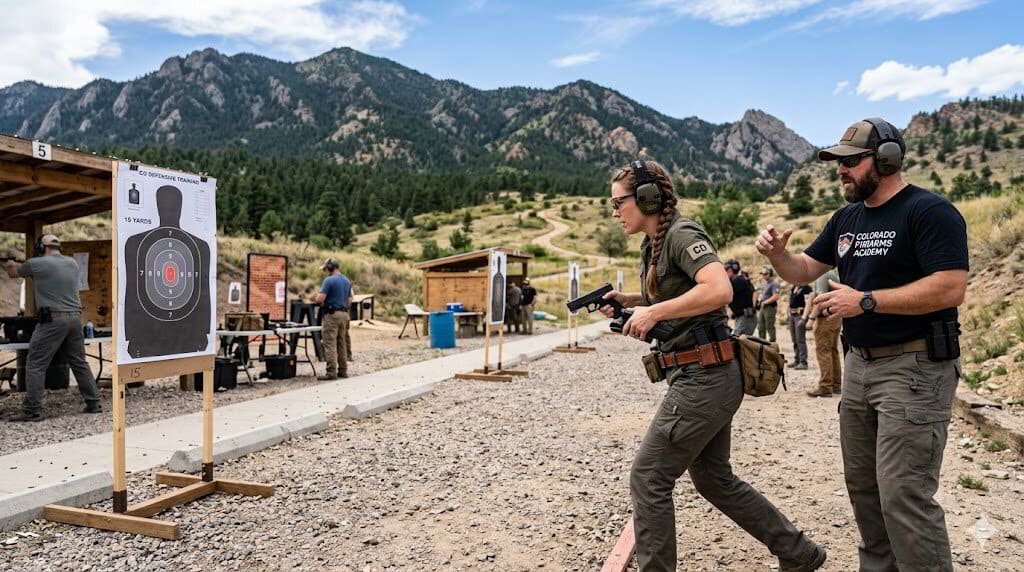
The Ultimate Guide to Defensive Handgun Training in Colorado
In an increasingly uncertain world, mastering defensive handgun training is essential for responsible gun ownership and personal safety. Co…
Read more →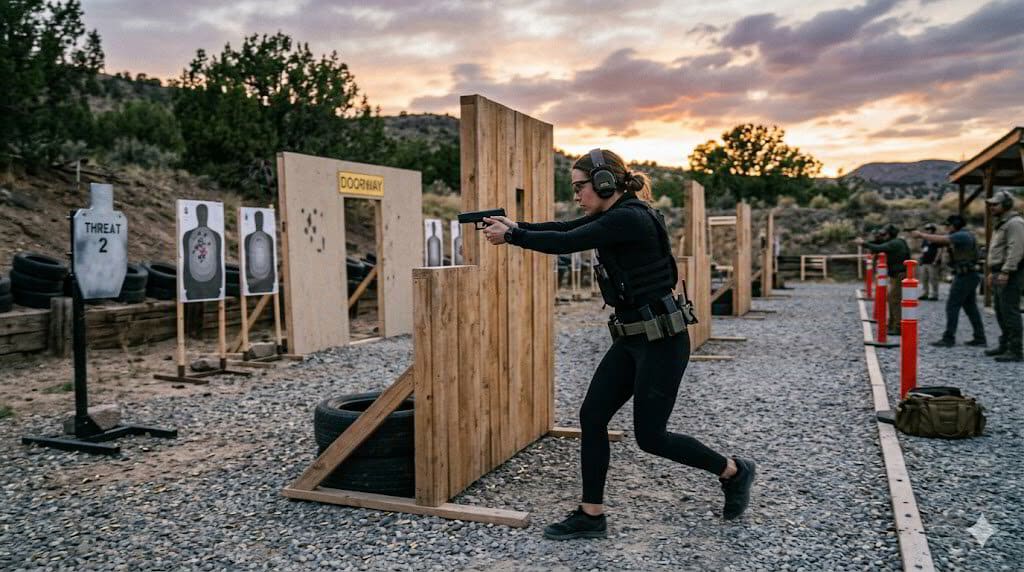
Best Practices for Defensive Handgun Training: A Comprehensive Guide
In a world where personal safety is increasingly vital, mastering defensive handgun training is essential for anyone considering firearm ow…
Read more →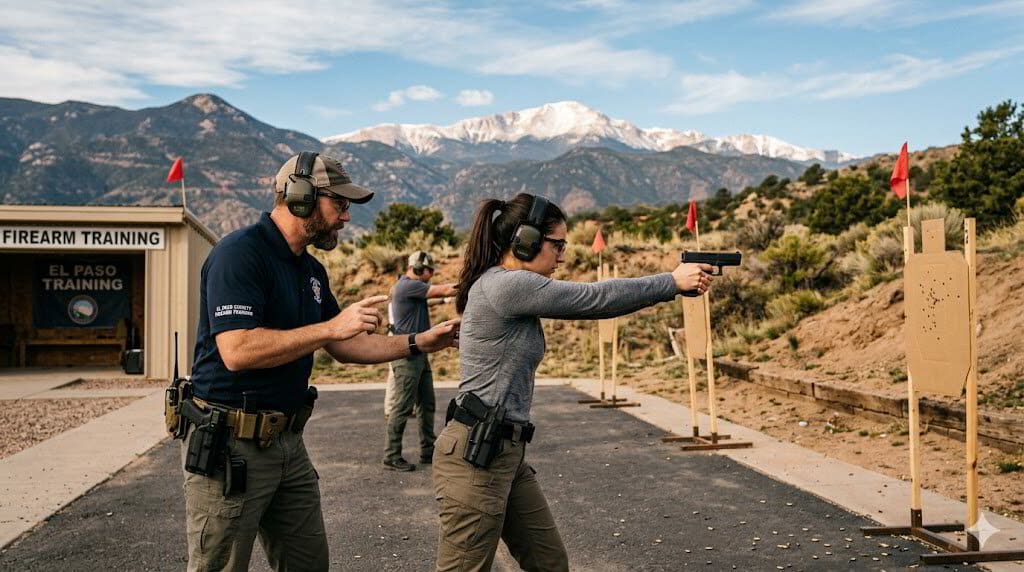
The Ultimate Guide to Firearm Training Courses in El Paso County, Colorado
In an age where firearm safety and education are paramount, Colorado Boots is proud to provide the definitive guide to firearm training cou…
Read more →