
Essential Firearm Safety Training Tips for Responsible Gun Ownership
May 12, 2026 · Firearm Training / Safety & Education / Gun Rights & Responsibility
Introduction to Firearm Safety
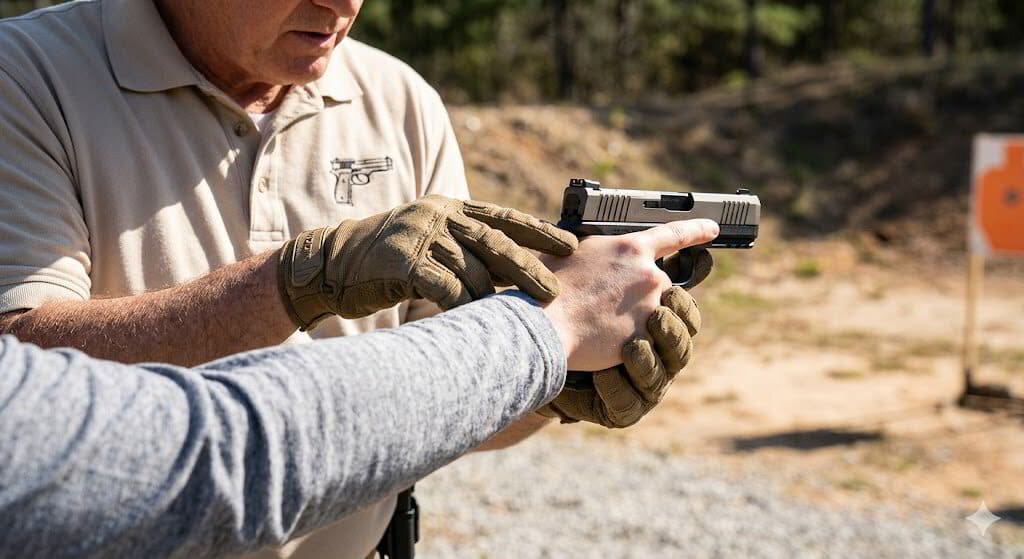
Responsible gun ownership begins with a solid foundation in firearm safety. Whether you're a first-time gun owner or an experienced shooter, proper firearm safety training tips form the cornerstone of competent handling and confident use of firearms. The difference between a responsible gun owner and someone who poses risks to themselves and others often comes down to the quality and consistency of their safety training.
Professional firearm education serves multiple critical purposes beyond basic handling techniques. It builds muscle memory for safe practices, develops situational awareness, and instills the discipline necessary for responsible ownership. Many gun owners underestimate how proper training transforms not just their technical skills, but their overall confidence and decision-making abilities in various scenarios.
This comprehensive guide will explore essential firearm safety training tips that every gun owner should master. We'll cover fundamental safety rules, specific guidance for beginners and advanced shooters, self-defense considerations, and how to select appropriate training programs. From basic gun safety tips to advanced tactical considerations, these principles will help you develop the knowledge and skills necessary for responsible firearm ownership while building the confidence that comes from proper preparation.
Understanding Firearm Safety Rules
The foundation of all firearm safety training tips rests on four fundamental rules that must become second nature to every gun owner. These rules, developed by firearms expert Jeff Cooper, form the basis of safe gun handling regardless of your experience level or the specific firearm you're using.
The first rule states that all guns are always loaded. This mindset eliminates complacency and ensures you treat every firearm with appropriate respect. Even when you believe a firearm is unloaded, maintaining this assumption prevents dangerous shortcuts in handling procedures.
The second rule requires never pointing the muzzle at anything you're not willing to destroy. This principle of muzzle discipline protects everyone around you and prevents accidental damage or injury. Proper muzzle control becomes instinctive through consistent practice and reinforcement during training sessions.
The third rule emphasizes keeping your finger off the trigger until ready to shoot. Trigger discipline prevents negligent discharges and gives you time to properly assess your target and situation. Your finger should rest along the frame of the firearm, not on the trigger guard or trigger itself.
The fourth rule mandates being sure of your target and what lies beyond it. This rule encompasses target identification, backdrop awareness, and understanding the potential path of your projectile. In self-defense situations or at the range, you must always consider what might be behind your intended target.
Following these rules consistently creates layers of safety that prevent accidents even when mistakes occur. Professional firearm training schools emphasize these principles because they work together to eliminate the possibility of negligent discharge or unintended harm.
Firearm Safety Training Tips for Beginners
New gun owners benefit tremendously from structured, professional instruction that builds proper habits from the beginning. Choosing the right training course sets the foundation for a lifetime of safe firearm handling and confident ownership. Beginners should prioritize courses that emphasize safety fundamentals over advanced shooting techniques.
Professional instruction offers several advantages over self-teaching or informal training from friends or family. Certified instructors identify and correct bad habits before they become ingrained, provide structured progression through increasingly complex skills, and create controlled environments for safe learning. NRA firearm courses, for example, follow standardized curricula that ensure comprehensive coverage of essential topics.
When selecting initial training, consider courses like basic pistol instruction or handgun fundamentals that focus on safety, basic marksmanship, and proper handling techniques. These programs typically cover firearm types, ammunition basics, shooting fundamentals, and safe storage practices. The structured approach ensures you don't miss critical safety elements while building confidence through progressive skill development.
During training sessions, practice proper safety protocol religiously. Arrive early to familiarize yourself with range rules and procedures. Listen carefully to all instructions and ask questions when uncertain about any aspect of handling or safety procedures. Many beginners feel pressure to appear knowledgeable, but instructors appreciate students who prioritize safety over ego.
Develop consistent pre-shooting routines that incorporate safety checks and proper stance. Practice loading and unloading procedures until they become automatic. Focus on smooth, deliberate movements rather than speed, as proper technique builds the foundation for both safety and accuracy.
Consider starting with one-on-one instruction if you feel particularly nervous or overwhelmed in group settings. Personalized coaching allows instructors to adapt their teaching methods to your learning style and comfort level while providing immediate feedback on your progress.
Advanced Safety Tips for Experienced Shooters
Experienced shooters face unique safety challenges as they explore advanced techniques, different firearms, and complex shooting scenarios. Continued education becomes essential for maintaining safety standards while developing new skills. Many experienced shooters develop overconfidence that can lead to shortcuts in safety procedures.
Advanced firearm safety training tips focus on maintaining fundamental safety principles while adapting to new situations. When learning advanced shooting techniques like rapid fire, shooting on the move, or tactical reloads, the basic safety rules remain paramount. Advanced training should reinforce these fundamentals rather than replace them with more complex procedures.
Incorporating safety into advanced techniques requires deliberate practice and constant awareness. For example, when practicing tactical shooting scenarios, maintain muzzle discipline even during stress-inducing exercises. Advanced pistol courses often include scenario-based training that tests your ability to maintain safety protocols under pressure.
Adapting to new firearms or shooting disciplines demands returning to fundamental safety practices regardless of your experience level. Each firearm type presents unique safety considerations, from different manual of arms to varying ammunition requirements. Experienced shooters should approach new firearms with the same methodical safety focus they applied as beginners.
Regular skills assessment and refresher training help identify areas where safety practices may have become relaxed over time. Many firearm training schools offer advanced courses specifically designed for experienced shooters who want to maintain peak safety awareness while developing new capabilities.
Consider pursuing instructor certification or advanced safety courses that challenge your existing knowledge and introduce new safety concepts. Teaching others often reveals gaps in your own understanding while reinforcing proper safety habits through repetition and explanation.
Stay current with evolving safety standards and new equipment developments. Modern firearms, accessories, and ammunition continue evolving, requiring ongoing education to maintain safe handling practices with new technologies.
Self-Defense and Firearm Safety
Self-defense training introduces additional safety considerations beyond basic marksmanship and handling skills. Understanding the distinction between lethal and non-lethal situations becomes critical for responsible gun owners who carry firearms for protection. Proper self-defense classes integrate legal education with practical shooting skills.
The legal implications of firearm use in self-defense vary significantly by jurisdiction and situation. Colorado concealed carry training includes instruction on state laws governing when firearms may be legally used for protection. Understanding these legal boundaries helps prevent situations where well-intentioned self-defense becomes criminal liability.
Situational awareness training forms a crucial component of defensive firearm education. Learning to identify potential threats early often prevents the need to use firearms at all. De-escalation techniques and conflict avoidance strategies should precede any discussion of when to draw or use a firearm.
Proper concealed carry training addresses unique safety considerations for carrying firearms in public. Holster selection, clothing choices, and situational awareness all impact both safety and effectiveness. The responsibility of carrying a firearm extends beyond personal safety to protecting everyone around you.
Training scenarios that simulate real-world self-defense situations help develop decision-making skills under stress. These exercises reveal how adrenaline and fear affect motor skills, judgment, and safety protocol adherence. Professional instruction ensures these scenarios remain safe while providing realistic training value.
Consider the psychological aspects of defensive firearm use and seek training that addresses the mental and emotional challenges of life-threatening situations. Understanding your own limitations and stress responses helps you make better decisions about when and how to use firearms for protection.
Selecting the Right Course for Your Needs
Colorado Boots Firearms Instruction offers comprehensive training programs designed for shooters at every experience level. From basic safety courses for beginners to advanced tactical training for experienced shooters, selecting the appropriate course ensures you receive relevant, valuable instruction that matches your current skill level and goals.
Beginners should consider starting with fundamental courses like the Handgun Fundamentals Course or NRA Basic Pistol Course. These programs provide essential safety training while building basic marksmanship skills. The Kids Firearm Safety Class offers age-appropriate introduction to firearm safety for younger family members.
Intermediate shooters benefit from specialized courses like the Selecting a Handgun Course or Choosing the Holster Course, which address specific aspects of firearm ownership and carry. Those pursuing concealed carry permits should enroll in Colorado Concealed Carry License Training to understand legal requirements and practical considerations.
Advanced shooters can enhance their skills through the Advanced Handgun Shooting Techniques or Advanced Pistol Course, which build upon fundamental safety principles while introducing complex shooting scenarios and techniques.
Personalized coaching provides tailored instruction that addresses individual needs and goals. One-on-one sessions allow instructors to focus on specific areas for improvement while maintaining the highest safety standards throughout the learning process.
Conclusion and Next Steps
Mastering essential firearm safety training tips requires ongoing commitment to education, practice, and skill development. From fundamental safety rules to advanced tactical considerations, responsible gun ownership demands continuous learning and adherence to proven safety principles. Professional instruction provides the structured guidance necessary to build confidence while maintaining the highest safety standards.
Take the next step in your firearm education journey by enrolling in appropriate training courses that match your experience level and goals. Whether you're beginning your journey as a gun owner or seeking to enhance existing skills, professional instruction ensures you develop the knowledge and confidence necessary for responsible firearm ownership.
Ready to enhance your firearm safety skills and confidence?
Contact Colorado Boots Firearms Instruction today at 719-782-8793 or visit coloradobootsfirearmsinstruction.com to explore our comprehensive training programs.
From basic safety courses to advanced tactical training, we offer professional instruction tailored to your experience level and goals. Join our community of responsible gun owners and start building the skills that ensure safe, confident firearm ownership.
Tags: Gun Ownership, Firearm Safety, Shooting Training
Latest Blog & Articles
The Ultimate Guide to Defensive Handgun Training in Colorado
In an increasingly uncertain world, mastering defensive handgun training is essential for responsible gun ownership and personal safety. Co…
Read more →
Best Practices for Defensive Handgun Training: A Comprehensive Guide
In a world where personal safety is increasingly vital, mastering defensive handgun training is essential for anyone considering firearm ow…
Read more →
The Ultimate Guide to Firearm Training Courses in El Paso County, Colorado
In an age where firearm safety and education are paramount, Colorado Boots is proud to provide the definitive guide to firearm training cou…
Read more →