
Essential Firearm Safety Tips for Families in Colorado Springs
September 29, 2026 · Firearm Safety / Family Safety / Safety Education
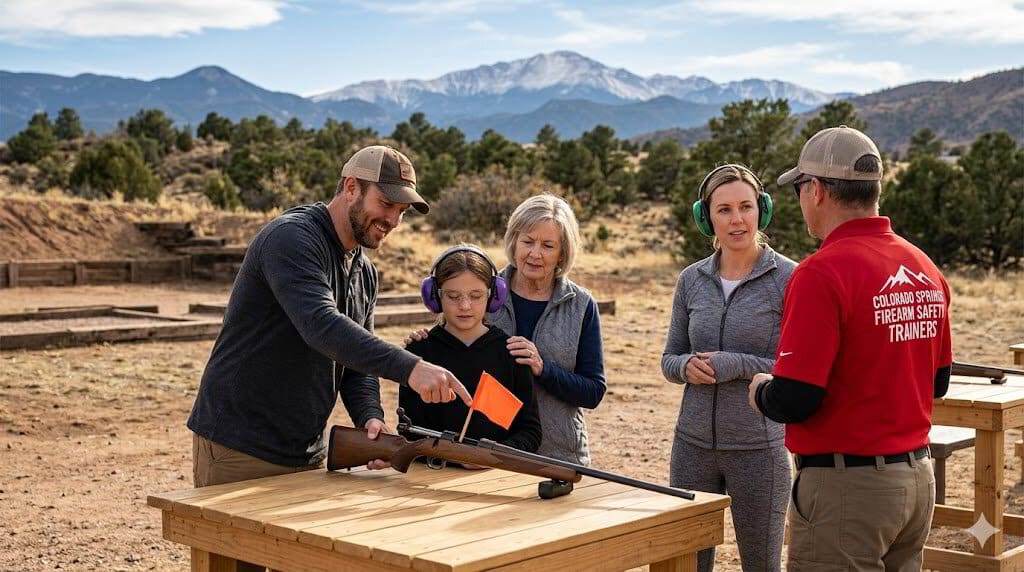
Introduction to Firearm Safety in Families
Firearm safety in family environments represents one of the most critical aspects of responsible gun ownership, particularly in Colorado Springs where outdoor recreation and personal protection are deeply embedded in the community culture. With Colorado's strong tradition of firearm ownership and the constitutional right to bear arms, families across the Pikes Peak region must prioritize comprehensive safety education to protect their loved ones while maintaining their Second Amendment rights.
According to recent statistics, Colorado ranks among the top states for firearm ownership, with approximately 45% of households containing at least one firearm. In Colorado Springs specifically, this percentage is even higher due to the area's military presence, hunting culture, and emphasis on personal protection. This prevalence makes implementing effective firearm safety tips for families in Colorado Springs not just recommended, but essential for community well-being.
The responsibility of firearm ownership extends far beyond the individual owner when children are present in the home. Every family member, regardless of age, plays a crucial role in maintaining a safe environment. Understanding proper protocols, establishing clear communication channels, and investing in professional education creates the foundation for responsible firearm ownership that protects families while respecting constitutional rights and local traditions.
Understanding Firearm Safety Basics
The foundation of effective firearm safety rests on four fundamental principles that every family member must understand and practice consistently. These universal rules form the cornerstone of responsible firearm handling and have prevented countless accidents when properly implemented.
The first principle emphasizes treating every firearm as if it were loaded, regardless of its actual condition. This mindset eliminates complacency and ensures consistent safe handling practices. The second rule requires never pointing a firearm at anything you do not intend to destroy, maintaining proper muzzle discipline at all times. The third principle involves keeping your finger off the trigger until ready to shoot, preventing accidental discharges during handling or movement. Finally, the fourth rule mandates being certain of your target and what lies beyond it, ensuring responsible shot placement and preventing unintended consequences.
Safe handling extends beyond these basic rules to encompass proper storage, regular maintenance, and ongoing education. Families must understand that firearm safety is not a one-time lesson but an ongoing commitment requiring constant vigilance and reinforcement. This includes understanding how different types of firearms operate, recognizing potential malfunctions, and knowing appropriate responses to various scenarios.
Common myths about firearm safety often create dangerous misconceptions within families. Some believe that simply teaching children not to touch firearms is sufficient protection, while others assume that hiding weapons adequately ensures safety. These approaches fail to account for children's natural curiosity and their ability to discover hidden items. Additionally, the myth that unloaded firearms pose no risk ignores the possibility of forgotten ammunition or improper clearing procedures. Addressing these misconceptions through proper education helps families develop realistic and effective safety protocols that account for human nature and potential oversights.
Creating a Safe Environment at Home
Establishing a secure home environment requires multiple layers of protection that work together to prevent unauthorized access while maintaining reasonable accessibility for legitimate purposes. The foundation of home firearm security begins with proper storage solutions that separate firearms from ammunition and restrict access to authorized individuals only.
Modern firearm safes offer the most comprehensive protection, providing fire resistance, theft deterrence, and quick access for authorized users. Biometric safes allow rapid access through fingerprint recognition while preventing children from gaining entry. For families with multiple firearms, larger safes accommodate entire collections while maintaining organization and security. When selecting a safe, consider factors such as fire rating, steel thickness, locking mechanism reliability, and bolt configuration to ensure maximum protection.
Trigger locks and cable locks provide additional security layers, particularly for firearms stored outside primary safes. These devices prevent firing even if someone gains access to the weapon, creating redundant safety measures. However, families must understand that locks alone are insufficient protection and should complement, not replace, proper storage protocols. Regular inspection of locking mechanisms ensures continued effectiveness and identifies potential wear or damage requiring replacement.
Teaching children about firearm dangers requires age-appropriate approaches that emphasize safety without creating excessive fear or unhealthy curiosity. Young children benefit from simple, clear rules about never touching firearms and immediately informing adults when they discover weapons. As children mature, education can expand to include basic safety principles and the serious responsibilities associated with firearms. This progressive approach builds understanding while maintaining appropriate boundaries for different developmental stages.
Environmental considerations extend beyond storage to include establishing clear rules about firearm handling areas, maintaining clean sight lines in storage locations, and ensuring adequate lighting for safe access. Families should designate specific areas for firearm maintenance and handling, away from high-traffic zones and equipped with appropriate safety equipment. Regular household safety audits help identify potential risks and ensure continued adherence to established protocols as family circumstances change over time.
Open Communication About Firearms
Effective communication about firearms within families creates an environment where safety concerns can be addressed openly and honestly, reducing the likelihood of accidents caused by curiosity or misinformation. This dialogue must be ongoing, age-appropriate, and tailored to each family member's maturity level and understanding capacity.
Beginning conversations about firearm safety requires careful consideration of timing and approach. Parents should initiate discussions when children are old enough to understand basic safety concepts but before they encounter firearms independently. These conversations should emphasize the serious nature of firearms while avoiding language that creates excessive fear or anxiety. Using clear, simple terms helps children understand the importance of safety rules without overwhelming them with complex technical information.
Encouraging responsible behavior around firearms involves establishing clear expectations and consistently reinforcing positive choices. Children who understand the reasoning behind safety rules are more likely to follow them consistently. Parents should explain how proper behavior protects everyone in the family and community, connecting individual actions to broader consequences. Recognition and praise for following safety protocols reinforces desired behaviors and encourages continued compliance.
Addressing fears and misconceptions requires patient listening and thoughtful responses that acknowledge concerns while providing accurate information. Some children may develop anxiety about firearms in the home, while others might romanticize weapons based on media portrayals. Parents must create safe spaces for expressing these feelings while gently correcting misunderstandings through factual education and reassurance about implemented safety measures.
Regular family meetings provide opportunities to review safety protocols, discuss any concerns, and update rules as children mature or circumstances change. These discussions should include all family members old enough to participate meaningfully, creating shared responsibility for maintaining a safe environment. Parents can use these meetings to reinforce key concepts, address questions, and ensure everyone understands their role in maintaining family safety.
The communication process must also extend to discussing scenarios children might encounter outside the home, such as discovering firearms at friends' houses or encountering weapons in public spaces. Teaching children appropriate responses to these situations, including immediately leaving the area and informing trusted adults, helps protect them beyond the family environment. Role-playing exercises can help children practice appropriate responses in low-stress settings, building confidence for real-world situations.
Firearm Safety Training Opportunities in Colorado Springs
Professional firearm safety training provides families with comprehensive education that goes far beyond basic safety rules, offering hands-on experience and expert guidance tailored to individual needs and skill levels. Colorado Boots Firearms Instruction offers specialized programs designed specifically for families seeking to build strong safety foundations while developing practical skills.
The Kids Firearm Safety Class at Colorado Boots provides age-appropriate education that teaches children fundamental safety principles through engaging, interactive methods. This program addresses children's natural curiosity about firearms while establishing clear safety protocols and respect for weapons. Professional instructors understand how to communicate effectively with young learners, using techniques that ensure comprehension and retention of critical safety information.
For parents seeking comprehensive education, the Handgun Fundamentals Course covers essential safety principles alongside practical handling skills. This training helps parents understand their firearms thoroughly, enabling them to make informed decisions about storage, handling, and family education. The course addresses common safety concerns while building confidence in proper firearm management techniques.
Families interested in concealed carry Colorado Springs options benefit from the Colorado Concealed Carry License Training, which covers legal requirements alongside safety protocols. This comprehensive program ensures parents understand both their rights and responsibilities when carrying firearms, particularly important for families where children might be present during daily activities. Understanding legal obligations helps families make informed decisions about when and how to carry firearms responsibly.
Personalized coaching and one-on-one sessions allow families to address specific concerns or unique circumstances that might not be covered in group settings. These customized programs can focus on particular challenges, such as introducing firearms to anxious family members or addressing specific storage concerns based on home layouts. Individual attention ensures that each family receives education tailored to their particular needs and circumstances.
The benefits of professional training extend beyond basic safety to include ongoing support and resources for maintaining safe practices over time. Instructors can provide recommendations for equipment, storage solutions, and continued education opportunities that help families adapt their safety protocols as circumstances change. Professional guidance helps families avoid common mistakes and ensures they stay current with best practices and legal requirements.
Regular Safety Practices for Families
Establishing consistent safety routines creates habits that protect families through systematic approaches to firearm security and handling. These practices must become second nature, integrated into daily life in ways that ensure continued compliance without creating burdensome obligations that might be abandoned over time.
Regular safety checks should occur on predetermined schedules, examining storage security, lock functionality, and ammunition separation. Monthly inspections of safes and locking devices ensure continued effectiveness and identify potential maintenance needs before they compromise security. These checks should include verifying that combinations or access codes remain secure and that only authorized individuals retain access credentials.
Firearm maintenance schedules must incorporate safety protocols that protect family members during cleaning and inspection procedures. Establishing designated areas for maintenance work, away from common family spaces, reduces exposure risks while ensuring adequate ventilation and lighting for safe procedures. All maintenance activities should follow established protocols that include ammunition separation, proper tool usage, and secure storage of cleaning materials.
Safety drill implementation helps families practice emergency procedures and reinforces proper responses to various scenarios. These exercises might include practicing safe storage procedures under time pressure, responding to unauthorized access attempts, or managing situations where firearms must be moved quickly. Regular practice builds muscle memory and confidence while identifying potential weaknesses in established protocols.
Documentation of safety practices helps families track compliance and identify areas needing improvement. Simple logs recording safety checks, maintenance activities, and training updates provide valuable records for insurance purposes while ensuring accountability for established procedures. These records also help identify patterns or recurring issues that might require protocol adjustments or additional training.
Staying current with evolving safety information requires ongoing education through reputable sources, including manufacturer updates, training organizations, and law enforcement agencies. Technology improvements, legal changes, and new safety research can impact family protocols, making continued learning essential for maintaining effective safety measures. Families should establish relationships with local training providers and law enforcement agencies to ensure access to current information and resources.
Environmental awareness extends safety practices beyond the home to include vehicle storage, travel protocols, and temporary storage situations. Families who transport firearms must understand legal requirements and safety obligations for different jurisdictions, particularly when traveling with children. Establishing clear protocols for these situations ensures continued safety compliance regardless of location or circumstances.
Engaging Children in Firearm Education
Age-appropriate firearm education helps children understand safety principles while building respect for firearms and their potential consequences. This education must be carefully calibrated to match developmental stages, ensuring comprehension without creating inappropriate exposure or responsibility burdens beyond children's maturity levels.
Early childhood education focuses on basic safety rules and recognition skills that help children identify firearms and respond appropriately when they encounter them. Simple concepts like "stop, don't touch, leave the area, tell an adult" provide clear action steps that young children can remember and implement effectively. Visual aids and repetitive practice help reinforce these concepts without requiring detailed understanding of firearm mechanics or operation.
Elementary-age children can begin learning more detailed safety principles while understanding the serious nature of firearms and their potential consequences. Education at this level might include basic firearm identification, understanding the difference between real weapons and toys, and recognizing situations requiring adult intervention. Children at this stage can also begin understanding family safety rules and their role in maintaining household security.
Adolescents may be ready for more comprehensive education that includes basic handling principles under strict adult supervision. This education should emphasize the permanent nature of firearm consequences and the serious responsibility associated with any firearm interaction. Teenagers can understand legal implications, personal liability, and community safety considerations that inform responsible decision-making about firearms.
Educational resources such as books, videos, and interactive programs provide supplementary learning opportunities that reinforce classroom or family instruction. High-quality materials from reputable sources help children understand safety concepts through engaging presentations that maintain attention while delivering critical information. Parents should review all educational materials to ensure alignment with family values and safety protocols.
Involving children in appropriate safety practices helps them understand their role in maintaining family security while building respect for established protocols. This might include helping with safety checks, organizing storage areas, or participating in family safety discussions. Age-appropriate involvement builds understanding and cooperation while ensuring children don't assume responsibilities beyond their developmental capacity.
Conclusion and Next Steps
Implementing comprehensive firearm safety tips for families in Colorado Springs requires ongoing commitment, professional education, and consistent practice that evolves with changing family circumstances. The foundation of effective family firearm safety rests on understanding fundamental principles, creating secure environments, maintaining open communication, and seeking professional guidance when needed.
Families who prioritize safety education create environments where firearms can be owned responsibly while protecting all family members from preventable accidents. This commitment extends beyond individual households to contribute to broader community safety and responsible firearm ownership culture throughout the Colorado Springs area. By investing in proper education and maintaining consistent safety practices, families demonstrate respect for both constitutional rights and community welfare.
The next steps for families serious about firearm safety involve connecting with professional training providers who can assess individual needs and provide customized education programs. Colorado Boots Firearms Instruction offers comprehensive training options designed specifically for families seeking to build strong safety foundations while developing practical skills appropriate for their circumstances and goals.
Take Action Today: Protect Your Family with Professional Firearm Safety Training
Don't leave your family's safety to chance. Colorado Boots Firearms Instruction offers specialized programs designed specifically for families in Colorado Springs, including our comprehensive Kids Firearm Safety Class and family-focused training sessions. Our experienced instructors provide the knowledge and confidence you need to maintain a safe environment while exercising your Second Amendment rights responsibly.
Contact Colorado Boots Firearms Instruction today at 719-782-8793 or visit https://coloradobootsfirearmsinstruction.com/ to schedule your family's safety training session. Whether you're new to firearm ownership or seeking to enhance your existing knowledge, our personalized coaching and comprehensive courses ensure your family develops the skills and understanding necessary for lifelong safety. Invest in your family's protection – enroll in professional firearm safety training today.
Tags: firearm safety tips Colorado Springs, family gun safety, safe firearm storage
Latest Blog & Articles
The Ultimate Guide to Defensive Handgun Training in Colorado
In an increasingly uncertain world, mastering defensive handgun training is essential for responsible gun ownership and personal safety. Co…
Read more →
Best Practices for Defensive Handgun Training: A Comprehensive Guide
In a world where personal safety is increasingly vital, mastering defensive handgun training is essential for anyone considering firearm ow…
Read more →
The Ultimate Guide to Firearm Training Courses in El Paso County, Colorado
In an age where firearm safety and education are paramount, Colorado Boots is proud to provide the definitive guide to firearm training cou…
Read more →