
Essential Firearm Safety Classes For Beginners
April 29, 2025 · Firearm Safety Classes
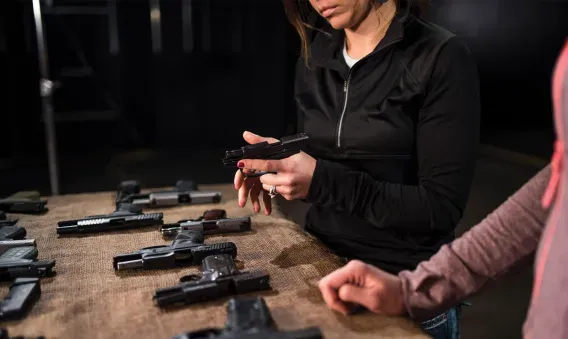
Did you know that nearly 80% of firearm-related accidents could be prevented with proper
education and training? Enrolling in firearm safety classes for beginners is not only a vital step
for new gun owners but also a responsible choice for anyone looking to understand the
complexities of firearms. These classes provide essential knowledge about safe handling
practices, legal responsibilities, and effective storage methods while fostering an appreciation
for the Second Amendment. Whether you have just purchased your first firearm or are simply
curious about the world of shooting sports, taking these classes empowers you to navigate the
responsibilities of gun ownership safely and confidently. Dive into this guide to explore the
essential aspects of firearm safety classes designed for newcomers to the shooting community.
Understanding the Importance
of Firearm Safety
Firearm safety is not just a matter of regulation; it is a fundamental aspect of responsible gun
ownership. Understanding the implications of handling firearms can prevent accidents and save
lives. In the realm of firearm usage, safety is paramount, and this is why enrolling in firearm
safety classes for beginners is essential.
Why Safety is Paramount
The significance of firearm safety cannot be overlooked. As firearm-related injuries and
accidents occur every year, fostering a culture of safety is vital. It reduces risks not only for the
individual but also for families and communities. Here are some key reasons why firearm safety
should be prioritized:
- Accident Prevention: Education minimizes the likelihood of mishaps.
- Improved Handling Skills: Knowledge enhances proficiency and confidence.
- Legal Compliance: Awareness of local laws protects individuals from legal
repercussions.
Historical Context of Firearm Safety
Firearm safety has evolved significantly over the years. Historically, firearms were often
misused, leading to tragic outcomes. The introduction of structured firearm safety classes has
led to an increase in responsible ownership and significantly decreased accidents. As a result,
communities now have a better understanding of firearms and their responsible use.
Overview of Firearm Safety
Classes for Beginners
As a beginner, understanding the landscape of firearm safety classes is crucial.
These classes are designed to impart essential knowledge and skills:
What to Expect in Training
- Comprehensive safety protocols
- Hands-on practice with firearms
- Instruction on legal responsibilities
Types of Classes Available
Firearm safety classes come in various formats to cater to beginners:
- Basic Safety Courses: Focus on fundamental safety principles.
- Hands-on Workshops: Provide live instruction and practice.
- Online Courses: Offer flexibility for those with time constraints.
For more information on various firearm training resources, check out the National Rifle
Association’s safety training page.
By understanding the importance of firearm safety and engaging in firearm safety classes for
beginners, individuals can take the first step toward responsible and knowledgeable gun
ownership. This foundational education is not just beneficial; it is necessary to ensure safety for
oneself and others in the community.
Key Topics Covered in Firearm
Safety Classes
Firearm safety classes for beginners encompass a wide range of critical topics. Understanding
these subjects not only prepares individuals for safe handling but also fosters a deeper respect
for firearms. Below are some key topics typically covered in these classes:
Basic Firearm Handling
Beginners will learn the foundational aspects of handling firearms, including:
- Proper Grip: Techniques to ensure stability and control.
- Aiming and Sight Alignment: How to accurately aim at targets.
- Trigger Control: Importance of smooth and deliberate trigger pulls.
Safe Storage Practices
Responsible firearm owners understand that proper storage is crucial. Classes often cover:
- Locking Mechanisms: Utilizing safes and lock boxes.
- Storage Locations: Safe and secure areas for firearm storage.
- Child Safety: Strategies to prevent unauthorized access, especially from children.
Understanding Firearm Mechanics
A solid comprehension of firearm mechanics is essential. Classes typically include:
- Parts of a Firearm: Recognizing and understanding each component.
- Functionality: How different types of firearms operate.
- Malfunction Protocols: What to do in case of a misfire or jam.
By studying these key topics in firearm safety classes for beginners, participants can build a
robust understanding of safe firearm practices. This knowledge not only enhances their skills
but also contributes to a culture of safety and responsibility. For more comprehensive
information and resources, consider visiting the U.S. Bureau of Alcohol, Tobacco, Firearms and
The Role of Qualified Instructors
One of the most significant aspects of firearm safety classes for beginners is the role of qualified
instructors. Effective training relies heavily on the knowledge and experience of the instructors,
making their qualifications and teaching style essential to a beginner's learning process.
Importance of Experienced Trainers
Experienced trainers bring a wealth of knowledge and practical insights that enhance the
learning experience. They are equipped to teach individuals the following:
- Real-World Application: Sharing experiences that illustrate safety principles in action.
- Customized Instruction: Adapting teaching methods to fit different learning styles.
- Emergency Procedures: Equipping students with knowledge on how to handle potential
emergencies.
Instructor Certification and Credentials
When selecting a firearm safety class, it's crucial to ensure that instructors are certified. Check
for the following credentials:
- NRA Certification: Many reputable instructors have certification from the National Rifle
Association, ensuring a recognized standard of safety education.
- State Regulations Compliance: Some states require instructors to have specific
licenses to teach firearm safety classes.
- Continuous Education: Instructors who stay current with training and certifications are
more likely to deliver up-to-date training.
Having knowledgeable, certified instructors in firearm safety classes for beginners significantly
enhances the overall training experience. Not only do they impart foundational safety
knowledge, but they also cultivate a learning environment where confident, responsible firearm
handling can flourish. For more information on firearms training certifications, you can visit the
Preparing for Your First Class
Entering firearm safety classes for beginners can be a transformative step for anyone interested
in responsible gun ownership. Preparation is key to maximizing the benefits of this initial training
experience. Here’s how to get ready for your first class.
What to Bring and Wear
Dressing appropriately and packing the right accessories can enhance your comfort and focus
during the class. Consider the following:
- Comfortable Clothing: Opt for clothing that allows for ease of movement. Avoid loose
sleeves that may interfere with handling firearms.
- Closed-Toe Shoes: Safety should come first; wear sturdy, closed-toe shoes for protection
and stability.
- Hearing Protection: Bring earplugs or earmuffs, as the class may involve live-fire
exercises.
Mental Preparation and Attitude
Besides physical readiness, mental preparation is crucial. A positive and open mindset will aid
in learning effectively. Here are some tips:
- Stay Open-Minded: Approach the class with a willingness to learn. Be open to
constructive feedback from instructors.
- Ask Questions: Don’t hesitate to ask questions, whether they're about safety protocols or
firearm mechanics. This dialogue enhances understanding.
- Focus on Safety: Remember that the primary goal of the class is to instill a strong
understanding of safety. Prioritize absorbing this knowledge above all.
Preparing for firearm safety classes for beginners will ensure you gain the most from your
training experience. By being equipped with the right attitude and materials, you’ll set the
foundation for responsible firearm ownership. For additional preparation tips and resources,
consider exploring the American Firearms Training website.
Benefits Beyond Basic Safety Knowledge
Participating in firearm safety classes for beginners provides more than just a foundational
understanding of safety protocols; it lays the groundwork for a more responsible and informed
approach to gun ownership. Here are some key benefits that participants can expect to gain
from these classes.
Building Confidence in Handling Firearms
One of the most valuable outcomes of attending firearm safety classes is the confidence that
comes with proper training. Attendees will learn:
- Safe Handling Practices: Mastering the fundamentals helps mitigate fears and
hesitations around firearms.
- Practical Experience: Engaging in hands-on practice builds familiarity and comfort with
various firearm types.
- Emergency Preparedness: Understanding emergency protocols instills a sense of
readiness in unforeseen situations.
Developing an Appreciation for Responsible Gun Ownership
In addition to safety skills, these classes also foster a greater appreciation for the
responsibilities tied to owning a firearm. Participants will explore:
- Legal Aspects: Classes often cover local and federal laws, reinforcing the importance of
compliance and responsible usage.
- Ethical Considerations: Discussions on ethical gun ownership promote thoughtful
engagement with firearms as a means of self-defense.
- Civic Responsibility: Owning a firearm entails a duty to act responsibly within the
community, which these classes highlight.
By enrolling in firearm safety classes for beginners, individuals not only equip themselves with
essential skills but also develop a lasting respect for firearms and their implications in society.
This deeper understanding encourages safe and responsible gun ownership. For further
insights into responsible gun ownership, visit the Everytown for Gun Safety.
Choosing the Right Firearm Safety Class
Selecting the appropriate firearm safety classes for beginners is crucial for ensuring a
comprehensive learning experience. With a variety of options available, it is important to
consider several factors that can impact the quality of training received.
Factors to Consider
When exploring your options for firearm safety classes, keep the following in mind:
- Instructor Qualifications: Ensure the instructors are certified and have ample teaching
experience. Look for credentials from reputable organizations such as the NRA or local
law enforcement agencies.
- Class Format: Decide whether you prefer in-person classes, which often include
hands-on practice, or online courses that provide flexibility. Both formats have their
benefits, so choose based on your comfort level and availability.
- Course Content: Review the curriculum to ensure it covers essential topics like handling,
storage, and legal responsibilities. A well-rounded class typically includes both theory and
practical exercises.
Finding Classes Near You
Once you've identified what to consider, the next step is finding a suitable class in your area.
Here are some resources to help:
- Local Gun Ranges: Many ranges offer instructional courses and can provide
personalized recommendations.
- Firearms Associations: Local organizations often host safety classes and can be a
valuable resource for finding reputable instructors.
- Online Directories: Websites like NRA Training can help you locate certified training
courses near you.
Taking the time to select the right firearm safety classes for beginners not only enhances the
learning experience but also sets the foundation for a responsible and safe approach to gun
ownership. By evaluating your options carefully, you’ll be better prepared to engage with
firearms safely and confidently.
Continuing Education in Firearm Safety
Engaging in firearm safety classes for beginners provides a solid foundation, but responsible
gun ownership doesn't stop there. Continuing education is essential for deepening knowledge,
improving skills, and staying updated on laws and technologies related to firearms.
Importance of Ongoing Learning
As laws, technology, and best practices evolve, continual education helps firearm owners
remain informed and prepared. Here are some reasons why ongoing education is vital:
- Staying Current: Firearm regulations and safety practices can change. Continuous
learning ensures you are up-to-date with the latest requirements.
- Skill Enhancement: Advanced classes provide opportunities to refine existing skills and
learn new techniques, making you a more proficient shooter.
- Community Building: Engaging in further training often connects you with like-minded
individuals, fostering a sense of community and support among gun owners.
Types of Advanced Classes and Workshops
Once you have completed your beginner course, you might consider exploring the following
types of advanced education:
- Tactical Training: Focuses on defensive shooting techniques and situational awareness.
- Refresher Courses: Offer a brief review of safety, handling, and legal responsibility.
- Niche Courses: Specialized topics such as first aid for gun owners or specific disciplines
like competitive shooting.
For firearm owners looking to progress their education, avenues for advanced training are
plentiful. Organizations like the National Shooting Sports Foundation provide resources and
course listings to help you find the next step in your firearm education journey.
By committing to ongoing education after completing firearm safety classes for beginners, you
not only enhance your skills but also contribute to the overall culture of safety and responsibility
within the gun-owning community.
Conclusion: Empowering Yourself Through Education
In summary, participating in firearm safety classes for beginners is a crucial step toward
responsible gun ownership. These classes provide not only essential safety knowledge but also
empower individuals to approach firearms with confidence and respect.
Encouragement to Enroll in Firearm Safety Classes
Whether you are a first-time gun owner or simply looking to refine your skills, enrolling in a
firearm safety class is an investment in your safety and the safety of those around you. Here are
a few key takeaways:
- Foundation of Knowledge: Acquire fundamental information on safe handling, legal
aspects, and ethical responsibilities.
- Building Skills: Gain hands-on experience under the guidance of qualified instructors,
nurturing confidence in your abilities.
- Community Engagement: Connect with fellow enthusiasts and advocates of responsible
gun ownership, fostering a supportive learning environment.
The Path to Responsible Gun Ownership
This journey doesn’t end with beginner classes; responsible gun ownership demands an
ongoing commitment to education and practice. As you develop your skills and understanding,
you contribute to a culture of safety and awareness in your community.
For those ready to begin their journey, resources such as the American Gun Association provide
information on finding appropriate classes and ongoing training opportunities.
By taking the steps to educate yourself through firearm safety classes for beginners, you are
making a significant commitment to responsible firearm ownership that benefits not only yourself
but also your family and community.
Resources for Further Learning
To enhance your experience and knowledge gained from firearm safety classes for beginners,
it’s important to utilize additional resources that support your ongoing education. Whether you’re
looking to deepen your understanding or stay updated on industry trends, there are numerous
outlets available.
Books and Manuals
Reading authoritative books and manuals can provide valuable insights and guidance on
firearm safety. Consider exploring:
- “The Complete Guide to Handgun Training” by Mike Seeklander: A comprehensive
resource covering essential skills and techniques.
- “Gun Safety: Done in 1 Day” by Al E. Baker: This book focuses on key safety practices
for gun owners.
Online Courses and Webinars
If you prefer flexible learning options, there are many reputable online providers offering courses
and webinars. Some notable platforms include:
- NRA Online Training: Provides a variety of course options for all skill levels.
- USCCA Courses: Offers a range of online training that includes legal aspects and
personal protection.
Community Organizations
Engaging with local or national firearm advocacy organizations can also provide a wealth of
resources. Consider joining:
- The National Rifle Association (NRA): A well-known entity providing educational
materials and training resources.
- The US Concealed Carry Association (USCCA): Offers courses, magazines, and
community support for firearm owners.
By leveraging these resources after completing firearm safety classes for beginners, you can
maintain a proactive approach to learning and responsible gun ownership. For extensive firearm
training resources, visit Gun Owners of America, a valuable website dedicated to the rights and
education of gun enthusiasts.
What are firearm safety classes for beginners?
Firearm safety classes for beginners are structured courses designed to teach new gun owners
the fundamental principles of firearm safety, handling, and maintenance. These classes typically
cover topics such as safe handling practices, storage methods, and an understanding of local
laws regarding firearm ownership.
How long do firearm safety classes typically last?
The duration of firearm safety classes can vary based on the program and the curriculum. Most
beginner classes range from a few hours to a full day, encompassing both theoretical instruction
and practical exercises. Longer comprehensive courses might span several days and include
advanced topics.
Are there age restrictions for enrolling in firearm safety classes?
Many firearm safety classes do have age restrictions, typically requiring participants to be at
least 18 years old to handle firearms. However, some classes may allow minors to participate
with parental consent or under the supervision of an adult. Always check with the course
provider for specific age guidelines.
Do I need to own a firearm before taking a safety class?
No, you do not need to own a firearm before attending a firearm safety class for beginners.
These classes are designed to cater to individuals who are new to firearms, as well as those
who may be considering purchasing one in the future. Instruction often includes both theoretical
knowledge and hands-on practice with different types of firearms.
What should I expect from a typical firearm safety class for beginners?
In a typical firearm safety class for beginners, you can expect to learn about the four
fundamental rules of firearm safety, proper handling and storage techniques, an introduction to
different types of firearms, and legal responsibilities associated with gun ownership. Many
classes also include live-fire exercises where participants can practice their skills under the
supervision of qualified instructors.
Essential Firearm Safety Classes
for Beginners
At Colorado Boots Firearms Instruction, we provide beginner-friendly firearm safety courses designed to build confidence and ensure responsible gun handling. Our expert instructors cover fundamental safety rules, proper handling techniques, and secure firearm storage, giving you the essential skills needed for safe and responsible gun ownership. Whether you're new to firearms or looking to strengthen your knowledge, our hands-on training will equip you with the confidence and awareness to handle firearms safely. Start your journey with us today and learn the right way from the start!
Tags: Firearm, Safety, Beginners
Latest Blog & Articles
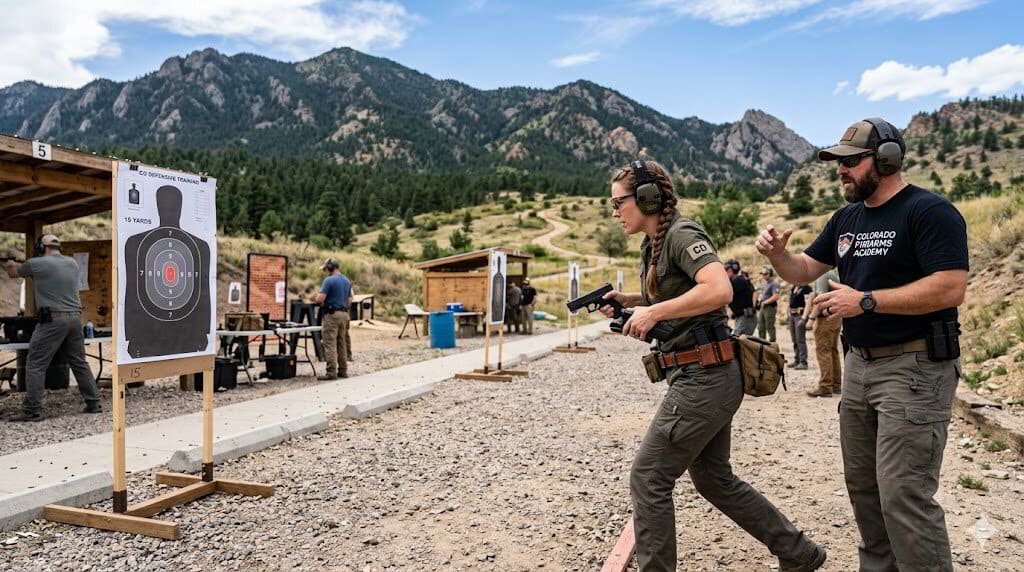
The Ultimate Guide to Defensive Handgun Training in Colorado
In an increasingly uncertain world, mastering defensive handgun training is essential for responsible gun ownership and personal safety. Co…
Read more →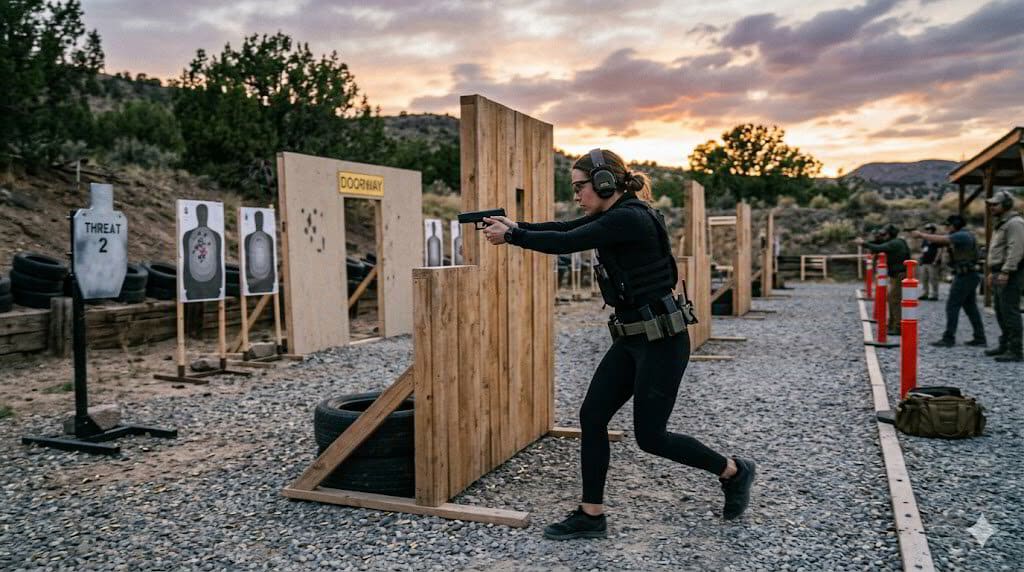
Best Practices for Defensive Handgun Training: A Comprehensive Guide
In a world where personal safety is increasingly vital, mastering defensive handgun training is essential for anyone considering firearm ow…
Read more →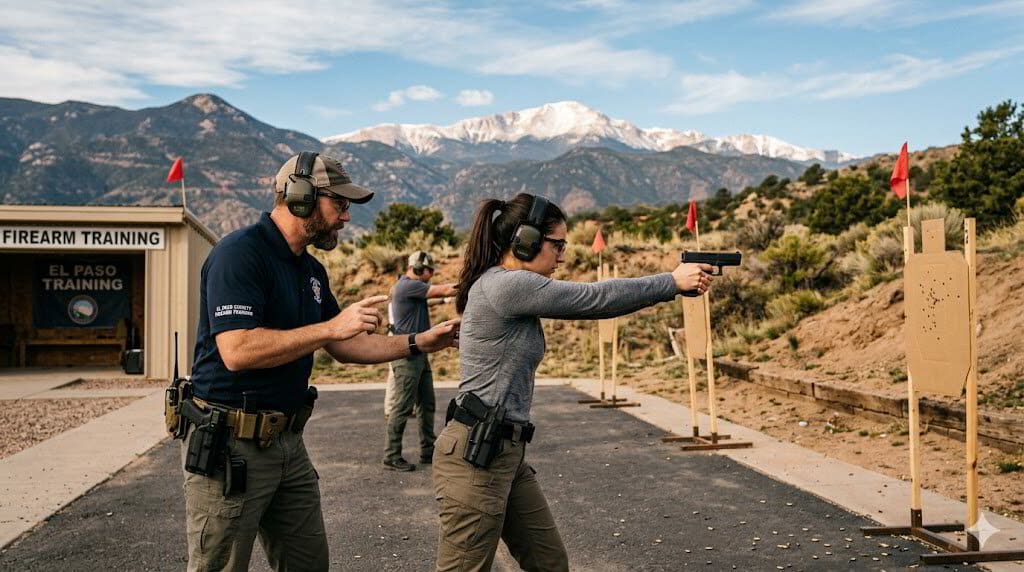
The Ultimate Guide to Firearm Training Courses in El Paso County, Colorado
In an age where firearm safety and education are paramount, Colorado Boots is proud to provide the definitive guide to firearm training cou…
Read more →