
Engaging success stories of improved firearm skills
December 24, 2024 · success stories of improved firearm skills
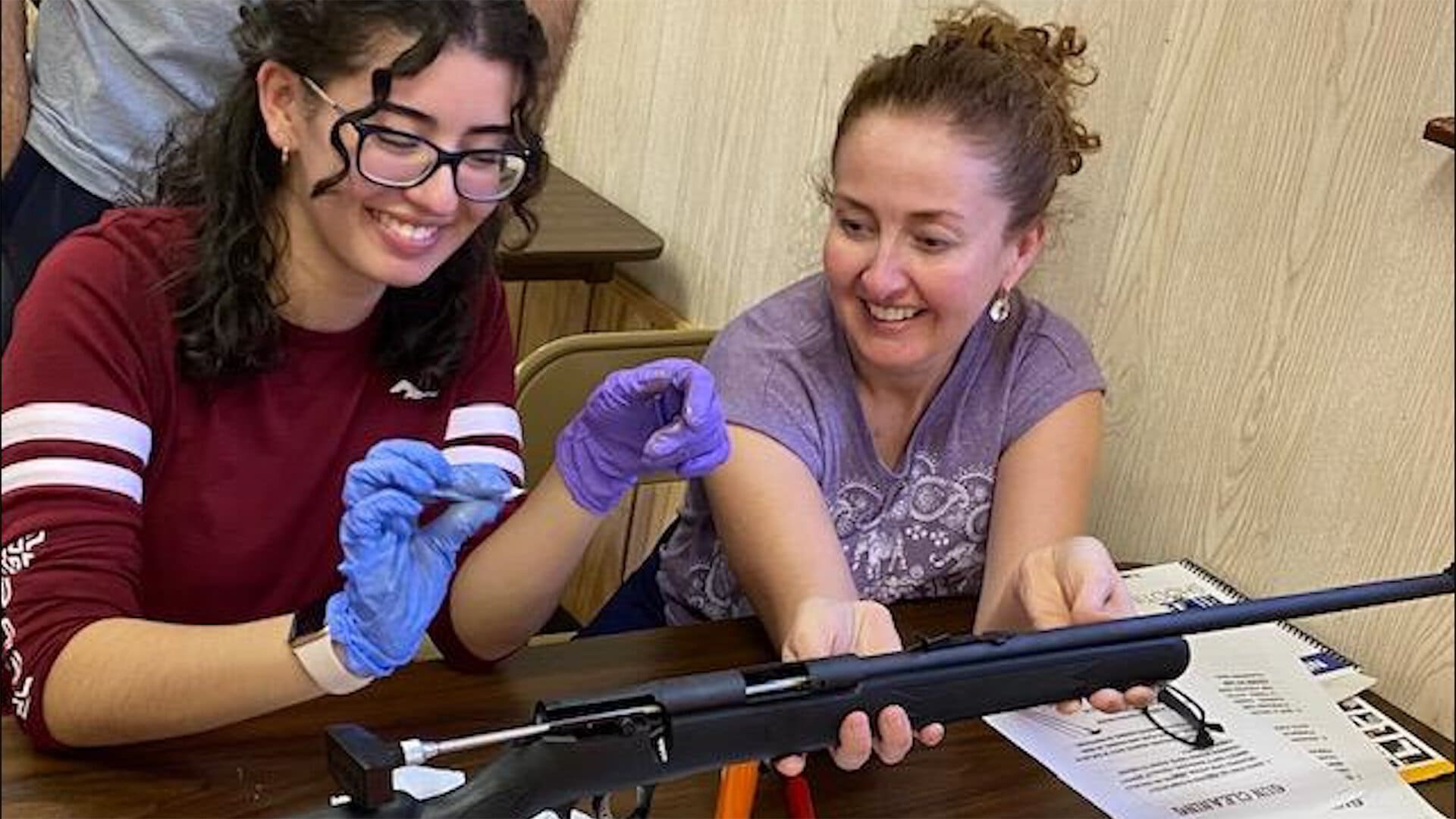
Engaging success stories from students who improved their firearm skills not only highlight the
transformative journey of personal growth but also shine a light on the far-reaching impact of
dedicated training. Did you know that a large percentage of firearm accidents could be
significantly reduced with proper training and knowledge? In today’s world, where responsible
gun ownership is paramount, mastering firearm skills is about more than just hitting targets; it’s
about building confidence, understanding safety, and enhancing one’s ability to respond
effectively in real-life situations. As we explore these inspiring narratives, you will discover the
lessons learned, challenges faced, and the unwavering dedication of individuals who have taken
their firearm training seriously, ultimately shaping a safer and more informed community.
The Journey to Firearm Proficiency
Understanding the Learning Curve
Embarking on the journey to improve firearm skills can be daunting, especially for beginners.
Many students experience initial anxiety, fear, or uncertainty when handling firearms. However,
through structured training and support, these fears can transform into confidence and
proficiency. The key is to focus on skill development gradually, allowing individuals to progress
at their own pace.
Initial Challenges Faced by Students
Every student has a unique experience and set of challenges. Some common hurdles
encountered include:
- Fear of Recoil: Many beginners are apprehensive about the physical sensations
experienced during firing.
- Understanding Safety Protocols: Familiarizing oneself with safety measures is essential
before handling firearms.
- Developing Accuracy: Achieving precise aim can take practice and patience.
These challenges, while intimidating, often become integral parts of the engaging success
stories from students who improved their firearm skills.
A Diverse Group of Learners
At Colorado Boots Firearms Instruction, we welcome individuals from all walks of life. This
diversity enriches the learning environment, as students bring unique perspectives and
experiences to the table.
Backgrounds and Experience Levels
Our classes are designed for both novices and those with previous knowledge. This ensures:
- Tailored Learning: Instruction can be adapted to match varied levels of skill.
- Peer Learning: Students learn from each other’s experiences, fostering a collaborative
atmosphere.
Why Diverse Perspectives Enrich the Training
- Broader Insights: Different backgrounds lead to a richer exchange of ideas.
- Skill Sharing: More experienced students can assist beginners, reinforcing their own
knowledge.
Transformation Through Training
Emphasizing the core tenets of firearm training, students experience a significant
transformation.
Safety Awareness
Understanding the importance of safety is the cornerstone of firearm instruction. Students learn
to appreciate the weight of responsibility that comes with firearm ownership.
Technical Skill Enhancement
Through hands-on practice and expert guidance, students improve their handling and shooting
skills, mastering:
- Stance and Grip: Fundamental body positioning ensures better control.
- Aiming Techniques: Precision aiming methods enhance accuracy.
- Trigger Control: Learning to maintain steadiness while firing.
Building Confidence in Handling Firearms
As students practice and refine their skills, they gain confidence, which extends beyond the
shooting range. Confidence is essential not just in aiming, but also in responsible firearm
ownership and in situations that may require self-defense.
Real-Life Applications of Skills Learned
Improvement in firearm skills has tangible real-world applications. Engaging success stories
from students often highlight their newfound capability to handle various scenarios:
Self-Defense Scenarios
Students learn to react appropriately in self-defense situations, understanding when to utilize
their skills effectively.
Recreational Shooting and Competitions
Many find joy in recreational shooting or competing, further cultivating their skills in a supportive environment.
The Importance of Responsible Gun Ownership
With enhanced skills comes the responsibility of being a conscientious gun owner. Students
often express a renewed commitment to safety practices and legal standards associated with
firearm use.
To explore more about responsible firearm ownership, check the resources available at the
National Rifle Association (NRA).
Join the Community: More Than Just Classes
At Colorado Boots Firearms Instruction, we don’t just teach firearm skills. We foster a
community where students can connect, share experiences, and support each other on their
journeys.
Celebrating Milestones and Achievements
Recognizing Progress in Skill Levels
As students embark on their journey to enhance their firearm skills, it's crucial to acknowledge
their milestones. Celebrating achievements not only boosts confidence but also motivates
individuals to continue improving.
Milestones can vary among students, but common recognitions include:
- Completing Basic Firearms Safety Course: A significant first step for many.
- Achieving Consistent Accuracy: Hitting targets consistently at varying distances.
- Successful Participation in a Shooting Event: Engaging in competitions elevates
experiences.
Impact of Setting Personal Goals
The process of improvement is often enhanced by setting personal goals. When students set
clear, achievable objectives, they create a roadmap for their progress.
- Specific Goals: Targets like ‘hitting the bullseye 80% of the time’ can guide practice
sessions.
- Measurable Outcomes: Tracking performance allows students to see their growth.
- Time-Bound Challenges: Committing to a specific timeframe can create urgency and a
sense of purpose.
Join the Community: More Than Just Classes
Engaging success stories from students who improved their firearm skills reveal the significance
of community involvement. The relationships formed in classes extend beyond the shooting
range, fostering an environment of support and camaraderie.
Peer Support and Networking
- Shared Experiences: Students share their challenges and triumphs, creating a bond
among peers.
- Encouragement: A supportive network fosters personal and collective growth.
- Skill Building: Collaborating with fellow students can help refine techniques and enhance
understanding.
The Role of Mentorship in Improvement
Experienced instructors and advanced students often take on mentorship roles:
- Guided Learning: Mentorship provides personalized attention and feedback.
- Skill Exchange: New students can share fresh perspectives, while veterans can pass on
experiences.
- Community Growth: A strong mentorship culture promotes a nurturing environment for
all.
The Importance of Continued Education
Even after achieving initial goals, the journey does not end. Continued education is vital for
those looking to further their skills and knowledge. Many students find that ongoing training
opportunities keep them engaged and motivated.
- Advanced Courses: Specialized training in areas such as tactical shooting or
marksmanship.
- Workshops and Seminars: Immersive experiences that cover safety, techniques, and
the latest firearm technologies.
- Competitions: Participating in competitive events challenges students to push their limits
and enhance their skills.
To explore a wide range of educational resources, visit the Smith & Wesson website for further
insights into firearm training and safety.
Conclusion: Your Story Could Be Next
As your own journey to improving firearm skills unfolds, remember that your story is a valuable
addition to our community. By embracing the challenges and celebrating the successes, you
contribute to the rich tapestry of experiences that inspire others. We invite you to share your
journey, connect with fellow enthusiasts, and continue to learn and grow in your proficiency and
passion for firearms.
The Importance of Responsible Gun Ownership
With the skill enhancement that comes from dedicated training, students often find themselves
reflecting on the ethical responsibilities of firearm ownership. Engaging success stories from
students who improved their firearm skills highlight not just the technical aspects of gun
handling but also the significance of being responsible owners.
Understanding Gun Ownership Responsibilities
Every gun owner must understand that with ownership comes a set of responsibilities. These
include:
- Safety Training: Continual education on firearm safety practices is essential.
- Secure Storage: Firearms should always be stored in a manner that prevents
unauthorized access, especially by children.
- Legal Compliance: Understanding and adhering to local, state, and federal laws
regarding firearm ownership.
Promoting Safety Awareness
The journey to improved firearm skills goes hand-in-hand with promoting safety awareness
among peers and the community. Students often find that as they become more knowledgeable,
they feel empowered to share that knowledge with others.
- Community Workshops: Members can host free workshops to educate others on safety
practices.
- Peer Mentorship: Students can take on roles to mentor new shooters, emphasizing the
importance of responsible ownership.
- Advocacy for Sensible Legislation: Engaging in discussions about sensible gun laws
can help advocate for responsible gun ownership.
Real-World Implications of Responsible Ownership
The impact of responsible firearm ownership is evident in everyday situations. When students
commit to safe practices, they contribute to a culture where firearms are handled with respect
and care.
- Self-Defense Preparedness: Knowing that they are well-prepared and that they handle
firearms responsibly can provide peace of mind in potentially dangerous situations.
- Community Trust: Responsible owners enhance the perception of gun owners within
their communities, fostering trust and respect.
- Reduced Accidents: A commitment to safety and education reduces the likelihood of
firearm-related accidents, benefiting everyone.
For comprehensive resources on firearm safety and responsibility, the National Shooting Sports
Foundation (NSSF) offers valuable insights and guidelines.
Encouraging a Culture of Responsibility
Ultimately, the journey of improving firearm skills leads to a broader understanding of
responsibility. Sharing engaging success stories from students not only inspires others to pursue
their training but also emphasizes the shared commitment to being a responsible firearm owner.
Our collective efforts help build a safer community for everyone.
Join the Community: More Than Just Classes
At Colorado Boots Firearms Instruction, we believe that learning goes beyond the classroom.
The community created among students fosters personal growth, enhances skills, and enriches
the overall experience of firearm training. Engaging success stories from students who
improved their firearm skills often highlight the supportive environment formed through
community involvement.
Peer Support and Networking
One of the most valuable aspects of our training programs is the peer support network that
develops among students. Participants often find that sharing experiences and challenges with
others can lead to significant improvements in their skills.
Benefits of Peer Support:
- Shared Knowledge: Students can exchange tips and best practices, enriching each
other’s learning experiences.
- Motivation: A supportive group provides encouragement to overcome personal
challenges, celebrating victories together.
- Resource Sharing: Learners often share resources such as training tools, local ranges,
or workshops.
The Role of Mentorship in Improvement
Mentorship is a critical component of the learning process at our academy. More experienced
students and instructors guide newcomers, offering invaluable insights that foster skill
enhancement.
Key Aspects of Effective Mentorship:
- Personalized Guidance: Mentors provide instruction tailored to each student’s needs,
focusing on techniques that require improvement.
- Constructive Feedback: Real-time feedback allows students to adjust their methods and
approach, leading to quicker mastery of skills.
- Confidence Building: Having a mentor or coach instills confidence in students,
encouraging them to push their boundaries.
Creating Lifelong Connections
The bonds formed during training at Colorado Boots Firearms Instruction often evolve into
lasting friendships. Through shared experiences at the range, students develop a strong
network that continues to support their development even after they complete their courses.
- Shooting Clubs: Many students join or create local clubs to stay connected and practice
together.
- Group Events: Regular community events foster camaraderie, where students can come
together to share lessons learned and skills gained.
- Family Atmosphere: The nurturing environment promotes a sense of belonging, making
students feel more at ease while learning.
The Importance of Continued Engagement
To fully benefit from the community, students are encouraged to stay engaged even after their
training concludes. Continued participation in classes, workshops, and community events
strengthens skills and reinforces the principles learned during initial training.
For additional resources and community engagement opportunities, check out the United States
Concealed Carry Association (USCCA) for valuable insights on training and responsible gun
ownership.
By embracing the collective journey within our community, students not only improve their
firearm skills but also contribute to a culture of safety, respect, and support, leading to more
dynamic and engaging success stories that inspire everyone involved.
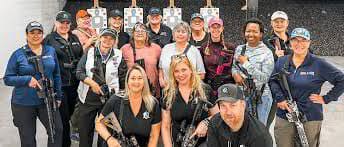
The Importance of Continued Education
As students progress in their firearm training, the journey doesn't end with achieving a certain
level of proficiency. Engaging success stories from students who improved their firearm skills
often reflect the necessity of continued education and training. The landscape of firearm safety
and handling constantly evolves, making lifelong learning essential for all gun owners.
Advanced Courses: Going Beyond the Basics
Once students have mastered foundational skills, pursuing advanced courses becomes a
valuable next step. These courses dive deeper into specific topics, allowing students to refine
their skills further.
Benefits of Advanced Training:
- Specialized Techniques: Courses may cover advanced topics such as tactical shooting,
defensive strategies, or even competition shooting.
- Skill Refinement: Continued training helps students polish existing skills, reducing bad
habits and improving performance.
- Expert Insights: Advanced classes often feature professionals or seasoned shooters
who share unique perspectives and expertise.
Workshops and Seminars: Immersive Learning Experiences
In addition to traditional classes, workshops and seminars provide immersive learning
experiences that can significantly enhance skills. These sessions often focus on specific areas
of interest.
Key Topics Typically Covered:
- Emergency Response Techniques: Learning how to react in high-pressure situations
can save lives.
- Legal Considerations: Understanding the laws surrounding firearm use is critical for
responsible ownership.
- New Technologies: Exposure to cutting-edge equipment and training tools keeps
students informed about the latest advancements in firearm safety.
Competitions: Testing Skills in Real-World Scenarios
Participating in shooting competitions offers a unique opportunity for students to test their skills
in a structured, high-pressure environment. Engaging in these events can lead to substantial
personal growth and improved performance.
Benefits of Competition:
- Skill Assessment: Competitions provide a benchmark to measure skill level against
others.
- Goal Setting: Preparing for competition encourages students to set and work towards
specific goals.
- Community Engagement: Competitions often include participants from diverse
backgrounds, fostering a sense of community.
For a wealth of educational resources and upcoming events, the National Shooting Sports
Foundation (NSSF) is an excellent platform for firearm enthusiasts to explore options for
continued education and skill enhancement.
Continued education is critical for any firearm enthusiast committed to responsible ownership
and personal improvement. Engaging success stories from students remind us that the journey
to mastering firearm skills is lifelong, and each step we take enhances not only our abilities but
also the safety and awareness of our communities.
Conclusion: Your Story Could Be Next
As we reflect on the engaging success stories from students who improved their firearm skills,
it's clear that every journey is unique and full of potential. Each student who commits to learning
and practicing not only enhances their proficiency but also contributes to a broader culture of
safety and responsibility in gun ownership.
Embrace Your Journey
If you've recently begun your training or are contemplating starting, remember that every expert
was once a beginner. Your journey to proficient firearm handling is a path filled with learning
opportunities and personal growth. Consider the following
- Set Personal Goals: Identify what you want to achieve, whether it's mastering specific
skills, participating in competitions, or enhancing self-defense capabilities.
- Stay Open to Learning: Each training session offers a chance to discover something
new—embrace the lessons and experiences shared by instructors and peers.
- Engage with the Community: Connect with fellow students to share insights and gather
support. The community can be an invaluable resource in your learning journey.
Share Your Story
Each student’s success is an inspiration to others. As you progress, consider documenting your
experiences and sharing your story. Whether through social media, local groups, or community
forums, your insights can motivate others to embark on their own journeys to firearm
improvement.
For a great platform to share and connect, check out the Firearms Blog where you can find a
community of like-minded individuals who share your passion.
Your journey has the power to inspire others to take their first steps toward improved firearm
skills. So, take pride in your progress and remember that every step—no matter how
small—brings you closer to becoming the responsible and skilled gun owner you aspire to be.
Together, let's continue fostering a culture of safety, responsibility, and proficiency within our
communities.
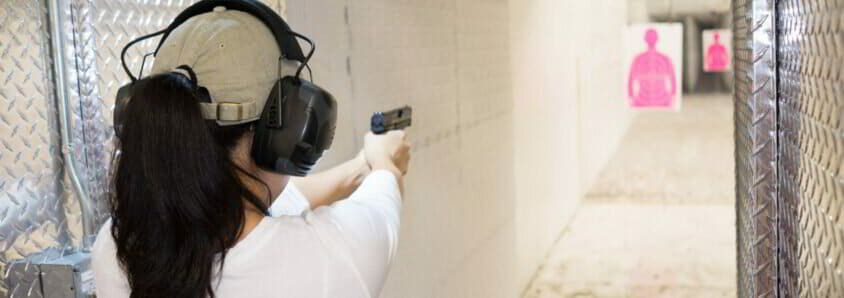
Engaging with the Firearm Training Community
The learning experience at Colorado Boots Firearms Instruction extends well beyond the
training sessions. Engaging success stories from students who improved their firearm skills
often highlight the invaluable connections made within the community. These relationships not
only provide support but also foster an environment of shared learning and growth.
Networking with Like-Minded Individuals
Building connections with fellow learners can be one of the most rewarding aspects of your
training. Engaging with others in the firearm community offers several opportunities for personal
and skill development:
- Shared Resources: Students can exchange information about local ranges, useful
training materials, or upcoming events.
- Support System: Having a network of peers who share similar goals can motivate you to
stay committed to your training.
- Mentoring Opportunities: Seasoned students can offer guidance to newcomers,
creating a cycle of teaching and learning.
Participating in Group Activities
In addition to individual training, participating in group activities allows students to put their skills
to the test while fostering camaraderie. Here are some popular group activities that enhance
learning:
- Shooting Competitions: Putting your skills against others can be both challenging and
motivating, pushing you to reach new heights.
- Community Events: Attending local firearms-related events helps strengthen bonds with
fellow enthusiasts while gaining insights from experts.
- Training Seminars: Engaging in seminars led by professionals covers various topics
beyond basic skills, including advanced techniques and legal considerations.
Continuing Education with Industry Experts
To truly benefit from your experience, consider seeking out further education opportunities.
Many organizations provide insightful resources and courses led by experts in the firearm
industry. These sessions allow students to learn from seasoned professionals and develop a
deeper understanding of firearm safety and use.
For more information, visit the National Rifle Association (NRA), which offers a range of
educational resources and training opportunities.
The stories of transformation and growth shared among students serve as a powerful reminder
of what can be achieved through dedication and community engagement. As you embark on
your own journey, remember to leverage these connections. Whether you’re practicing at the
range or discussing strategies over coffee, every interaction enriches your experience and helps
pave the way for increased proficiency and safe ownership.
Transforming Fear into Confidence
For many students at Colorado Boots Firearms Instruction, the initial experience of handling
firearms can be daunting. However, engaging success stories from students who improved their
firearm skills frequently illustrate a remarkable transformation from fear to confidence.
Understanding this journey can inspire new learners and highlight the importance of proper
training and support.
Overcoming Initial Hesitations
Many beginners face a variety of emotions when starting their firearm training. Common fears
include:
- Fear of Recoil: New shooters may be intimidated by the perceived force of shooting.
- Apprehension About Safety: Concerns about properly handling firearms can create
anxiety.
- Uncertainty in Skill Level: Beginners often doubt their ability to learn effectively.
These initial hesitations are natural, but with the right training and encouragement, they can be
conquered.
Building Confidence Through Training
The structured learning environment provided at our academy focuses on building confidence in
several ways:
- Gradual Skill Development: Students start with basic techniques and progressively
advance, allowing them to become comfortable with their skills.
- Positive Reinforcement: Instructors celebrate small victories, helping students feel a
sense of accomplishment and motivation.
- Realistic Scenarios: Students practice in controlled environments that simulate real-life
situations, boosting their confidence in real-world applications.
Real-Life Transformations
Engaging success stories from former students often showcase their incredible journeys away
from fear. Many individuals share how their experiences in firearm training transformed their
outlook on gun ownership:
- Boosted Self-Esteem: Mastering skills can lead to an increased sense of
accomplishment and self-worth.
- Preparedness for Emergencies: Confidence in their abilities allows students to feel
more equipped to handle potential emergency situations.
- Involvement in the Community: Many former students become active participants in
local shooting clubs or safety seminars, sharing their newfound knowledge.
For a deeper dive into the psychological aspects of firearm training and overcoming fear, check
out resources available from the American Psychological Association (APA).
The transformation from apprehension to confidence is a powerful narrative that embodies the
essence of firearm training. By emphasizing structured learning, supportive environments, and
ongoing engagement, students can turn their fears into strengths, becoming competent and
responsible gun owners in the process. This journey not only enhances their skills but also
enriches the broader community, inspiring others to pursue their own firearm training paths.

Real-Life Applications of Skills Learned
As students at Colorado Boots Firearms Instruction progress in their training, they begin to see
the practical applications of their improved firearm skills. Engaging success stories from
students who improved their firearm skills often highlight how these newfound abilities extend
beyond the shooting range and into their everyday lives.
Self-Defense Scenarios
One of the most compelling reasons individuals seek firearm training is the desire for
self-defense. Students learn how to handle firearms responsibly and effectively respond to
threatening situations. Key aspects of this training include:
- Situational Awareness: Students develop the ability to assess their surroundings and
recognize potential threats.
- De-escalation Techniques: Emphasis on avoiding confrontations and resolving conflicts
peacefully unless absolutely necessary.
- Self-Defense Strategies: Practical training on how to react in high-pressure situations
while maintaining safety.
Recreational Shooting and Competitions
Improved firearm skills also open the door to recreational shooting and competition. Many
students find joy in engaging with the shooting sports community and pursuing new challenges.
Benefits include:
- Skill Enhancement: Recreational shooting provides an opportunity to practice and refine
techniques in a fun environment.
- Building Community: Participating in competitions and recreational leagues fosters
friendships with like-minded individuals who share a passion for firearm sports.
- Increased Enjoyment: Many students report that improved skills lead to greater
enjoyment of shooting sports, allowing them to explore different types of firearms and
shooting styles.
The Importance of Responsible Gun Ownership
With enhanced skills comes the responsibility of being a conscientious gun owner. Students
learn that improved firearm handling extends into the realm of ethical and responsible
ownership. This includes:
- Safe Storage Practices: Ensuring firearms are stored securely to prevent unauthorized
access.
- Legal Awareness: Understanding the laws surrounding gun ownership and how to
navigate them responsibly.
- Community Involvement: Many students become advocates for responsible firearm
ownership, participating in outreach and education initiatives.
For further insights into responsible firearm ownership, check out the resources available from
the National Rifle Association (NRA).
By embracing the practical applications of their skills, students not only become capable gun
owners but also enhance their contributions to their communities. Engaging success stories
from students emphasize that the journey to improved firearm skills is deeply intertwined with
the notion of responsibility, safety, and community engagement, ultimately creating a more
informed and equipped society.

What types of classes are offered for beginners at Colorado Boots Firearms Instruction?
Colorado Boots Firearms Instruction offers a variety of classes tailored for beginners. These
include basic safety courses, fundamental shooting classes, and introductory workshops that
cover the essentials of firearm handling and maintenance. Each class is designed to build
confidence and skills progressively, ensuring a solid foundation for new shooters.
How can firearm training improve personal safety?
Firearm training enhances personal safety by equipping individuals with essential skills and
knowledge. Students learn to assess situations, manage stress, and respond calmly to potential
threats. This comprehensive training not only boosts confidence but also prepares individuals to
effectively handle emergencies, making them more adept at protecting themselves and their
loved ones.
Is prior experience necessary to take firearm training classes?
No prior experience is required to enroll in firearm training classes at Colorado Boots Firearms
Instruction. The programs are designed to cater to individuals of all skill levels, including
complete beginners. Instructors provide personalized attention and mentorship, ensuring that
everyone feels comfortable and receives the necessary instruction to succeed.
What are some common fears students face when starting firearm training?
Many students experience common fears when beginning their firearm training, including
anxiety about handling guns, concerns over safety, and self-doubt in their ability to learn new
skills. These feelings are perfectly normal, but with the supportive environment and structured
training provided, these fears can be effectively managed and overcome.
How can I continue developing my firearm skills after completing basic training?
After completing basic training, students can continue developing their firearm skills by taking
advanced courses, participating in local shooting competitions, and engaging in workshops that
focus on specific techniques or scenarios. Staying active in the firearm community, joining clubs,
and practicing regularly are excellent ways to keep skills sharp and knowledge up to date.
Tags: success stories of improved firearm skills
Latest Blog & Articles
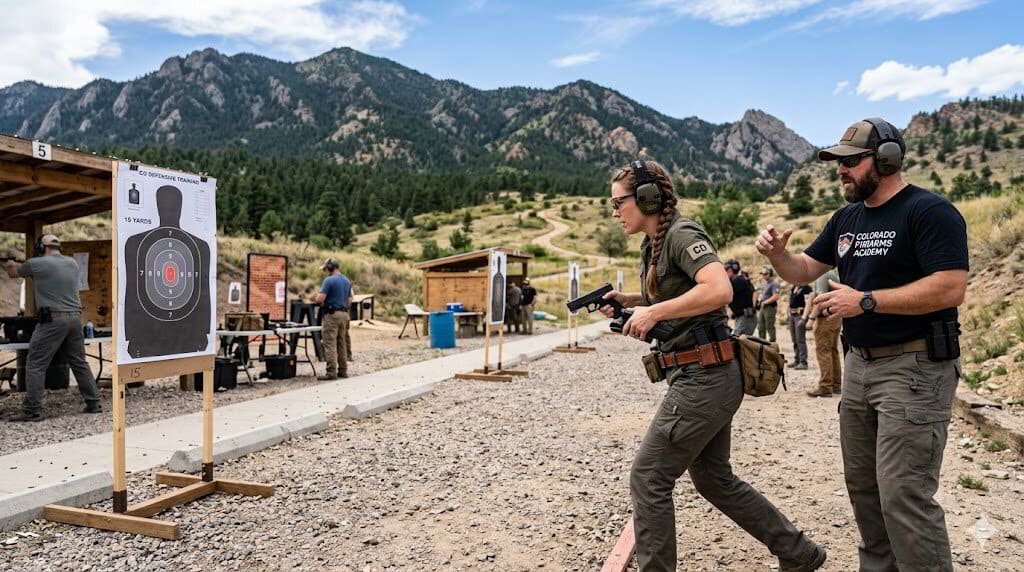
The Ultimate Guide to Defensive Handgun Training in Colorado
In an increasingly uncertain world, mastering defensive handgun training is essential for responsible gun ownership and personal safety. Co…
Read more →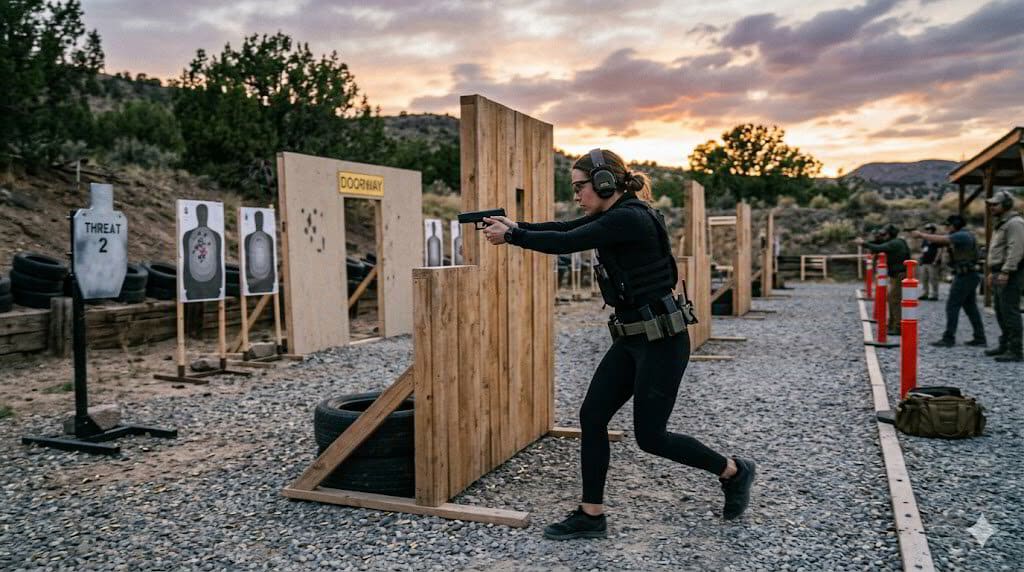
Best Practices for Defensive Handgun Training: A Comprehensive Guide
In a world where personal safety is increasingly vital, mastering defensive handgun training is essential for anyone considering firearm ow…
Read more →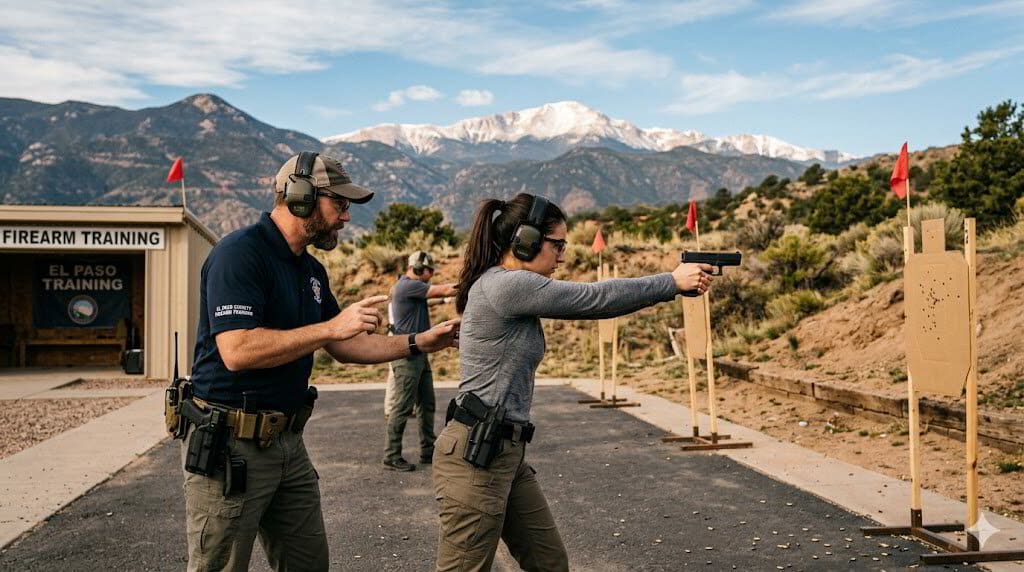
The Ultimate Guide to Firearm Training Courses in El Paso County, Colorado
In an age where firearm safety and education are paramount, Colorado Boots is proud to provide the definitive guide to firearm training cou…
Read more →