
Discover The Best Firearms Training In Colorado
March 4, 2025 · Firearm Training Programs / Gun Safety & Education / Shooting Range & Practice
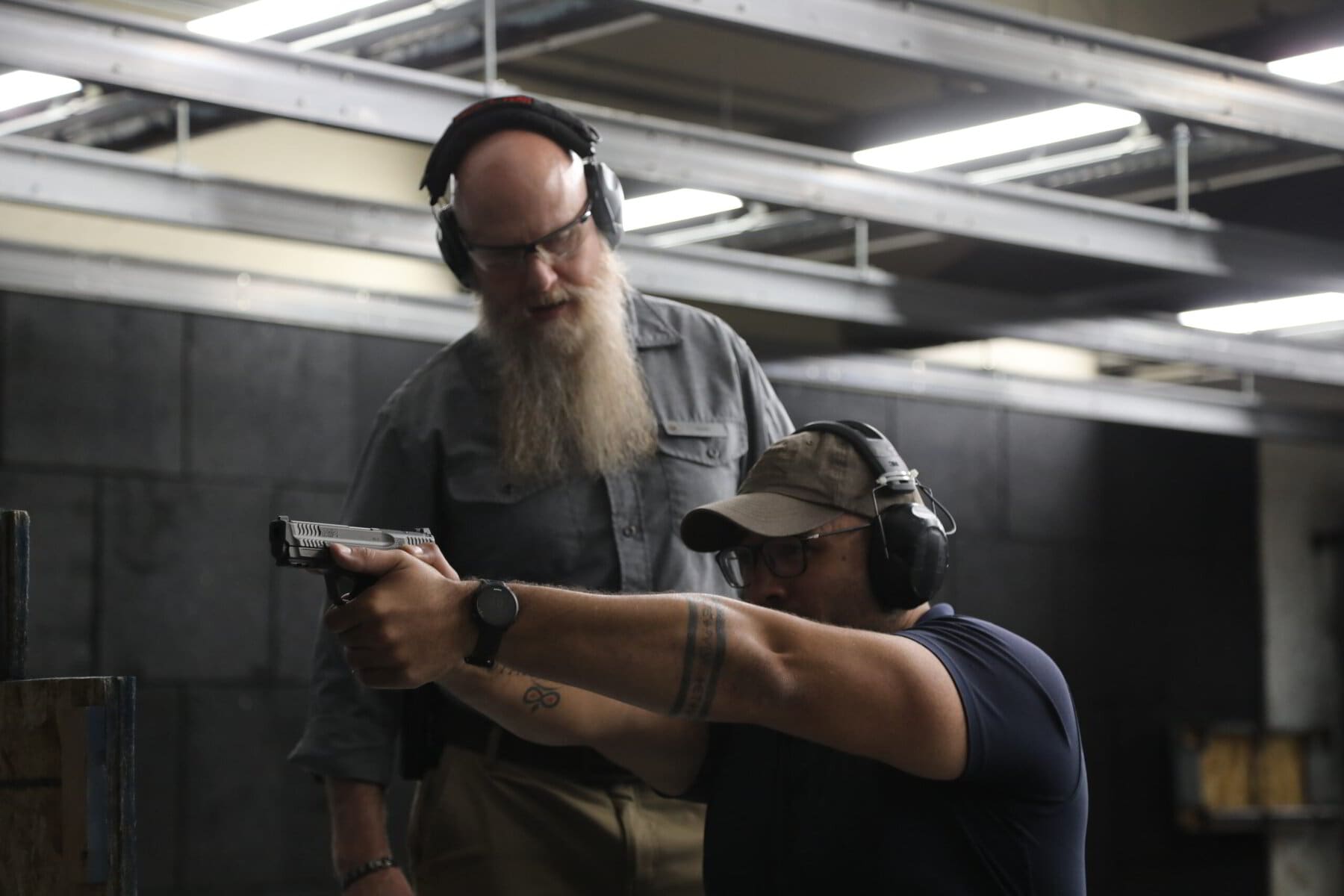
The best firearms training in Colorado is not just about learning how to shoot; it’s about
establishing a strong foundation of safety, responsibility, and skill. Did you know that over 4.5
million Americans become first-time gun owners each year? As interest in firearms continues to
rise, so does the need for quality training programs that emphasize responsible handling and an
understanding of the Second Amendment. Whether you are a novice aiming to grasp the basics
or an experienced shooter looking to refine your tactical skills, choosing the right firearms
training can make all the difference. In this blog post, we will explore what to look for in a
firearms academy, the types of courses available, and the benefits of investing in your firearms
education right here in the stunning landscapes of Colorado.
Understanding Firearms
Training
Importance of Proper Training
When it comes to handling firearms, understanding the importance of proper training cannot be
overstated. Having the right knowledge and skills ensures not only your safety but also the
safety of those around you. Proper training gives individuals the confidence to use a firearm
responsibly and effectively, enabling them to appreciate their rights under the Second
Amendment fully.
Overview of Firearm Types and Techniques
In firearms training, various types of firearms and techniques are covered, including:
- Handguns: Revolvers and semi-automatics
- Rifles: Bolt-action and semi-automatic
- Shotguns: Pump-action and semi-automatic
Each type of firearm requires different handling techniques and safety protocols. Understanding
these distinctions is crucial in receiving the best firearms training in Colorado.
Why Choose Colorado for Firearms Training
Rich History with Firearms
Colorado boasts a rich history of firearms usage, from hunting and sport shooting to
self-defense. This background contributes to a culture that respects and understands the
importance of firearms training. Many instructors and academies have deep roots in the local
shooting community, ensuring that their teachings are grounded in both tradition and modern
safety practices.
Scenic Locations and Outdoor Opportunities
The stunning landscapes of Colorado offer unique outdoor training environments. From the
Rocky Mountains to vast plains, these locations provide ideal settings for practical shooting
exercises. Many training academies take advantage of this natural beauty, offering courses that
utilize the varied terrains for a comprehensive training experience.
Qualified Instructors and Their Credentials
To ensure you receive the best firearms training in Colorado, it is essential to learn from
qualified instructors. Look for:
- Certifications: NRA, USCCA, or state-specific certifications
- Experience: Instructors with military or law enforcement backgrounds
- Reputation: Positive reviews from previous students
Safety Protocols and Regulations
Safety is paramount in firearms training. A top-tier academy will prioritize:
- Comprehensive safety briefings
- Use of personal protective equipment (PPE)
- Strict adherence to state and federal firearm laws
Curriculum Structure: From Beginner to Advanced
The best firearms training programs in Colorado offer a structured curriculum tailored to various
skill levels. Elements of a well-designed curriculum include:
- Beginner courses: Focus on understanding firearm operation and safety
- Intermediate classes: Enhance shooting techniques and situational awareness
- Advanced training: Cover tactical scenarios and defensive shooting
For those interested in exploring further training options, organizations like the National Rifle
Association provide valuable resources and insights.
Different Types of Firearms Courses OfferedBasic Handgun Training
For those new to firearms, basic handgun training is essential. This course focuses on the
fundamentals, including:
- Firearm Safety Principles: Learning how to handle firearms safely.
- Loading and Unloading: Understanding how to appropriately load and unload a
handgun.
- Shooting Fundamentals: Grip, stance, sight alignment, and trigger control.
Receiving basic training helps build a solid foundation for responsible gun ownership and
prepares individuals for further advancement in their firearms education.
Advanced Tactical Training
Once you have mastered the basics, advancing to tactical training is the next step. This level is
designed for those who want to enhance their skills in high-pressure scenarios. Key elements of
advanced tactical training include:
- Situational Awareness: Understanding your environment and recognizing threats.
- Defensive Shooting Techniques: Skills to efficiently respond to an attack.
- Team Tactics: Communication and coordination with others during tactical scenarios.
Investing time in tactical training ensures you are prepared for a wide range of situations,
reinforcing the confidence gained from the best firearms training in Colorado.
Specialty Courses
In addition to basic and advanced training, many firearms academies offer specialty courses
that focus on specific skills or scenarios. Popular specialty courses include:
- Defensive Shooting: Tailored training for personal defense situations.
- Hunter Safety Courses: Education on safe hunting practices and regulations.
- Competitive Shooting: Techniques and training for those interested in participating in
shooting sports.
Engaging in these courses can enhance your overall shooting competency, creating a
well-rounded skill set.
For more information on firearms training options and safety guidelines, you can visit the Sandy
Hook Promise for valuable resources and support.
Facilities and Equipment Quality
When searching for the best firearms training in Colorado, it's vital to consider the quality of the
facilities and equipment used. A reputable firearms academy should offer:
- Modern Training Facilities: Clean, well-maintained indoor and outdoor ranges.
- Variety of Firearms: Access to different types of firearms for training purposes.
- Safety Equipment: Availability of hearing protection and safety glasses for all students.
High-quality facilities and well-maintained equipment contribute significantly to a productive
learning environment.
Student-to-Instructor Ratios
The effectiveness of training sessions significantly depends on the attention each student
receives. Look for academies that maintain low student-to-instructor ratios, such as:
- Personalized Instruction: Individualized feedback and attention from instructors.
- Enhanced Learning: More time dedicated to hands-on practice and mastering skills.
- Safety Oversight: Increased supervision to ensure safe handling of firearms.
By choosing an academy with smaller class sizes, you can benefit from a more engaging and
effective learning experience.
Student Reviews and Ratings
Reading student reviews and ratings can provide insight into the quality of training at a firearms
academy. Consider the following sources:
- Online Reviews: Websites like Yelp or Google Reviews for firsthand accounts of previous
students.
- Instructor Qualifications: Research the backgrounds and certifications of the instructors
to ensure they meet industry standards.
- Word of Mouth: Ask friends or family members who have undergone firearms training for
recommendations.
Positive reviews from previous students are a good indicator of an academy's dedication to
providing the best firearms training in Colorado.
For further insights and resources on selecting a firearms training academy, you can visit Gun
Owners of America for more information.
Cost and Scheduling
Considerations
Average Pricing for Firearms Training in Colorado
When selecting the best firearms training in Colorado, it's essential to understand the typical
costs associated with various courses. While prices may vary between academies, consider the
following average ranges:
- Basic Handgun Courses: $150 to $300
- Advanced Tactical Training: $300 to $600
- Specialty Courses: $200 to $400
Most firearms training facilities offer package deals or discounts for multiple classes, allowing
students to save while receiving comprehensive training. It's also wise to look for academies
that are transparent in their pricing, ensuring no hidden fees.
Flexible Class Schedules for All Levels
The flexibility of class schedules is crucial for accommodating different lifestyles and
commitments. Look for training academies that offer:
- Multiple Time Slots: Classes available on weekdays and weekends.
- Day and Evening Options: Accommodating those with full-time jobs or family
responsibilities.
- Private Lessons: Tailored training sessions for personalized instruction at your
convenience.
Selecting an academy with various scheduling options ensures you can find a program that fits
your needs without sacrificing the quality of training.
For more comprehensive insights on costs and training options, check out NRA Training to
explore their extensive offerings and resources.
Benefits of Firearms Training
Building Confidence and Skills
One of the primary benefits of participating in firearms training is the increase in personal
confidence. As you learn and practice, you gain valuable skills that contribute to your ability to
handle firearms safely. Key benefits include:
- Competency in Handling Firearms: Understanding how to operate various firearms
effectively.
- Improved Decision-Making: Gaining skills to assess situations quickly and respond
appropriately.
- Self-Assuredness: Feeling more secure and composed in using firearms, whether in
practice or real-world scenarios.
This confidence can extend beyond the shooting range, positively influencing various aspects of
life.
Understanding Laws and Regulations
Firearms training is not solely about shooting skills; it also encompasses understanding the
legal framework surrounding gun ownership and usage. Key educational elements include:
- Knowledge of Local Laws: Understanding state-specific firearm regulations and
registration requirements.
- Rights and Responsibilities: Learning about your rights under the Second Amendment
and the responsibilities that come with gun ownership.
- Legal Use of Force: Gaining insight into when it is legally permissible to use a firearm for
self-defense.
Being well-informed about laws and regulations ensures that you can enjoy your right to bear
arms responsibly and legally.
How Training Contributes to Responsible Gun Ownership
Participating in firearms training fosters a culture of responsible ownership by teaching best
practices and safety protocols. Benefits include:
- Emphasis on Safety: Rigorous training emphasizes proper handling and safety
measures.
- Emergency Readiness: Preparing for potential emergencies, including misfires or unsafe
scenarios.
- Community Engagement: Connecting with like-minded individuals who value safe and
responsible firearm usage.
Engaging in the best firearms training in Colorado ultimately leads to a more informed and
responsible approach to gun ownership.
For more information on responsible gun ownership and safety courses, you can visit The
National Shooting Sports Foundation (NSSF) for valuable resources and guidelines.
Conclusion
Recap of the Importance of Choosing the Best Training
In selecting the best firearms training in Colorado, understanding the significance of quality
instruction, safety measures, and legal knowledge cannot be overstated. Proper training
empowers gun owners with the skills and knowledge necessary to navigate the responsibilities
associated with firearm ownership. Key takeaways include:
- Expert Instructors: Learn from qualified professionals who ensure a safe and effective
training environment.
- Structured Learning: Progress through levels of training, from basic to advanced
courses tailored to your needs.
- Community and Responsibility: Engage with a community of responsible gun owners
focused on safety and legal compliance.
Encouragement to Explore Firearms Training Options in Colorado
Whether you are a beginner or an experienced shooter looking to enhance your skills, exploring
the available firearms training options in Colorado is crucial. The state offers a variety of
academies and courses that cater to different skill levels and learning preferences.
Don’t hesitate to take the first step toward becoming a more responsible and knowledgeable
gun owner. Research local firearms training providers and find a course that fits your schedule
and interests. For a comprehensive exploration of available training options, you can visit
USCCA - U.S. Concealed Carry Association to gain insights and connect with qualified
instructors.
By investing in your firearms education, you not only elevate your skills but also contribute to a
culture of safety and responsibility within your community.
Additional Resources for
Firearms Training
Online Learning Platforms
For those who may not have immediate access to local training facilities, numerous online
resources offer valuable information and courses related to firearm safety and handling.
Consider the following platforms:
- NRA Online Training: Comprehensive online courses that cover various aspects of
firearms training.
- USCCA Learning Academy: Offers a range of self-defense and firearm courses, from
beginner to advanced levels.
- YouTube Channels: Various reputable firearms instructors provide instructional videos on
safety, techniques, and best practices.
These online platforms can enhance your understanding and prepare you for in-person training,
making them a useful addition to your learning journey.
Local Firearms Organizations and Clubs
Joining a local firearms organization or club can provide ongoing support and community
engagement. Benefits include:
- Networking Opportunities: Connect with experienced shooters and instructors.
- Practice Sessions: Access to regular training events and practice sessions in a safe
environment.
- Educational Resources: Availability of workshops, seminars, and additional training
resources.
Engaging with a community of firearm enthusiasts can further enrich your training experience
and foster responsible gun ownership.
Books and Publications
There are numerous informative books and publications tailored for firearm enthusiasts. Some
recommended reads include:
- "The Basics of Pistol Shooting" by the NRA: A comprehensive guide for beginners.
- "Defensive Handgun Fundamentals" by the USCCA: Focuses on essential techniques
for self-defense situations.
- Firearms Safety and Instruction Manuals: Often provided by manufacturers or training
organizations.
Reading these resources will deepen your knowledge and understanding of firearm safety and
handling, complementing your practical training.
For more information on firearm training resources and safety best practices, consider visiting
MidwayUSA for a wealth of educational materials and products related to firearm training.
Preparing for Your Firearms
Training Experience
What to Bring to Training Sessions
To ensure you get the most out of your firearms training, it's important to be prepared. Here’s a
list of essential items to bring along to your training sessions:
- Personal Firearm: If allowed, bring your own firearm to ensure familiarity with its
operation.
- Ammunition: Bring the appropriate caliber of ammunition for your firearm; check with the
academy for requirements.
- Safety Gear: Ensure you have hearing protection, safety glasses, and any other required
personal protective equipment.
- Notebook and Pen: To take notes during the class and review important points later.
- Water and Snacks: Staying hydrated and energized can help maintain your focus during
training.
Packing these items will help maximize your comfort and learning during your training sessions.
Setting Realistic Expectations
Entering any training environment, especially for firearms, requires a mindset geared towards
growth and safety. Consider the following when setting expectations for your training:
- Understand Your Skill Level: Be honest about your current abilities, whether you're a
complete beginner or have some experience. This helps instructors tailor the training to
your needs.
- Be Prepared to Learn: Approach training with an open mind. You will gain new skills and
insights, which may challenge your existing knowledge.
- Embrace Mistakes: Mistakes are part of the learning process. Understanding this can
alleviate anxiety and foster a better training experience.
Setting a positive mindset will not only enhance your experience but also contribute to effective
learning during your firearms training.
Following Up After Training
After completing your firearms training, it’s beneficial to continue learning and practicing. Here
are some ways to follow up:
- Join a Practice Group: Look for local shooting clubs or practice sessions to apply your
skills.
- Review Course Materials: Go back to your notes and any provided materials to reinforce
what you learned.
- Seek Additional Training: Consider enrolling in advanced courses or specialty training to
expand your knowledge and skills.
Continuing your education and practice will reinforce the benefits gained from the best firearms
training in Colorado and help you become a more responsible and skilled gun owner.
For ongoing support and resources, you can explore Cheaper Than Dirt for a range of products
and materials to assist in your ongoing training journey.
Frequently Asked Questions
What is included in basic firearms training courses?
Basic firearms training courses typically include instruction on firearm safety, handling and
operation of various types of guns, loading and unloading techniques, and the fundamentals of
shooting such as proper stance, grip, and sight alignment. Many programs also emphasize the
importance of understanding local laws and regulations about firearm usage.
How long do firearms training courses usually last?
The duration of firearms training courses can vary widely depending on the type and level of
training. Basic courses may last anywhere from a few hours to a full day, while advanced tactica
l training and specialty courses can extend over multiple days or may consist of several sessions
spread out over weeks.
Are there age restrictions for firearms training in Colorado?
Yes, there are age restrictions for firearms training in Colorado. Generally, participants must be
at least 18 years old to attend most adult firearms courses. However, many academies offer
youth programs for individuals under 18, which might require parental consent and supervision
during training.
Do I need to own a firearm to participate in training?
No, you do not need to own a firearm to participate in training. Many firearms academies
provide rental firearms for training purposes, allowing students to learn without the need to
purchase their own firearms upfront. It's always best to check with the specific academy
regarding their policies on rentals.
What should I do if I feel anxious about my first training session?
Feeling anxious before your first firearms training session is common. First, remember that
everyone starts somewhere, and instructors are there to help you learn in a safe environment.
To ease your anxiety, arrive early to familiarize yourself with the range and equipment, and don’t
hesitate to communicate your concerns with your instructor. They can provide additional support
to help you feel more comfortable during your training.
Tags: Gun Safety Courses Colorado, Best Firearm Training Colorado, Firearm Education Programs
Latest Blog & Articles
The Ultimate Guide to Defensive Handgun Training in Colorado
In an increasingly uncertain world, mastering defensive handgun training is essential for responsible gun ownership and personal safety. Co…
Read more →
Best Practices for Defensive Handgun Training: A Comprehensive Guide
In a world where personal safety is increasingly vital, mastering defensive handgun training is essential for anyone considering firearm ow…
Read more →
The Ultimate Guide to Firearm Training Courses in El Paso County, Colorado
In an age where firearm safety and education are paramount, Colorado Boots is proud to provide the definitive guide to firearm training cou…
Read more →