
Developing A Well Rounded Understanding Of Firearm Training Regulations In Colorado
February 25, 2025 · Firearm Laws & Regulations / Gun Safety & Compliance / Legal Firearm Training
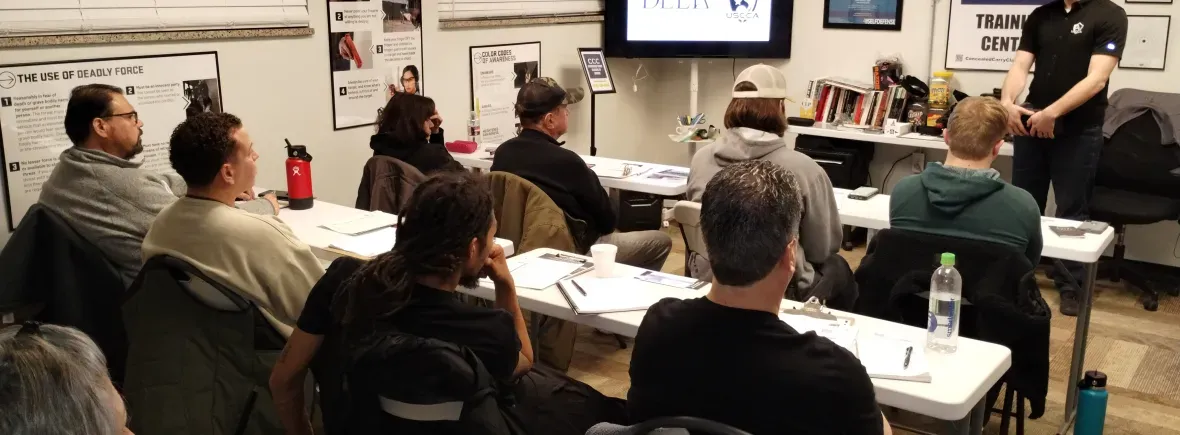
Developing a well-rounded understanding of firearm training regulations in Colorado is crucial
for anyone interested in responsible gun ownership. Did you know that more than 600,000
Colorado residents are licensed to carry concealed firearms? This statistic underscores the
importance of training and compliance with state laws, ensuring that every gun owner is
equipped not only with weapons but also with the knowledge necessary to use them safely and
legally. As the landscape of firearm legislation continuously evolves, it becomes imperative for
individuals—whether they are seasoned shooters or newcomers to the world of firearms—to
stay informed about local and federal rules that govern firearm training and ownership. This blog
post will explore the key regulations, training requirements, and the importance of ongoing
education in mastering firearm safety in Colorado.
Overview of Firearm Training Regulations in Colorado
Developing a well-rounded understanding of firearm training regulations in Colorado begins with
recognizing the importance of such laws. These regulations serve a dual purpose: they promote
safety and ensure that individuals are equipped with the necessary skills to handle firearms
responsibly. Understanding these frameworks helps foster a culture of safety and respect for the
Second Amendment.
Key Firearm Training Laws in Colorado
Colorado has enacted several key statutes that affect firearm training. Familiarizing yourself with
these laws is essential for both instructors and trainees. Here are some of the crucial
regulations to consider:
- State Statutes: Understand the Colorado Revised Statutes that govern firearm training.
These include requirements for instructors and minimum standards for training programs.
- Federal Laws: It is important to be aware of federal regulations that influence state laws,
particularly regarding background checks and ownership.
- Local Ordinances: Some counties and municipalities may have additional requirements
or restrictions, so it's crucial to check local laws.
Understanding the Importance of Proper Training
Engaging in proper firearm training is not merely a legal obligation; it also carries significant
benefits:
- Safety: Adequate training reduces the risk of accidents and injuries.
- Confidence: Well-trained individuals are more confident in their skills, leading to a safer
environment.
- Appreciation: Training can foster a deeper understanding and appreciation for firearms
and self-defense rights.
Requirements for Firearm Training Programs
To ensure quality education, Colorado has set specific requirements for firearm training
programs. These include:
- Instructor Certification: Instructors must possess a valid Colorado instructor certification
as well as any relevant federal qualifications.
- Curriculum Standards: Training programs must cover key topics such as firearm safety,
handling, and marksmanship.
- Participant Eligibility: Generally, participants must be at least 18 years old and pass
background checks.
Types of Firearm Training Available in Colorado
As you develop a well-rounded understanding of firearm training regulations in Colorado, it’s
essential to know about the various training types offered:
- Basic Courses: Designed for beginners, these courses cover essential safety protocols
and firearm handling techniques.
- Advanced Training: Focused on experienced shooters looking to refine their skills or
specialize in areas like tactical training or home defense.
- Specialized Courses: These may include concealed carry permits, self-defense classes,
and competitive shooting training.
For more detailed information on firearm regulations and training frameworks, check resources
like the National Rifle Association (NRA) which can provide valuable insights into
comprehensive instructional guidelines and legal updates.
Conclusion: Moving Forward with Knowledge
Developing a well-rounded understanding of firearm training regulations in Colorado is critical
for anyone interested in firearms. By recognizing the importance of these laws, individual safety,
and responsible ownership, you can take informed steps toward your training journey.
Resources for Staying Informed
Developing a well-rounded understanding of firearm training regulations in Colorado requires
ongoing education and access to reliable resources. Staying informed about changes in laws,
instructor certifications, and training opportunities is crucial for both instructors and students
alike. Here are some valuable resources to consider:
- Government Websites:
○ The Colorado Department of Public Safety provides updated information regarding
firearm regulations and training requirements.
○ The Bureau of Alcohol, Tobacco, Firearms and Explosives (ATF) offers federal
guidelines that complement state regulations.
- Local Firearm Academies and Instructors:
○ Many local academies provide courses that not only comply with state regulations
but also go beyond basic education to instill a profound respect for firearms.
○ Check accredited institutions that have strong reputations for training and instructor
qualifications.
- Online Forums and Communities:
○ Engage with online communities dedicated to firearm training. Websites like The
Truth About Guns offer discussions, tips, and the latest news concerning firearms
and regulations.
○ Social media platforms also host various groups where enthusiasts and
professionals share valuable insights and experiences.
By utilizing these resources, you can enhance your knowledge and awareness, which is
fundamental to developing a well-rounded understanding of firearm training regulations in
Colorado. Staying connected with the community ensures you are always in the loop with any
changes or new information that may arise.
Conclusion: Moving Forward with Knowledge
Developing a well-rounded understanding of firearm training regulations in Colorado is not just a
matter of compliance; it is essential for fostering a safe and responsible firearms culture.
Adhering to these regulations benefits both individual firearms enthusiasts and the broader
community. Here’s a summary of key points to remember:
- Importance of Compliance: Understanding and following state laws ensures that you
are legally permitted to own and operate a firearm, significantly reducing the risk of legal
issues.
- Value of Education: Comprehensive training cultivates safety awareness, boosts
confidence, and promotes responsible ownership. It can also make the difference in
critical situations.
- Continual Learning: Firearm regulations can evolve; therefore, staying informed through
reputable sources is vital for ongoing education and compliance.
By actively participating in training programs and engaging with community resources, you can
better appreciate your rights and responsibilities under the Second Amendment. For those
looking to deepen their knowledge and skills, consider visiting organizations like the National
Shooting Sports Foundation (NSSF) for additional information on industry standards and
training opportunities.
In conclusion, developing a well-rounded understanding of firearm training regulations in
Colorado is a proactive step towards enhanced safety and responsible firearm ownership. Equip
yourself with knowledge and skills that not only benefit you but also contribute to a safer
community for everyone.
Types of Firearm Training Available in Colorado
When developing a well-rounded understanding of firearm training regulations in Colorado, it's
vital to grasp the variety of training options available. Each type of training serves different
needs and skill levels, ensuring that individuals can find the right program that meets their
requirements. Below are the primary types of firearm training available:
- Basic Firearm Courses:
○ Ideal for beginners, these courses cover fundamental safety practices, firearm
handling, and basic marksmanship.
○ May include written exams and practical shooting exercises.
- Advanced Firearm Training:
○ Designed for individuals who already have a basic understanding and want to refine
their skills.
○ Focuses on more complex techniques, including tactical shooting and defensive
skills.
- Concealed Carry Courses:
○ Tailored for those looking to obtain a concealed carry permit, these courses often
cover legal implications, safe carry practices, and self-defense tactics.
○ State regulations dictate specific training requirements that must be met to qualify
for a permit.
- Specialized Training:
○ Courses that cater to specific interests, such as competition shooting, home
defense tactics, or hunting skills.
○ Often feature expert instructors who specialize in particular areas of firearm
training.
- Refresher Courses:
○ Recommended for seasoned shooters looking to stay updated on new laws,
techniques, and safety practices.
○ Helps ensure that all gun owners maintain a high level of competency and
adherence to regulations.
To find comprehensive and well-structured training programs, consider checking out resources
such as the National Rifle Association (NRA), which offers a wide range of training opportunities
tailored to various skill levels and legal requirements.
By exploring these different types of training, you can develop a well-rounded understanding of
firearm training regulations in Colorado and enhance your abilities in a safe and responsible
manner.
Requirements for Firearm Training Programs
When developing a well-rounded understanding of firearm training regulations in Colorado, it's
crucial to familiarize yourself with the specific requirements governing training programs.
Adhering to these standards ensures that both instructors and participants maintain a high level
of competency and safety. Below are the key requirements for firearm training programs in
Colorado:
- Instructor Certification:
○ Instructors must hold valid certifications that comply with state regulations. This
includes completion of accredited training programs and possible background
checks.
○ Many instructors also possess certifications from national organizations, enhancing
their credibility.
- Curriculum Standards:
○ Training programs should have a structured curriculum that covers essential topics
including safety protocols, handling techniques, and legal aspects of firearm
ownership.
○ Programs often incorporate both theoretical lessons and practical shooting
exercises to provide a comprehensive learning experience.
- Participant Eligibility:
○ Participants typically must be at least 18 years old and pass background checks to
ensure they do not have disqualifying criminal histories.
○ Some programs may have prerequisites, such as basic firearm knowledge, before
enrolling in advanced courses.
- Completion Requirements:
○ Programs usually require participants to pass written and practical examinations to
demonstrate their understanding and competency.
○ Completion certificates are often issued, which may be necessary for obtaining
permits, such as concealed carry.
- Legal Compliance:
○ Firearm training programs must align with local, state, and federal regulations to
ensure they provide lawful and safe instruction.
○ It’s advisable to stay updated on any legislative changes that may impact training
requirements.
For reliable information and resources related to firearm training regulations, consider visiting
the Colorado Bureau of Investigation (CBI) website, which provides valuable insights regarding
laws and regulations.
By understanding and adhering to these requirements, you contribute to developing a
well-rounded understanding of firearm training regulations in Colorado, enhancing both your
safety and that of the community.
Understanding the Importance of Proper Training
Developing a well-rounded understanding of firearm training regulations in Colorado is closely
linked to recognizing the significance of proper training for all gun owners. Effective training
goes beyond just meeting legal requirements; it plays a crucial role in ensuring safety and
fostering a responsible gun culture. Here’s why proper training is essential:
- Risk Reduction:
○ Poorly trained individuals are more likely to mishandle firearms, which can lead to
accidents or injuries. Comprehensive training minimizes these risks.
○ Knowledge of safe handling and storage protocols can prevent unauthorized
access, especially in homes with children.
- Boosting Confidence:
○ Proper training instills confidence in participants, helping them handle firearms
safely and competently. This confidence is vital, especially in emergency situations
where quick decision-making is necessary.
○ Individuals who are well-trained are often more composed and capable of
responding appropriately when faced with real-life scenarios.
- Enhanced Skills:
○ Training provides shooters with the opportunity to develop and refine their
marksmanship skills. Regular practice under professional supervision promotes
better shooting accuracy and efficiency.
○ Learning advanced techniques and tactics can be invaluable, particularly for
self-defense or competitive shooting.
- Legal Awareness:
○ Proper firearm training includes education on local, state, and federal firearm laws.
Understanding these regulations is crucial for responsible ownership and use.
○ Knowledge of legal implications can prevent unintentional violations that may result
in severe penalties.
- Respect for Firearms:
○ A comprehensive training program fosters a deeper appreciation for firearms and
the responsibilities that come with ownership.
○ Trained individuals tend to advocate for safe practices and can educate others in
their communities about responsible firearm use.
For more detailed insights on the importance of proper firearm training, consider visiting the
National Safety Council (NSC) website, which provides extensive resources and guidance on
safety practices.
In conclusion, investing time and effort in proper firearm training is vital for developing a
well-rounded understanding of firearm training regulations in Colorado. It ensures that all gun
owners can appreciate their rights while prioritizing safety and responsibility.
Key Firearm Training Laws in Colorado
Developing a well-rounded understanding of firearm training regulations in Colorado
necessitates an awareness of the key laws that govern firearm ownership and usage.
Understanding these laws is essential for both instructors and participants, ensuring compliance
and promoting a culture of safety. Below are some significant firearm training laws in Colorado:
- Colorado Revised Statutes (CRS):
○ The CRS outlines the legal framework for firearm ownership and training. Key
provisions include restrictions on certain individuals from owning firearms and the
legal requirements for firearm storage and usage.
○ It's important to familiarize yourself with relevant sections, particularly those
specifically dealing with firearms and public safety.
- Mandatory Training for Concealed Carry Permits:
○ Colorado law requires individuals seeking a concealed carry permit to complete a
specified amount of training. This typically includes both classroom instruction and
practical shooting exercises.
○ The law mandates that training must cover essential topics like self-defense laws,
safe storage, and proper shooting techniques.
- Child Access Prevention Laws:
○ Colorado has laws in place aimed at preventing children from accessing firearms.
This includes requirements for secure storage and proactive measures to ensure
firearms are not accessible to minors.
○ Knowledge of these laws is key for responsible gun ownership, especially for
families with children.
- Background Checks:
○ Federal and state laws require background checks for firearm purchases, including
those obtained through private sales or at gun shows. Understanding these
requirements is critical for compliance and responsible ownership.
○ Knowing how background checks work can help pave the way for lawful ownership
and usage of firearms.
- Local Regulations:
○ Local municipalities may have their own specific regulations regarding firearm
training and ownership. It's essential to research and comply with these local laws,
as they can vary significantly from one area to another.
○ Checking with local authorities or recognized firearm organizations can provide
clarity on municipal regulations.
For up-to-date information on specific laws and regulations, consider visiting the Colorado Bar
Association website for resources that provide legal insights regarding firearm laws in the state.
In summary, developing a well-rounded understanding of firearm training regulations in
Colorado involves not only knowing the training requirements but also comprehending the key
laws that govern firearm ownership and usage. This understanding is fundamental for ensuring
responsible and lawful practices among firearm owners.
What are the basic requirements to obtain a concealed carry permit in Colorado?
To obtain a concealed carry permit in Colorado, applicants must be at least 21 years old,
complete a state-approved training course, and submit a background check. Additionally,
individuals must be lawfully allowed to possess a firearm in the state of Colorado, meaning
certain disqualifications apply based on criminal history or mental health issues.
Is firearm training mandatory in Colorado?
Yes, firearm training is mandatory for individuals seeking a concealed carry permit. The state
requires completion of a training program that covers essential topics such as firearm safety
, handling, and legal responsibilities related to concealed carry. While formal training is not
mandated for general firearm ownership, it is highly recommended for all gun owners.
Are there any restrictions on who can take firearm training classes in Colorado?
While most individuals may participate in firearm training classes, certain restrictions apply.
Individuals with felony convictions, those subject to restraining orders, or those deemed
mentally incompetent may be prohibited from taking such courses or owning firearms. It's
essential to check with local laws and the specific policies of training providers.
How often do firearm training regulations change in Colorado?
Firearm training regulations in Colorado can change due to new legislative actions or updates in
state law. Furthermore, local municipalities may implement their own specific regulations that
can differ from state laws. Therefore, staying informed through reputable resources is essential
to ensure compliance and safety.
Where can I find quality firearm training programs in Colorado?
Quality firearm training programs can be found through a variety of sources, including local
firearm academies, shooting ranges, and reputable organizations such as the National Rifle
Association (NRA) and the Colorado Bureau of Investigation (CBI). It's important to research
and select programs that meet state standards and are taught by certified instructors.
Tags: Colorado Firearm Training Laws, Gun Ownership Regulations, Firearm Safety Compliance
Latest Blog & Articles
The Ultimate Guide to Defensive Handgun Training in Colorado
In an increasingly uncertain world, mastering defensive handgun training is essential for responsible gun ownership and personal safety. Co…
Read more →
Best Practices for Defensive Handgun Training: A Comprehensive Guide
In a world where personal safety is increasingly vital, mastering defensive handgun training is essential for anyone considering firearm ow…
Read more →
The Ultimate Guide to Firearm Training Courses in El Paso County, Colorado
In an age where firearm safety and education are paramount, Colorado Boots is proud to provide the definitive guide to firearm training cou…
Read more →