
Developing a well rounded firearm training guide
October 22, 2024 · Firearm Training Guide
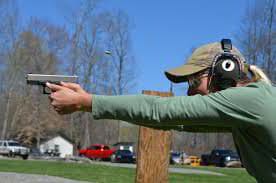
Developing a well-rounded understanding of firearm training regulations in Colorado is not just a
matter of legal compliance; it's a crucial aspect of responsible gun ownership. Did you know that
nearly 30% of gun owners in the U.S. have never received any formal firearm training? This
statistic highlights a significant gap in knowledge that can lead to unsafe practices and potential
legal issues. As the landscape of firearm laws continually evolves, staying informed and
educated is essential for both novice and experienced gun owners alike. Whether you're
considering stepping into the world of shooting sports or looking to refine your skills,
understanding the regulations that govern firearm use in Colorado is the foundation for safety,
confidence, and responsibility. In this blog post, we will explore the various elements that
contribute to a comprehensive firearms training experience, ensuring you are well-equipped to
navigate the complexities of firearm ownership.
Understanding Firearm Training Regulations in Colorado
As someone who is interested in firearms, understanding the regulations surrounding their use
is crucial. Developing a well-rounded understanding of firearm training regulations in Colorado
involves not only familiarizing yourself with state laws but also recognizing the significance of
responsible firearm ownership.
Overview of Colorado's Firearm Laws
Colorado has a unique set of firearm laws that aim to promote responsible gun ownership while
ensuring public safety. Here are some key points:
- Purchase Laws: There are specific regulations regarding the purchase and transfer of
firearms, including background checks.
- Concealed Carry: While Colorado allows for concealed carry, individuals must
understand the necessary permits and legal stipulations.
- Open Carry: Open carry of firearms is permitted, but local jurisdictions may have their
own restrictions.
Importance of Compliance with Local Regulations
Adhering to local firearm regulations is essential for any firearm owner. Failure to comply can
lead to legal consequences that not only affect personal freedom but also public safety. It's
important to stay informed about changes in legislation by regularly checking official resources
like the National Rifle Association (NRA) or the Colorado Bureau of Investigation (CBI).
Key Components of Firearm Training
Firearm training is not merely about learning to shoot; it encompasses a comprehensive
understanding of safety and responsibility. Here are some essential components:
- Safety Protocols: Understanding and implementing firearm safety rules is paramount.
- Types of Firearms: Familiarity with different firearms and their functions enhances a
shooter’s skillset.
- Personal Responsibility: A gun owner must recognize their responsibility not only to
themselves but also to others in their community.
By developing a well-rounded understanding of firearm training regulations in Colorado, you'll be
better equipped to navigate the complexities of firearm ownership and ensure safe practices for
both yourself and those around you.
Key Components of Firearm Training
Developing a well-rounded understanding of firearm training regulations in Colorado includes
mastering key components that contribute to effective and safe firearm use. This foundational
knowledge not only enhances individual skills but also prepares one for responsible gun
ownership.
Safety Protocols
One of the foremost elements of firearm training is the strict adherence to safety protocols.
Every training session should begin and end with a review of the following essential rules:
- Treat every firearm as if it is loaded.
- Always point the muzzle in a safe direction.
- Keep your finger off the trigger until you are ready to shoot.
- Be sure of your target and what is beyond it.
Understanding Different Types of Firearms
Familiarizing oneself with the various types of firearms is crucial. Each type has unique characteristics that necessitate specific handling techniques and training approaches. Consider
these categories:
- Handguns: Compact and ideal for personal protection.
- Rifles: Often used for hunting and sport shooting.
- Shotguns: Commonly employed for home defense and hunting.
Personal Responsibility in Gun Ownership
A responsible gun owner understands the significance of their role in the community. This
includes:
- Educating oneself on local laws: Keep up-to-date with regulations in your area to
ensure compliance.
2. Proper storage: Securing firearms to prevent unauthorized access, especially by
children.
3. Engaging in regular training: Continually improving shooting skills and safety practices.
By focusing on these key components, individuals can significantly enhance their skills and
confidence in firearm use. Developing a well-rounded understanding of firearm training
regulations in Colorado empowers gun owners to act responsibly and safely, thereby
contributing to a safer environment for all.
Licensing and Certification Requirements
Understanding the licensing and certification requirements is a crucial step in developing a
well-rounded understanding of firearm training regulations in Colorado. These processes ensure
that firearm owners are knowledgeable, responsible, and compliant with state laws.
Necessary Permits for Firearm Training
Before engaging in firearm training or ownership, it's important to familiarize yourself with the
necessary permits. Key permits include:
- Background Checks: Required for all firearm purchases through licensed dealers.
- Concealed Carry Permit: If you plan to carry a concealed firearm, you must obtain a
permit through your local sheriff's office. This process typically involves:
○ Completing a background check
○ Submitting fingerprints
○ Providing proof of firearm training
How to Obtain a Concealed Carry Permit in Colorado
Obtaining a concealed carry permit in Colorado typically involves several steps:
- Complete a Colorado-approved training course: This might include safety, handling,
and laws regarding concealed carry.
2. Gather necessary documentation: Prepare identification, proof of training, and any
other required documents.
3. Submit your application: This includes a fee, which varies by county.
Background check: The sheriff's department conducts a thorough background check.
4. Receive your permit: If approved, you’ll receive your permit, allowing you to carry a
concealed firearm.
By complying with these licensing requirements, individuals not only respect the law but also
contribute to a culture of responsible firearm ownership. Developing a well-rounded
understanding of firearm training regulations in Colorado includes knowing these essential steps
for safe and lawful gun ownership.
Types of Firearms Training Programs Available
In Colorado, there is a wide variety of firearms training programs designed to meet the diverse
needs of gun owners. Developing a well-rounded understanding of firearm training regulations
in Colorado entails exploring the various types of programs available to ensure that individuals
receive the appropriate education and skills for responsible firearm use.
Basic Training Courses for Beginners
For those new to firearms, basic training courses are essential. These programs typically cover:
- Fundamentals of Firearm Safety: Essential safety protocols to prevent accidents.
- Introduction to Firearm Types: Overview of handguns, rifles, and shotguns.
- Basic Operation: How to handle, load, and unload firearms safely.
Advanced Training for Experienced Shooters
For more experienced individuals, advanced training courses help hone skills and provide
deeper knowledge. These may include:
- Marksmanship: Techniques for improving shooting accuracy.
- Tactical Training: Methods to respond effectively in high-stress situations.
- Defensive Shooting: Strategies for using firearms in self-defense scenarios.
Specialized Courses
Specialized programs focus on particular areas of firearm training. These may involve:
- Self-Defense Courses: Learn how to protect oneself in various situations while
complying with legal standards.
- Hunting Safety Courses: Guidelines and best practices for safe hunting.
- NRA Courses: Courses offered by the National Rifle Association that range from basic to
advanced levels, catering to different skill sets.
Choosing the Right Program
Selecting the best training program involves considering factors such as:
- Instructor Qualifications: Ensure instructors have relevant experience and certifications.
- Course Content: Look for programs that align with your interests and goals.
- Reputation: Research reviews and recommendations from previous students.
By participating in the appropriate training programs, individuals can gain the necessary skills
and knowledge, making significant strides in developing a well-rounded understanding of
firearm training regulations in Colorado.
Selecting the Right Firearm Training Academy
Choosing the right firearm training academy is pivotal for anyone looking to develop a
well-rounded understanding of firearm training regulations in Colorado. The right academy can
significantly enhance your learning experience and ensure that you receive quality instruction
tailored to your needs.
Factors to Consider When Choosing an Academy
When evaluating firearm training academies, consider the following important factors:
- Instructor Qualifications:
○ Look for instructors who are certified and have extensive experience in teaching
firearms training.
○ Verify their backgrounds to ensure they have the knowledge needed to teach safely
and effectively.
- Course Offerings:
○ Different academies specialize in different types of training. Identify your training
goals (e.g., self-defense, recreational shooting) and ensure the academy offers the
appropriate courses.
- Class Size:
○ Smaller class sizes often provide more personalized attention and hands-on
training.
- Facilities and Equipment:
○ Assess the quality of the training facilities and equipment. Well-maintained ranges
and modern firearms contribute to a better learning environment.
- Reviews and Reputation:
○ Seek feedback from past students. Look for reviews online or ask for
recommendations from fellow firearm enthusiasts to gauge the academy's
reputation.
Importance of Instructor Qualifications and Experience
A knowledgeable and experienced instructor can make all the difference. Consider:
- Real-world Experience: Instructors with law enforcement or military backgrounds often
bring valuable insights into real-world applications of firearm training.
- Continued Education: Check if they participate in ongoing education to stay updated on
the latest regulations and training techniques.
By taking the time to carefully select a firearm training academy, individuals can ensure that they
are on the right path to developing a well-rounded understanding of firearm training regulations
in Colorado. This choice not only enhances skill acquisition but also fosters a culture of
responsible firearm ownership.
Practical Considerations for Training
When engaging in firearm training, practical considerations play a vital role in ensuring a safe
and effective experience. Developing a well-rounded understanding of firearm training
regulations in Colorado involves not only the legalities but also the practical aspects that
enhance training outcomes.
Recommended Gear and Equipment
Proper gear and equipment are essential for successful firearm training. Consider the following
essentials:
- Firearm: Ensure your weapon is appropriate for the type of training you are undertaking.
- Ammunition: Bring the correct caliber and quantity for your training session.
- Eye and Ear Protection: Always wear quality safety glasses and hearing protection to
shield against loud noises and flying debris.
- Comfortable Clothing: Wear breathable, durable clothing that allows for freedom of
movement, and consider layering for varying weather conditions.
- Holsters and Magazine Pouches: If applicable, these accessories can help practice
drawing and reloading in a safe manner.
Preparing for Your Training Sessions
Proper preparation before attending a training session ensures you get the most out of your
experience. Here are some tips:
- Review Training Materials: Familiarize yourself with the curriculum and objectives of the
course you’re attending.
- Practice Basic Skills: Spend time practicing grip, stance, and trigger control even before
training starts.
- Stay Hydrated and Energized: Drink plenty of water and eat a nutritious meal before
your session to maintain concentration and stamina.
Understanding the Environment
The training environment can greatly impact your learning experience. Pay attention to:
- Range Rules: Each training facility has specific rules; familiarize yourself with them to
ensure compliance and safety.
- Weather Conditions: For outdoor sessions, be mindful of weather conditions that may
affect your training.
- Class Dynamics: Each class will have different participants—understanding group
dynamics can help enhance your learning and teamwork skills.
By considering these practical elements, individuals can improve their proficiency and
knowledge, thus furthering their development of a well-rounded understanding of firearm
training regulations in Colorado. Practical training not only increases competency but also
instills a deeper appreciation for responsible firearm use.
Community and Continued Learning
Building a network within the firearm community is a crucial step toward developing a
well-rounded understanding of firearm training regulations in Colorado. Engaging with fellow
enthusiasts and experts can enhance your knowledge and skills, leading to a more responsible
and informed approach to firearm ownership.
Joining Local Firearm Groups and Clubs
Participating in local firearm groups or clubs provides numerous benefits, such as:
- Networking Opportunities: Connect with like-minded individuals who share your
interests and can offer valuable insights.
- Group Training Sessions: Many clubs host joint training events, allowing for practical
practice and skill development in diverse scenarios.
- Access to Resources: Clubs often provide access to specialized training materials,
firearms, and safety gear.
Benefits of Continued Education
Engaging in continued education is vital for remaining informed about changes in legislation and
best practices. Consider these options:
- Workshops and Seminars: Many organizations, including the National Rifle Association
(NRA), offer workshops that cover various topics, including legal updates and new training
techniques. More information can be found on their official website.
- Online Courses: If attending in-person classes is not feasible, look for reputable online
platforms that offer comprehensive firearm training courses.
- Local Law Enforcement Partnerships: Some communities have collaborations with
local law enforcement agencies to provide educational sessions on firearm safety and
legal responsibilities.
Resources for Ongoing Education and Training
Staying informed about firearm regulations and training opportunities is essential. Here are
some useful resources:
- Colorado Bureau of Investigation (CBI): For updated information on firearm laws and
regulations in Colorado.
- Firearm Training Associations: Membership in organizations like the NRA or the United
States Concealed Carry Association (USCCA) offers access to training materials and
legal resources.
- Online Forums and Communities: Engage in discussions on platforms like Reddit or
specialized firearm forums to gain insights and share experiences with other gun owners.
By actively participating in community events, continuing education, and utilizing available
resources, individuals can deepen their knowledge and enhance their training. This commitment
to learning is essential for developing a well-rounded understanding of firearm training
regulations in Colorado and promotes a culture of responsible firearm ownership.
Conclusion
In conclusion, developing a well-rounded understanding of firearm training regulations in
Colorado is crucial for responsible firearm ownership and usage. Whether you are a beginner or
an experienced shooter, the commitment to learning and adhering to laws plays an essential
role in ensuring safety and compliance.
Recap of the Importance of a Comprehensive Training Approach
A comprehensive approach to firearm training includes:
- Understanding Regulations: Familiarizing yourself with Colorado's firearm laws to
ensure compliance.
- Engaging in Quality Training: Participating in structured training courses that cover
safety, operation, and responsible ownership.
- Choosing the Right Academy: Selecting an academy with qualified instructors and a
strong curriculum tailored to your needs.
- Join the Community: Engaging with local firearm groups and resources to foster
continuous learning and stay updated on best practices.
Encouragement to Engage with Firearm Training Resources in Colorado
As you embark on your firearm training journey, remember that education is an ongoing
process. Stay informed, seek out new opportunities for growth, and engage with experienced
instructors and peers. By doing so, you not only enhance your skills but also contribute to a
culture of safety and responsibility within the firearm community.
To begin your journey today, explore local firearm training academies and resources, and take
proactive steps in your learning. With diligence and commitment, you can build a strong
foundation that ensures you are a knowledgeable and responsible firearm owner in Colorado.
Further Resources for Learning
To further enhance your knowledge and skills in firearms training, it is essential to leverage
various resources available both online and offline. Developing a well-rounded understanding of
firearm training regulations in Colorado can be bolstered by utilizing these valuable tools.
Official Government Resources
Start by checking official sources to stay updated on laws and regulations:
- Colorado Bureau of Investigation (CBI): The CBI offers information on background
checks, permits, and compliance with Colorado gun laws. Visit their official site for
detailed insights.
- State Firearm Laws: Understanding the intricacies of state-specific laws is critical.
Resources like the National Conference of State Legislatures (NCSL) can provide
comprehensive overviews.
Online Training and Educational Platforms
Numerous online platforms offer courses that cater to different skill levels and interests in
firearms:
- NRA Online Training: The National Rifle Association provides various online courses
covering firearm safety, marksmanship, and legal knowledge. Explore these options on
the NRA website.
- USCCA Training Resources: The U.S. Concealed Carry Association offers extensive
training and educational materials, focusing on self-defense and responsible firearm
ownership. Their website features classes and tools for gun owners.
Books and Publications
Reading books and publications can deepen your understanding of firearm training and
regulations:
- “The Armed Family®” by the USCCA: This book addresses the responsible use of
firearms in family settings and covers relevant laws and safety measures.
- State-Specific Guides: Look for books dedicated specifically to Colorado firearm laws
that provide insights into local regulations and compliance.
By incorporating these resources into your educational journey, you can effectively expand your
knowledge while developing a well-rounded understanding of firearm training regulations in
Colorado. Continuous learning is essential for responsible gun ownership and ensuring safety in
your community.
What are the key firearm training regulations in Colorado?
In Colorado, firearm training regulations encompass various aspects, including safety protocols,
licensing requirements, and specific rules concerning the purchase and transfer of firearms. It is
essential for gun owners to familiarize themselves with state laws to ensure compliance and
promote responsible ownership.
Do I need a permit to carry a concealed firearm in Colorado?
Yes, to carry a concealed firearm in Colorado, you must obtain a concealed carry permit. The
application process includes completing a background check, providing fingerprint samples, and demonstrating proof of firearms training through an accredited course.
What types of training programs are available for firearm owners in Colorado?
Colorado offers a variety of firearm training programs, including basic courses for beginners,
advanced training for experienced shooters, and specialized courses focused on areas such as
self-defense and tactical shooting. These programs cater to different skill levels and training
goals, ensuring that all gun owners can find suitable options.
How often should I participate in firearm training?
It is recommended that firearm owners engage in training regularly, especially if they plan to
carry a weapon or use firearms for self-defense. Many experts suggest attending at least one
training session per year to refresh skills and stay updated on any changes in regulations or
best practices.
Where can I find reliable firearm training academies in Colorado?
You can find reliable firearm training academies in Colorado by researching local options online,
checking reviews, and seeking recommendations from fellow firearm enthusiasts. Organizations
like the National Rifle Association (NRA) and the U.S. Concealed Carry Association (USCCA)
offer resources that can help you locate accredited training facilities in your area.
Tags: Firearm Training Guide
Latest Blog & Articles
The Ultimate Guide to Defensive Handgun Training in Colorado
In an increasingly uncertain world, mastering defensive handgun training is essential for responsible gun ownership and personal safety. Co…
Read more →
Best Practices for Defensive Handgun Training: A Comprehensive Guide
In a world where personal safety is increasingly vital, mastering defensive handgun training is essential for anyone considering firearm ow…
Read more →
The Ultimate Guide to Firearm Training Courses in El Paso County, Colorado
In an age where firearm safety and education are paramount, Colorado Boots is proud to provide the definitive guide to firearm training cou…
Read more →