
Developing A Passion For Shooting Sports Today (1)
February 18, 2025 · Passion For Shooting Sports / Competitive shooting classes Colorado
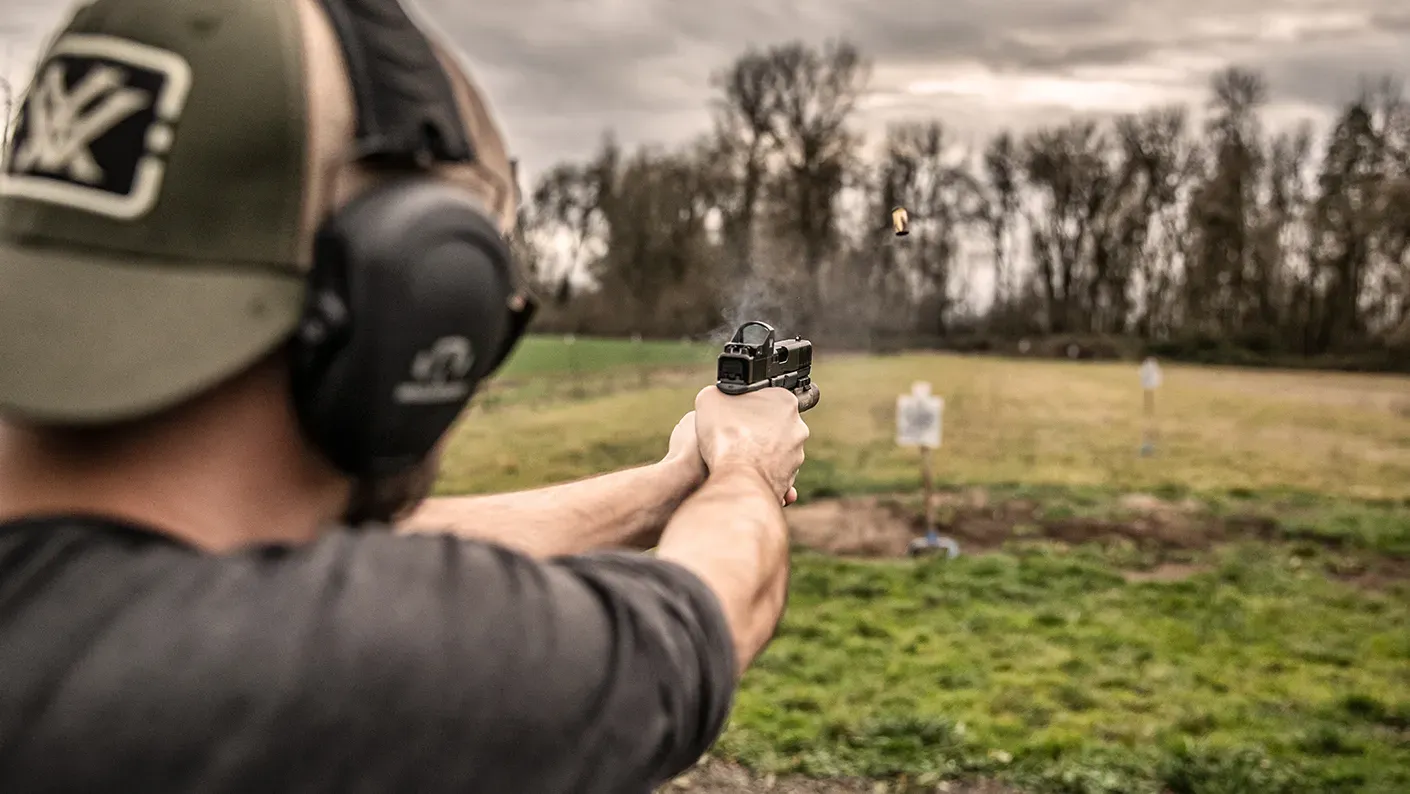
Developing a passion for shooting sports is more than just learning to aim and fire; it
encompasses a journey of self-discovery, discipline, and community engagement. Did you know
that shooting sports have been embraced by millions around the world, not only as a
competitive activity but also as a means of promoting personal responsibility and safety?
Whether you’re drawn to the precision of target shooting, the thrill of action shooting, or the
camaraderie found in local clubs, the world of shooting sports offers something for everyone.
This blog post will explore the steps involved in nurturing your enthusiasm for shooting, from
mastering essential skills to embracing the culture and community that accompanies the sport.
Join us as we delve into how you can transform a mere interest into a lifelong passion for
shooting sports.
Understanding Shooting Sports
Shooting sports encompass a variety of competitive and recreational activities that involve
firearms. From target shooting to skeet and trap shooting, there are many avenues for
enthusiasts to explore. Understanding the different types is crucial for anyone interested in
developing a passion for shooting sports.
Types of Shooting Disciplines
- Target Shooting: This discipline focuses on precision and accuracy, often done at static
ranges. It can involve pistols and rifles with various distances and targets.
- Skeet and Trap Shooting: These are shotgun sports where participants aim at clay
targets launched into the air. They test quick reflexes and coordination.
- Practical Shooting: Involves dynamic scenarios where participants shoot at targets while
moving. This sport emphasizes speed and strategy.
The Importance of Connection to the Second Amendment
A robust grasp of the Second Amendment is essential for anyone pursuing firearms training.
This legal foundation not only guarantees the right to bear arms but also underscores the
importance of responsible gun ownership.
Understanding Self-Defense Rights
- Educational Value: It’s imperative to comprehend why the Second Amendment exists
and its relevance in today’s society.
- Building Responsibility: Developing a passion for shooting sports inherently involves an
acknowledgment of the responsibilities that come with gun ownership, including safety
and ethical use.
The Role of Safety Training
At the core of firearms instruction is a commitment to safety. Whether you're a beginner or an
experienced shooter, understanding and following safety protocols is critical. Here's how new
shooters can prioritize safety:
1. Enroll in Accredited Courses: Seek out firearms academies, like Colorado Boots
Firearms Instruction, which prioritize safety in their teachings.
2. Utilize Proper Gear: Always wear appropriate protective equipment, such as eye
and ear protection.
3. Follow Range Rules: Each shooting range will have specific rules. Adhering to these is
vital for personal and group safety.
Having a clear understanding of the significance of responsible gun usage can significantly
enhance one’s experience in developing a passion for shooting sports. For those who want to
learn more about safety and responsible ownership, organizations like the National Shooting
Sports Foundation provide a wealth of resources (NSSF).
Starting Your Journey: First Steps in Shooting Sports
Beginning your journey in shooting sports requires the right mindset and preparation. Here are
steps to guide you:
- Finding the Right Firearms Academy: Look for local academies that offer
beginner-friendly courses. Research their instructors and class formats.
- Selecting Appropriate Gear: Invest in the essential gear tailored for beginners, focusing
on comfort and functionality.
- Understanding Safety Protocols: Familiarize yourself with the fundamental safety rules
and practices before engaging in shooting sports.
By following these guidelines, aspiring shooters can set a solid foundation for developing a
passion for shooting sports while ensuring a rewarding and safe experience.
Developing Skills and Competence
Developing a passion for shooting sports requires a commitment to learning and honing your
skills. Whether you're aiming for competitive shooting or simply enjoying the recreational aspect,
building a solid skill set is essential for a fulfilling experience.
Importance of Instruction and Training
Engaging with qualified instructors can significantly enhance your understanding and
capabilities in shooting sports. Here’s why professional training is invaluable:
- Personalized Feedback: Instructors can tailor their advice to suit your specific needs and
goals.
- Structured Learning: A systematic approach to skills allows beginners to grasp complex
techniques in a digestible way.
- Safety Emphasis: Trained professionals prioritize safety, ensuring that you learn the right
protocols from the outset.
Key Skills to Focus On
When developing a passion for shooting sports, certain fundamental skills should be prioritized:
1. Stance and Grip: Your initial posture and grip on the firearm can greatly influence
accuracy.
2. Sight Alignment and Trigger Control: Mastering how to align your sights and control the
trigger pull is critical for precision shooting.
3. Breath Control: Learning when and how to control your breath can steady your aim.
Setting Realistic Goals for Progress
Goal setting is an important aspect of any skill development journey. To effectively track your
progress and remain motivated, consider these steps:
- Short-term Goals: Focus on manageable objectives, such as improving your grip or
mastering safety protocols.
- Long-term Goals: Aim for broader milestones, like participating in your first competition
or achieving a specific score.
- Regular Assessments: Schedule check-ins to review your progress and adjust your
learning strategies as needed.
For resources and programs that can guide your shooting skills, look into organizations like the
National Rifle Association (NRA), which offers various training opportunities and educational
materials (NRA).
As you progress, remember that developing a passion for shooting sports isn’t just about
achieving proficiency; it’s also about fostering a deep appreciation for the discipline, safety, and
camaraderie that the shooting community offers.
Building a Community and Support Network
As you embark on the journey of developing a passion for shooting sports, one of the most
rewarding aspects is the community you will encounter. Engaging with like-minded individuals
not only enhances your learning experience but also fosters friendships that can last a lifetime.
Joining Local Shooting Clubs
Local shooting clubs provide a platform for individuals at all skill levels to connect and grow
together. Here are some benefits of joining:
- Networking Opportunities: Meeting fellow shooting enthusiasts can lead to valuable
exchanges of knowledge and experiences.
- Group Practice Sessions: Many clubs organize group practice times, offering the
chance to learn from others while improving your skills.
- Access to Competitions: Clubs often host or have information about local shooting
competitions, enabling you to participate and experience the excitement firsthand.
Participating in Community Events
Getting involved in community events is a fantastic way to immerse yourself in the world of
shooting sports while giving back. Opportunities include:
- Shooting Tournaments: These events typically cater to various skill levels and can be an
excellent way to showcase your skills.
- Fundraising Events: Participating in or organizing events for local charities can help
promote safe shooting practices and foster community support.
- Workshops and Educational Programs: Many organizations host workshops that focus
on different aspects of shooting sports, from technical skills to safety.
Networking with Experienced Shooters
Establishing connections with seasoned shooters can significantly enhance your learning
process. Consider the following:
- Mentorship Opportunities: Many experienced shooters are willing to share their insights
and tips, providing invaluable guidance.
- Learning from Diverse Experiences: Engaging with a range of skilled individuals opens
opportunities to learn new techniques and perspectives on shooting sports.
As you develop a passion for shooting sports, investing time in building a community can greatly
enrich your experience. Consider exploring local clubs or organizations, such as the Scholastic
Shooting Sports Foundation, which promotes youth shooting programs (SSSF).
By surrounding yourself with supportive peers, you'll not only improve your skills but also find
camaraderie that makes the journey even more fulfilling.
The Role of Practice in Developing Passion
Practice is a fundamental component of mastering any skill, and developing a passion for
shooting sports is no exception. Regular practice not only enhances your abilities but also
deepens your appreciation for the discipline involved in shooting.
Importance of Regular Practice
Consistent practice is vital for several reasons:
- Skill Refinement: Frequent drills can help you refine techniques such as grip and
breathing, leading to increased accuracy over time.
- Building Confidence: Regular practice sessions boost your confidence, helping you feel
more comfortable when participating in competitions or shooting outings.
- Mental Preparation: Shooting sports require mental focus. The more you practice, the
better you'll become at maintaining concentration under pressure.
Setting Up a Training Schedule
Creating a structured training schedule can significantly improve your progress:
- Consistency: Aim for a balance between frequency and duration. Short, regular sessions
are often more effective than infrequent, long ones.
- Variety: Incorporate different drills and shooting styles into your practice to challenge
yourself and keep your sessions engaging.
- Rest and Recovery: Allow for downtime to prevent burnout and ensure that your skills
remain sharp.
Tracking Progress and Improvements
Keeping a record of your practice can help you measure your growth:
- Journaling: Maintain a log of your practice sessions, noting what you worked on and any
areas for improvement.
- Performance Metrics: Track your scores and accuracy over time, which can provide
tangible evidence of your advancements.
- Goal Adjustment: Regularly evaluate your goals based on your performance and
experiences. This will help keep you motivated and focused on your development.
As you integrate practice into your journey of developing a passion for shooting sports,
remember that patience and perseverance are key. For additional resources on training and
practice strategies, consider visiting websites like the National Shooting Sports Foundation
(NSSF), which provides extensive guidance on responsible shooting practices.
With dedication and structured practice, you will not only improve your shooting skills but also
cultivate a deeper appreciation for the sport itself.
Expanding Your Knowledge and Experience
In the realm of developing a passion for shooting sports, continuous education and exposure to
new experiences can significantly elevate your skill and enjoyment level. Engaging in various
learning opportunities allows you to broaden your perspective and deepen your appreciation for
the sport.
Attending Workshops and Seminars
Participating in workshops and seminars is an excellent method to gain insights from experts
and improve your skills:
- Skill-Specific Workshops: Look for events focusing on particular techniques, such as
precision shooting or tactical movement.
- Safety Seminars: Prioritize learning about the latest safety protocols and legislation to
ensure your practices align with current standards.
- Q&A Sessions: Take advantage of opportunities to ask experienced instructors questions
and gain personalized advice.
Exploring Different Shooting Styles
Broadening your experience through diverse shooting disciplines can enhance your overall
understanding of the sport:
- Competitive Shooting: Join competitions to experience the adrenaline and challenge of
shooting against others.
- Hunting: Engage in hunting activities to understand how shooting skills transfer to
real-world applications.
- Recreational Shooting: Explore informal shooting sessions, which can set the stage for
socializing and having fun while practicing.
Remaining Open to Learning New Techniques
Keep an open mind as you become immersed in the shooting community:
- Feedback from Peers: Learn from fellow shooters, as they can often offer valuable tips
and techniques that work for them.
- Adaptability: Be willing to adjust your methods and innovations as you absorb knowledge
from various sources.
- Stay Updated: Follow industry news and updates to stay informed about advancements
in shooting gear and techniques.
To enhance your learning journey and take full advantage of the resources available, consider
checking out organizations like the Civilian Marksmanship Program (CMP), which offers a
wealth of information on shooting education and opportunities (CMP).
By actively pursuing knowledge and experience, you will not only refine your skills but also
enrich your passion for shooting sports.
The Benefits of Shooting Sports
Developing a passion for shooting sports goes beyond the skills acquired with firearms; it also
encompasses a wide range of physical, mental, and social benefits that enhance overall
well-being. Understanding these benefits can further ignite your enthusiasm for the sport.
Physical and Mental Health Advantages
Engaging in shooting sports can lead to numerous health benefits:
- Improved Focus and Concentration: Shooting requires intense focus and mental clarity,
which can translate to better concentration in other areas of life.
- Enhanced Physical Coordination: Precision shooting demands coordination between
the eyes and hands, improving fine motor skills over time.
- Stress Relief: The act of shooting can serve as an effective outlet for stress and anxiety,
providing a moment of tranquility and focus.
Building Focus and Discipline
Shooting sports demand a high level of discipline, which can foster personal growth:
- Goal-Oriented Mindset: Setting and achieving targets in shooting can reinforce a
goal-oriented approach, applicable in multiple aspects of life.
- Routine Development: Regular practice instills a sense of routine, contributing to
self-discipline and time management.
- Coping Mechanisms: Learning to handle the pressure of competitions can develop
resilience and coping skills for everyday challenges.
Fostering a Sense of Accomplishment
Accomplishment in shooting sports can come from a variety of milestones:
- Skill Progression: Achieving personal bests, mastering new techniques, and completing
training sessions can boost self-esteem.
- Competitions: Participating in and excelling in competitions provides validation and
recognition for your hard work.
- Community Recognition: Receiving acknowledgment from peers and mentors can
foster a sense of belonging within the shooting community.
To explore more about the health benefits of shooting sports and additional resources available,
consider visiting the National Center for Health Research, which details the positive impacts of
shooting on personal well-being (NCHR).
As you delve deeper into developing a passion for shooting sports, recognizing these benefits
can enhance your motivation and commitment to the journey.
Next Steps: Becoming an Advocate for Shooting Sports
As you develop a passion for shooting sports, you may find yourself wanting to share your
enthusiasm and knowledge with others. Advocating for the sport not only benefits you but also
helps promote responsible shooting practices within your community.
Sharing Your Journey and Encouraging Others
Sharing your personal experiences can inspire both new and seasoned shooters:
- Social Media Engagement: Use platforms like Instagram and Facebook to document
your journey, share tips, and connect with fellow enthusiasts.
- Blogging or Vlogging: Start a blog or YouTube channel focused on your experiences in
shooting sports, showcasing training routines, gear recommendations, and personal
insights.
- Community Involvement: Participate in local events or schools to introduce others to
shooting sports and the importance of safe practices.
Participating in Community Outreach Programs
Engaging in outreach programs can help foster a positive image of shooting sports:
- Youth Programs: Volunteer for programs that introduce young people to safe shooting
practices and the basics of marksmanship.
- Safety Seminars: Organize or participate in seminars that educate the public on safety,
legislation, and responsible gun ownership.
- Charity Events: Support or organize charity shoots that can raise funds for worthwhile
causes while promoting a positive outlook on firearms education.
Supporting Responsible Gun Ownership Initiatives
Being a proactive member of the shooting community involves advocating for responsible
practices:
- Promote Education: Encourage others to take formal training courses to ensure they
understand firearms safety and handling.
- Engage in Discussions: Participate in discussions within your community about
responsible gun ownership, legislation, and the importance of mental health in relation to
firearms use.
- Advocate for Legislation: Stay informed about local gun laws and advocate for
legislation that promotes responsible ownership and safe usage.
To further your advocacy efforts and stay updated on important initiatives, consider visiting
organizations like the National Shooting Sports Foundation, which provides resources and
information on responsible shooting practices (NSSF).
By embracing the role of an advocate in developing a passion for shooting sports, you can
contribute to a culture of safety, respect, and community engagement that benefits both new
and experienced shooters alike.
Embracing the Culture of Shooting Sports
Developing a passion for shooting sports is not solely about improving your skills; it’s also about
embracing the rich culture that surrounds the sport. Understanding the history, traditions, and
community aspects of shooting can greatly enhance your appreciation and commitment.
Understanding the History and Heritage
Shooting sports have a long and storied history that has evolved over time:
- Historical Significance: Recognizing the important role firearms have played in society,
from hunting to self-defense, helps contextualize their use in modern sports.
- Traditional Competitions: Many disciplines have historical competitions that reflect the
skills and techniques of past eras, offering a unique insight into the sport’s evolution.
Celebrating Achievements in the Shooting Community
Acknowledging the accomplishments of others can foster a sense of unity and motivation:
- Competitions and Awards: Participating in or attending competitions allows you to see
the culmination of hard work and dedication. Celebrating achievements, whether
individual or team-oriented, strengthens community ties.
- Recognition Programs: Many shooting organizations offer award programs to recognize
achievements in different categories, encouraging members to strive for excellence.
Promoting a Positive Image of Firearms Education
The perception of shooting sports can be influenced by how the community presents itself:
- Community Involvement: Engaging with local communities through events and outreach
programs can reshape perceptions and highlight the positive aspects of responsible gun
ownership.
- Educational Initiatives: Hosting workshops and demonstrations focused on safety,
responsibility, and skills helps educate the public about the benefits of shooting sports.
To delve deeper into the cultural aspects of shooting sports and explore educational
opportunities, consider visiting renowned organizations such as the American Shooting Sports
Foundation, which promotes and supports education in shooting sports across the nation
(ASSF).
By embracing the culture of shooting sports as you develop your passion, you can become a
more informed and engaged member of the community, contributing positively to the sport’s
legacy and future.
Next Steps: Pursuing Further Education and Training
As you continue developing a passion for shooting sports, pursuing further education and
training becomes essential to enhance your skills and confidence. Whether you're a beginner or
a seasoned shooter, there are always more opportunities to learn and grow.
Types of Further Education and Training
Investing in your education can take many forms, each tailored to meet different goals:
- Advanced Shooting Courses: These courses often cover specialized skills in various
shooting disciplines, such as tactical shooting or long-range precision.
- Instructor Certifications: For those interested in teaching others, obtaining an instructor
certification can qualify you to share your passion and knowledge effectively.
- Mental Training Workshops: Many successful shooters emphasize the importance of
mental focus and composure. Workshops on mental conditioning can greatly enhance
your performance under pressure.
Finding Quality Training Resources
To maximize your training efforts, consider the following sources:
- Reputable Shooting Schools: Many established shooting schools offer comprehensive
programs with experienced instructors. Research and choose ones with positive reviews
and a solid reputation.
- Online Resources: Online courses and tutorials can provide you with flexible learning
options. Websites like the NRA and other professional organizations often provide
valuable educational content (NRA).
- Local Clubs and Organizations: Engaging with local shooting clubs can reveal various
workshops, training sessions, and community events designed to help you grow in the
sport.
Setting Personal Goals for Education
Establishing clear goals for your education can help keep you motivated:
- Short-Term Goals: Focus on specific skills you wish to master. For example, aim to
complete a basic pistol course or improve your marksmanship within the next few months.
- Long-Term Goals: Consider what you want to achieve over the next few years—this may
include participating in competitions or facilitating training for others.
- Regular Assessments: Periodically evaluate your progress and adjust your goals as
necessary to ensure continual growth and alignment with your passion.
By actively seeking further education and training as part of your journey in developing a
passion for shooting sports, you can gain proficiency, confidence, and a deeper understanding
of the sport, ultimately enriching your experience and engagement in the shooting community.
Emphasizing Safety and Responsibility in Shooting Sports
As you embark on the journey of developing a passion for shooting sports, emphasizing safety
and responsibility is paramount. Understanding and implementing safe practices not only
protects you but also fosters a responsible community of shooters.
The Importance of Safety in Shooting Sports
Safety is the foundation of all shooting activities. Here’s why prioritizing safety is crucial:
- Preventing Accidents: Strict adherence to safety rules helps prevent accidents that can
lead to injury or even fatalities.
- Building Trust: A focus on safety cultivates a culture of trust among shooters, ensuring
everyone feels secure while participating in the sport.
- Promoting Positive Perception: A strong commitment to safety can help counter
negative stereotypes associated with firearms, promoting a more responsible image of
shooting sports.
Essential Safety Rules to Follow
Implementing essential safety practices is critical for all shooters:
1. Always Treat Firearms as if They Are Loaded: This fundamental rule keeps you vigilant
and reduces the risk of accidental discharges.
2. Keep Your Muzzle Pointed in a Safe Direction: Aim your firearm in a direction where
unintended discharge will not cause harm.
3. Be Aware of Your Target and Beyond: Always know what you are shooting at and what
lies behind it.
4. Use Proper Eye and Ear Protection: Always wear appropriate protective gear to
safeguard against potential hazards.
5. Follow Range Rules: Each shooting range has specific rules that must be observed to
ensure everyone’s safety.
Promoting Responsible Firearms Ownership
With your passion for shooting sports, embracing responsible ownership and educating others is
key:
- Engage in Safety Training Programs: Participate in and promote safety courses that
emphasize responsible firearm handling and storage.
- Mentor New Shooters: Share your knowledge and experience with newcomers to ensure
they understand the significance of safety.
- Stay Informed: Keep up-to-date with evolving safety practices and legislation related to
firearms.
To further deepen your understanding of firearm safety and responsibility, consider accessing
resources from the National Shooting Sports Foundation (NSSF), which offers extensive safety
programs and materials (NSSF).
By firmly establishing safety and responsibility as core principles in your journey of developing a
passion for shooting sports, you help create a safe and positive environment for all participants,
thereby enriching the shooting community as a whole.
What are the different types of shooting sports?
There are several types of shooting sports, each offering unique challenges and experiences.
Common disciplines include target shooting, skeet and trap shooting, practical shooting, and air
rifle shooting. Each type focuses on different skills, such as accuracy, speed, and handling,
providing individuals with various avenues to explore their interests and abilities.
Is prior experience required to start learning shooting sports?
No prior experience is necessary to begin learning shooting sports. Many firearms academies
cater specifically to beginners and offer introductory courses that cover the basics of firearms
handling and safety. As long as you have a willingness to learn and a commitment to safety, you
can start your journey in shooting sports at any level.
How important is safety in shooting sports?
Safety is paramount in shooting sports. Following established safety protocols helps prevent
accidents and ensures a secure environment for all participants. It is essential to treat every
firearm as if it is loaded, maintain muzzle control, and always be aware of your surroundings.
Emphasizing safety not only protects yourself but also fosters a responsible shooting
community.
Can I practice shooting sports without a firearm?
Yes, you can practice certain aspects of shooting sports without using a firearm. Many training
techniques can be done with airsoft guns or simulators, allowing you to work on skills such as
stance, grip, and trigger control in a safe setting. Additionally, dry-fire practice, which involves
practicing your shooting techniques without live ammunition, is a valuable training method that
can enhance your skills.
What are the benefits of joining a shooting club?
Joining a shooting club offers numerous benefits, including access to training resources,
practice facilities, and a supportive community. Clubs often organize competitions, which can
help you test your skills in a friendly environment and connect with other enthusiasts who share
your passion. Being part of a club also provides ongoing education opportunities, mentorship,
and friendships that enrich your experience in shooting sports.
Tags: Developing A Passion For Shooting Sports Today (1)
Latest Blog & Articles
The Ultimate Guide to Defensive Handgun Training in Colorado
In an increasingly uncertain world, mastering defensive handgun training is essential for responsible gun ownership and personal safety. Co…
Read more →
Best Practices for Defensive Handgun Training: A Comprehensive Guide
In a world where personal safety is increasingly vital, mastering defensive handgun training is essential for anyone considering firearm ow…
Read more →
The Ultimate Guide to Firearm Training Courses in El Paso County, Colorado
In an age where firearm safety and education are paramount, Colorado Boots is proud to provide the definitive guide to firearm training cou…
Read more →