
Creating a solid foundation in firearm safety
October 15, 2024 · Firearm Safety
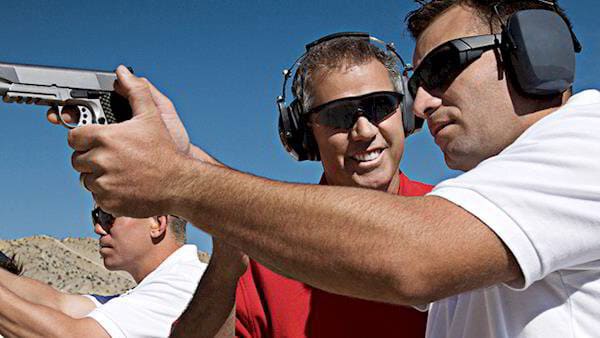
Creating a solid foundation in firearm safety with comprehensive classes is more critical than
ever in a society that increasingly values self-defense and responsible gun ownership. Did you
know that according to the National Safety Council, nearly 500 accidental firearm deaths occur
in the United States each year? These tragic incidents underscore the necessity for effective
training and education. Whether you are a seasoned gun owner or a newcomer eager to learn
about firearms, understanding the principles of safety can significantly reduce risks and promote responsible usage. Through structured coursework and hands-on experience, individuals can
acquire the skills and knowledge needed to navigate the complexities of firearm ownership confidently. In this blog post, we will explore the essential components of firearm safety, the
benefits of comprehensive classes, and how ongoing education can foster a culture of safety
and responsibility among gun owners.
Understanding the Importance of Firearm Safety
Firearm safety is a critical component of responsible gun ownership. In today's society, proper firearm education and safety practices can prevent accidents and ensure that individuals can
exercise their Second Amendment rights confidently. When we discuss creating a solid
foundation in firearm safety with comprehensive classes, we emphasize the transformative
impact of education on both individuals and communities.
The Role of Firearm Safety in Everyday Life
Every day, millions of people engage with firearms, whether for recreation, sport, or personal
protection. Understanding firearm safety is vital to ensuring that everyone enjoys their right to
bear arms responsibly. Here are key reasons why firearm safety is essential:
- Prevention of Accidents: Proper training significantly reduces the likelihood of
accidental discharges.
- Informed Decision-Making: Education empowers gun owners to make sound choices
regarding their firearms.
- Promoting Respect: A focus on safety fosters a culture of respect for firearms and their
potential consequences
The Second Amendment and Personal Responsibility
The Second Amendment grants individuals the right to bear arms, but with that right comes a
profound responsibility. Understanding the implications of this right is crucial in advocating for
safe practices. Responsible firearm ownership means recognizing the importance of:
- Knowledge and education regarding firearms.
- Safe handling practices.
- Legal implications and responsibilities tied to firearm ownership.
Key Concepts in Firearm Safety
To build a solid foundation in firearm safety, it's essential to grasp several key concepts:
Understanding Firearm Mechanics
Knowing how your firearm functions is a fundamental part of safety. It includes:
- Familiarizing yourself with different types of firearms.
- Understanding operating mechanisms, such as loading, unloading, and firing.
The Four Primary Rules of Gun Safety
Every gun owner should adhere to the four essential rules of safety:
- Treat every firearm as if it is loaded.
- Never point the firearm at anything you do not intend to shoot.
- Keep your finger off the trigger until ready to shoot.
- Know your target and what lies beyond it.
Safe Handling and Storage Practices
Implementing safe handling and storage practices is vital to preventing unauthorized access
and accidents. Consider the following:
- Use gun safes and locks to store firearms securely.
- Always unload firearms when not in use.
- Educate family members, especially children, about firearm safety.
By taking the initiative to understand and embrace these guidelines, individuals can actively
participate in creating a solid foundation in firearm safety with comprehensive classes that cater
to different skill levels.
For detailed guidelines on safe firearm practices, visit National Shooting Sports Foundation for
extensive resources.
The Benefits of Comprehensive Classes
When it comes to firearm safety, enrolling in comprehensive classes can make all the difference.
These classes are designed to equip both beginners and experienced shooters with the
knowledge and skills necessary for safe firearm operation. Here are some of the key benefits of
participating in structured firearm training:
Tailored Learning for All Skill Levels
Comprehensive classes cater to a diverse audience, ranging from complete novices to
seasoned veterans. They provide:
- Beginner Courses: Introduction to firearm basics, safety protocols, and handling.
- Intermediate Classes: Enhanced skills in marksmanship and tactical operation.
- Advanced Training: Specialization in specific types of firearms and self-defense
scenarios.
In-Depth Knowledge on Firearm Legislation
Understanding the legal complexities surrounding firearm ownership is crucial. Comprehensive
classes often cover:
- State-specific laws and regulations.
- Responsibilities of gun ownership.
- The legal implications of using a firearm in self-defense incidents.
Practical Experience and Hands-On Training
One of the most significant advantages of comprehensive classes is the opportunity for practical
training. Key elements include:
- Live Fire Exercises: Students get the chance to handle firearms under supervised, safe
environments.
- Simulation Scenarios: Realistic scenarios provide context for decision-making and
situational awareness.
- Instructor Feedback: Immediate, constructive feedback helps participants refine their
technique and safety practices.
In conclusion, creating a solid foundation in firearm safety with comprehensive classes not only
improves individual skill levels but also instills a sense of responsibility in firearm owners. It’s
essential to choose a training program that emphasizes these critical benefits.
To find reputable training programs, consider visiting NRA's Training Division, where you can
explore various educational offerings and resources tailored to firearm safety.
Components of a Solid Foundation in Firearm Safety
Creating a solid foundation in firearm safety with comprehensive classes involves understanding
various components that contribute to effective training and responsible firearm ownership.
These components ensure that individuals not only learn the mechanics of firearms but also
develop a mindset geared toward safety and responsibility.
Mental Preparedness and Situational Awareness
Mental preparedness is paramount when it comes to firearm safety. This component
emphasizes:
- Situational Awareness: Recognizing and understanding your surroundings can
significantly reduce risk by allowing you to assess potential threats.
- Conflict Resolution: Training often includes lessons on how to de-escalate situations
without resorting to firearms.
- Emotional Readiness: Being mentally prepared for the responsibilities of firearm
ownership can prevent impulsive decisions in high-stress situations.
Developing Safe Habits Through Repetition
Repetition is key to transforming learned safety practices into instinctive habits. Training
programs typically focus on:
- Dry Fire Drills: Practicing handling and aiming without ammunition can enhance muscle
memory and build familiarity.
- Regular Safety Checks: Forming the habit of regularly checking your firearm for
mechanical issues fosters a mindset of responsibility and vigilance.
- Consistent Review of Safety Protocols: Reinforcing safety rules regularly helps ensure
they remain top of mind in everyday life.
Familiarization with Different Types of Firearms
Understanding the diverse range of firearms available is essential for safe ownership. The
following points highlight what comprehensive classes offer:
- Hands-On Exposure: Classes provide opportunities to handle various types of firearms,
including handguns, rifles, and shotguns.
- Mechanics Comparison: Learning the different operating mechanisms, such as
semi-automatic versus bolt-action, aids in understanding safe handling practices.
- Caliber Knowledge: Gaining insight into different calibers fosters informed
decision-making regarding firearm selection and use.
By focusing on these components, individuals can develop a thorough understanding of firearm
safety, leading to responsible and informed gun ownership. Committing to creating a solid
foundation in firearm safety with comprehensive classes not only enhances personal proficiency
but also contributes to community safety.
For more comprehensive resources, you can visit the American Firearms Training website,
which offers various training materials and courses.
Choosing the Right Training Program
When it comes to creating a solid foundation in firearm safety with comprehensive classes,
selecting the right training program is crucial. The effectiveness of your firearm education
depends largely on the quality of the instructional resources available to you. Below are
essential factors to consider when choosing a training program:
What to Look for in Firearm Classes
The ideal training program should incorporate several key features, including:
- Accreditation: It’s important to confirm that the course is recognized by reputable
organizations within the firearms training community.
- Comprehensive Curriculum: Look for programs that cover a wide range of topics, from
basic firearm handling to advanced defensive tactics.
- Instructor Qualifications: Choose classes taught by certified instructors with experience
in both instruction and firearm use.
The Importance of Certified Instructors
Instructors play a pivotal role in delivering effective firearm safety training. Consider the
following when evaluating potential instructors:
- Experience: Instructors should have a background in firearms, including active duty or
professional training experience.
- Teaching Expertise: Effective communication skills and the ability to demonstrate
techniques are essential for quality instruction.
- Commitment to Safety: Look for instructors who prioritize safety and adhere to the
highest safety standards in their teachings.
Evaluating Course Content and Structure
A well-structured curriculum enhances the learning experience. Here’s what to consider:
- Class Size: Smaller class sizes provide more personalized attention and hands-on
training opportunities.
- Mix of Theory and Practice: Ensure the program balances theoretical knowledge with
practical exercises, allowing participants to apply what they learn.
- Flexibility and Accessibility: Programs should accommodate different schedules and
learning preferences, including online resources or weekend classes.
By focusing on these aspects, prospective students can make informed decisions about their
training and ensure they are creating a solid foundation in firearm safety with comprehensive
classes. This careful selection process will not only lead to better personal outcomes but also
help cultivate a community of responsible firearm owners.
For more guidance on selecting the right firearms training program, visit Sig Sauer Academy,
which offers a variety of courses tailored to all skill levels.
The Role of Ongoing Education in Firearm Safety
Creating a solid foundation in firearm safety with comprehensive classes is just the beginning of
responsible firearm ownership. Ongoing education is crucial for reinforcing knowledge, staying
informed about changes in firearm laws, and adapting to new safety practices. This section
explores why continual learning is vital for every gun owner.
Importance of Refresher Courses
As with any skill, regular practice and review are essential for maintaining proficiency. Refresher
courses can offer:
- Updated Techniques: Training can evolve, and refresher courses keep you abreast of
the latest and safest handling techniques.
- Reinforcement of Principles: Revisiting fundamental safety principles helps to instill
lasting practices.
- An Opportunity to Ask Questions: Participating in refresher courses allows for
engagement with instructors regarding any uncertainties or new developments.
Staying Updated on Laws and Best Practices
Gun laws and best practices can frequently change, and being informed is a responsibility every
gun owner must embrace. Ongoing education contributes by:
- Understanding Regulatory Changes: Regular training helps owners stay compliant with
state and federal laws, which can vary widely.
- Legal Implications: Education on self-defense laws and what constitutes justifiable use
of a firearm is essential for awareness and responsibility.
Community Engagement and Continued Learning
Participating in community events related to firearm safety enhances your knowledge base and
fosters connections with other responsible owners. Benefits include:
- Workshops and Seminars: Many organizations offer ongoing workshops that focus on
specific topics like self-defense tactics or advanced marksmanship.
- Networking Opportunities: Engaging with other firearm owners allows for the exchange
of best practices and tips.
- Peer Support: Being part of a community fosters an environment where individuals can
support each other’s learning journeys.
In conclusion, ongoing education is a fundamental aspect of firearm safety that should not be
overlooked. By committing to create a solid foundation in firearm safety with comprehensive
classes and pursuing further education, individuals not only improve their skills but also
enhance the safety of their communities.
For more information on continuous firearms training, check out USCCA, which offers a range of
resources and training programs to support ongoing education.
Conclusion: Building a Safer Future Through Education
In an era where firearm ownership is growing, the emphasis on education and safety cannot be
overstated. Creating a solid foundation in firearm safety with comprehensive classes is not only
essential for individual gun owners but also pivotal for enhancing community safety and
responsibility.
Encouraging Responsible Gun Ownership
The journey to responsible gun ownership begins with education. Here are a few key takeaways
to consider:
- Knowledge Is Power: Understanding the mechanics of firearms and the laws governing
their use mitigates risks and fosters responsible ownership.
- Safety First: Emphasizing safety through classes establishes habits that protect
individuals and those around them.
- Community Responsibility: Educated gun owners set a standard within their
communities, encouraging others to prioritize firearm safety.
The Impact of Comprehensive Classes on Society
Investing in comprehensive firearm education leads to a significant societal impact:
- Reduction in Accidents: Proper training has been shown to decrease the number of
firearm-related accidents.
- Informed Decision-Making: Classes equip gun owners with the knowledge to make
informed choices, whether in purchasing firearms or in self-defense scenarios.
- Promoting a Culture of Safety: Ongoing education encourages a culture where safety is
valued and promoted among peers and family members.
By committing to continuous learning and attending comprehensive classes, gun owners not
only equip themselves with invaluable skills but also contribute to a culture of safety and
responsibility. The pathway to creating a solid foundation in firearm safety is not a one-time
effort; it is an ongoing journey that benefits everyone in society.
For additional resources on firearm safety education, visit The Well Armed Woman, which
provides comprehensive training materials and community support for female gun owners.
Key Takeaways for Responsible Firearm Ownership
As we conclude our exploration of creating a solid foundation in firearm safety with
comprehensive classes, it's important to highlight the essential takeaways that every gun owner
should remember. These points not only encapsulate the significance of thorough training but
also emphasize the values of safety and responsibility.
Embrace Continuous Learning
Firearm safety is not a one-time lesson but a lifelong commitment. Consider the following:
- Stay Updated: Frequent changes in laws and safety practices make it essential to
continuously educate yourself.
- Participate in Workshops: Engaging in regular workshops and refresher courses keeps
your knowledge current and sharp.
Prioritize Safety Above All
Safety should be at the forefront of every gun owner's mind. Key safety practices include:
- Follow the Four Rules of Gun Safety: These foundational rules should guide every
interaction with firearms.
- Use Proper Storage Solutions: Invest in safes or locks to prevent unauthorized access.
Engage with Your Community
Being part of a community of responsible gun owners fosters a culture of safety and support.
Consider these actions:
- Network with Fellow Owners: Sharing knowledge and experiences with other gun
owners enhances your understanding and fosters a collective commitment to safety.
- Involve Family Members: Educating family and friends about safe firearm practices can
significantly reduce risks.
Seek Quality Training Resources
Not all training programs are created equal. When selecting a course, prioritize:
- Reputable Organizations: Choose training from respected companies or instructors with
proven track records in firearms education.
- Comprehensive Course Content: Ensure the program addresses a wide range of safety
topics and practical applications.
In conclusion, creating a solid foundation in firearm safety with comprehensive classes
empowers individuals and fosters responsibility within communities. By embracing continuous
learning, prioritizing safety, engaging with other responsible owners, and seeking quality
training, we can collectively build a safer future.
For a wealth of resources and training options, visit Brownells, a leading retailer that offers
comprehensive educational materials and a range of firearm-related products.
What are the primary benefits of taking firearm safety classes?
Taking firearm safety classes provides numerous benefits, including hands-on training,
knowledge of legal responsibilities, and the development of safe handling practices. Students
learn about the mechanics of different firearms, proper storage techniques, and emergency
procedures, all of which contribute to responsible gun ownership.
How often should I participate in refresher courses?
It is advisable to participate in refresher courses at least once a year or whenever there are
significant changes in firearm laws or your personal circumstances. Regular training helps
reinforce safety principles, keeps your skills sharp, and ensures that you remain updated on any
new techniques or best practices.
Are firearm safety classes suitable for all skill levels?
Yes, firearm safety classes are designed to accommodate all skill levels, from complete
beginners to experienced shooters. Comprehensive programs often offer tailored courses to
match participants’ experiences, ensuring that everyone receives appropriate training and
instruction.
What should I look for when selecting a firearm training program?
When selecting a firearm training program, it’s important to consider the instructor’s
qualifications, the course content, and the organization’s reputation. Look for programs that
cover a wide range of topics, include hands-on training, and are led by certified professionals
with a strong background in firearms education.
How can I ensure the safety of my firearm at home?
To ensure the safety of your firearm at home, invest in secure storage options such as gun
safes or locked cabinets, and always store ammunition separately. Additionally, educate family
members about firearm safety and implement regular checks to ensure that your firearms are in
safe working order and securely stored when not in use.
Tags: Firearm Safety
Latest Blog & Articles
The Ultimate Guide to Defensive Handgun Training in Colorado
In an increasingly uncertain world, mastering defensive handgun training is essential for responsible gun ownership and personal safety. Co…
Read more →
Best Practices for Defensive Handgun Training: A Comprehensive Guide
In a world where personal safety is increasingly vital, mastering defensive handgun training is essential for anyone considering firearm ow…
Read more →
The Ultimate Guide to Firearm Training Courses in El Paso County, Colorado
In an age where firearm safety and education are paramount, Colorado Boots is proud to provide the definitive guide to firearm training cou…
Read more →