
Comprehensive Tips For Safe Gun Handling
February 11, 2025 · Embracing Responsible Gun Ownership / Firearm Safety & Training / Shooting Skills & Techniques
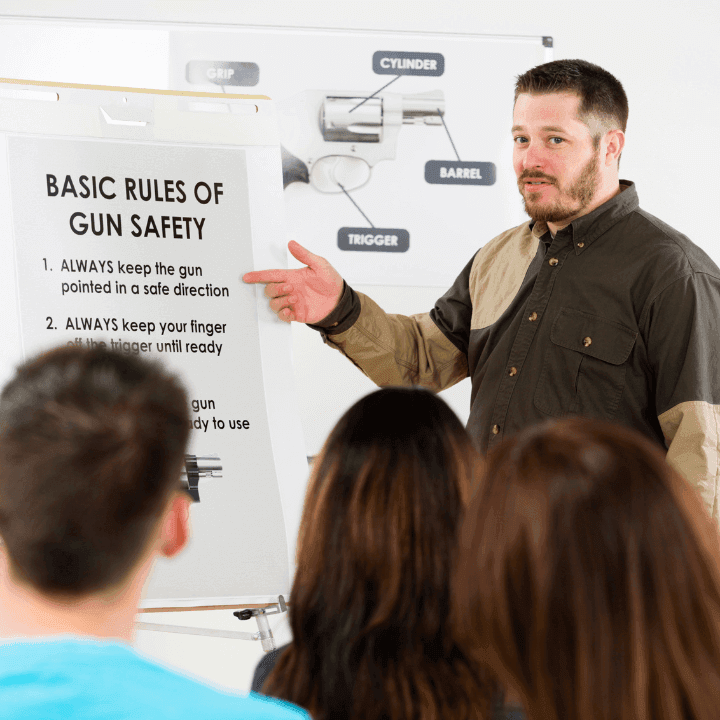
Comprehensive tips for handling a gun safely for first-time users are essential for anyone
looking to embrace the world of firearms responsibly. Did you know that firearm-related
accidents account for thousands of injuries and fatalities each year? Understanding the
importance of safe handling practices not only helps protect you but also safeguards those
around you. As more individuals take an interest in gun ownership and recreational shooting,
having a solid foundation in safety protocols becomes paramount. This guide aims to equip you
with the necessary knowledge and skills to navigate the shooting world confidently and safely,
ensuring that your introduction to firearms is both enjoyable and responsible.
Understanding Gun Safety Fundamentals
The Importance of Gun Safety
Gun safety is crucial for anyone handling firearms, especially for first-time users. Understanding
the significance of safety protocols not only protects you but also those around you. When you
adopt safe handling practices, you contribute to a culture of responsibility within the shooting
community.
Recognizing Your Responsibilities as a Gun Owner
As a gun owner, you bear the responsibility of ensuring safe practices at all times. This requires
a conscious effort to educate yourself about firearms and their operation. By understanding your
role as a gun owner, you can help prevent accidents and promote safe environmental practices.
Here are some key responsibilities:
- Always prioritize safety in all actions involving firearms.
- Stay informed about the latest safety guidelines and regulations.
- Educate family members and close friends about safe handling practices.
- Participate in shooting ranges or training programs for additional knowledge and skills.
The Four Essential Rules of Gun Safety
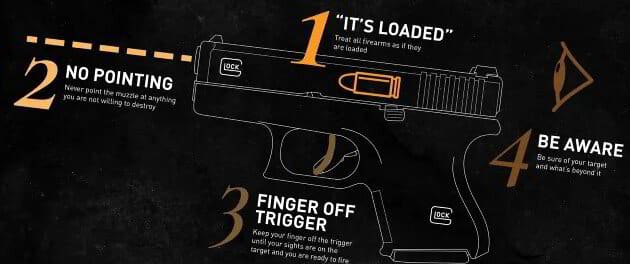
When it comes to comprehensive tips for handling a gun safely for first-time users, adhering to
four fundamental rules can help shape safe habits:
Treat Every Gun as if It’s Loaded
Regardless of whether you believe a gun is unloaded, always treat it as if it is loaded. This
mindset helps ensure you remain cautious and responsible in all your interactions with firearms.
Never Point the Gun at Anything You Don’t Intend to Shoot
Always aim your firearm in a safe direction. This means you should never point your gun at
someone or something you don't want to harm. By observing this rule, you minimize the risk of
accidental discharge.
Keep Your Finger Off the Trigger Until Ready to Shoot
Restraining yourself from placing your finger on the trigger until you're genuinely ready to fire is
crucial. This simple action can prevent unintentional shooting incidents.
Be Aware of Your Target and What’s Beyond It
Always consider your target, what lies in front of it, and anything that may be behind it. Ensure
there is a safe backstop to catch any bullets that may misfire.
Essential Equipment for Safe Gun Handling
When handling a firearm, having the right equipment can enhance safety. Here’s a list of
essential items for your gun safety toolkit:
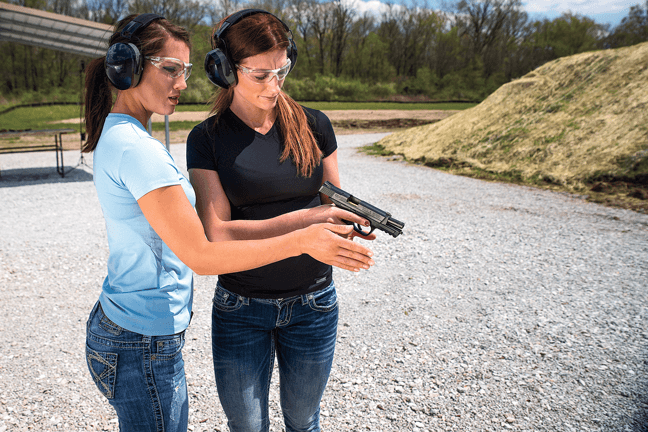
- Ear protection: Hearing is precious; use earmuffs or plugs to shield your eardrums.
- Eye protection: Safety glasses will help protect your eyes from debris and harmful effects
of gunfire.
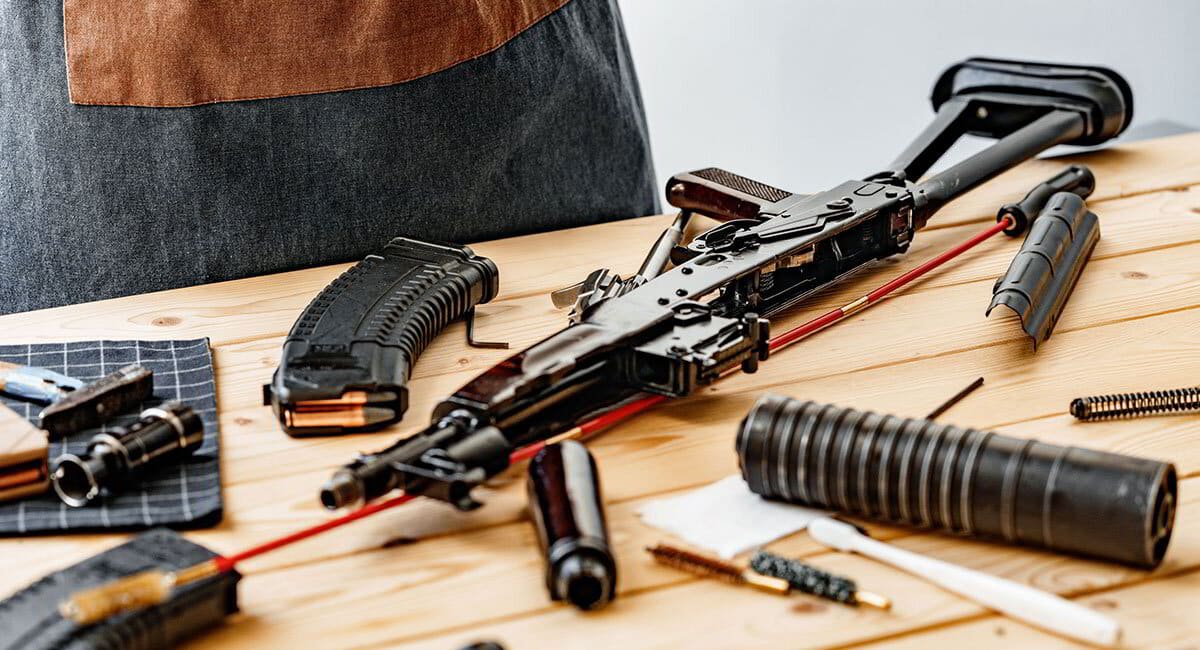
- Gun cleaning supplies: Regularly maintaining your firearm ensures its safe operation.
- Gun safe: Invest in a quality gun safe to secure firearms and ammunition.
For more information on gun handling equipment and safety tips, consider visiting NRA's Gun
Safety Guidelines for expert advice.
Developing Safe Habits Around Firearms
Creating good habits when handling firearms can significantly reduce risks. Regular practice is
essential, but it should also be paired with the right mindset and training. Here are some
strategies for developing safe habits:
- Regular training sessions: Consistent practice in a controlled environment, like a
shooting range, fosters proficiency and safety.
- Seek mentorship: Learning from experienced gun owners can provide valuable insights
and techniques.
- Routine safety checks: Make it a habit to check the status of your firearm before each
handling session.
By following these comprehensive tips for handling a gun safely for first-time users, you'll start
on the right foot toward becoming a responsible and educated gun owner.
Steps for Safe Gun Handling
Loading and Unloading Your Firearm
One of the most crucial elements of gun safety is understanding how to properly load and
unload your firearm. First-time users must be vigilant and methodical during these processes to
avoid accidents. Here are the steps you should follow:
- Always ensure the firearm is pointed in a safe direction.
- Keep your finger off the trigger.
- Visually inspect the chamber to confirm it is empty.
- Follow the manufacturer's instructions for loading and unloading.
- Practice unloading procedures regularly to become proficient.
Accurate Aim and Shooting Techniques
Proper aim and firing technique are essential for safe gun handling. First-time users should
focus on these key aspects:
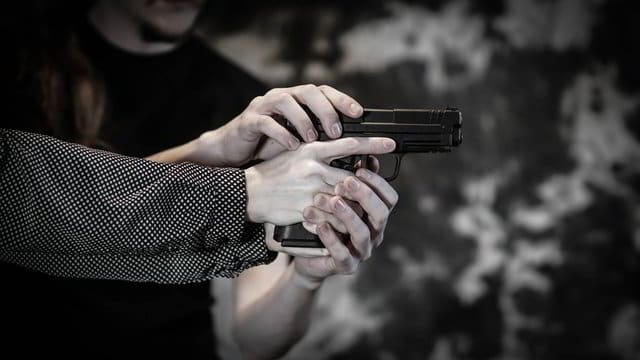
- Stance: Maintain a stable and balanced shooting stance.
- Grip: Use a proper grip that allows for control and precision.
- Sight Alignment: Ensure your sights are aligned with your target before firing.
- Breath Control: Take a deep breath, exhale gently, and pull the trigger smoothly.
By mastering your aim and shooting techniques, you minimize the risk of misfires and
unintended harm, reinforcing the need for comprehensive tips for handling a gun safely for
first-time users.
Safe Transportation Guidelines
When transporting firearms, safety should remain your utmost priority. Here are recommended
practices:
- Use a quality gun case: Ensure your firearm is securely stored in a reputable hard or
soft case.
- Empty Chamber: Always transport your gun with the chamber empty.
- Separate ammunition: Keep ammunition in a separate compartment or container.
- Lock your firearm: If possible, use a trigger lock or cable lock for extra security.
- Follow local laws: Always adhere to transportation regulations in your area.
Understanding these steps for safe gun handling is essential for first-time users. Practicing
these techniques regularly will help cultivate a mindset of safety, ensuring that you handle
firearms responsibly and confidently.
Developing Safe Habits Around Firearms
Creating a consistent routine around firearm safety is integral for new users. Here are some
effective strategies:
- Regular Training: Attend classes or workshops to improve your skills.
- Mentorship: Seek guidance from experienced shooters who can provide valuable
insights.
- Safety Checks: Make it a habit to perform safety checks on your firearms before each
use.
For more in-depth resources on safe gun handling practices, consider visiting Smith & Wesson's
Safety Guide to access expert information and guidelines.
By implementing these comprehensive tips for handling a gun safely for first-time users, you'll
build a solid foundation for responsible firearm ownership.
Understanding the Legal Aspects of Gun Ownership
Overview of Local Gun Laws
Before handling firearms, first-time users must familiarize themselves with the legal landscape
surrounding gun ownership. Laws regarding firearms can vary significantly by state and locality.
It is essential to fully understand these regulations to ensure compliance and promote a culture
of safety.
- Purchase Regulations: Check if there are age restrictions, waiting periods, or
background checks required when purchasing firearms.
- Concealed Carry Laws: Be aware of state requirements for obtaining a concealed carry
permit, if applicable.
- Storage Laws: Some states mandate specific storage conditions for firearms, particularly
in homes with children.
Responsible Storage and Transportation Regulations
Responsible storage and transportation of firearms not only comply with legal standards but
also promote safety. Here are some fundamental storage and transportation regulations to
consider:
- Secure Firearm Storage: Always store firearms in locked safes or cabinets when not in
use. This practice helps prevent unauthorized access.
- Separate Ammunition: Store ammunition in a separate location from the firearm itself to
enhance safety.
- Transport in Compliance: When transporting firearms, ensure they are unloaded and
secured in a case, as required by law.
For more insights on legal responsibilities and updates on gun laws, visiting the ATF's website
can provide valuable resources and information.
By understanding the legal aspects of gun ownership along with the comprehensive tips for
handling a gun safely for first-time users, you are reinforcing a commitment to responsible gun
ownership and safety. This knowledge will contribute to your competence and confidence as a
gun owner, ensuring you make informed decisions at all times.
Resources for Continued Learning
Recommended Courses for First-Time Users
Education is vital for anyone interested in firearms, especially for first-time users. Taking
courses with certified instructors not only enhances your skills but also reinforces safe handling
practices. Here are some recommended courses:
- Basic Firearm Safety Course: Most states offer introductory courses that cover the
fundamental safety rules, loading and unloading, and handling of firearms.
- Concealed Carry Classes: For those interested in carrying a firearm, these classes
provide essential information on local laws, the mechanics of concealed carry, and
real-world self-defense scenarios.
- Defensive Shooting Courses: These courses focus on shooting in high-pressure
situations, helping users develop the skills needed for effective self-defense.
Online Communities and Forums for Gun Enthusiasts
Participating in online forums and communities can help you expand your knowledge and
connect with experienced gun owners. Engaging with others allows you to ask questions and
share learning experiences. Here are some reputable online platforms:
- The High Road: This forum offers discussions on various topics, from gun safety to legal
issues and tips for new users.
- Reddit's r/guns: A community where users share experiences, ask questions, and
discuss firearms and gun-related topics.
- USCCA Community: The United States Concealed Carry Association provides resources
and a community focused on responsible gun ownership and safety practices.
Books and Manuals for In-Depth Understanding
For those who prefer self-paced learning, there are many books and manuals that cover
comprehensive tips for handling a gun safely for first-time users. Some noteworthy titles include:
- "The Basic Handbook of Gun Rights" by Alan Korwin: This book offers a solid
foundation in gun rights and responsibilities.
- "The Complete Book of Handgun Shooting" by Chuck Taylor: An essential guide for
understanding handgun operation, shooting methods, and safety protocols.
- "Ayoob’s Essential Gun Skills" by Massad Ayoob: This book emphasizes safe
handgun handling and effective shooting techniques.
Continually expanding your knowledge about gun safety and ownership is crucial. By utilizing
these resources, first-time users can ensure they are well-equipped to practice safe and
responsible gun handling in their everyday lives.
Conclusion
Recap of Comprehensive Tips for Handling a Gun Safely for First-Time Users
As we conclude our exploration of comprehensive tips for handling a gun safely for first-time
users, it’s important to reinforce the key takeaways:
- Prioritize Safety: Always treat every firearm as if it is loaded, and follow the core rules of
gun safety.
- Educate Yourself: Take classes, read books, and participate in online discussions to gain
a deeper understanding of firearms.
- Practice Regularly: Developing proficiency through regular practice solidifies safe
handling habits.
- Understand Your Responsibilities: Be aware of the legal aspects of gun ownership and
the importance of responsible storage and transportation.
Encouragement to Practice Responsible Gun Ownership
Owning a firearm is a significant responsibility that comes with both rights and obligations. As a
first-time user, embrace your journey toward becoming a knowledgeable and safe gun owner.
By applying the tips outlined throughout this guide, you are actively working to contribute to a
culture of safety and respect within the shooting community.
Remember, continuous education and practice are key. Make it a habit to revisit safety
guidelines and engage in regular training to maintain your skills and knowledge. Your
commitment to safe gun handling not only protects you but also enhances the safety of those
around you.
For further updates and resources, consider visiting reputable organizations like the NRA for
ongoing education and support in your journey as a firearm owner.
Building a Supportive Shooting Community
The Importance of a Community in Gun Safety
Being part of a supportive shooting community can significantly enhance your firearm handling
skills and knowledge. Surrounding yourself with experienced shooters provides valuable
resources and opportunities for growth. Engaging with others allows first-time users to learn
firsthand about safe practices and the responsible use of firearms.
Types of Communities to Join
There are various types of communities that you might consider joining to foster your
understanding and appreciation for safe gun handling:
- Local Shooting Ranges: Many ranges offer memberships, training sessions, and events.
Getting involved here not only improves your skills but also connects you with fellow
enthusiasts.
- Gun Clubs: Joining a gun club can be a great way to meet like-minded individuals who
share your interest in firearms. Clubs often host events, competitions, and safety
workshops.
- Online Forums: Various online platforms allow for discussions about firearms,
experiences, and gun safety. Participating in these virtually can provide diverse
perspectives and insights.
Resources for Networking
To grow your network and learn more about gun safety, consider taking advantage of
established resources:
- Meetup.com: This platform can help you find local shooting groups and events.
- Facebook Groups: There are many Facebook groups dedicated to gun ownership and
safety, where you can ask questions and engage in discussions.
- Industry Seminars and Workshops: Attend seminars hosted by firearm manufacturers
or safety organizations that often focus on education and training.
Engaging in a supportive shooting community aligns perfectly with the comprehensive tips for
handling a gun safely for first-time users. By connecting with others, sharing experiences, and
learning from each other, you can enhance your skills and confidence in a safe environment.
If you’re looking for more structured support, you might also visit the US Concealed Carry
Association to explore various educational resources, training classes, and community events.

Practical Tips for First-Time Users at the Range
Preparing for Your First Visit to the Shooting Range
Visiting a shooting range for the first time can be an exhilarating experience, but preparation is
key to ensuring a safe and enjoyable outing. By following some practical tips beforehand, you
can set yourself up for success and confidence.
Things to Bring to the Range
Make sure you are adequately prepared by bringing the following items:
- Firearm: Ensure it is the appropriate firearm you wish to practice with.
- Ammunition: Bring enough ammo specific to your firearm; ensure it’s stored safely.
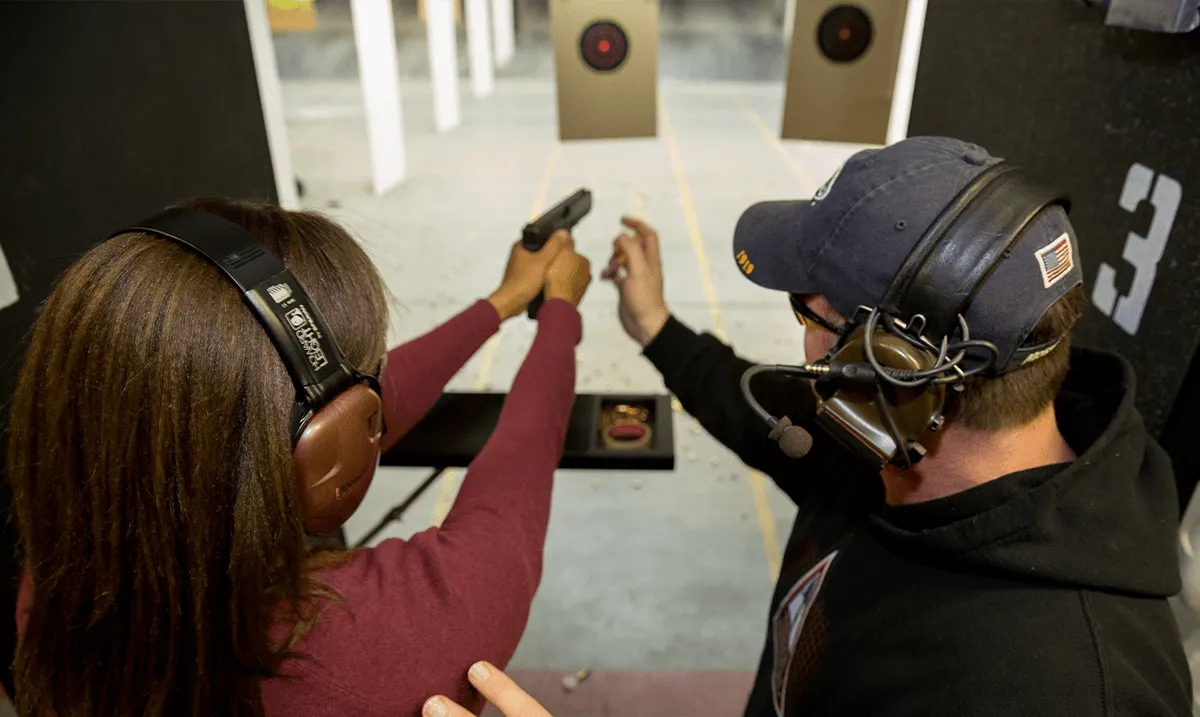
- Ear and Eye Protection: Always wear ear protection (muffs or plugs) and safety glasses
to safeguard against noise and debris.
- Range Bag: A sturdy bag or case to carry all your gear effectively.
- User Manual: Having the user manual for your firearm can be helpful if you need to
reference it during practice.
Understanding Range Etiquette
Familiarizing yourself with range etiquette is fundamental for safe experiences at the shooting
range. Here are some essential etiquette tips:
- Follow Range Rules: Each range has its specific rules and protocols. Ensure you read
and adhere to all guidelines provided by the staff.
- Stay Aware: Keep an eye on your surroundings and always be aware of fellow shooters.
Recognize everyone’s right to a safe experience.
- No Distracting Behavior: Avoid loud talking or sudden movements. Distractions can lead
to accidents.
- Use Designated Areas: Only handle firearms in designated areas to maintain focus on
safety.
Incorporating these practical tips enhances your understanding and professionalism while
accessing a shooting range. Remember that a significant component of comprehensive tips for
handling a gun safely for first-time users lies in preparedness and attention to safety protocols.
For more tips and safety guidelines, consider checking out NSSF's Range Safety Guide for a
deeper insight into best practices.
Common Misconceptions About Gun Safety
Addressing Myths Surrounding Firearm Handling
As first-time users embark on their journey into the world of firearms, it's critical to distinguish
between fact and fiction. Misconceptions about gun safety can lead to dangerous behaviors.
Here, we address some prevalent myths and provide clarity based on comprehensive tips for
handling a gun safely for first-time users.
Myth 1: Guns Are Safe When They Are Unloaded
One of the most dangerous myths surrounding firearm safety is the belief that an unloaded gun
is a safe gun. This is not true.
- Reality: Always treat every gun as if it is loaded. This mindset ensures that you maintain
a level of caution at all times.
Myth 2: I Don’t Need Training, I’ve Seen It on TV
Many believe that watching shooting shows or movies equips them with the knowledge to
handle firearms safely.
- Reality: Firearms are not toys; real-life handling requires formal training. Class
attendance and practical experience make a significant difference in skill and safety.
Myth 3: Accidents Only Happen to Inexperienced Users
Another common misconception is that only inexperienced shooters have accidents.
- Reality: Accidents can happen to anyone, regardless of experience level. Continued
education and practice are vital for all gun owners.
Myth 4: Keeping a Gun in the Home Increases Safety
Some people believe that having a firearm at home inherently increases their safety.
- Reality: While firearms can provide security, they also pose risks, especially in homes
with children or inexperienced individuals. Secure storage is critical to prevention.
By debunking these myths, first-time users can adopt a more informed approach to firearm
safety. Understanding the truths behind these misconceptions is a vital step toward developing
conscientious and safe handling habits.
For further insight into gun safety and education, consider visiting the National Shooting Sports
Foundation (NSSF) for comprehensive resources and materials on safe firearms handling.
What are the basic safety rules for handling a gun?
The basic safety rules for handling a gun include treating every firearm as if it is loaded, never
pointing the gun at anything you do not intend to shoot, keeping your finger off the trigger until
you are ready to fire, and being aware of your target and what lies beyond it. Adhering to these
rules significantly reduces the risk of accidents.
Is it necessary to take a gun safety course?
Yes, taking a gun safety course is highly recommended, especially for first-time users. These
courses provide essential information on safe handling practices, operating different types of
firearms, and understanding the legal responsibilities of gun ownership. They also offer
hands-on training, which is invaluable for building confidence and competence.
How should I store my firearm safely?
Firearms should always be stored in a secure location, such as a locked gun safe or cabinet, to
prevent unauthorized access. It is also advisable to keep ammunition stored separately from the
firearm. If you have children in the home, consider using additional safety measures like trigger
locks or cable locks to further secure your firearm.
What should I do if I see someone handling a gun unsafely?
If you observe someone handling a firearm unsafely, it is important to calmly and discreetly
intervene if possible. You can express your concerns and remind them of the basic safety rules.
If the situation escalates or you feel uncomfortable addressing it directly, notify the range staff or
appropriate authorities to ensure everyone's safety.
Can inexperienced users handle firearms safely?
Yes, inexperienced users can handle firearms safely, provided they receive proper training and
follow safety protocols. With the right education, guidance, and practice, even first-time users
can learn to handle firearms responsibly. It is critical to prioritize safety, seek mentorship from
experienced shooters, and engage in ongoing learning.
Tags: Firearm Safety Best Practices, Safe Gun Handling Tips, Responsible Gun Use
Latest Blog & Articles
The Ultimate Guide to Defensive Handgun Training in Colorado
In an increasingly uncertain world, mastering defensive handgun training is essential for responsible gun ownership and personal safety. Co…
Read more →
Best Practices for Defensive Handgun Training: A Comprehensive Guide
In a world where personal safety is increasingly vital, mastering defensive handgun training is essential for anyone considering firearm ow…
Read more →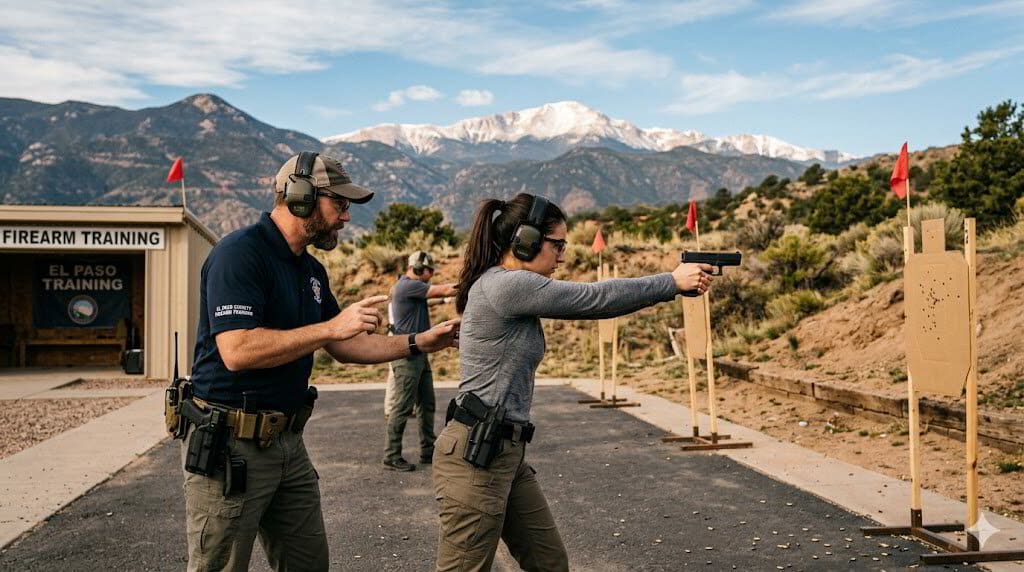
The Ultimate Guide to Firearm Training Courses in El Paso County, Colorado
In an age where firearm safety and education are paramount, Colorado Boots is proud to provide the definitive guide to firearm training cou…
Read more →