
Comprehensive Tips For Handling A Gun Safely (1)
January 28, 2025 · Gun handling safety guidelines
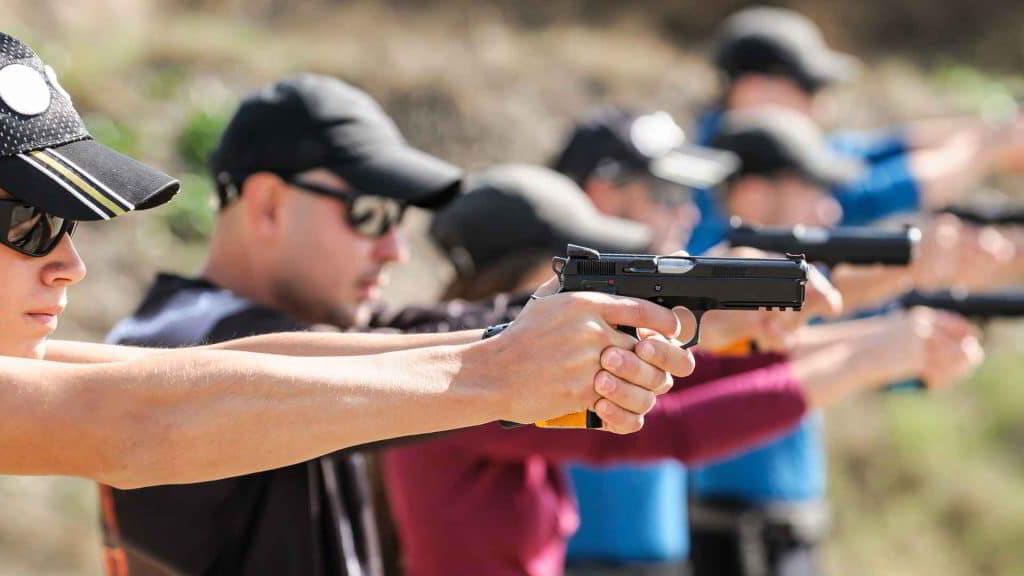
When it comes to firearm ownership, understanding comprehensive tips for handling a gun
safely for first-time users is crucial. Did you know that nearly 60% of accidental firearm deaths
involve guns that were not securely stored? This startling statistic underscores the importance
of not only knowing how to handle a firearm but also prioritizing safety at every turn. For those
new to shooting sports, navigating the world of firearms can be overwhelming. With the right
knowledge and preparation, however, you can become a responsible gun owner who practices
safe handling consistently. This blog post will guide you through essential safety rules, storage
practices, and training resources to ensure that you confidently and safely enjoy your journey
into the shooting community.
Understanding Gun Safety Basics
Gun safety is a paramount concern for anyone wishing to engage in shooting sports, especially
for first-time users. Understanding the fundamental concepts of gun safety not only enhances
your own safety but also the safety of those around you.
Importance of Gun Safety
Proper gun handling is critical for preventing accidents and ensuring responsible use. According
to the National Shooting Sports Foundation, a staggering number of firearm-related accidents
could be avoided with the implementation of basic safety principles.
Common Misconceptions
Many novice shooters may have misconceptions that can lead to unsafe practices. Here are a
few common errors to avoid:
- Assuming a gun is unloaded: Always treat every firearm as if it is loaded, regardless of
the circumstances.
- Believing safety mechanisms are foolproof: Safety mechanisms can fail; vigilance is
crucial.
- Underestimating the power of a firearm: Even small-caliber guns can cause significant
harm.
Essential Safety Rules
To ensure safe handling of firearms, adhere to these essential safety rules:
- Always Treat the Gun as if it’s Loaded: This guiding principle serves as the foundation
of gun safety. Your eyes should always verify the gun’s condition before handling.
- Keep Your Finger Off the Trigger: Unless you're prepared to shoot, keeping your finger
outside the trigger guard minimizes the chance of accidental discharge.
- Know Your Target and Beyond: Be conscious of what lies behind your target. A bullet
can travel through walls, making it essential to ensure a clear shot.
Preparing for Gun Handling
Before handling a firearm, preparation is key to conducting oneself safely.
Proper Attire and Gear
When participating in shooting activities, ensure you wear appropriate clothing and gear,
including:
- Protective eyewear
- Ear protection
- Closed-toe shoes
Safe Environments for Practice
Choose shooting ranges or designated areas that follow strict safety protocols. Make sure these
locations promote responsible handling and have adequate supervision.
For more information on comprehensive tips for handling a gun safely for first-time users, visit
the National Rifle Association's Safety and Education section for additional resources.
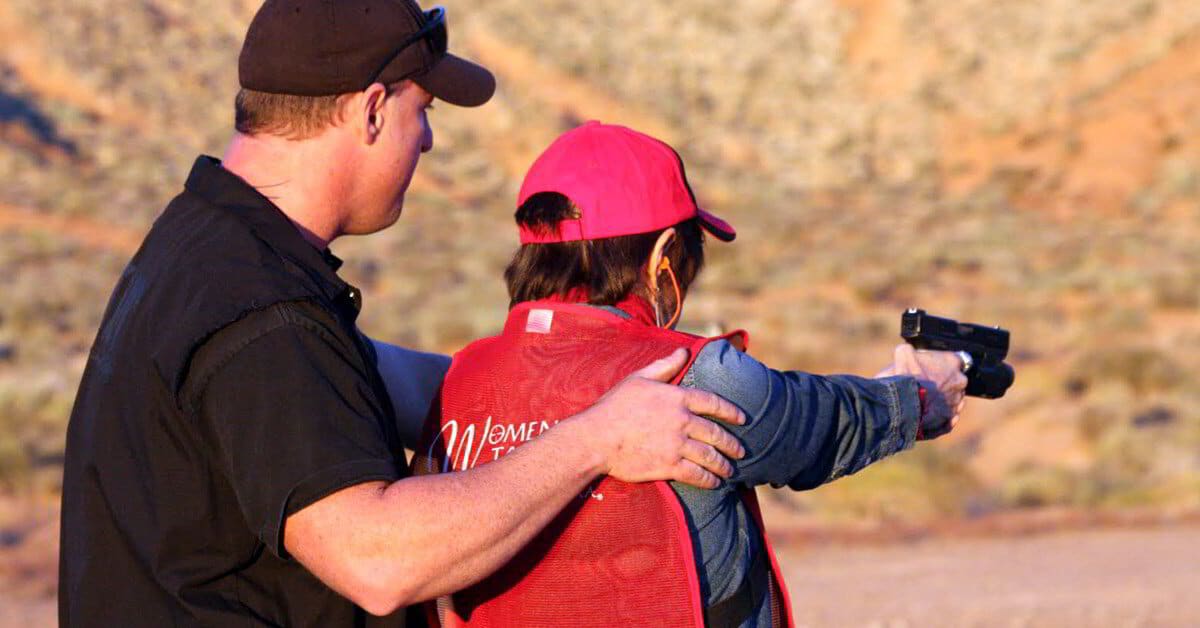
Steps for Safely Handling a Gun
Once you have a solid understanding of gun safety basics, it's crucial to follow specific steps for
safely handling a gun. These steps can help both begin the learning process and ensure that
first-time users are equipped with the knowledge they need to protect themselves and others.
Loading and Unloading
Loading and unloading your firearm correctly is essential for safety. Here are steps to follow:
1. Always Point the Muzzle in a Safe Direction: This minimizes risk in case of accidental
discharges.
2. Inspect the Firearm: Ensure the firearm is clear of any obstruction or ammunition before
loading.
3. Follow Manufacturer Instructions: Each firearm operates differently; understanding
yours is critical.
4. Practice Unloading: Familiarize yourself with the unloading process until it becomes
second nature.
Carrying a Firearm Responsibly
How you carry a firearm significantly impacts safety. Consider the following practices:
- Use a Proper Holster: A fitted holster provides secure storage and easy access.
- Positioning: Always carry the firearm in a manner that keeps the muzzle pointed in a
safe direction.
- Avoid Concealment Near the Trigger: Make sure clothing or any other items don’t
interfere with the firearm.
Handling Malfunctions
Even the most reliable firearms can experience malfunctions, so knowing how to handle them is
crucial. Follow these steps:
- Stay Calm: Panic can exacerbate the situation.
- Keep the Muzzle Pointed in a Safe Direction: Always maintain a safe direction until the
issue is resolved.
- Identify the Malfunction: Determine if it’s a Failure to Fire, Failure to Eject, or a Misfire.
- Clear the Firearm: If appropriate, follow the manufacturer’s guide for troubleshooting the
issue.
By following these comprehensive tips for handling a gun safely for first-time users, you can
ensure responsible gun practices while building a strong foundation for safe firearm usage. For
more in-depth information, check out the resources available on the NRA website for a wealth of
knowledge on firearm safety and education.
Safe Storage Practices
Ensuring safe storage practices for firearms is a critical component of overall gun safety. For
first-time users, understanding how to securely store a firearm protects the weapon from theft,
unauthorized use, and accidents. Here are key strategies to consider.
Importance of Secure Storage
Proper storage significantly reduces the risk of accidents, particularly in households with
children or inexperienced individuals. Secure storage includes both physical safety and
psychological reinforcement of safe practices.
Types of Gun Safes and Locks
Investing in adequate storage solutions is a must. Here are some common types of gun safes
and locking mechanisms:
- Gun Safes: These provide the highest level of security. Look for safes that are fireproof
and waterproof.
- Trigger Locks: These devices prevent the trigger from being pulled even if the gun is
loaded and can be installed easily.
- Cable Locks: A less robust but effective option, cable locks thread through the firearm to
render it inoperable.
- Biometric Safes: These high-tech options allow quick access and ensure that only
authorized users can open the safe.
Best Practices for Storage
To store your firearm safely, consider the following best practices:
- Keep Guns Locked Up: Whenever not in use, firearms should always be stored in a
locked safe or cabinet.
- Store Ammunition Separately: Keeping ammunition in a different location from the
firearm adds an extra layer of security.
- Regularly Inspect Your Storage: Routinely check your storage devices to ensure they
remain secure and functional.
- Educate Family Members: Ensure that everyone in your household understands the
importance of gun safety.
By implementing these comprehensive tips for handling a gun safely for first-time users, you
actively contribute to reducing the risks associated with firearm ownership. For further insights
on safe storage practices, the ATF website offers detailed guidelines and resources for gun
owners.
Learning from Professionals
One of the most effective ways to ensure safe and responsible gun handling is through
professional training. First-time users can greatly benefit from structured lessons that focus on
safety and proper firearm use.
Importance of Training Courses
Participating in training courses provides a foundation of knowledge that is essential for any gun
owner. Here are several reasons why training is crucial:
- Expert Guidance: Professional instructors can offer insights that may not be apparent to
self-taught individuals.
- Hands-On Experience: Practical training allows you to apply theories in a controlled
environment, reinforcing safe practices.
- Understanding Local Laws: Instructors usually provide information about firearm laws
specific to your region, ensuring you remain compliant.
Finding Qualified Instructors
When seeking training, it’s important to choose qualified and experienced instructors. Consider
the following steps:
- Research Credentials: Look for instructors with certifications from recognized
organizations, such as the National Rifle Association or state-certified training programs.
- Read Reviews: Online reviews and testimonials can provide valuable insights into the
effectiveness of training programs.
- Ask About Class Content: Ensure the course covers a range of topics, including safe
handling procedures, maintenance, and legal responsibilities.
Training Options
There are several types of training options available, including:
- In-Person Classes: These are typically hands-on and provide immediate feedback from
instructors.
- Online Courses: These may offer flexibility, but ensure they also include practical training
components.
- Private Lessons: Ideal for those seeking personalized instruction, allowing for specific
questions and concerns to be addressed.
By utilizing comprehensive tips for handling a gun safely for first-time users, you position
yourself as a responsible gun owner. For more information on finding reputable training courses,
visit the NRA Training website for resources and listings of certified trainers in your area.
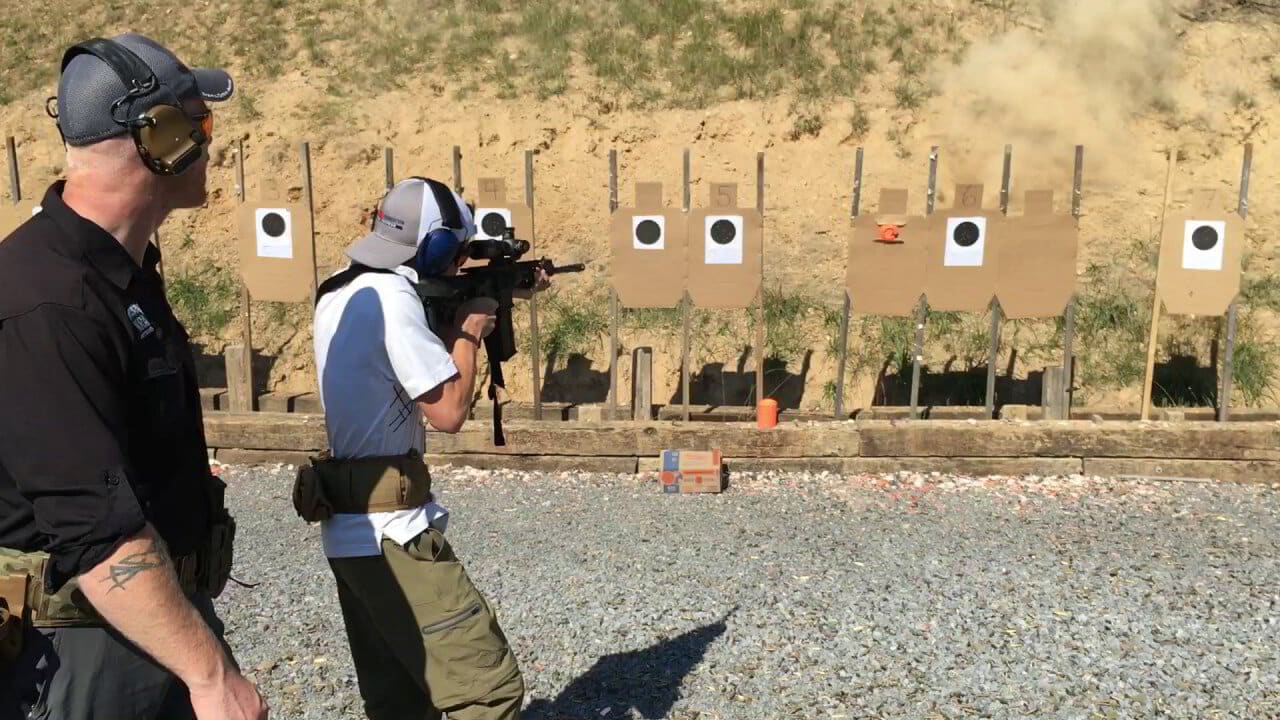
Continuous Education and Awareness
The journey of gun ownership does not end once you have completed your initial training; it is a
lifelong commitment to learning and improving your skills. Continuous education and awareness
are essential aspects of responsible firearm handling, especially for first-time users.
Staying Updated on Safe Practices
Regularly updating your knowledge about gun safety is critical. Consider the following methods
to stay informed:
- Subscribe to Firearm Safety Publications: Journals and magazines dedicated to
firearms often highlight new safety techniques, laws, and best practices.
- Follow Reputable Online Resources: Websites like the American Shooting Sports
Foundation offer a wealth of up-to-date information on safety and training resources.
- Attend Workshops and Seminars: Many local gun ranges and organizations host
events that can deepen your understanding of safe gun practices.
Joining Community Workshops
Engaging with your local shooting community can provide valuable insights:
- Networking with Experienced Shooters: Interacting with seasoned shooters allows you
to learn from their experiences and gain practical advice.
- Participating in Safety Drills: Community workshops often include drills that reinforce
proper safety techniques in a supportive environment.
- Accessing Group Resources: Many shooting clubs provide access to shared materials,
such as instructional videos and safety guidelines.
Encouraging a Culture of Safety
As a responsible gun owner, it is essential to promote safe practices among family and friends.
You can help create a culture of safety by:
- Discussing the Importance of Safety: Engage in conversations that highlight why safe
handling practices matter.
- Teaching Others Proper Techniques: Share what you've learned to help others become
informed and responsible gun users.
- Setting an Example: Consistently demonstrate safe handling and storage practices to
influence those around you positively.
By following these comprehensive tips for handling a gun safely for first-time users, you
contribute to a safer environment for yourself and others. Embrace the commitment to
continuous education, and you will be well-prepared to handle firearms responsibly. For
additional resources on firearm education, visit the NSSF for their extensive catalog of training
materials and tips.
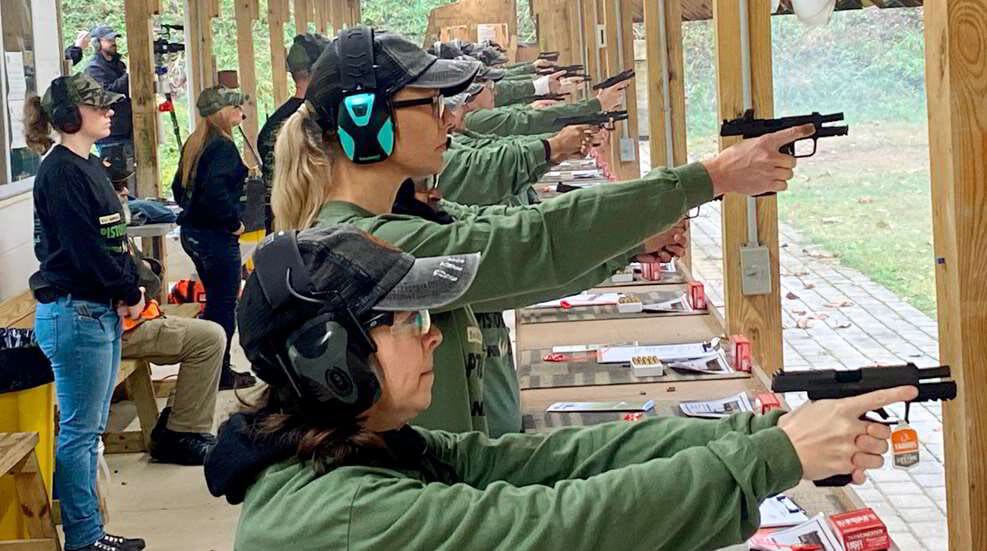
Conclusion
Embracing gun ownership is a significant responsibility that comes with the obligation to
prioritize safety. For first-time users, understanding comprehensive tips for handling a gun safely
is essential to ensure not only personal safety but also the safety of those around them.
Encouraging a Culture of Safety
Creating a safety-conscious environment requires consistent effort and community involvement.
Consider these actions to foster a culture of safety:
- Start Conversations: Discuss gun safety among friends and family to raise awareness
on the importance of safe practices.
- Host Safety Workshops: Engage with your community by organizing or attending
workshops focused on firearm safety and proper handling techniques.
- Share Information: Utilize social media platforms to disseminate information about
responsible gun ownership and safety best practices.
Final Thoughts on Gun Responsibility
Being a responsible gun owner means staying educated, practicing safe handling, and
advocating for safety in your community. Every lesson learned and precaution taken contributes
to a safer environment.
As you proceed with your journey into shooting sports, remember that familiarity does not
replace safety. Continuing to practice the comprehensive tips for handling a gun safely for
first-time users will ensure that you make informed decisions and instill safety values in those
around you.
For further insights and resources on firearm responsibility, the National Shooting Sports
Foundation provides a variety of educational materials to help guide your path as a responsible
gun owner.
Resources for Ongoing Learning
In today's digital age, there's an abundance of resources to help you continually enhance your
knowledge and skills related to firearm safety and handling. For first-time users, finding reliable
information can significantly impact your ability to handle a gun responsibly. Below are some
valuable resources to consider:
Online Educational Platforms
- Firearm Safety Courses: Websites like NRA Online Training offer courses that cater to
various skill levels and focus on different aspects of gun safety.
- YouTube Channels: Reputable channels can deliver visual demonstrations of safe
handling techniques. Look for channels that are well-reviewed and hosted by certified
instructors.
Books and Publications
- Safety Guides: Books like "The Gun Digest Book of Firearms Assembly/Disassembly"
provide detailed information about the assembly, disassembly, and safe handling of
firearms.
- Magazines: Publications such as "American Hunter" and "Shooting Times" frequently
publish articles on safety, new firearms technologies, and best practices for gun handling.
Community Engagement
- Local Firearms Training Clinics: Many local shooting ranges offer training days where
newcomers can learn proper techniques in a hands-on environment. This type of
community building fosters learning and ensures a support system for first-time users.
- Shooting Clubs: Joining a local shooting club can connect you with experienced
shooters who are eager to share their knowledge and insights.
Continuous Commitment
Committing to ongoing education about firearms is crucial for responsible ownership. By utilizing
these resources, you will enhance your understanding and application of comprehensive tips for
handling a gun safely for first-time users.
Stay informed, practice regularly, and make safety your top priority as you embark on your
journey in the shooting sports community. For further insights and resources on firearm safety,
the National Firearms Act Trade & Collectors Association provides valuable information and
support for firearm enthusiasts.
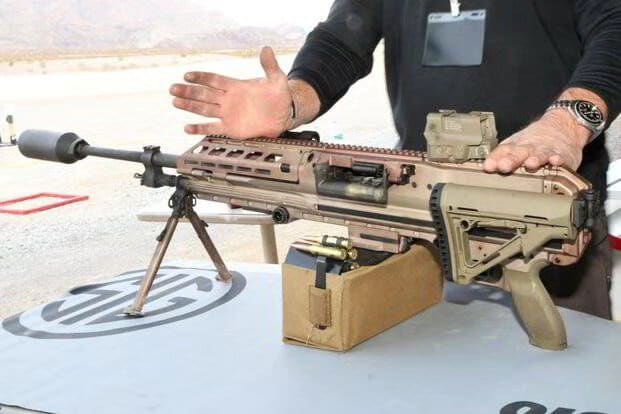
Final Thoughts on Responsibility and Safety
Owning and handling a firearm comes with significant responsibilities. For first-time users,
understanding and practicing comprehensive tips for handling a gun safely is essential not only
for personal safety but also for the safety of others. Here are some important takeaways to
remember as you continue your journey in firearm ownership.
Commitment to Safety
- Prioritize Safety Above All: Always place safety at the forefront of your mind when
handling firearms. Those moments of vigilance can prevent accidents.
- Stay Informed: Keep abreast of industry standards, local laws, and best practice
recommendations to ensure that your knowledge remains current.
Building a Safety-Oriented Mindset
- Instill Safe Practices: Make it a habit to engage in safe handling techniques consistently,
whether in practice or during competitions.
- Educate Those Around You: Share what you have learned with friends and family,
helping to foster a culture of safety within your community.
Resources for Continued Learning
As previously mentioned, continuous education is key to responsible firearm handling. Seek out
resources that enhance your understanding, including:
- Workshops and Training Programs: Participate in events hosted by local gun ranges or
organizations, where you can expand your skills and knowledge.
- Online Courses and Resources: Utilize platforms like USCCA for comprehensive
training materials focused on safety and responsible ownership.
By embracing these comprehensive tips for handling a gun safely for first-time users, you’ll not
only ensure your own safety but also set an example for others. Ultimately, responsible gun
ownership contributes to a safer and more informed society. Through education, practice, and
community involvement, you can make a positive impact on the culture of firearm safety.
What are the basic safety rules for handling a gun?
The basic safety rules for handling a gun include always treating the firearm as if it's loaded,
keeping your finger off the trigger until you're ready to shoot, and being aware of your target and
what's beyond it. These rules form the foundation of responsible firearm handling and help
prevent accidents.
How should I store my firearm safely?
Firearms should be stored in a locked safe or cabinet specifically designed for secure firearm
storage. It's also advisable to keep ammunition stored separately from the gun to reduce the risk
of unauthorized use. Regular inspections of your storage solution can ensure that it remains
secure and functional.
Is formal training necessary for first-time gun users?
While informal training from experienced friends can be helpful, formal training is highly
recommended for first-time gun users. Professional training provides structured lessons on
safety, handling techniques, and local laws, ensuring that you have the knowledge needed to
use firearms responsibly.
How can I find reputable firearm training courses?
Reputable firearm training courses can be found through organizations such as the National
Rifle Association (NRA) or local shooting ranges. Online platforms may also offer training
programs, but it is crucial to verify the credentials of instructors to ensure they meet recognized
safety standards.
What should I do if I experience a gun malfunction?
If you experience a gun malfunction, remain calm and keep the muzzle pointed in a safe
direction. Identify the type of malfunction (e.g., failure to fire, failure to eject) and follow your
firearm's specific guidelines for clearing the issue. If you're unsure how to proceed, don’t
hesitate to seek professional help or training.
Tags: Comprehensive Tips For Handling A Gun Safely (1)
Latest Blog & Articles
The Ultimate Guide to Defensive Handgun Training in Colorado
In an increasingly uncertain world, mastering defensive handgun training is essential for responsible gun ownership and personal safety. Co…
Read more →
Best Practices for Defensive Handgun Training: A Comprehensive Guide
In a world where personal safety is increasingly vital, mastering defensive handgun training is essential for anyone considering firearm ow…
Read more →
The Ultimate Guide to Firearm Training Courses in El Paso County, Colorado
In an age where firearm safety and education are paramount, Colorado Boots is proud to provide the definitive guide to firearm training cou…
Read more →